
Jury duty is a cornerstone of the American justice system, a civic responsibility that ensures a fair trial by a jury of one’s peers. In California, as in other states, citizens are called upon to serve, contributing to the fundamental principles of justice. However, for a variety of legitimate reasons, some individuals may find themselves unable to fulfill this obligation. Understanding the process and available exemptions or postponements is crucial for navigating jury duty in the Golden State. This guide aims to provide a comprehensive overview, drawing parallels to the world of travel and lifestyle, where planning, preparation, and understanding your options are key to a successful experience.

Navigating jury duty, much like planning a dream vacation, requires a clear understanding of the rules, your entitlements, and the available avenues for making arrangements. Whether you’re dreaming of exploring the vibrant streets of San Francisco or seeking the tranquility of a California vineyard, unexpected civic obligations can sometimes interrupt your plans. Fortunately, the California courts recognize that life circumstances can make jury service impossible or unduly burdensome. This article will explore the various ways you might be able to be excused or postpone your jury duty, offering practical advice and insights.
Understanding Your Jury Summons
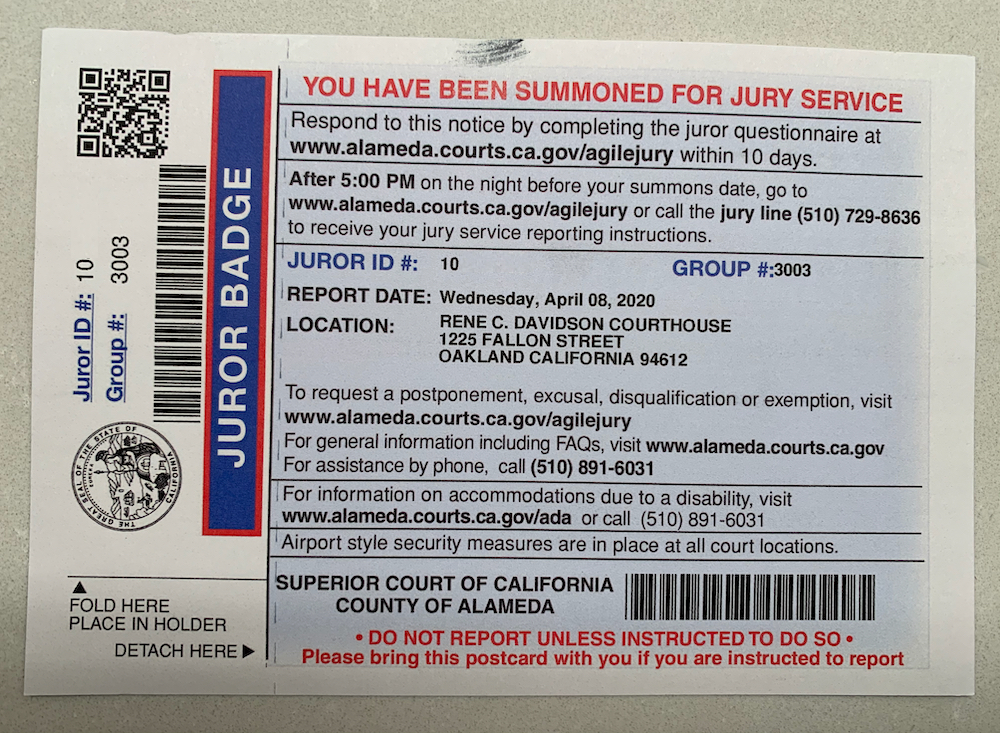
The initial step in the jury duty process is receiving a jury summons. This official document, typically mailed by the superior court of the county where you reside, outlines your obligation to appear for jury service. It will specify the date, time, and location of your required appearance. It’s imperative to read this document thoroughly, as it contains vital information regarding reporting instructions, potential for summons postponement, and contact details for the jury commissioner’s office.
Key Information on Your Summons
Your summons is akin to your travel itinerary – it details where you need to be, when, and what to expect. It will clearly state:
- Your Reporting Date and Time: This is your appointment with the court.
- The Courthouse Location: Just as you’d note your hotel address, this is where you need to go.
- Contact Information: A phone number or website for the jury commissioner’s office is provided for any questions or requests.
Missing your jury duty without a valid excuse can have legal consequences, so treating the summons with the same seriousness as a flight booking is essential.
Legitimate Reasons for Excusal or Postponement
California law provides several avenues for individuals to be excused from or have their jury service postponed. These are not loopholes to avoid civic duty altogether but rather provisions to ensure that those who genuinely cannot serve are accommodated. These situations often mirror the practical considerations one might face when planning extended travel or significant life events.
Excusals Based on Undue Hardship
The most common grounds for being excused from jury duty revolve around proving that service would cause “undue hardship” to yourself or the public. This concept is similar to understanding the cancellation policies of your hotel booking or the impact of travel disruptions on your itinerary.
Financial Hardship
If serving jury duty would result in significant financial loss that you or your employer cannot reasonably absorb, you may be eligible for an excusal. This could include:
- Loss of Income: If you are self-employed and cannot work without substantial financial detriment, or if your employer does not pay for jury duty and you would suffer extreme hardship.
- Essential Business Operations: If you are the sole proprietor of a business that would suffer irreparable harm due to your absence.
To claim financial hardship, you will typically need to provide documentation, such as pay stubs, business financial statements, or a letter from your employer. This is analogous to providing proof of a non-refundable booking to claim travel insurance.
Personal and Familial Hardship
Circumstances involving your personal well-being or the care of dependents can also be grounds for excusal.
- Primary Caregiver: If you are the sole caregiver for a child or an infirm adult, and their care cannot be reasonably arranged during your jury service.
- Medical Conditions: If you have a physical or mental condition that would make it impossible or extremely difficult to serve. This usually requires a doctor’s note detailing your condition and why jury service would be detrimental. This is comparable to needing a medical certificate for certain adventurous travel experiences.
Other Hardships
Less common but still valid reasons might include:
- Student Status: Full-time students may be able to postpone their service, particularly if it would conflict with critical academic periods.
- Public Safety: Individuals whose service could compromise public safety (e.g., law enforcement officers with active cases) might be excused.
Postponement of Jury Duty
In many cases, rather than being permanently excused, you may be able to request a postponement of your jury service. This is particularly useful if your inability to serve is temporary, akin to rescheduling a flight or tour due to an unforeseen event.
Common Reasons for Postponement
- Pre-planned Travel: If you have a confirmed vacation or business trip booked that cannot be easily canceled or rescheduled. This is a very common scenario, especially for those who plan their travel experiences well in advance, perhaps to visit iconic landmarks or enjoy luxury travel. You will likely need to provide proof of your travel arrangements, such as flight tickets or hotel reservations.
- Medical Appointments: Scheduled medical procedures or important doctor’s appointments.
- Work Commitments: Critical business meetings, conferences, or deadlines that cannot be moved.
How to Request a Postponement
Most California courts allow you to request a postponement online, by mail, or by phone. Your jury summons will provide the specific instructions for your county. You will generally be asked to provide a reason for the postponement and a new date or timeframe when you would be available to serve. The court has the discretion to grant or deny postponement requests. It is advisable to make these requests as soon as possible after receiving your summons, much like booking your preferred accommodation early for popular destinations.
The Process of Requesting an Excusal or Postponement
Successfully navigating the process of seeking an excusal or postponement requires clear communication and proper documentation, mirroring the meticulous planning needed for any significant undertaking, whether it’s a long-term stay in a new city or a complex itinerary.
Submitting Your Request
- Read Your Summons Carefully: As mentioned, your summons is your primary guide. It will detail the exact procedure for requesting an excusal or postponement in your specific county.
- Identify Your Reason: Determine which category of excusal or postponement best fits your situation.
- Gather Supporting Documentation: This is crucial. The court will need evidence to support your claim.
- For financial hardship: A letter from your employer, business records, or proof of income loss.
- For medical reasons: A letter from your doctor.
- For travel: Copies of flight tickets, hotel bookings, or cruise confirmations. For example, if you have a confirmed booking at the Beverly Hills Hotel for a planned vacation to Los Angeles, this would serve as documentation.
- For caregiving: A sworn statement or a letter from a healthcare provider confirming your role.
- Submit Your Request Promptly: Do not wait until the last minute. Submit your request and supporting documents by the deadline indicated on your summons, often via an online portal, mail, or fax.
- Await the Court’s Decision: The jury commissioner’s office will review your request. They may approve it, deny it, or request further information. You will receive a written notification of their decision.
What Happens If Your Request is Denied?
If your request for an excusal or postponement is denied, you are still obligated to appear for jury duty on the date specified on your summons. At the courthouse, you may have another opportunity to explain your situation to the judge or the jury commissioner.
Tip: Be prepared to articulate your reasons clearly and calmly. If you still have a compelling reason that was not adequately addressed in your initial request, present it respectfully. Sometimes, a judge can make an exception based on unforeseen circumstances that arise closer to the date of service.
Alternatives to Permanent Excusal: Postponement and Remote Appearance Options
The California court system has increasingly adopted flexible approaches to jury service, recognizing the diverse lifestyles of its citizens. This includes offering more options for postponement and, in some jurisdictions, allowing for remote participation in certain jury selection processes.
The Power of Postponement
As discussed, postponement is a common and often granted request. It allows you to fulfill your civic duty at a more convenient time. This is especially relevant for frequent travelers or those with demanding work schedules. Imagine planning a trip to explore the natural beauty of Yosemite National Park or experience the vibrant culture of San Diego – a jury summons can sometimes disrupt these plans. By requesting a postponement, you can reschedule your jury service for a time when your travel or work commitments are less demanding.
How Many Postponements Are Typically Allowed?
In most counties, you are generally allowed to postpone your jury service at least once. Some courts may allow for a second postponement, but this is often at the discretion of the jury commissioner and may require a stronger justification. It’s crucial to confirm the specific policies for your county.
Exploring Remote Appearance and Selection
In response to the evolving needs of the modern workforce and the increased reliance on technology, some California counties have introduced options for remote jury participation. This might involve:
- Online Juror Questionnaires: Many courts now require you to complete a detailed questionnaire online before your scheduled appearance. This helps the court assess potential disqualifications and suitability for service.
- Remote Jury Selection (Voir Dire): In some limited circumstances, parts of the jury selection process (voir dire) may be conducted remotely via video conferencing. This can significantly reduce the need for in-person appearances, especially for individuals who live far from the courthouse or have mobility issues.
While not universally available for all cases or all counties, exploring these technological advancements can make jury service more manageable. If you are a frequent business traveler, perhaps staying at places like the Fairmont San Francisco, or exploring tourism in various cities, remote options could be a game-changer.
When All Else Fails: Understanding the Consequences of Non-Compliance
While this article focuses on how to navigate jury duty responsibly, it’s important to acknowledge the implications of failing to comply with a jury summons without a valid, court-approved excuse. This is akin to missing a crucial flight connection without informing the airline – it can lead to negative consequences.
Legal Ramifications
Failing to respond to a jury summons or appear for jury duty as ordered can result in:
- Contempt of Court: The court may issue an order to show cause why you should not be held in contempt.
- Fines: You could be fined a significant amount, often ranging from $1,000 to $5,000 in California.
- Bench Warrant: In some cases, a bench warrant may be issued for your arrest.
These consequences are serious and can have long-term implications. It is always best to communicate with the court and follow the proper procedures for requesting an excusal or postponement.

Maintaining a Good Standing
Being a responsible citizen means fulfilling your civic duties. By understanding the process, utilizing available options for postponement, and providing proper documentation when necessary, you can manage jury duty expectations without undue stress. Whether you are planning an extravagant getaway or a simple weekend retreat, approaching jury duty with diligence ensures you remain in good standing within the community and uphold the principles of justice. Remember, the courts are generally understanding of legitimate hardships and strive to make jury service as accessible as possible for all citizens, just as the travel industry aims to make experiences accessible to a wide range of budgets and preferences, from budget travel to exclusive resorts.
LifeOutOfTheBox is a participant in the Amazon Services LLC Associates Program, an affiliate advertising program designed to provide a means for sites to earn advertising fees by advertising and linking to Amazon.com. Amazon, the Amazon logo, AmazonSupply, and the AmazonSupply logo are trademarks of Amazon.com, Inc. or its affiliates. As an Amazon Associate we earn affiliate commissions from qualifying purchases.