
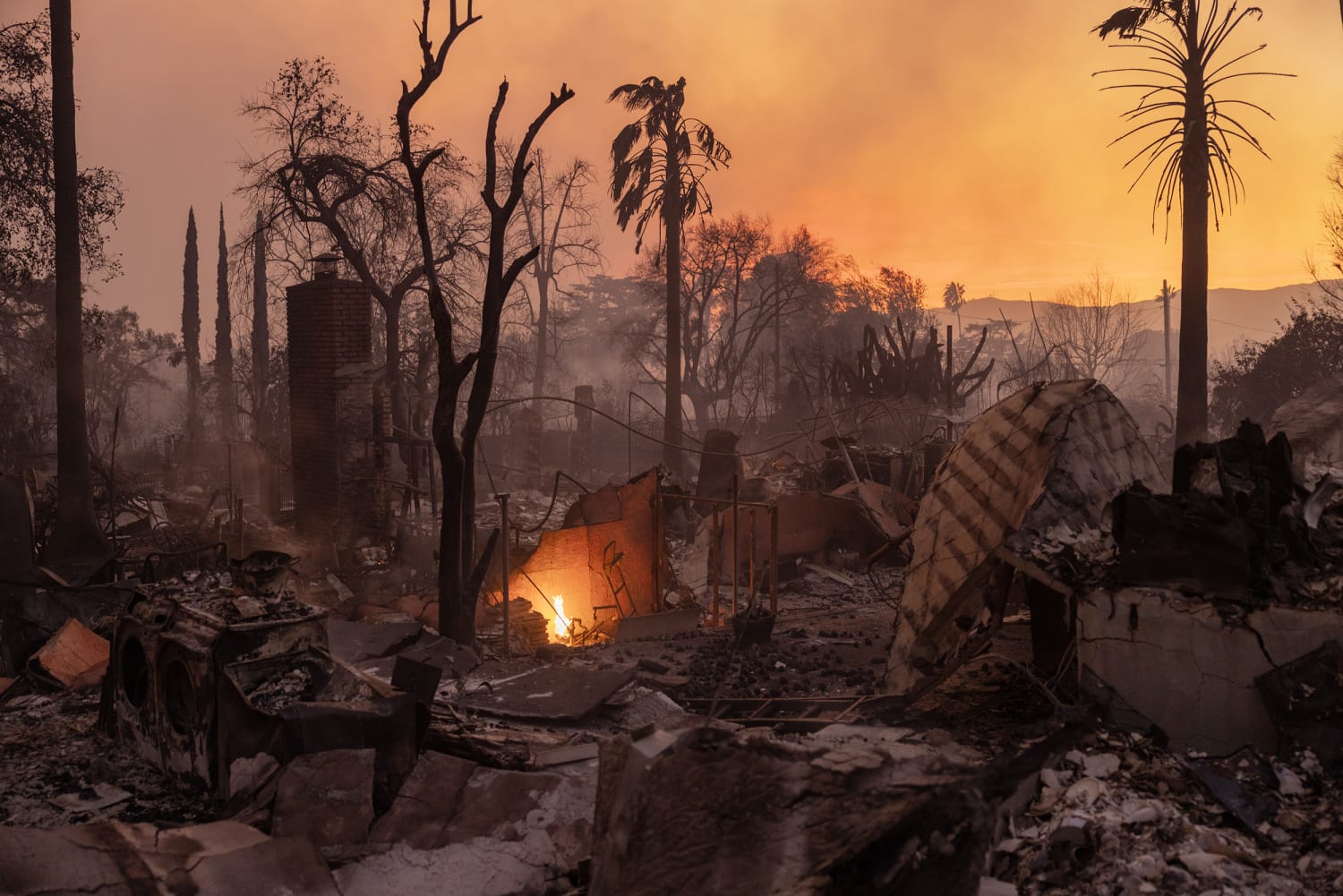
The Golden State, a beacon of diverse landscapes and vibrant culture, often finds itself battling a formidable adversary: wildfire. The allure of California’s natural wonders, from the towering sequoias of Sequoia National Park to the sun-drenched beaches of Malibu, is undeniable. Yet, this very beauty, coupled with specific environmental conditions, creates a fertile ground for fires to ignite and spread with alarming speed. Understanding the genesis of these infernos is crucial, not just for residents and emergency responders, but also for the millions of travelers who flock to the state annually, seeking experiences in places like San Francisco, Los Angeles, and the picturesque vineyards of Napa Valley.
Understanding the Ignition Points: A Multifaceted Challenge
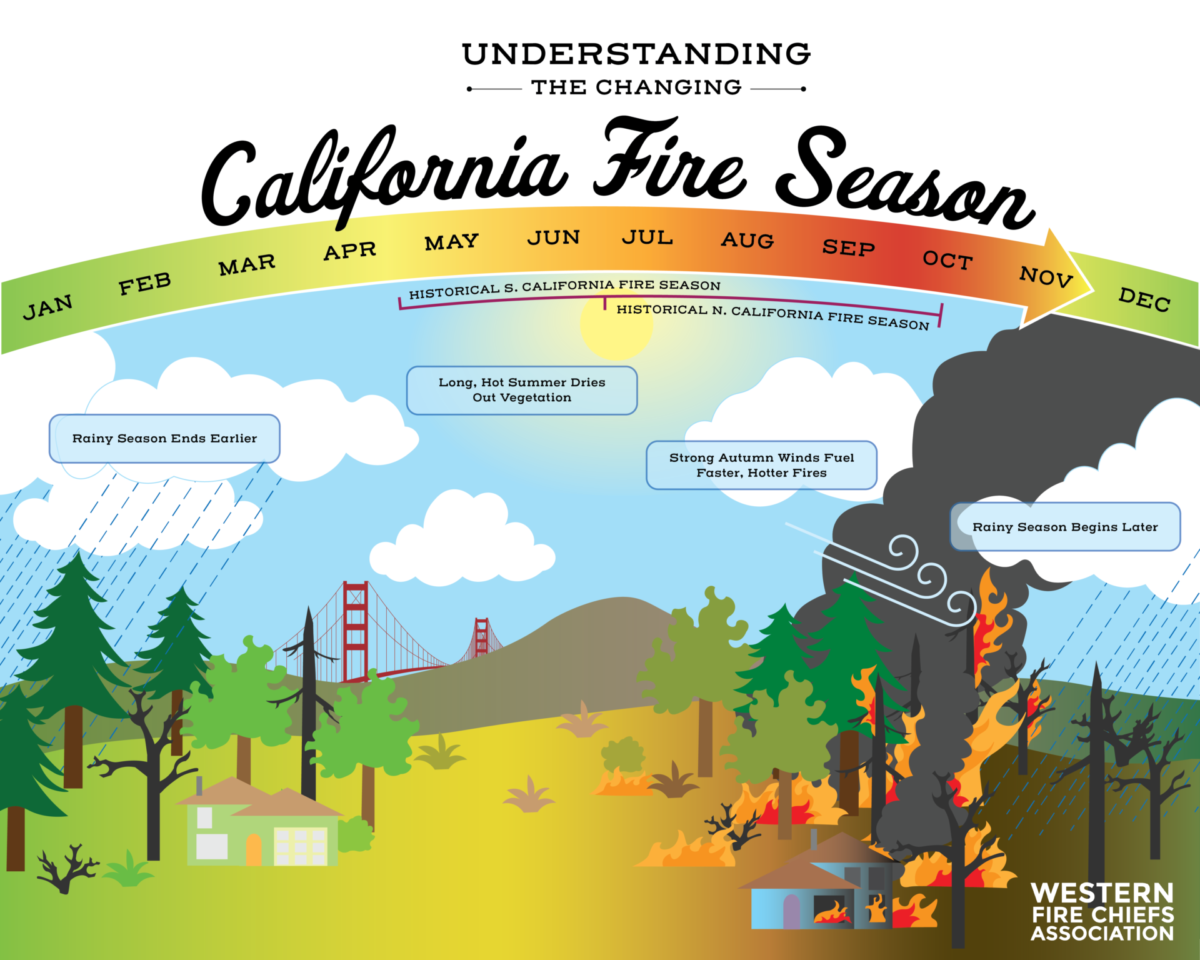
The question of “How did fires start in California today?” rarely has a single, simple answer. Instead, it typically involves a complex interplay of natural phenomena and human-induced factors. While lightning strikes can be a natural catalyst, particularly in remote, wilderness areas, a significant portion of wildfires in California are attributed to human activity. These activities range from accidental sparks caused by electrical equipment and vehicles to intentional arson. The dry, often parched vegetation that blankets much of the state, especially during the prolonged fire season, acts as an accelerant, allowing even small ignitions to quickly escalate into devastating blazes.
Natural Causes: The Spark of the Wild
California’s diverse geography, encompassing arid deserts, chaparral-covered hillsides, and dense forests, contributes to a variety of natural ignition sources.
Lightning Strikes
During the hot, dry summer months and into the fall, thunderstorms, while infrequent, can produce lightning. These electrical discharges can strike dry vegetation, igniting fires in remote areas where they may go unnoticed until they have grown substantial. This was particularly evident in past fire seasons across vast stretches of Northern California, impacting areas near Redding and even extending towards the Sierra Nevada mountain range. The remoteness of some of these ignition points makes them challenging for early detection and suppression.
Extreme Weather Conditions
Beyond lightning, extreme weather itself can play a role. Intense heatwaves, coupled with low humidity and strong winds, create a hyper-flammable environment. These conditions can dry out vegetation to a critical point, making it susceptible to ignition from even minor heat sources. The Santa Ana winds, notorious for their dry and gusty nature, are particularly infamous for their ability to fan small fires into infernos, rapidly spreading them through canyons and populated areas, often threatening communities nestled in the foothills of Southern California and the outskirts of Los Angeles.
Human-Caused Fires: The Accidental and the Intentional
Regrettably, a substantial percentage of California’s wildfires are not natural events but are linked to human actions, both accidental and deliberate. Recognizing these causes is paramount for implementing preventative measures and public awareness campaigns.
Electrical Equipment and Power Lines
A significant contributor to human-caused fires involves electrical infrastructure. Damaged or malfunctioning power lines, particularly those that come into contact with dry vegetation or are downed by strong winds, can create sparks that ignite the surrounding landscape. Utility companies in California have faced intense scrutiny and implemented extensive measures, such as de-energizing power lines during high-risk conditions, to mitigate this risk. The impact of these incidents has been devastating, affecting numerous communities and leading to widespread power outages, impacting travel and daily life in cities like San Diego and beyond.
Vehicle-Related Incidents
The operation of vehicles on or near dry vegetation can also be a source of ignition. Hot exhaust systems, sparks from dragging equipment, or even faulty catalytic converters can ignite dry grasses and brush. This is a particular concern in rural areas and along highways that traverse wildland interfaces. For travelers exploring the scenic routes through Big Sur or heading towards national parks like Yosemite, understanding these risks and taking precautions, such as ensuring vehicles are properly maintained and avoiding parking on dry vegetation, is crucial.
Arson and Careless Practices
Tragically, some fires are intentionally set. Arson investigations are a critical component of wildfire response, and law enforcement agencies work diligently to identify and prosecute those responsible. Beyond arson, simple carelessness with fire can have dire consequences. Unattended campfires, discarded cigarettes, and the misuse of fireworks, especially in drought-stricken areas, are all preventable causes of devastating wildfires. Public education campaigns often highlight the importance of responsible fire use, particularly during the peak fire season, reminding individuals to extinguish campfires completely and dispose of smoking materials properly.
The Role of Vegetation and Drought
The landscape of California itself plays a pivotal role in the severity and spread of wildfires. Years of drought, punctuated by periods of intense rainfall, create a complex fuel load that is highly susceptible to ignition and rapid burning.
Fuel Load and Drought Conditions
California experiences prolonged periods of drought, which desiccate the state’s vegetation, turning it into highly combustible fuel. Chaparral, grasses, and timber alike become tinder-dry, ready to ignite at the slightest spark. The accumulation of dead vegetation, often exacerbated by insect infestations and disease, further increases the fuel load, providing more material for fires to consume. This was a significant factor in the massive wildfires that have impacted areas like Santa Barbara and the Los Angeles National Forest.
Invasive Species and Fuel Structure
Certain invasive plant species can also alter the fire dynamics in California. For example, invasive grasses can create a fine, fast-burning fuel bed that spreads fire more rapidly than native vegetation. Understanding the composition of vegetation and how it interacts with fire is crucial for developing effective fire management strategies, including prescribed burns and forest thinning projects.

Conclusion: Prevention, Preparedness, and the Future of Fire Management
The question of how fires start in California today is a constant reminder of the delicate balance between human activity and the powerful forces of nature. While natural ignitions are a part of the landscape, the majority of destructive fires are linked to human actions. Through enhanced public awareness, stringent regulations, and innovative fire management techniques, California strives to mitigate the risks. For visitors and residents alike, understanding these causes fosters a sense of responsibility and encourages proactive measures. Whether planning a trip to the iconic Golden Gate Bridge in San Francisco, a relaxing stay at a resort in Palm Springs, or exploring the natural beauty of Lake Tahoe, being informed about wildfire risks and preparedness is an essential part of enjoying the wonders of the Golden State. The ongoing efforts in vegetation management, early detection technologies, and community preparedness are vital in safeguarding California’s precious natural resources and the communities that call it home. The future of fire management in California hinges on a collective commitment to prevention and a deep respect for the wildland environment.
LifeOutOfTheBox is a participant in the Amazon Services LLC Associates Program, an affiliate advertising program designed to provide a means for sites to earn advertising fees by advertising and linking to Amazon.com. Amazon, the Amazon logo, AmazonSupply, and the AmazonSupply logo are trademarks of Amazon.com, Inc. or its affiliates. As an Amazon Associate we earn affiliate commissions from qualifying purchases.