
Embarking on a journey to obtain a Class B driver’s license in California opens up a world of possibilities, particularly for those passionate about travel and exploring the vast landscapes this state offers. While the title might seem out of place on a website dedicated to travel, hotels, tourism, accommodation, landmarks, and lifestyle, understanding the intricacies of transportation is fundamental to many of these experiences. A Class B license is the key to operating larger vehicles, including straight trucks, buses, and larger RVs, which can significantly enhance your ability to explore California independently or facilitate certain tourism-related businesses. This guide will walk you through the process, offering insights that can complement your travel aspirations and lifestyle choices.
Understanding the Class B License and Its Relevance to Travel
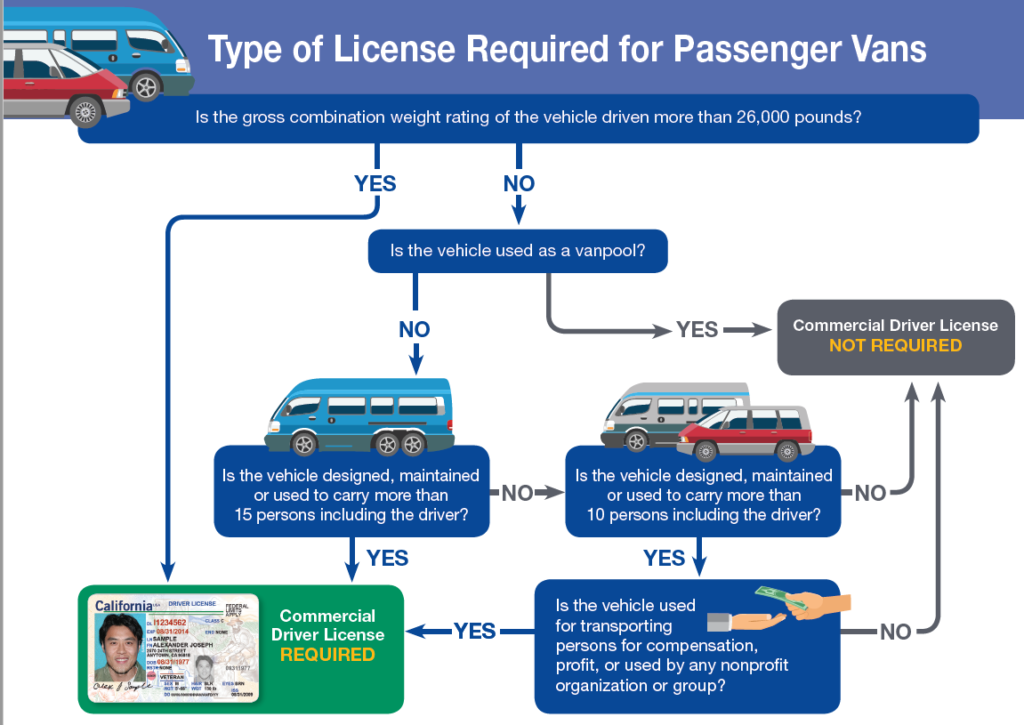
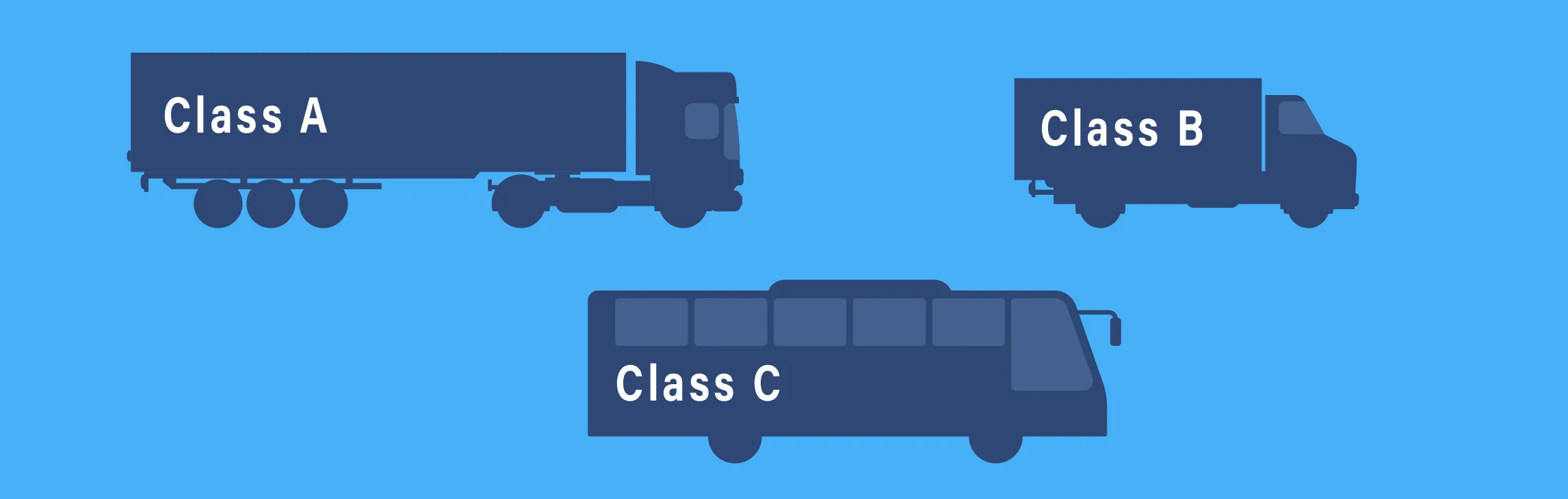
A Commercial Driver’s License (CDL) in California is categorized into Class A, B, and C, each permitting the operation of different types of vehicles. A Class B license is specifically for operating single vehicles with a gross vehicle weight rating (GVWR) of 26,001 pounds or more. It also allows the holder to tow a vehicle with a GVWR of 10,000 pounds or less. This is crucial for anyone looking to rent and drive larger recreational vehicles (RVs) for extended road trips across diverse terrains, from the scenic coastlines to the majestic mountains of the Sierra Nevada.
Beyond personal travel, a Class B license can be a valuable asset for those involved in the tourism industry. Imagine operating a small tour bus for local excursions, offering guided trips to Yosemite National Park or the wineries of Napa Valley. It can also be essential for businesses offering specialized transportation services, such as moving large equipment for events or providing shuttle services between hotels and attractions. For individuals seeking to transition into roles that blend a love for driving with the hospitality sector, a Class B license is often a prerequisite. This license empowers you to be more self-sufficient in your adventures, explore less accessible attractions, and potentially create unique tourism experiences.
Eligibility Requirements for a Class B License
Before diving into the application process, it’s vital to ensure you meet the fundamental eligibility criteria set forth by the California Department of Motor Vehicles (DMV). These requirements are in place to guarantee the safety of all road users and are standard across various commercial driving licenses.
- Age: You must be at least 18 years old to obtain a CDL. However, if you plan to drive a commercial vehicle across state lines, you must be at least 21 years old. This distinction is important for those considering cross-country travel or work.
- Residency: You must be a resident of California and provide proof of residency. This typically includes documents like utility bills, lease agreements, or bank statements.
- Valid Driver’s License: You must possess a valid, non-commercial driver’s license (Class C) for at least two years. This demonstrates a history of safe driving practices.
- Medical Examination: A crucial step for any CDL applicant is passing a physical examination administered by a certified medical examiner. This ensures you are healthy enough to operate large vehicles safely. You will need to obtain a Medical Examiner’s Certificate.
- Social Security Number: You will need to provide your Social Security number and potentially proof of citizenship or legal presence in the United States.
- Vision Standards: You must meet specific vision requirements. If you wear corrective lenses, you will need to have them noted on your driver’s record.
These initial hurdles are designed to establish your basic qualifications. Successfully navigating them is the first step toward unlocking the freedom and opportunities that a Class B license provides for your travel and lifestyle pursuits.
The Application Process: Step-by-Step
Obtaining a Class B license involves a series of deliberate steps, each requiring careful attention. This systematic approach ensures that you are well-prepared and meet all the necessary standards for safe commercial driving.
1. Obtain a Commercial Driver Instruction Permit (CDIP)
The first official step after meeting the eligibility requirements is to apply for a Commercial Driver Instruction Permit (CDIP). This is akin to a learner’s permit for commercial vehicles.
- Visit a California DMV Office: You will need to visit a local California DMV office. It’s advisable to schedule an appointment online to minimize wait times.
- Complete Application Forms: You will fill out the DL 44 (Driver License Application) and potentially other specific forms related to commercial licensing.
- Pass Vision and Knowledge Tests: At the DMV, you will undergo a vision screening and take a written knowledge test. The written test covers general knowledge of driving, air brakes, combination vehicles (if applicable for endorsements), and specific rules for commercial vehicles. The California Commercial Driver Handbook is an invaluable resource for preparing for this test. Familiarize yourself thoroughly with its contents, as it covers essential information for safe operation, maintenance, and emergency procedures.
- Pay Fees: There are application and testing fees associated with obtaining your CDIP.
Once you pass these tests, you will be issued a CDIP. This permit allows you to practice driving a commercial vehicle, but only when accompanied by a qualified CDL holder who is 25 years or older and holds the appropriate class of license.
2. Complete Commercial Driver Training
While not always mandatory for a Class B license in California, undertaking professional commercial driver training is highly recommended. These training programs offer structured learning, hands-on experience, and crucial preparation for the skills test.
- Choose a Reputable Driving School: Several accredited driving schools across California offer Class B training. Look for schools with good reputations, experienced instructors, and a comprehensive curriculum that includes both classroom instruction and behind-the-wheel practice.
- Curriculum: Training typically covers vehicle inspection, basic control maneuvers, defensive driving techniques, and specific skills needed for operating larger vehicles. Many programs also prepare you for the written and skills tests required for the actual CDL.
- Practice Hours: Consistent practice is key. The more time you spend behind the wheel with a qualified instructor, the more confident and proficient you will become. This is especially important when learning to maneuver larger vehicles in various traffic and parking scenarios, which can be quite different from driving a standard car.
This phase is critical for building the confidence and practical skills necessary to pass the rigorous skills test.
3. Pass the Commercial Driver Skills Test
The final hurdle to obtaining your Class B license is the Commercial Driver Skills Test. This is a comprehensive evaluation of your ability to safely operate a commercial vehicle.
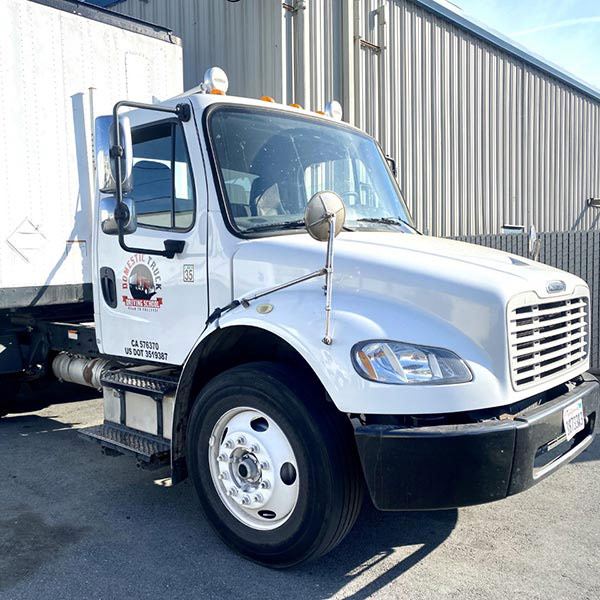
- Vehicle Requirements: You must provide a vehicle that meets the requirements for the Class B license you are seeking. This means bringing a vehicle with a GVWR of 26,001 pounds or more and capable of towing a trailer weighing 10,000 pounds or less (if you intend to get a towing endorsement). The vehicle must be properly registered and insured.
- Test Components: The skills test typically consists of three parts:
- Vehicle Inspection (Pre-trip Inspection): You will be required to perform a thorough inspection of the vehicle, checking everything from tires and brakes to lights and fluid levels. This demonstrates your understanding of vehicle maintenance and safety.
- Basic Control Skills: This section assesses your ability to control the vehicle in various maneuvers, such as backing up, turning, and parking in tight spaces.
- Road Test: This is the actual driving portion of the test, where you will drive the vehicle on public roads under various traffic conditions. The examiner will evaluate your ability to observe, signal, steer, brake, and operate the vehicle safely and in compliance with all traffic laws.
Upon successfully passing all three components of the skills test, you will be issued your Class B Commercial Driver License.
Endorsements and Restrictions: Customizing Your License for Travel Needs
Once you have obtained your basic Class B license, you may consider adding endorsements or understanding potential restrictions to tailor it to your specific travel and lifestyle needs. Endorsements are special authorizations that allow you to operate certain types of vehicles or carry specific types of cargo, while restrictions can limit the types of vehicles you can drive.
Common Endorsements for Travelers and Enthusiasts
- Passenger (P) Endorsement: This endorsement is essential if you plan to drive vehicles that carry passengers, such as buses. For those envisioning group tours to popular destinations like Disneyland or San Francisco, this is a must-have. Obtaining this endorsement involves passing an additional written test and a skills test specific to passenger-carrying vehicles.
- School Bus (S) Endorsement: If your interest lies in operating a school bus, whether for a school district or a private charter service, you will need this endorsement. The process is similar to the passenger endorsement, with a dedicated written and skills test.
- Hazardous Materials (H) Endorsement: While less common for general travel, this endorsement is crucial if your Class B vehicle is used to transport hazardous materials. This is usually applicable for commercial operations.
- Air Brakes (A) Restriction Removal: Most larger vehicles are equipped with air brakes, and you will need to demonstrate proficiency with them. If you take the skills test in a vehicle without air brakes, you will receive an “L” restriction on your license, prohibiting you from operating vehicles with air brakes. To remove this restriction, you must pass the air brakes portion of the skills test in a vehicle equipped with air brakes.
Understanding Restrictions
Restrictions are placed on a CDL for various reasons, often related to the type of vehicle used during the skills test or specific medical conditions. It’s vital to understand any restrictions on your license, as operating a vehicle outside of these limitations can have serious legal consequences. For instance, if you passed your skills test in a vehicle that was not equipped with air brakes, you will have a restriction on your license preventing you from driving vehicles with air brakes. To drive vehicles with air brakes, you would need to retake the skills test in a vehicle equipped with air brakes and pass the air brake portion of the test.
Class B for RV Enthusiasts
For RV enthusiasts looking to explore California in a larger motorhome that exceeds the weight limits of a standard Class C license, obtaining a Class B license can be a game-changer. This allows for greater freedom and the ability to drive more substantial, luxurious RVs, enhancing your accommodation and travel experiences. Imagine exploring national parks like Joshua Tree or the dramatic coastline of Big Sur in a spacious RV, offering comfort and flexibility comparable to staying in a boutique hotel or a charming villa, but with the entire state as your backyard.
Beyond the License: Embracing the Lifestyle of the Open Road
Obtaining a Class B license in California is more than just a procedural step; it’s an investment in a particular lifestyle. It’s about embracing the romance of the open road, the thrill of independent exploration, and the potential to create unique tourism experiences.
Enhancing Your Travel Adventures
With a Class B license, your travel horizons expand significantly. You can rent larger, more comfortable RVs that offer the amenities of a home away from home, transforming your journeys into rolling resorts. This allows for spontaneous detours to discover hidden gems off the beaten path, to experience local culture and cuisine in more remote areas, and to fully immerse yourself in the natural beauty of places like Death Valley National Park or the Redwood forests of Northern California. You can bypass the need for frequent hotel bookings, opting instead for serene campsites with breathtaking views, a truly immersive accommodation choice.
Opportunities in Tourism and Hospitality
For those with entrepreneurial spirits, a Class B license can unlock opportunities within the vibrant tourism sector of California. Imagine starting a niche tour company offering bespoke excursions to landmarks like the iconic Golden Gate Bridge or the historic missions dotted along the coast. You could offer shuttle services for small boutique hotels to transport guests to local attractions, or provide transportation for vineyard tours in the Santa Barbara wine region. The ability to drive larger vehicles also opens doors for event transportation, moving equipment for festivals, or providing services for corporate retreats, blending the logistical demands of business with the engaging nature of the travel industry.
Embracing a Lifestyle of Freedom and Exploration
Ultimately, obtaining a Class B license is about embracing a lifestyle defined by freedom, flexibility, and continuous exploration. It empowers you to be the master of your own journey, whether that means embarking on a leisurely cross-state adventure, participating in luxury travel experiences with a custom-outfitted vehicle, or building a small business centered around providing exceptional travel experiences for others. The skills and knowledge gained during the licensing process contribute not only to safe driving but also to a deeper appreciation for the infrastructure and mechanics that make travel possible, enriching every destination you visit and every experience you seek.
LifeOutOfTheBox is a participant in the Amazon Services LLC Associates Program, an affiliate advertising program designed to provide a means for sites to earn advertising fees by advertising and linking to Amazon.com. Amazon, the Amazon logo, AmazonSupply, and the AmazonSupply logo are trademarks of Amazon.com, Inc. or its affiliates. As an Amazon Associate we earn affiliate commissions from qualifying purchases.