
Navigating the process of registering a car in California can seem daunting, especially for newcomers. Whether you’ve just purchased a new vehicle, moved from another state, or are an international visitor bringing your wheels, understanding the requirements and steps is crucial to avoid fines and ensure you’re legally on Golden State roads. This comprehensive guide will break down the essentials, from gathering necessary documents to understanding fees and timelines, ensuring your California car registration is a smooth and hassle-free experience.
The California Department of Motor Vehicles (DMV) is the primary authority overseeing vehicle registration. They are responsible for issuing license plates, registration cards, and ensuring all vehicles operating in the state meet safety and emissions standards. It’s a vital step in integrating your vehicle into the California transportation system, much like booking the perfect accommodation for a trip to Disneyland or finding the best local eatery in San Francisco.

Understanding the Basics of California Car Registration
Before diving into the specific steps, it’s important to grasp some fundamental concepts. Vehicle registration in California serves several key purposes: it identifies the vehicle and its owner, verifies that the vehicle meets minimum safety and environmental standards, and allows the state to collect taxes and fees. The process can differ slightly depending on whether you are registering a new vehicle purchased in California, a used vehicle, or a vehicle brought in from out of state.
New Residents and Out-of-State Vehicles
If you’ve recently relocated to California, you generally have 20 days from the date you establish residency to register your vehicle with the DMV. This also applies if you’ve purchased a vehicle out of state and brought it into California. The DMV needs to ensure that your vehicle complies with California’s stringent emissions standards, which are often stricter than those in other states. This might involve a smog check, a crucial step for many out-of-state vehicles.
New Vehicle Purchases in California
When you purchase a new vehicle from a licensed California dealer, the dealer typically handles the initial registration process on your behalf. They will collect the necessary fees and paperwork and submit it to the DMV. You will receive temporary operating permits and then your official license plates and registration documents in the mail. However, it’s always wise to confirm with the dealership what the exact process and timeline will be.
Used Vehicle Purchases in California
If you buy a used vehicle within California, the responsibility of registration often falls on the buyer. You will need to transfer the title and complete the registration within 10 days of the purchase. This involves ensuring the previous owner has signed over the title and that you have all the necessary documentation to present to the DMV.
Essential Documents and Information You’ll Need
Successfully registering your car in California hinges on having the correct documentation. The DMV is meticulous about paperwork, so being prepared will save you time and frustration. Think of it like packing for a trip to Yosemite National Park – you wouldn’t want to forget your hiking boots or your map!
Proof of Ownership
This is arguably the most critical document. For a new vehicle, this will be the Manufacturer’s Certificate of Origin (MCO) or Manufacturer’s Statement of Origin (MSO). For used vehicles, it’s the vehicle’s title, properly signed over to you by the previous owner. If you have a lienholder (a bank or lender), their name and address will also be on the title. Ensure the title is clear and free of any discrepancies.
Proof of Insurance
California law requires all drivers to have proof of financial responsibility, which is typically met through liability insurance. You’ll need to provide a valid insurance card or policy declaration page showing that you have the minimum required coverage. This insurance must be from a DMV-approved insurance company.
Smog Certification
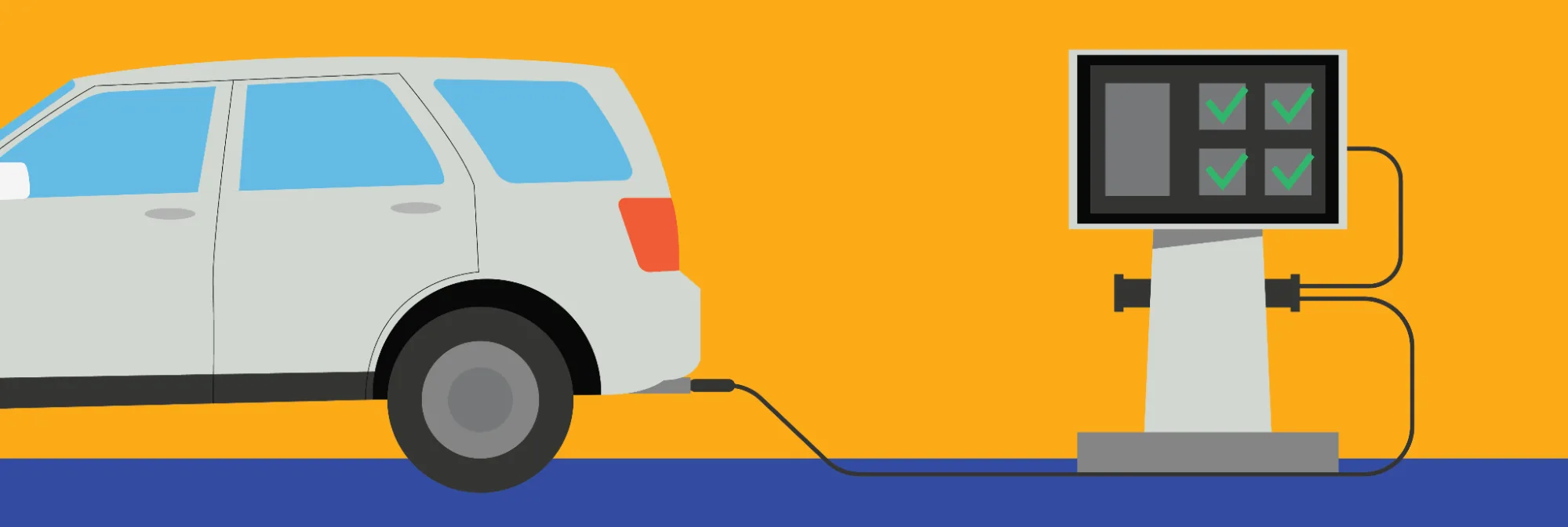
This is a significant requirement for most vehicles registering in California. Unless your vehicle is a recent model (typically less than four years old, or specific types of gasoline-powered vehicles over 8,500 pounds) or meets certain exemptions, you will need to obtain a smog inspection certificate from a licensed smog check station. The certificate confirms that your vehicle meets California’s emissions standards. You can find a list of licensed stations on the Bureau of Automotive Repair (BAR) website. This is similar to ensuring your itinerary is approved for a guided tour of Muir Woods National Monument.
Identification
You will need to present valid identification. This typically includes a driver’s license or another government-issued photo ID. If you are not a U.S. citizen, you may need to provide proof of legal presence in the United States.
Application for Title or Registration (REG 343)
This is the official form you’ll need to complete and submit to the DMV. It can be downloaded from the DMV website or obtained at a DMV office. Be sure to fill it out accurately and completely.
Vehicle Identification Number (VIN) Verification
For vehicles coming from out of state, a VIN inspection is often required. This is a visual inspection of the vehicle’s VIN to ensure it matches the documentation. This can often be done by a DMV employee, a law enforcement officer, or a licensed VIN verifier.

The Registration Process: Step-by-Step
Once you have all your ducks in a row, you can proceed with the registration process. While online options are increasing, some steps may still require an in-person visit.
Step 1: Obtain a Smog Check (If Required)
As mentioned, this is a critical first step for many. Take your vehicle to a licensed smog check station. If your vehicle passes, you’ll receive a smog certificate. If it fails, you’ll need to have it repaired and re-tested. Keep the certificate; you’ll need to present it to the DMV.
Step 2: Gather All Required Documents
Double-check that you have all the necessary paperwork: proof of ownership (title), proof of insurance, smog certification, identification, and the completed REG 343 form. For out-of-state vehicles, ensure your VIN verification is complete.
Step 3: Visit a California DMV Office or Use Online Services
You have a few options for submitting your registration application:
- In-Person Visit: Make an appointment at your local California DMV office. This is often the most efficient way, as you can complete the process in one visit. Be prepared for potential wait times, even with an appointment. You can find your nearest DMV office and schedule an appointment on the DMV website.
- Mail-In Registration: For certain types of transfers or renewals, you may be able to complete the process by mail. Check the DMV website for eligibility and instructions.
- Online Services: The DMV offers a growing range of online services, including online appointment scheduling and, in some cases, online renewal. However, initial registration of out-of-state vehicles or new purchases often requires an in-person visit or specific mail-in procedures.
Step 4: Pay Fees and Taxes
Vehicle registration involves various fees and taxes, including:
- Registration Fee: This is a base fee for registering your vehicle.
- Vehicle License Fee (VLF): This is an annual fee calculated based on the vehicle’s value.
- Sales and Use Tax: If you purchased the vehicle in California and have not paid sales tax, you will likely owe it during the registration process. If you purchased it out of state, you may owe California use tax.
- Other Fees: Depending on your vehicle and location, there might be additional fees, such as county-specific fees or fees for special plates.
The total cost can vary significantly based on the vehicle’s age, type, and value. The DMV website has a fee calculator to help you estimate these costs.
Step 5: Receive Your License Plates, Stickers, and Registration Card
Once your application is processed and fees are paid, you will receive your California license plates (if you don’t already have them), registration stickers to affix to your plates, and your official registration card. Keep the registration card in your vehicle at all times, as you will need to present it to law enforcement if requested.
Navigating Special Circumstances
The general process is straightforward, but some situations require special attention.
Moving from Another State
As mentioned, you have 20 days to register your vehicle after establishing residency. Beyond the documents already discussed, DMV may require a VIN inspection to confirm the vehicle’s identity and ensure it wasn’t stolen. You will also need to surrender your out-of-state license plates when you receive your new California plates.
Military Personnel
California offers some exemptions and special provisions for active-duty military personnel, particularly regarding residency and registration deadlines. It’s advisable to consult the DMV directly or review their specific guidelines for military members.
New Vehicle Purchases from Out-of-State Dealers
If you buy a new vehicle from a dealer outside of California and plan to register it in California, you will still need to go through the DMV process. You will likely need to pay California use tax and obtain a smog certification, even if the vehicle is new.
Custom or Kit Cars
Registering custom-built vehicles or kit cars can be more complex, as they may not have a standard MCO or title. The DMV has specific procedures for these types of vehicles, often involving extensive inspections and paperwork.
By understanding these steps and requirements, you can confidently navigate the process of registering your car in California, ensuring you are compliant and ready to explore all the wonders the state has to offer, from the vineyards of Napa Valley to the beaches of Southern California. Remember to always check the official California DMV website for the most up-to-date information and forms, as regulations can change.
LifeOutOfTheBox is a participant in the Amazon Services LLC Associates Program, an affiliate advertising program designed to provide a means for sites to earn advertising fees by advertising and linking to Amazon.com. Amazon, the Amazon logo, AmazonSupply, and the AmazonSupply logo are trademarks of Amazon.com, Inc. or its affiliates. As an Amazon Associate we earn affiliate commissions from qualifying purchases.