
The allure of bright lights, the suspense of the roulette wheel, and the strategic thrill of poker tables often draw travelers to destinations renowned for their vibrant casino scenes. However, for those looking to experience this particular brand of entertainment within the borders of the Lone Star State, the answer to “Are there casinos in Texas?” is more complex than a simple yes or no. Texas, known for its vast landscapes, rich history, and fierce independent spirit, maintains some of the strictest gambling laws in the United States. This creates a unique landscape for both residents and visitors eager to test their luck.
Unlike neighboring states, Texas does not host a multitude of commercial casinos. The state constitution and subsequent legislation largely prohibit most forms of gambling, a stance deeply rooted in its conservative legal framework. Yet, a few exceptions exist, primarily through the sovereign rights of federally recognized Native American tribes and the intriguing legal loophole of “cruises to nowhere.” This article delves into the nuances of gambling in Texas, exploring the limited options available, examining the robust casino industries in nearby states, and peering into the ongoing legislative debates that could potentially reshape the future of gambling in this colossal state. Whether you’re a seasoned gambler or a curious traveler, understanding the legalities and available avenues is key to navigating the unique gambling environment that defines Texas.
The Lone Star State’s Stance on Gambling
Texas’s approach to gambling is a testament to its deeply ingrained legal and cultural conservatism. While many states have embraced the economic benefits of legalized gambling, Texas has largely held firm, resulting in a landscape that’s distinct from its more permissive neighbors.
A History of Prohibition
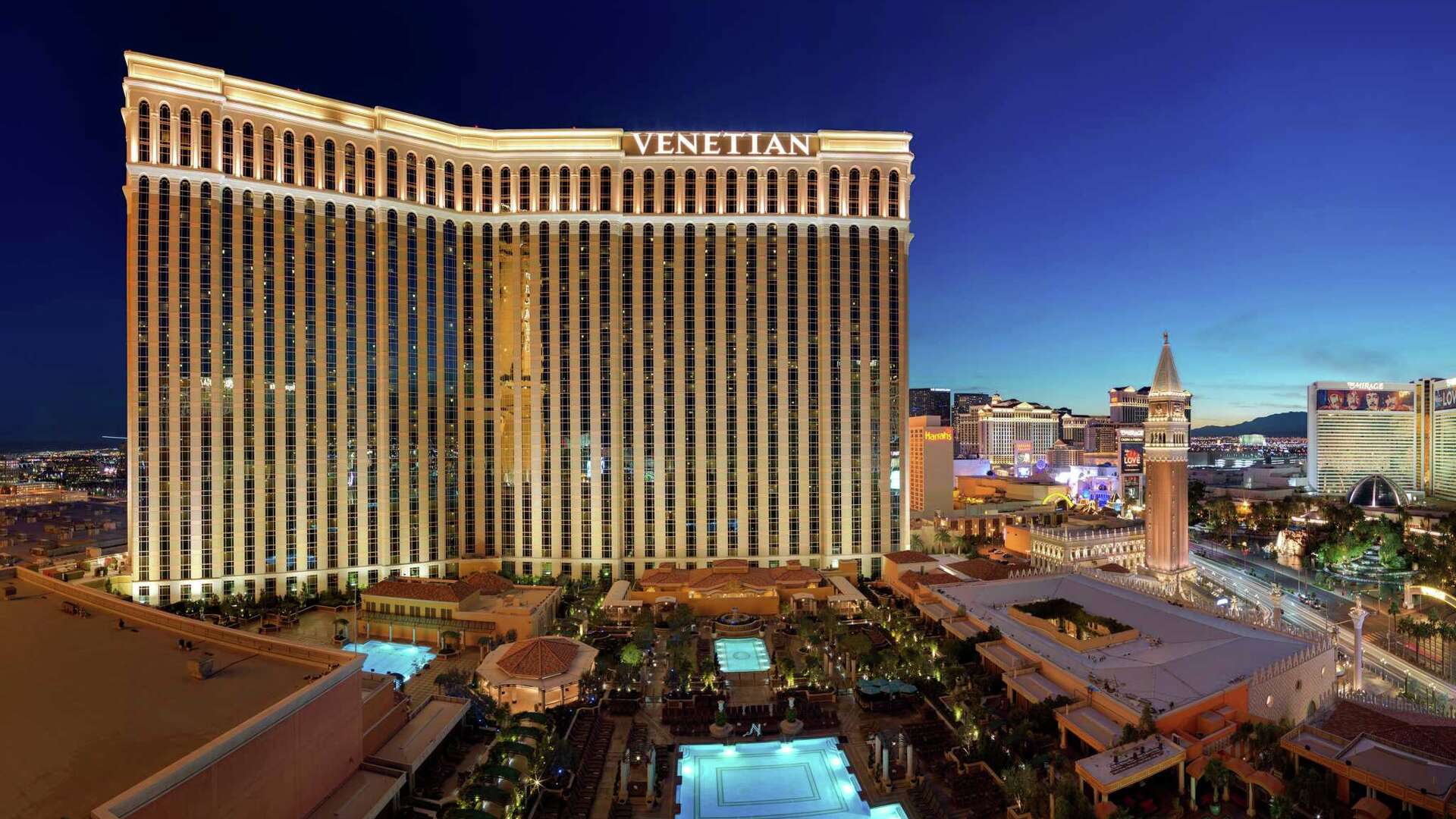
The foundational legal document of Texas, its state constitution, explicitly prohibits most forms of gambling. This prohibition dates back decades and has been a cornerstone of the state’s jurisprudence. Over the years, numerous attempts have been made by various groups, including powerful casino operators and pro-gambling advocates, to introduce legislation that would expand legal gambling options. These efforts often highlight the potential for significant state revenue, job creation, and increased tourism, appealing to the economic development aspect of the state. Prominent entities, such as Las Vegas Sands, have notably invested substantial resources into lobbying efforts, aiming to influence lawmakers and public opinion in favor of commercial casinos, particularly in major metropolitan areas like Dallas and Houston.
Despite these persistent campaigns, conservative opposition, often citing concerns about potential social ills associated with gambling addiction and crime, has historically prevailed. The legislative sessions in Austin frequently see gambling-related bills introduced, debated, and ultimately, defeated or stalled in committee. This consistent pattern underscores the deeply entrenched cultural and political divide on the issue, making any significant shift in Texas’s gambling laws a slow and arduous process. The state’s strict stance means that, for the most part, traditional commercial casinos as seen in Las Vegas or Atlantic City remain a distant dream for many Texans.
Defining “Gambling” in Texas Law
Understanding what is and isn’t allowed in Texas requires a closer look at the precise legal definitions. The state’s Penal Code outlines what constitutes illegal gambling, generally prohibiting games of chance or skill for money or anything of value, where the “house” takes a cut or there’s a professional gambler involved.
However, several specific exceptions have been carved out:
- Texas Lottery: Established in 1991, the Texas Lottery is a state-run enterprise that generates billions in revenue, primarily for public education. It offers various draw games and scratch tickets, operating under a specific constitutional amendment that exempts it from general gambling prohibitions.
- Pari-Mutuel Wagering: Betting on horse and greyhound racing is legal at licensed racetracks across the state. This form of betting, where all wagers are placed into a pool and shared among winners, is regulated by the Texas Racing Commission. Venues like Sam Houston Race Park in Houston and Lone Star Park in Grand Prairie offer live racing and simulcast betting.
- Charitable Bingo: Non-profit organizations are permitted to conduct bingo games to raise funds for their charitable causes, subject to strict regulations and licensing by the Texas Lottery Commission.
- Social Gambling: This is a crucial, albeit limited, exception. The law allows for gambling in a private place where no person receives any economic benefit other than personal winnings, the risks of winning or losing are shared equally, and the gambling is not conducted in a “professional” manner. This generally permits casual poker games among friends or family, provided no one is acting as a house or taking a rake. However, even these seemingly innocuous activities can cross into illegality if certain conditions are not met, highlighting the stringent nature of Texas’s gambling statutes.
These exceptions are narrowly defined, and any activity falling outside these parameters is considered illegal, often carrying significant penalties.
Navigating the Limited Casino Landscape in Texas
Despite the general prohibition, there are indeed places where one can experience casino-style gambling within or just off the shores of Texas. These opportunities arise from unique legal circumstances rather than widespread commercial legalization.
Tribal Gaming: Sovereign Exceptions
The most significant exception to Texas’s strict gambling laws comes from its federally recognized Native American tribes. Under the Indian Gaming Regulatory Act (IGRA) of 1988, tribes can operate gaming facilities on their sovereign lands, often independent of state laws, provided they negotiate compacts with the state. Texas has three federally recognized tribes, and each has its own history and current status regarding gaming:
-
Alabama-Coushatta Tribe of Texas: Located near Livingston in East Texas, the Alabama-Coushatta Tribe of Texas operates Naskila Gaming. This facility primarily offers Class II gaming, which includes bingo-style electronic machines. These machines often look and feel like traditional slot machines, but their outcomes are based on bingo games played against other players rather than a random number generator. Naskila Gaming provides a vibrant entertainment venue, including dining options and live music, making it a destination for those seeking a casino-like experience without crossing state lines. The tribe has faced legal challenges from the state regarding the scope of its gaming, reflecting the ongoing tension between tribal sovereignty and state law.
-
Kickapoo Traditional Tribe of Texas: This tribe operates the Kickapoo Lucky Eagle Casino Hotel in Eagle Pass, along the border with Mexico. Uniquely, Kickapoo Lucky Eagle Casino Hotel is the only Class III gaming facility in Texas. Class III gaming encompasses traditional casino games such as slot machines, blackjack, poker, and roulette. This makes it the closest experience to a full-fledged commercial casino available within Texas borders. The sprawling resort offers a wide array of gaming options, multiple restaurants, and a hotel, making it a comprehensive destination for entertainment and accommodation. Its success highlights the demand for such facilities and draws visitors from across the state and beyond, contributing significantly to the local economy of Eagle Pass.
-
Ysleta del Sur Pueblo: Near El Paso in West Texas, the Ysleta del Sur Pueblo operates the Speaking Rock Entertainment Center. Like Naskila Gaming, Speaking Rock Entertainment Center primarily offers Class II gaming machines and bingo. The facility also features live music, dining, and other entertainment options, establishing itself as a key attraction in the El Paso area. The tribe has a long history of legal battles with the state over the scope of its gaming, with the facility’s operations evolving based on court rulings and legislative actions. Currently, it operates within the framework of Class II gaming, providing a distinct, albeit limited, casino experience.
These tribal casinos represent a fascinating intersection of sovereign rights, state law, and economic development, offering the only land-based casino options for those seeking gambling entertainment in Texas.
Gambling Cruises: A Loophole on the High Seas
Another intriguing avenue for gambling in Texas comes in the form of “cruises to nowhere.” These aren’t traditional vacation cruises but rather short excursions into international waters, where federal and international laws supersede state gambling prohibitions.
Several companies have historically offered these casino cruise ships, primarily departing from Texas ports like Galveston and Freeport. While an operator like Jacks or Better Casino Cruises which once sailed from Port Aransas is no longer operational, the concept continues to be explored by others. Passengers board the ship, enjoy dining, entertainment, and a fully functional casino with slot machines, table games (like blackjack, poker, and craps), and roulette. Once the ship crosses the 12-mile international boundary in the Gulf of Mexico, the casino opens for business.
These cruises offer a complete casino experience, albeit for a limited duration, usually a few hours to a full day. They appeal to travelers looking for a unique outing or a quick gambling fix without the need to travel to another state. For cities like Galveston and Freeport, these cruises contribute to local tourism, bringing visitors who might also explore other attractions, restaurants, and accommodation options in these coastal communities before or after their maritime adventure. The availability of these cruises, though subject to regulatory changes and market demand, provides a clever workaround to Texas’s strict gambling prohibitions.

Beyond Texas Borders: Nearby Casino Destinations
For Texans seeking a more extensive and traditional casino experience, or those visiting the region and looking for robust gambling options, the most practical solution often involves a short trip across state lines. Texas’s neighbors, particularly Louisiana and Oklahoma, have embraced legalized gambling, offering a plethora of casinos and resorts that cater to every taste and budget.
Louisiana: A Neighboring Gambling Hub
To Texas’s east, Louisiana stands as a beacon for casino enthusiasts. Its proximity makes it a popular destination for Texans, especially those residing in Houston, Dallas, and Beaumont. Louisiana boasts a diverse range of gambling establishments, including riverboat casinos, land-based casinos, and racinos.
Key casino cities in Louisiana include:
- Lake Charles: Often referred to as “Louisiana’s Playground,” Lake Charles is a mere two-hour drive from Houston and hosts some of the most luxurious casino resorts in the South. Popular choices include the Golden Nugget Lake Charles Hotel & Casino and L’Auberge Casino Resort. These resorts offer expansive gaming floors with thousands of slot machines and numerous table games, luxury hotels, spas, golf courses, diverse dining options, and vibrant nightlife, providing a complete upscale travel experience.
- Shreveport / Bossier City: Located in northern Louisiana, just a short drive from Dallas and Fort Worth, this twin-city area is home to several prominent riverboat casinos. The Margaritaville Resort Casino, Horseshoe Bossier City, and Sam’s Town Hotel & Casino are among the popular choices, offering a mix of gaming, entertainment, and accommodation options.
- New Orleans: While a bit further for most Texans, the vibrant city of New Orleans offers a unique gambling experience with the Harrah’s New Orleans Hotel & Casino, a sprawling land-based casino in the heart of the city, along with several smaller gaming venues. Combining a visit to the historic French Quarter with a casino trip makes for an unforgettable travel itinerary.
Louisiana’s robust casino industry provides Texans with diverse choices, from luxury resorts to more casual gaming halls, making it an ideal destination for a casino-focused getaway or as part of a broader travel experience.
Oklahoma: The Casino Capital of the Plains
To Texas’s north, Oklahoma has established itself as one of the largest tribal gaming markets in the United States. With over 100 casinos operated by various Native American tribes, Oklahoma offers an unparalleled array of gambling opportunities, particularly accessible for residents of Dallas, Fort Worth, and other North Texas cities.
The sheer volume and scale of Oklahoma’s casinos are impressive:
- WinStar World Casino and Resort: Located in Thackerville, just over the border from North Texas, WinStar World Casino and Resort holds the distinction of being one of the largest casinos in the world. Its vast gaming floor is divided into “city” themed plazas, offering an enormous selection of slot machines, electronic games, and table games. Beyond gambling, WinStar World Casino and Resort is a full-service resort with multiple hotel towers, a golf course, spa, numerous restaurants, and a large entertainment venue that hosts world-renowned performers. It is a premier lifestyle destination for many Texans seeking a comprehensive casino resort experience.
- Choctaw Casino & Resort Durant: Also conveniently located near the Texas border, the Choctaw Casino & Resort Durant offers another expansive and luxurious option. It features a large casino floor, a hotel with thousands of rooms, a spa, an aquatic center, bowling alley, and numerous dining and entertainment venues. This makes it a popular choice for family trips that can include adult gaming alongside other recreational activities.
- Other Notable Casinos: Throughout Oklahoma, from the Oklahoma City metroplex to Tulsa and beyond, numerous other tribal casinos provide varied gaming experiences. Examples include the Riverwind Casino near Oklahoma City, the Hard Rock Hotel & Casino Tulsa, and countless smaller, local casinos catering to different segments of the market.
The abundance of casinos in Oklahoma, combined with their proximity to major Texas population centers, makes it an incredibly popular destination for Texans seeking diverse gambling entertainment, often just a short drive away.
The Future of Gambling in Texas
The discussion surrounding gambling in Texas is far from settled. The unique legal landscape and the significant economic activity generated by casinos in neighboring states continue to fuel a vigorous debate within the Lone Star State.
Recurring Legislative Debates
Every legislative session in Austin brings renewed efforts to expand gambling in Texas. Proponents of commercial casinos, often backed by powerful gaming companies like Las Vegas Sands, advocate for the legalization of destination resorts in major cities. Their arguments center on several key points:
- Revenue Generation: Legalized commercial casinos could generate billions of dollars in new tax revenue for the state, which could be allocated to public education, infrastructure projects, or property tax relief.
- Job Creation: The construction and operation of large-scale casino resorts would create tens of thousands of jobs, ranging from construction workers to hospitality staff, chefs, and entertainment professionals.
- Tourism Boost: World-class casino resorts would attract domestic and international tourists, enhancing Texas’s status as a premier travel destination. These integrated resorts could offer much more than just gambling, including convention spaces, luxury hotels, high-end shopping, and entertainment venues, aligning perfectly with the broad themes of travel, accommodation, and lifestyle.
- Keeping Money in Texas: A substantial amount of money currently leaves Texas for casinos in Louisiana and Oklahoma. Legalizing casinos within the state would theoretically retain this revenue for the benefit of Texans.
Conversely, strong opposition continues to come from conservative groups, religious organizations, and some lawmakers. Their concerns typically include:
- Social Costs: Fears of increased gambling addiction, associated crime rates, and potential negative impacts on families and communities.
- Moral Objections: A principled stance against gambling, viewing it as a vice that should not be sanctioned or promoted by the state.
- Preservation of Texas Values: A desire to maintain the state’s traditional, conservative values and resist what is perceived as the encroachment of a less desirable industry.
These arguments ensure that any legislative attempt to legalize commercial casinos faces an uphill battle, often requiring a constitutional amendment, which necessitates a two-thirds vote in both the Texas House of Representatives and Texas Senate, followed by approval from Texas voters. This high bar makes comprehensive gambling reform a challenging prospect.
Potential Economic Impact and Tourism Boost
Should Texas ever decide to legalize commercial casinos, the economic and tourism impacts would be monumental. Given its vast population (the second-largest in the United States) and its status as a major business and travel hub, Texas has the potential to become one of the largest gaming markets in the country.
Imagine multi-billion-dollar integrated resorts similar to those found in Las Vegas or Singapore establishing themselves in Dallas, Houston, San Antonio, or Austin. These would not only offer extensive gambling floors but also feature:
- Luxury Hotels and Accommodation: World-class suites, resorts, and convention centers capable of hosting major events, drawing both leisure and business travelers.
- Diverse Entertainment: Concert venues, theaters, nightclubs, and family-friendly attractions that cater to a wide demographic, enhancing the overall lifestyle appeal of Texas.
- Gourmet Dining and Retail: High-end restaurants by celebrity chefs and luxury shopping experiences, boosting local culture and food tourism.
- Enhanced Infrastructure: Significant investment in local infrastructure to support these large-scale developments, potentially improving transportation and public services.
Such developments would transform Texas into an even more formidable destination for travel and tourism, attracting visitors who currently bypass the state for gaming options elsewhere. The state’s existing landmarks and attractions could be complemented by these new entertainment hubs, creating comprehensive travel guides and experiences for a global audience. While the path to legalized commercial casinos is fraught with political hurdles, the potential rewards in terms of revenue, jobs, and an elevated tourism profile ensure that the debate will continue to be a prominent feature of Texas politics for years to come.
In conclusion, while Texas maintains a conservative stance on gambling, limited casino options do exist through sovereign tribal nations and offshore cruises. For those seeking extensive casino resort experiences, neighboring Louisiana and Oklahoma offer readily accessible and vibrant alternatives. The ongoing debate within Texas about the future of gambling reflects a tension between tradition and economic opportunity, leaving the door open for potential changes that could one day bring a new dimension to the Lone Star State’s diverse array of attractions. For now, careful planning and an understanding of the state’s unique legal framework are essential for any traveler hoping to enjoy casino entertainment in or near Texas.
LifeOutOfTheBox is a participant in the Amazon Services LLC Associates Program, an affiliate advertising program designed to provide a means for sites to earn advertising fees by advertising and linking to Amazon.com. Amazon, the Amazon logo, AmazonSupply, and the AmazonSupply logo are trademarks of Amazon.com, Inc. or its affiliates. As an Amazon Associate we earn affiliate commissions from qualifying purchases.