
The vastness of the United States is a source of constant fascination, and few questions encapsulate this grand scale quite like “How far is California from Maryland?” These two iconic states, representing the sun-drenched Pacific coast and the historic Atlantic seaboard, respectively, are separated by a significant geographical expanse. Understanding this distance is crucial for anyone planning a cross-country adventure, whether by car, plane, or even contemplating a more leisurely journey. The sheer mileage is only the beginning of the story; it’s the experiences, the landscapes, and the diverse cultures encountered along the way that truly define the journey between these two distinct American treasures.
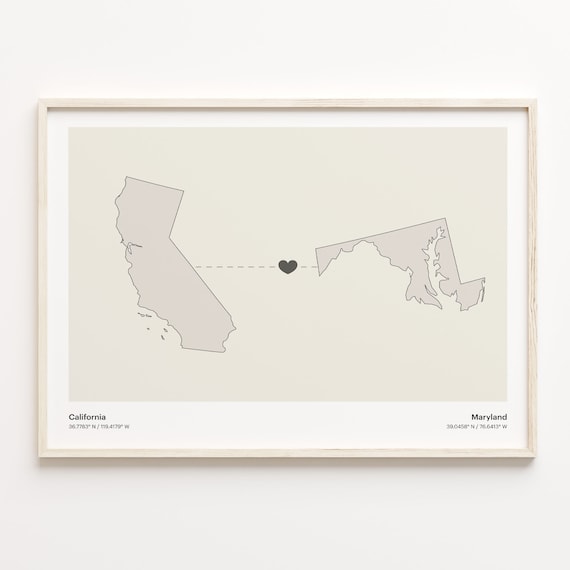
Understanding the Continental Divide: Distance and Travel Time
The most direct answer to “How far is California from Maryland?” involves understanding the primary modes of travel and their associated distances and times. These two states are not just geographically distant; they represent fundamentally different experiences of the American landscape. California, with its sprawling coastline, iconic cities like Los Angeles and San Francisco, and natural wonders such as Yosemite National Park, beckons with dreams of sunshine and innovation. Maryland, on the other hand, embodies a rich tapestry of American history, from the colonial era in Annapolis to the bustling harbor of Baltimore, and its proximity to the nation’s capital, Washington D.C.
Driving Distances and Scenic Routes
Embarking on a road trip from Maryland to California is an epic undertaking, a quintessential American adventure. The most common driving routes typically span between 2,800 and 3,200 miles, depending on the specific starting and ending points within each state and the chosen path. For instance, driving from Baltimore, Maryland, to Los Angeles, California, might cover approximately 2,900 miles. This journey is not merely about covering ground; it’s about experiencing the diverse geography of the United States.
The most popular cross-country routes often utilize major interstates like Interstate 80 or Interstate 70, which offer a relatively direct path. However, the true allure of a road trip lies in the opportunity to deviate and explore. Travelers might choose to route through the majestic Rocky Mountains, perhaps stopping in states like Colorado to witness the grandeur of the peaks, or through the vast plains of the Midwest, experiencing the heartland of America. Detours could lead to iconic landmarks such as the Gateway Arch in St. Louis, Missouri, or the unique landscapes of the Badlands National Park in South Dakota.
The duration of such a drive is as variable as the routes themselves. A dedicated driver, pushing for speed, might complete the journey in 40-5 days, averaging 8-10 hours of driving per day. However, for a more immersive experience, allowing 1-2 weeks is highly recommended. This extended timeframe permits exploration of national parks, historic sites, and charming small towns that dot the American landscape. Imagine spending a day hiking in the Grand Canyon National Park in Arizona, or exploring the vibrant music scene in Nashville, Tennessee. The stops along the way transform a simple transit into a memorable travel experience.
Accommodation along the way can range from budget-friendly motels and roadside inns to more comfortable hotels. Cities like Denver, Colorado, Kansas City, Missouri, and Salt Lake City, Utah, offer a plethora of lodging options, from familiar chains to boutique hotels. Planning stops in advance, especially for popular destinations or during peak travel seasons, is advisable.
The Speed of Flight: Connecting Coasts
For those with time constraints or a preference for efficiency, flying is the undeniable champion for traversing the distance between Maryland and California. Direct flights from major airports in Maryland, such as Baltimore/Washington International Thurgood Marshall Airport (BWI) or Ronald Reagan Washington National Airport (DCA), to major California hubs like Los Angeles International Airport (LAX) or San Francisco International Airport (SFO), typically have a flight time of around 5.5 to 6.5 hours.
This duration represents the actual time spent airborne. When factoring in travel to and from airports, check-in procedures, security screenings, and potential delays, the total travel time from door-to-door can easily extend to 9-12 hours. Nevertheless, it remains the most expedient way to bridge the thousands of miles that separate these states.
Airlines such as American Airlines, United Airlines, and Southwest Airlines offer numerous daily flights on this popular route. The cost of airfare can fluctuate significantly based on booking time, season, and demand. Booking several months in advance often secures more favorable prices, especially for leisure travel during holiday periods.
When considering the ultimate destination within California, the flight time may vary slightly. Flying into San Diego International Airport (SAN) or Oakland International Airport (OAK) will add or subtract a small amount of time compared to LAX or SFO. Similarly, if departing from a smaller airport in Maryland, additional time will be needed for connections or longer travel to a major hub. The convenience of air travel allows for quick transitions, enabling a traveler to start their California exploration shortly after arriving.
Train Travel: A Leisurely Perspective
While less common for such a vast distance, train travel across the United States offers a unique and nostalgic perspective, albeit a much slower one. Amtrak operates transcontinental routes that could, with multiple transfers, connect Maryland to California. This journey would not be a direct line and would involve significant layovers and changes in trains.
A typical train journey from the East Coast to the West Coast could easily take 3 to 4 days, and sometimes longer, depending on the specific route and connections. For example, one might take a train from Washington D.C. (a short journey from Maryland) to Chicago, Illinois, then transfer to a train heading west, such as the California Zephyr which travels through the Rocky Mountains to Emeryville, California, near San Francisco.
The appeal of train travel lies in the opportunity to relax, enjoy the changing scenery, and experience the rhythm of the country at a more deliberate pace. Passengers can book coach seats for a more budget-friendly experience or opt for private rooms, including sleepers and diners, which offer a more comfortable and immersive travel experience. Dining cars provide meals with panoramic views, and observation cars offer unparalleled vistas of the passing landscape.
While the time investment is substantial, train travel can be an attractive option for those who prioritize the journey itself over the destination. It’s an opportunity to disconnect from the rush of modern life and reconnect with the vastness of the American continent. Booking in advance is highly recommended, as sleeper accommodations, in particular, can sell out quickly.
Experiencing the Journey: Beyond the Miles
The question of “How far is California from Maryland?” is not just about statistics; it’s about the rich tapestry of experiences that lie between these two distinct American regions. The journey offers a microcosm of the United States itself, showcasing its diverse landscapes, vibrant cultures, and historical significance. Whether you choose the open road, the swift skies, or the rhythmic rails, each mode of travel presents a unique lens through which to appreciate the sheer scale and beauty of the country.
Iconic Landmarks and Natural Wonders
As one travels from Maryland to California, the shift in scenery is dramatic and captivating. Maryland, with its proximity to the Appalachian Mountains, offers rolling hills and a rich historical landscape, including the picturesque Chesapeake Bay. As you venture westward, you’ll traverse the vast plains of the Midwest, witness the majestic peaks of the Rocky Mountains, and then descend into the arid beauty of the Southwest before finally reaching the dramatic coastlines of California.
Along any cross-country route, countless landmarks and natural wonders beckon. In the Midwest, one might visit Mount Rushmore National Memorial in South Dakota, a colossal monument carved into the granite face of Mount Rushmore. Further west, the geological marvels of Arches National Park in Utah, with its surreal sandstone formations, or the breathtaking expanse of the Grand Canyon National Park in Arizona, are absolute must-sees.
California itself is a treasure trove of natural beauty. From the towering redwood forests of Northern California to the sun-drenched beaches of Southern California, the state offers a diverse range of environments. Yosemite National Park is renowned for its granite cliffs, waterfalls, and ancient sequoias, while Death Valley National Park showcases a stark, arid beauty with the lowest elevation in North America.
Cultural Contrasts and Culinary Adventures
The cultural and culinary landscapes of Maryland and California are as distinct as their geographical locations. Maryland is steeped in American history, with a heritage that includes colonial towns, maritime traditions along the Chesapeake Bay, and a strong connection to the culinary delights of seafood, particularly its famous blue crabs. Cities like Annapolis offer a glimpse into nautical history, while Baltimore boasts a vibrant arts scene and a rich industrial past.
As you travel westward, you’ll encounter the diverse cultures of the American heartland and the Southwest. The culinary scene shifts from the comfort foods of the East to the hearty fare of the Midwest and the distinct flavors of Tex-Mex and Southwestern cuisine in states like Texas and New Mexico.
California, a melting pot of cultures, offers an unparalleled culinary experience. Its diverse population has fostered a global food scene, from authentic Mexican street food and innovative Asian fusion to farm-to-table dining and world-class wineries in regions like Napa Valley and Sonoma County. The state is also a hub for innovation and trendsetting, reflected in its food culture. Whether you’re craving fresh seafood on the coast, authentic sourdough in San Francisco, or innovative plant-based cuisine in Los Angeles, California offers a gastronomic adventure.
Planning Your Cross-Country Experience
Regardless of your chosen mode of transportation, meticulous planning is essential for a successful and enjoyable journey from Maryland to California. Understanding the distance is only the first step; it’s the logistical details that bring the journey to life.
For road trippers, creating a detailed itinerary is paramount. This includes mapping out daily driving distances, identifying potential overnight stops, and booking accommodations in advance, especially in popular tourist areas or national parks. Vehicle maintenance is also critical; ensuring your car is in excellent condition for thousands of miles of driving is a non-negotiable safety measure. Packing essentials, from emergency kits and navigation tools to comfortable clothing and entertainment, will enhance the experience.
For air travelers, booking flights early, comparing prices across different airlines, and considering travel insurance can help manage costs and provide peace of mind. Understanding baggage allowances and airport procedures will streamline the process. While the flight itself is brief, planning for transportation upon arrival in California—whether it’s a rental car, ride-sharing services, or public transport—is crucial for seamless onward travel.
Train travelers should book their tickets well in advance, particularly for sleeper accommodations, and familiarize themselves with Amtrak’s services and policies. Planning for meals and entertainment during the multi-day journey is also important. The slower pace of train travel allows for more flexibility in exploring brief stops at various stations, but it’s wise to have a general idea of potential points of interest.
Ultimately, the distance between California and Maryland is a gateway to an unforgettable exploration of the United States. It’s a journey that promises diverse landscapes, rich cultural encounters, and a profound appreciation for the breadth and beauty of the American continent. By understanding the distances and planning thoughtfully, travelers can transform this cross-country passage into a truly enriching adventure.
LifeOutOfTheBox is a participant in the Amazon Services LLC Associates Program, an affiliate advertising program designed to provide a means for sites to earn advertising fees by advertising and linking to Amazon.com. Amazon, the Amazon logo, AmazonSupply, and the AmazonSupply logo are trademarks of Amazon.com, Inc. or its affiliates. As an Amazon Associate we earn affiliate commissions from qualifying purchases.