
The vastness of the United States is a defining characteristic, offering an incredible diversity of landscapes, cultures, and experiences across its many states. For many travelers, understanding the distances between these distinct regions is a crucial first step in planning an unforgettable journey. This is particularly true when considering a cross-country adventure, such as traversing from the Great Lakes State of Michigan to the sun-drenched shores of California. The question, “How far is Michigan from California?” might seem straightforward, but the answer reveals a complex interplay of geography, transportation methods, and the very nature of travel itself.
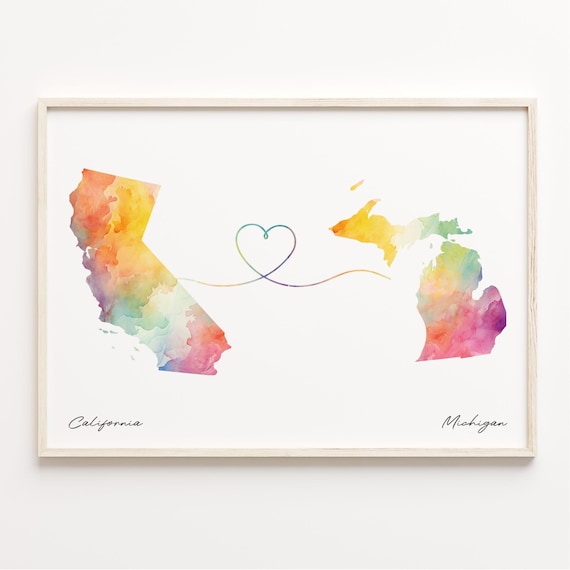
Understanding the Distance: A Tale of Two Coasts
At its core, the distance between Michigan and California is a significant one, reflecting their positions on opposite ends of the continental United States. These two states, though part of the same nation, are worlds apart in terms of climate, topography, and even their defining characteristics. Michigan, known for its pristine freshwater coastlines along the Great Lakes, its automotive heritage in Detroit, and its verdant forests, contrasts sharply with California’s iconic Pacific Ocean beaches, sprawling metropolises like Los Angeles and San Francisco, and diverse natural wonders ranging from deserts to towering mountains.
By Road: The Iconic American Road Trip
For many, the quintessential way to experience the breadth of the United States is by car. A road trip from Michigan to California is an epic undertaking, a chance to witness the changing landscapes and experience the heartland of America. The actual mileage can vary depending on the specific starting and ending points within each state. For instance, driving from the eastern edge of Michigan, perhaps near Detroit, to a coastal city in Southern California, like San Diego, typically covers a distance of around 2,200 to 2,500 miles.
The journey is not merely about the miles covered but the experiences accumulated along the way. A common route might involve heading west through states like Illinois, Iowa, and Nebraska, before venturing through the majestic landscapes of the Rocky Mountains in states such as Colorado or Wyoming. Further west, the journey could take you through the stark beauty of the desert Southwest, crossing states like Utah, Arizona, or Nevada before finally reaching the golden state of California.
This road trip experience is deeply intertwined with the spirit of travel, offering ample opportunities to explore roadside attractions, delve into local tourism hotspots, and discover hidden gems. Planning such a trip requires careful consideration of accommodation, from charming motels to unique boutique hotels, and an understanding of the lifestyle choices one wishes to make – be it budget-friendly camping or more luxurious resorts. The duration of such a drive can range from a brisk 35-40 hours of pure driving time to several days or even weeks, allowing for exploration of significant landmarks and cultural experiences.
Navigating the Routes: Key Interstates and Scenic Byways
Several major interstate highways form the backbone of this transcontinental journey. Interstate 80 (I-80) is a popular choice, stretching all the way from near the Atlantic Ocean to near the Pacific Ocean. Starting in Michigan, one would likely connect to I-80 from another interstate, such as I-90 or I-70, depending on the specific starting point. For instance, a traveler from Chicago (a major hub accessible from much of Michigan) can directly access I-80 heading west.
Alternatively, a route utilizing Interstate 70 (I-70) offers a more southerly passage through the heart of the country, passing through states like Missouri, Kansas, and into the scenic beauty of the Rocky Mountains. This route eventually connects to major California freeways, leading to destinations like Denver and further west towards the coast.
Beyond the major interstates, a truly immersive road trip might involve exploring the vast network of U.S. highways and scenic byways. These lesser-traveled paths often lead to unique attractions, small towns with distinct local culture, and breathtaking natural landscapes not typically visible from the interstate. This approach aligns perfectly with a lifestyle that prioritizes discovery and authentic experiences over speed.
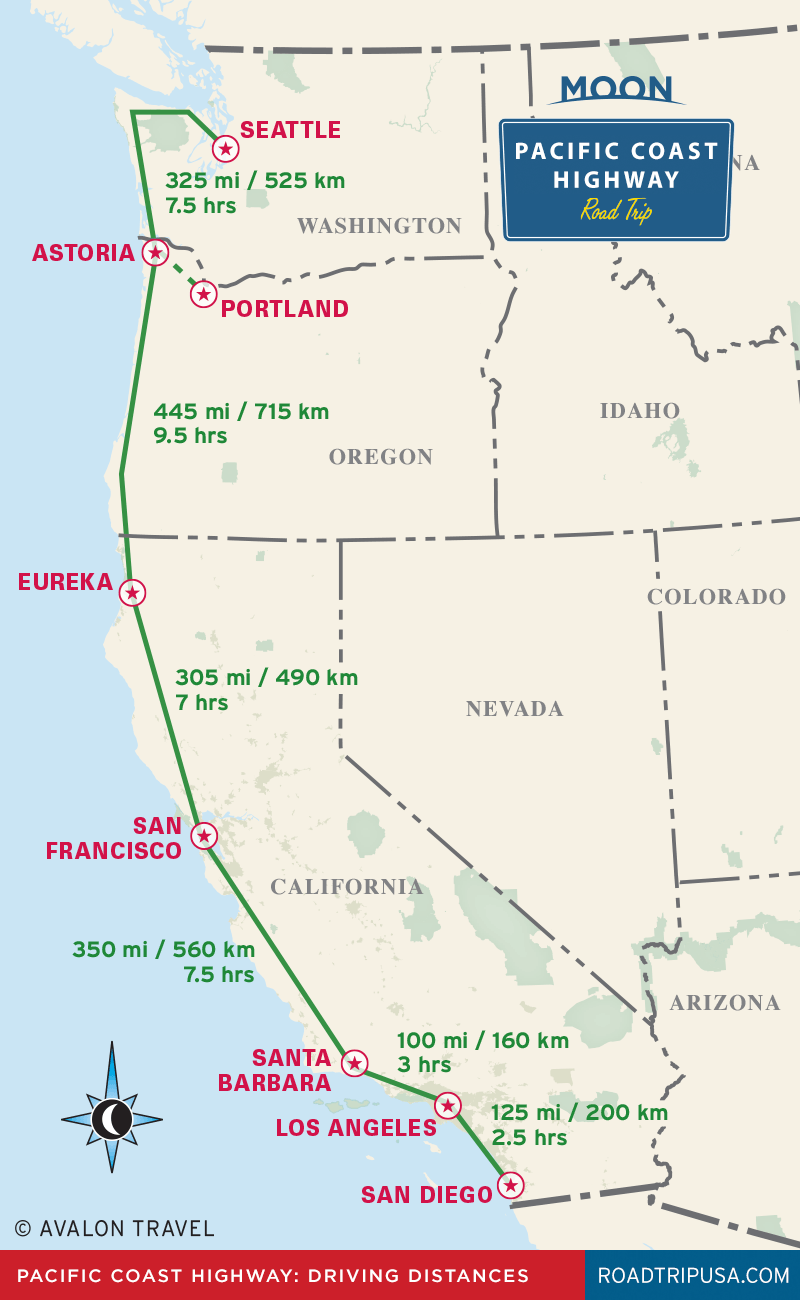
By Air: The Speed of Modern Travel
In contrast to the leisurely pace of a road trip, air travel offers a rapid solution for covering the distance between Michigan and California. Direct flights are readily available from major airports in Michigan, such as Detroit Metropolitan Wayne County Airport (DTW) or Gerald R. Ford International Airport (GRR) near Grand Rapids, to numerous airports across California, including Los Angeles International Airport (LAX), San Francisco International Airport (SFO), and San Diego International Airport (SAN).
The flight duration for a direct commercial flight is typically between 4 to 5 hours, depending on factors like tailwinds and the specific flight path. This makes it an incredibly efficient option for those with limited time or who prefer to maximize their days at their destination rather than in transit. The experience of flying is a testament to modern travel innovation, transforming a journey that once took weeks into a matter of hours.
When considering air travel, it’s important to factor in the total travel time, which includes getting to and from airports, check-in procedures, security screening, and boarding. Even with a short flight, the overall journey can extend to 7-9 hours from doorstep to doorstep. This method aligns well with a lifestyle that values efficiency and seeks to minimize travel time. Numerous airlines, such as Delta Air Lines, United Airlines, and American Airlines, operate these routes, offering a range of accommodation options for flight classes and associated travel amenities.
Connecting Hubs: Major Airports and Flight Options
The choice of airports plays a significant role in the convenience and cost of flying. Detroit Metropolitan Wayne County Airport (DTW) in Michigan is a major hub, offering extensive connections. On the California side, the sheer number of airports means travelers can often fly directly into a city closest to their intended destination, minimizing further ground transportation needs. For those visiting Southern California, Los Angeles International Airport (LAX), John Wayne Airport (SNA) in Orange County, or even San Diego International Airport (SAN) are prime choices. Northern California travelers will find San Francisco International Airport (SFO) and Oakland International Airport (OAK) to be convenient entry points.
When booking flights, comparing prices across different airlines and considering various departure and arrival times can lead to significant savings, especially when planning for budget travel. Many booking platforms offer tools to compare prices and identify the best deals for accommodation and flights simultaneously, making the planning process more streamlined.
Other Modes of Transportation: Train and Bus Journeys
While air and road travel are the most common, other options exist for those seeking a different pace or a more unique travel experience. Amtrak, the national passenger rail service, offers routes that can connect Michigan and California, though it typically involves transfers and a significantly longer journey time compared to flying. A train journey can be a relaxing way to see the country unfold, offering comfortable seating, dining cars, and the opportunity to observe the changing scenery without the stress of driving.
Bus services, such as Greyhound, also provide cross-country routes. This option is often the most budget-friendly and can be a good choice for budget travel. However, it is also the slowest mode of transportation, often involving multiple stops and longer overall travel times. For a journey of this magnitude, bus travel can take several days, offering a true immersion into the overland experience.
These alternative transportation methods, while longer, cater to a specific type of traveler who prioritizes the journey itself, cherishing the slower pace and the chance to observe the nuances of the American landscape and its people. They offer a different perspective on travel and can be an integral part of a broader travel narrative, particularly when exploring themes of lifestyle and experiences.
In conclusion, the distance between Michigan and California is not a single, fixed number but a fluid concept dependent on how one chooses to traverse it. Whether embarking on an epic road trip to explore landmarks and experience diverse local culture, opting for the swift efficiency of air travel, or choosing the more contemplative journey by train or bus, the answer to “How far is Michigan from California?” is ultimately a measure of time, adventure, and the personal journey of discovery across the vast and beautiful United States. The choice of method profoundly shapes the experience, influencing everything from the available accommodation options to the overall lifestyle embraced during the trip.
LifeOutOfTheBox is a participant in the Amazon Services LLC Associates Program, an affiliate advertising program designed to provide a means for sites to earn advertising fees by advertising and linking to Amazon.com. Amazon, the Amazon logo, AmazonSupply, and the AmazonSupply logo are trademarks of Amazon.com, Inc. or its affiliates. As an Amazon Associate we earn affiliate commissions from qualifying purchases.