
When we think about California, images of sun-drenched beaches, iconic Hollywood studios, and sprawling tech campuses often come to mind. It’s a state synonymous with innovation, culture, and a vibrant lifestyle. However, beyond the readily visible attractions and the allure of luxury travel, California also possesses a deeply ingrained political identity. The question of how long it has been a reliably Democratic state is a fascinating one, revealing a complex history of evolving allegiances, pivotal moments, and demographic shifts. While it may seem like a contemporary phenomenon, California’s journey to becoming a stronghold for the Democratic Party is a story that stretches back further than many might assume, marked by significant turning points that solidified its current political landscape.

The Shifting Sands of California’s Political Allegiance
For much of its early history after statehood in 1850, California’s political leanings were far from settled. The Golden State was a melting pot of migrants, each bringing their own perspectives and political inclinations. Initially, the state saw a mix of influences, with periods of both Republican and Democratic dominance. The rapid growth driven by the Gold Rush attracted a diverse population, making it challenging for any single party to maintain a consistent hold.
Early Statehood and the Era of Shifting Fortunes
From its admission to the union, California was a battleground for political power. The early years were characterized by a pragmatism driven by economic development and westward expansion. While the Republican Party found early traction, particularly with its anti-slavery platform, the Democratic Party also maintained a significant presence. Local issues, economic booms and busts, and the influence of prominent political figures often dictated electoral outcomes.
For instance, the period leading up to the Civil War saw a division in loyalties, with Californians grappling with national debates. Following the war, California experienced periods of Republican ascendancy, especially during the late 19th and early 20th centuries, a time when the party often represented business interests and national expansion. This era saw the development of major infrastructure projects and the growth of industries that would shape the state’s future. Yet, even during these times, Democratic undercurrents persisted, often fueled by labor movements and concerns about corporate power.
The state’s demographic makeup played a crucial role in these fluctuations. Waves of immigration, from Europeans seeking opportunity to Asians drawn by industries like railroad construction, brought a variety of political viewpoints. These diverse populations, while often facing discrimination, contributed to a dynamic political environment where party loyalties were not always rigidly defined. The rise of progressive movements in the early 20th century also saw figures from both parties championing reforms, blurring the lines of traditional party platforms.
The Mid-20th Century: A Gradual but Decisive Turn
The mid-20th century marked a significant period of transition for California’s political identity. While the state still had its conservative pockets and elected Republican governors and senators, a discernible shift towards the Democratic Party began to take root. This gradual transformation was fueled by several converging factors, including demographic changes, the growing influence of organized labor, and national political realignments.
The Rise of the Modern Democratic Coalition
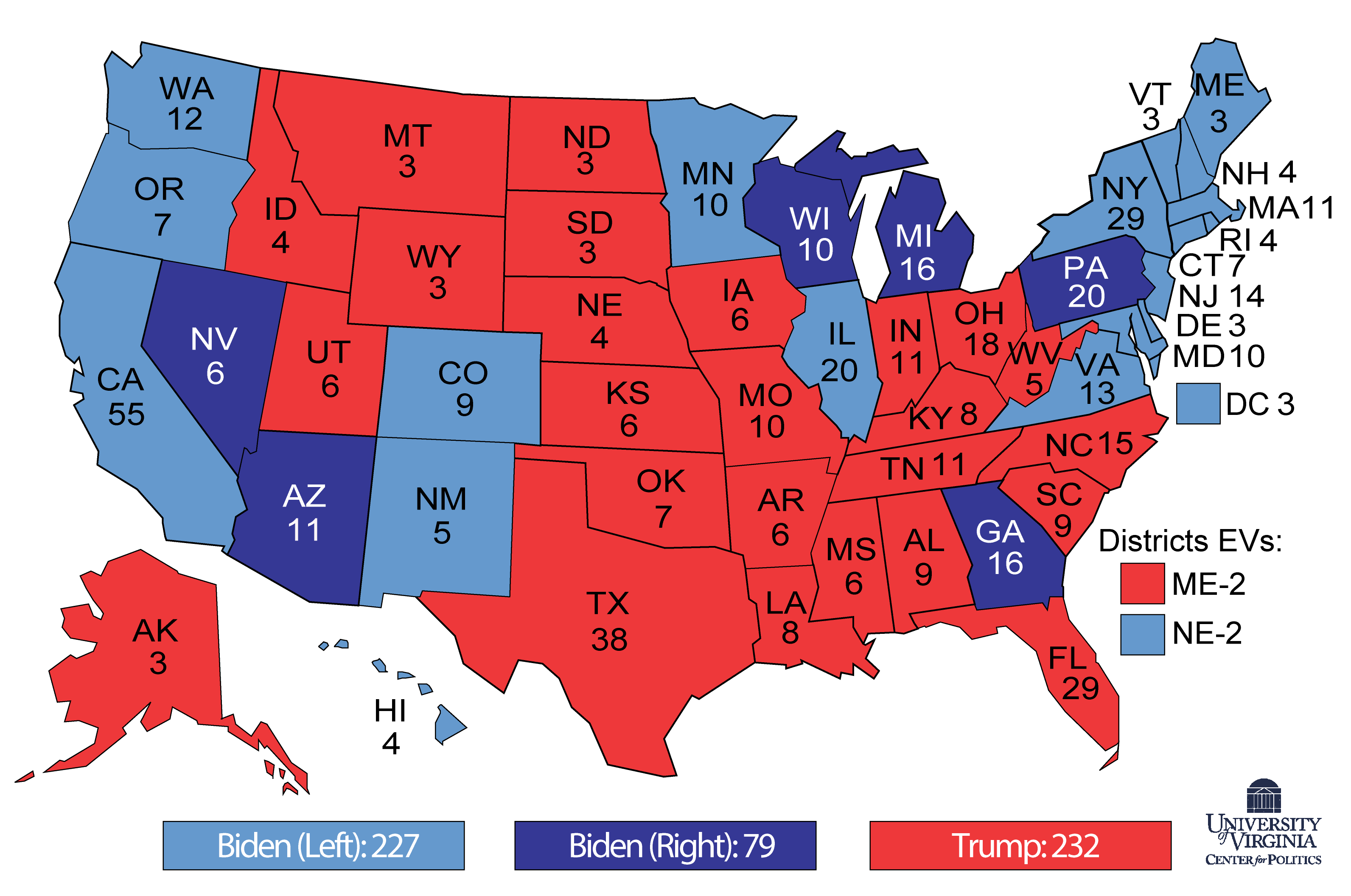
The post-World War II era witnessed an influx of new residents to California, attracted by the burgeoning defense industry, Hollywood, and the promise of a better life. This migration brought with it a more diverse electorate, including significant numbers of African Americans, Hispanics, and individuals from other minority groups, many of whom gravitated towards the Democratic Party’s platform, which increasingly emphasized civil rights and social justice.
The burgeoning influence of labor unions also played a pivotal role. California’s industrial growth created a substantial working-class population that found a champion in the Democratic Party. Unionization efforts across various sectors, from manufacturing to agriculture, mobilized voters and created a strong base for Democratic candidates. The party’s embrace of social programs and workers’ rights resonated deeply with this growing segment of the electorate.
Furthermore, national political trends, such as the New Deal era and the subsequent Civil Rights Movement, had a profound impact on California. President Franklin D. Roosevelt’s policies fostered a greater reliance on government intervention and social safety nets, which appealed to many Californians. As the Democratic Party became the standard-bearer for civil rights, it further solidified its appeal among minority groups, who began to form a significant voting bloc within the state.
This period wasn’t an overnight conversion. There were still prominent Republican figures and conservative movements that held sway. However, the underlying demographic and social shifts were steadily building momentum for a Democratic majority. The state’s liberal urban centers, such as San Francisco and Los Angeles, became increasingly influential, often setting the tone for the state’s political direction. The development of world-renowned tourist attractions and vibrant cultural scenes within these cities also contributed to their growing political weight.
The Late 20th Century and Beyond: Solidifying the Democratic Dominance
By the latter half of the 20th century, California’s trajectory towards becoming a reliably Democratic state was firmly established. While occasional Republican victories did occur, the overall trend showed a consistent and growing advantage for the Democratic Party. This dominance was further cemented by a series of factors, including continued demographic shifts, the state’s progressive policy agenda, and the evolving national political landscape.

Demographic Evolution and Progressive Policies
The sustained growth of minority populations, particularly the Hispanic and Asian American communities, continued to reshape the electorate. These groups, along with a growing urban population and a significant student population in renowned universities like Stanford and UC Berkeley, increasingly aligned with the Democratic Party’s values and policy proposals. The party’s commitment to issues such as immigration reform, environmental protection, and social equality resonated deeply with these evolving demographics.
California also began to distinguish itself through its proactive approach to policy-making. The state became a leader in implementing progressive legislation, from environmental regulations and consumer protection laws to pioneering social policies. These policies, often ahead of national trends, reflected the prevailing political sentiment and further solidified the Democratic Party’s appeal as the champion of forward-thinking governance. This era saw the rise of iconic Californian landmarks that became symbols of the state’s progressive spirit.
The state’s economic engine, fueled by the tech industry in Silicon Valley, the entertainment industry in Southern California, and agricultural powerhouses in the Central Valley, created a complex economic landscape. While the Republican Party often appealed to business interests, the Democratic Party successfully navigated these diverse economic currents by advocating for policies that supported workers, fostered innovation, and addressed income inequality.
Even as the state’s political identity solidified, California remained a dynamic and diverse place. Its vast array of attractions, from the theme parks of Anaheim to the natural beauty of Yosemite National Park, continued to draw millions of tourists, showcasing the state’s multifaceted appeal. This diversity, in its broadest sense, has always been a hallmark of California, and it is within this vibrant tapestry that its enduring Democratic identity has been woven. The state’s enduring political leanings are a testament to its ongoing evolution, shaped by the people who call it home and the unique opportunities and challenges it presents.
LifeOutOfTheBox is a participant in the Amazon Services LLC Associates Program, an affiliate advertising program designed to provide a means for sites to earn advertising fees by advertising and linking to Amazon.com. Amazon, the Amazon logo, AmazonSupply, and the AmazonSupply logo are trademarks of Amazon.com, Inc. or its affiliates. As an Amazon Associate we earn affiliate commissions from qualifying purchases.