
California, a land synonymous with sunshine, innovation, and unparalleled natural beauty, has long grappled with a cyclical challenge: drought. The Golden State’s relationship with dry spells is not a new phenomenon, but understanding its historical context and current intensity is crucial for residents, tourists, and policymakers alike. This exploration delves into the history of California’s droughts, their recurring patterns, and the long-term implications for travel, lifestyle, and the very fabric of this iconic region.
California’s geography is a study in contrasts, from the fertile valleys that feed the nation to arid desert landscapes and the majestic Sierra Nevada mountains. This diverse topography, coupled with its reliance on snowpack and rainfall for its water supply, makes it particularly susceptible to fluctuations in precipitation. The state’s water infrastructure, a marvel of engineering, is designed to capture, store, and distribute this vital resource, but even the most robust systems can be strained during prolonged periods of dryness.

Understanding the Cycle: A History of California’s Aridity
California has experienced numerous droughts throughout its recorded history, with some being significantly more severe and protracted than others. These events are not isolated incidents but rather part of a natural climatic oscillation that has shaped the state’s ecosystems and human development for centuries.
Pre-Colonial and Early California Droughts
Indigenous peoples of California, such as the Chumash and Miwok tribes, developed sophisticated strategies for coping with drought long before European settlers arrived. Their deep understanding of the land allowed them to adapt their agricultural practices, hunting, and gathering to survive periods of scarcity. Archaeological evidence suggests that ancient Californians faced multi-year droughts, demonstrating a resilience born from generations of living in harmony with the environment. These early periods, while lacking the detailed meteorological records of today, underscore the enduring nature of California’s dry spells.
The 20th Century: Marked Droughts and Growing Pains
The 20th century witnessed several significant droughts that profoundly impacted California. The drought of the 1920s and 1930s, for instance, coincided with the Dust Bowl era in the American Midwest, although California’s experience was distinct. This period saw significant agricultural losses and population shifts. Later in the century, the drought of 1976-1977 was particularly severe, leading to widespread water restrictions and highlighting the vulnerabilities of an ever-growing population and economy. This event spurred significant investments in water conservation and the development of new water sources.
The 21st Century: Intensifying and Persistent Dry Spells
The new millennium has seen California confront some of its most challenging drought conditions. The drought that began in late 2006 and continued into 2009 was a stark reminder of the state’s vulnerability. However, this was soon overshadowed by an even more severe and prolonged drought that gripped the state from approximately 2012 to 2016. This “megadrought” was characterized by record low snowpack in the Sierra Nevada, depleted reservoirs, and significant ecological impacts, including increased wildfire risk.
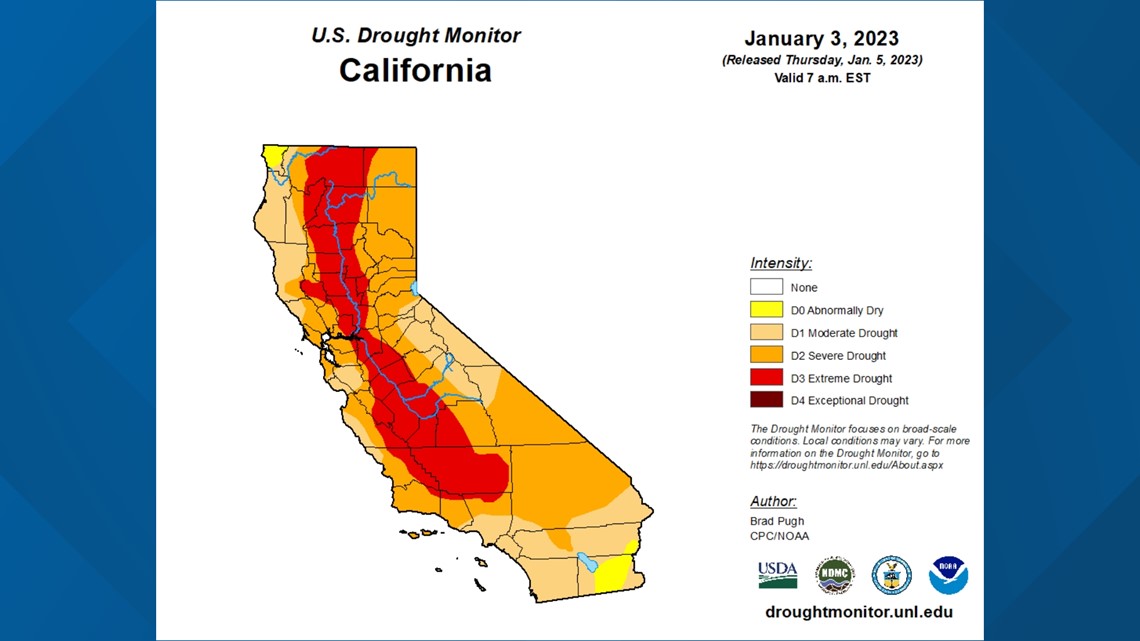
More recently, the period from 2020 to 2023 saw another intense and multi-year drought, punctuated by brief, albeit insufficient, periods of rainfall. This latest dry spell has reinforced the scientific understanding that California is experiencing a warming climate, which exacerbates drought conditions by increasing evaporation and reducing snowpack. The implications of these persistent droughts are far-reaching, affecting everything from the availability of water for agriculture and urban use to the very attractions that draw millions of visitors to the state each year.
Impact on California’s Tourism and Lifestyle
The recurring droughts in California have a tangible and often significant impact on its vibrant tourism industry and the overall lifestyle of its residents and visitors. Water scarcity influences the availability of certain activities, affects the scenic beauty of popular destinations, and necessitates adaptations in daily living.
Travel and Destinations: Adapting to Water Realities
The beauty of California is intrinsically linked to its natural landscapes, many of which are water-dependent. Iconic destinations like Yosemite National Park, with its majestic waterfalls, can appear diminished during severe droughts. Lake Tahoe, a beloved destination for water sports and scenic beauty, has seen fluctuating water levels, impacting boating and recreational activities. The lush vineyards of Napa Valley and Sonoma County, while resilient, rely heavily on irrigation, and prolonged drought can affect grape yields and the quality of wine.
Even coastal areas, while seemingly abundant with water, can experience indirect impacts. Reduced river flows can affect estuaries and marine life. Furthermore, the increased risk of wildfires, a direct consequence of dry conditions, can lead to closures of national forests and parks, impacting travel plans and outdoor adventures.
Travelers planning trips to California during or after drought periods should remain informed about local conditions. Many tourism operators and state agencies provide up-to-date information on water availability and any potential restrictions that might affect specific activities. The emphasis often shifts towards activities that are less water-intensive, such as hiking in less arid regions, visiting museums and cultural sites in cities like Los Angeles and San Francisco, or exploring the unique desert landscapes of Palm Springs and Death Valley.
Hotels, Resorts, and Accommodation: Embracing Conservation
The hospitality sector in California plays a critical role in water conservation. Hotels, resorts, and rental accommodations are increasingly implementing water-saving measures. This includes low-flow fixtures in guest rooms, drought-tolerant landscaping in resort grounds, and encouraging guests to participate in towel and linen reuse programs. Many luxury resorts, from the Beverly Hills Hotel to the Grand Hyatt Hotel, are leading the way in sustainable practices, recognizing that environmental stewardship is not only responsible but also aligns with the values of many modern travelers.
Travelers seeking accommodation in California can look for hotels that highlight their water conservation efforts. Websites and booking platforms often provide information on a property’s sustainability initiatives, allowing guests to make informed choices. This focus on responsible tourism is becoming increasingly important, as visitors want to enjoy the beauty of California while minimizing their environmental footprint. Long-term stays, whether for business or leisure, also necessitate an awareness of water usage and the adoption of water-wise habits within apartments and villas.

Lifestyle: Conservation as a Way of Life
For Californians, drought has become an ingrained part of the lifestyle. Water conservation is not merely a recommendation; it is a necessity that influences daily routines. This includes shorter showers, water-wise gardening, and being mindful of water usage for car washing and other household tasks. The state has implemented tiered water pricing systems and mandates for reducing overall water consumption.
The impact of drought also extends to agriculture, which is a cornerstone of California’s economy and lifestyle. Farmers face difficult decisions about which crops to plant, how to irrigate efficiently, and sometimes, the difficult choice of fallowing land. This affects the availability and price of produce enjoyed by residents and visitors alike.
Despite the challenges, California’s innovative spirit often shines through during these dry periods. Technological advancements in water management, desalination, and water recycling are continuously being explored and implemented. Furthermore, a heightened awareness of water’s value fosters a deeper appreciation for the state’s natural resources and a collective commitment to their preservation for future generations, ensuring that California remains a desirable destination for travel and a fulfilling place to live.
LifeOutOfTheBox is a participant in the Amazon Services LLC Associates Program, an affiliate advertising program designed to provide a means for sites to earn advertising fees by advertising and linking to Amazon.com. Amazon, the Amazon logo, AmazonSupply, and the AmazonSupply logo are trademarks of Amazon.com, Inc. or its affiliates. As an Amazon Associate we earn affiliate commissions from qualifying purchases.