
The tantalizing world of sushi is often perceived as an intricate culinary art form, accessible only to seasoned chefs in dimly lit restaurants. However, one of the most approachable and universally loved sushi rolls, the California Roll, offers a delightful entry point for home cooks eager to explore Japanese cuisine. This guide will demystify the process, transforming your kitchen into a sushi haven, perfect for a relaxed family trip or an impressive culinary adventure.
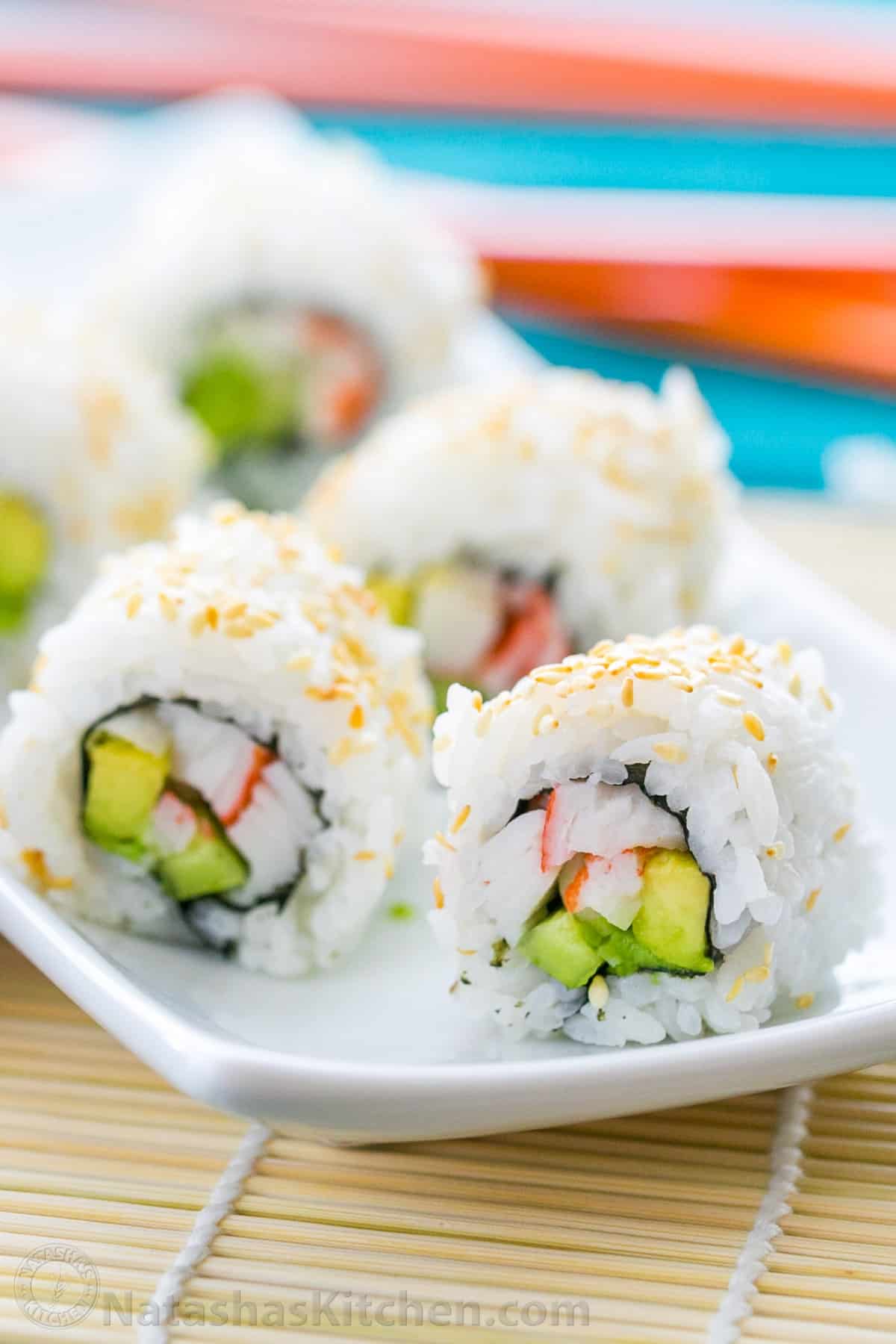
The California Roll is a testament to innovation within culinary traditions. Unlike many sushi rolls that feature raw fish, the California Roll typically incorporates cooked crab meat, avocado, and cucumber. Its defining characteristic is the “inside-out” style, known as uramaki, where the rice is on the outside and the nori (seaweed) is on the inside, often coated in toasted sesame seeds or flying fish roe (tobiko). This approachable ingredient list and construction make it a popular choice for beginners and a refreshing option for those who prefer cooked seafood.

Embarking on this culinary journey is not just about preparing a meal; it’s an experience that can be woven into your travel narrative. Imagine learning to make a California Roll after exploring the vibrant markets of Tokyo, or perhaps as a relaxing afternoon activity during a staycation in your own city. The joy of recreating a taste of Japan in your home kitchen adds another layer to your appreciation for global cuisine and local culture.
This guide will walk you through each step, from gathering your ingredients to the final, artful presentation. We’ll delve into the essential components, the technique for rolling, and even offer some tips for elevating your California Roll creation, making it a standout dish for any occasion, be it a casual gathering or a more sophisticated dinner party.
The Art of Uramaki: Mastering the Inside-Out Roll
The “inside-out” style, or uramaki, of the California Roll is what sets it apart and makes it so appealing to those new to sushi. It involves spreading the sushi rice on the outside of the nori sheet, with the fillings wrapped within. This method not only protects the delicate nori from becoming soggy but also allows for beautiful garnishes like sesame seeds or tobiko, adding both texture and visual appeal.
To achieve this, you’ll need a bamboo rolling mat, known as a makisu. This simple yet indispensable tool is key to tightly rolling your ingredients without them falling apart. It allows you to apply even pressure, ensuring a neat and well-formed roll that is easy to slice.
Ingredients: The Foundation of Flavor
Before you begin rolling, ensuring you have the freshest and highest-quality ingredients is paramount. The California Roll is celebrated for its simplicity, which means each component plays a vital role in the overall taste and texture.
-
Sushi Rice: This is the cornerstone of any good sushi. Use short-grain Japanese rice, which has a higher starch content, allowing it to become sticky when cooked, essential for holding the roll together. After cooking, it must be seasoned with a mixture of rice vinegar, sugar, and salt. This seasoned rice, known as sushi-meshi, is what gives sushi its characteristic slightly sweet and tangy flavor. The temperature of the rice is also important; it should be warm, not hot, when you begin rolling.
-
Nori Sheets: These are dried seaweed sheets, crucial for binding the ingredients. Look for high-quality, dark green nori sheets that are crisp and free of holes. They are typically roasted, which gives them a subtle, pleasant aroma.
-
Fillings:
- Crab Meat: Traditionally, this is imitation crab meat (surimi), often flavored with white fish and crab extract. It’s readily available in most supermarkets and is pre-cooked, making it incredibly convenient. For a more luxurious twist, you can use real cooked king crab or snow crab, which will significantly elevate the flavor profile.
- Avocado: A ripe avocado is essential. It should be soft enough to mash slightly with a fork but firm enough to hold its shape. Its creamy texture and mild flavor perfectly complement the other ingredients. Slicing it into thin strips is the best approach.
- Cucumber: Japanese cucumbers are ideal due to their thin skin and fewer seeds. However, regular cucumbers will work, but you might want to deseed them to avoid excess moisture. Cut the cucumber into thin, matchstick-like strips.
-
Garnishes (Optional but Recommended):
- Toasted Sesame Seeds: Black or white sesame seeds, lightly toasted, add a delightful nutty flavor and a pleasing crunch to the outside of the roll.
- Flying Fish Roe (Tobiko): These tiny, colorful eggs offer a burst of salty, slightly sweet flavor and a unique textural pop. Various flavors and colors are available, adding visual flair.
The Rolling Technique: Step-by-Step
The process of rolling a California Roll can seem daunting at first, but with a little practice, it becomes quite intuitive. Here’s a breakdown of the steps:
-
Prepare Your Workspace: Lay your bamboo rolling mat on a clean, dry surface. It’s often helpful to cover the mat with plastic wrap to prevent the rice from sticking, especially when making uramaki rolls. Have a small bowl of water mixed with a little rice vinegar (tezu) nearby. This water is used to moisten your hands to prevent the sushi rice from sticking to them.
-
Nori Placement: Place a sheet of nori, shiny side down, on the bamboo mat, aligning the bottom edge of the nori with the bottom edge of the mat.
-
Rice Spreading: Dip your fingers in the tezu water. Take a generous handful of seasoned sushi rice and spread it evenly over the nori sheet. Leave about a 1-inch border at the top edge of the nori, uncovered by rice. This border will help seal the roll. Ensure the rice is spread in a thin, even layer. This is the crucial step for uramaki – the rice is on the outside.
-
Add Fillings: Arrange your prepared fillings horizontally across the rice, about one-third of the way up from the bottom edge. Don’t overfill the roll, as this can make it difficult to roll tightly and can cause it to burst. Typically, a strip of imitation crab, a few slices of avocado, and a few strips of cucumber are sufficient.

-
The Roll Begins: Lift the bottom edge of the bamboo mat, along with the nori and fillings, and begin to roll it over the fillings. Use your fingers to hold the fillings in place as you roll. Apply gentle but firm pressure with the mat to create a compact cylinder.
-
Tuck and Tighten: Continue rolling the mat forward, tucking the ingredients tightly. As you roll, use the mat to shape the roll into a firm cylinder. You might need to lift the mat slightly to pull it forward as you roll, ensuring it doesn’t get rolled into the sushi itself.
-
Seal the Roll: Once you’ve rolled the entire nori sheet, you’ll have a well-formed cylinder. Gently squeeze the roll within the mat to ensure it’s firm and cohesive. If you left an uncovered border of nori, this will adhere to the roll, sealing it shut.
-
Garnish (Optional): If you wish to add sesame seeds or tobiko, you can do so before or after rolling. For sesame seeds, you can either press them into the rice while it’s still on the mat before rolling, or you can gently press them onto the outside of the finished roll. For tobiko, it’s often sprinkled over the rice before rolling or pressed onto the exterior of the finished roll.
Presentation and Serving: The Finishing Touches
The visual appeal of sushi is as important as its taste. A well-presented California Roll can transform a home-cooked meal into a restaurant-quality experience.
Slicing Your Masterpiece
Once your roll is complete, it’s time to slice it. Use a very sharp knife, ideally a sushi knife, or a sharp chef’s knife. Wet the blade with tezu water before each cut to prevent the rice from sticking.
- Initial Cut: Cut the roll in half. This makes it easier to handle and slice the remaining pieces.
- Further Slicing: Place the two halves side-by-side and cut them into bite-sized pieces, typically 6-8 pieces per roll. Wipe the knife clean and re-wet it between cuts as needed.
Accompaniments for the Perfect Bite
A California Roll is traditionally served with a few key accompaniments that enhance its flavor and dining experience:
- Soy Sauce: A small dish of good quality Japanese soy sauce is essential for dipping.
- Wasabi: For those who enjoy a kick, a small dollop of wasabi paste provides a pungent heat that cuts through the richness of the avocado and the sweetness of the rice.
- Pickled Ginger (Gari): Thinly sliced pickled ginger, often served in a vibrant pink hue, is meant to cleanse the palate between different pieces of sushi or even different types of rolls.
Elevating Your California Roll Experience
While the classic California Roll is delicious on its own, there are several ways to elevate its flavor and presentation:
- Spicy Mayo: Mix mayonnaise with a touch of sriracha or your favorite chili sauce for a spicy kick. Drizzle this over the roll before serving.
- Teriyaki Glaze: A light drizzle of sweet teriyaki sauce can add another dimension of flavor.
- Toasted Nori: If you find your nori is not crispy enough, you can lightly toast it over an open flame (carefully!) before wrapping your fillings.
- Creative Garnishes: Beyond sesame seeds and tobiko, consider finely chopped chives, a sprinkle of togarashi (Japanese chili powder), or even a thin sliver of microgreens for an artistic touch.
- Different Fillings: While not a traditional California Roll, feel free to experiment. Cooked shrimp, smoked salmon, or even tempura shrimp can be delicious additions.
Beyond the Roll: Exploring Sushi Culture
Learning to make a California Roll is more than just a recipe; it’s an invitation to explore the broader world of Japanese cuisine and culinary tourism. Many hotels and resorts around the world offer sushi-making classes as part of their guest experiences, allowing you to learn from local experts and immerse yourself in the food culture of a destination.
Consider a luxury travel experience that includes a private sushi-making session in Kyoto, or a more casual introduction during a family trip to a coastal town in California, where fresh seafood is abundant. These activities can provide memorable insights into local culture and add a unique dimension to your travel adventures.
Furthermore, understanding the art of sushi can enhance your appreciation when dining at restaurants. You’ll be able to identify the quality of the rice, the freshness of the ingredients, and the skill involved in the preparation. This deeper understanding enriches the entire dining experience, turning a simple meal into an educational and sensory journey.
So, the next time you crave that delightful combination of creamy avocado, savory crab, and perfectly seasoned rice, don’t hesitate to try making your own California Roll. It’s a rewarding culinary endeavor that brings a taste of Japan right to your kitchen, offering a delicious and accessible way to engage with a beloved part of global food culture. Whether you’re a seasoned home cook or a beginner, the California Roll is your gateway to the wonderful world of sushi.
LifeOutOfTheBox is a participant in the Amazon Services LLC Associates Program, an affiliate advertising program designed to provide a means for sites to earn advertising fees by advertising and linking to Amazon.com. Amazon, the Amazon logo, AmazonSupply, and the AmazonSupply logo are trademarks of Amazon.com, Inc. or its affiliates. As an Amazon Associate we earn affiliate commissions from qualifying purchases.