
The golden state of California, a land of breathtaking natural beauty and vibrant cultural landscapes, has faced a recurring challenge in recent years: wildfires. These devastating events not only threaten lives and property but also leave an indelible mark on the very fabric of the state’s iconic scenery. Understanding the scale of these fires, measured in the vast expanse of acres burned, is crucial for comprehending their impact and for informing future prevention and recovery efforts. From the sprawling forests of the Sierra Nevada to the chaparral-covered hillsides near Los Angeles, the threat of wildfire is a somber reality that shapes the California experience.

The question of “How Many Acres Have Burned In California?” is not a static one. It is a dynamic figure that changes with each fire season, reflecting a complex interplay of climate, vegetation, and human activity. As travelers, residents, and stakeholders in this remarkable region, grasping the extent of wildfire damage is essential for appreciating the resilience of its natural wonders and the ongoing efforts to protect them. This examination will delve into the statistics, explore the contributing factors, and consider the broader implications for California‘s tourism, lifestyle, and the preservation of its cherished landmarks.
The Shifting Landscape of Wildfire Impact
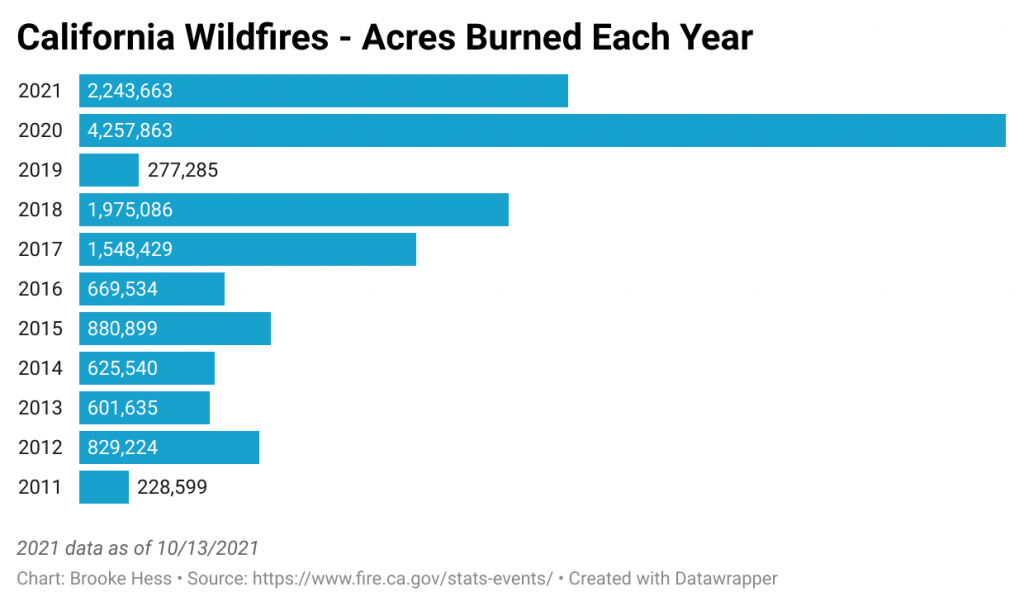
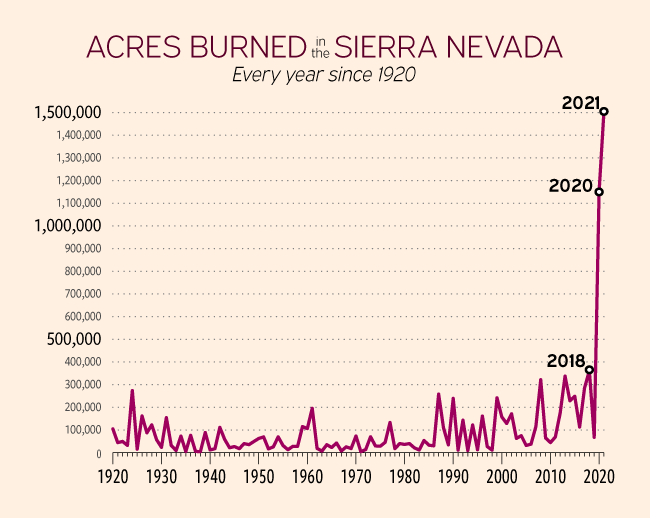
The sheer volume of land affected by wildfires in California can be difficult to conceptualize. Acres, a unit of measurement often associated with land ownership or agricultural output, become a stark indicator of ecological devastation when applied to burned landscapes. The cumulative acreage lost over the years paints a sobering picture of the intensifying wildfire crisis. This section aims to provide context by looking at historical trends and recent significant fire seasons, highlighting the scale of the challenge and its escalating nature.
Quantifying the Devastation: A Look at Recent Fire Seasons
While the exact number of acres burned fluctuates annually, some recent fire seasons stand out for their unprecedented severity. The years 2020 and 2021, in particular, witnessed wildfires that consumed millions of acres, shattering previous records. The August Complex fire, for instance, became the largest wildfire in California‘s recorded history, a single incident that blackened an area exceeding a million acres. This illustrates how a single fire, or a cluster of them in a single season, can drastically alter the statistics.
The impact of these large-scale events extends far beyond the immediate acreage. Ecosystems are dramatically altered, wildlife habitats are destroyed, and the carbon released into the atmosphere contributes to further climate change, creating a vicious cycle. For those who plan travel to California, particularly to its renowned national parks and wilderness areas like Yosemite National Park or Joshua Tree National Park, understanding these trends is vital for assessing potential impacts on their planned experiences and attractions.
Factors Driving Increased Wildfire Activity
Several interconnected factors contribute to the increasing frequency and intensity of wildfires in California. Climate change plays a pivotal role, leading to hotter temperatures, prolonged droughts, and drier vegetation, which act as readily available fuel for fires. The accumulation of dead vegetation due to past fire suppression policies also exacerbates the problem, creating fuel loads that ignite more easily and burn more intensely.
Human activity, whether intentional or accidental, remains a significant ignition source. Power lines, campfires, vehicle malfunctions, and arson all contribute to the start of wildfires. The expansion of development into wildland areas, known as the wildland-urban interface, means that more homes and communities are at risk, increasing the stakes of every fire. This confluence of environmental stressors and human presence creates a volatile landscape where wildfires are an ever-present concern for residents and a factor to consider for any tourism planning.
The Ripple Effect: Impact on California’s Tourism and Lifestyle
The acreage burned by wildfires in California has profound implications that stretch beyond environmental concerns. For a state whose economy is significantly bolstered by tourism, the effects are tangible and can influence travel decisions, accommodation choices, and the overall perception of California as a destination. The allure of its diverse landscapes, from the iconic Golden Gate Bridge to the serene beaches of Malibu, can be temporarily overshadowed by the smoke and ash of distant fires.
Transforming Travel Experiences and Destination Appeal
When significant portions of California are affected by wildfires, travel plans can be disrupted. Road closures, air quality advisories, and the destruction of popular attractions can lead to cancellations and a shift in tourist flows. Destinations known for their pristine natural beauty, such as Lake Tahoe or the Redwood forests, can become inaccessible or less appealing due to smoke or visible damage.
The perception of safety also plays a crucial role. Potential visitors might opt for alternative destinations if California is consistently in the news for its wildfires. This can impact businesses that rely on tourism, including hotels, resorts, and local operators offering unique activities and experiences. The lifestyle associated with California, often depicted as sunny and outdoorsy, can be temporarily altered by the visible and palpable presence of wildfire smoke.
Preserving Landmarks and Protecting Natural Wonders
California is home to an abundance of natural and man-made landmarks that draw visitors from around the globe. The threat of wildfires to these sites is a serious concern. National Parks like Sequoia National Park, with its towering giant sequoia trees, and Pinnacles National Park, known for its unique geological formations, are particularly vulnerable. The destruction of these irreplaceable natural treasures would be a significant loss for California and the world.
Beyond natural landmarks, wildfires can also threaten historic sites and communities. The ongoing efforts to protect these areas involve extensive fire prevention measures, rapid response capabilities, and long-term restoration projects. The lifestyle of many Californians is deeply intertwined with their natural surroundings, making the preservation of these landscapes a priority for community well-being and for maintaining the state’s identity.
Looking Ahead: Mitigation, Resilience, and the Future of California’s Landscapes
The question of “How Many Acres Have Burned In California?” is ultimately a call to action. While the numbers are staggering, they also highlight the urgent need for proactive strategies to mitigate wildfire risk and build resilience in the face of a changing climate. This involves a multi-faceted approach encompassing policy, technology, and community engagement.
Investing in Fire Prevention and Management
Effective fire prevention and management are paramount. This includes prescribed burns to reduce fuel loads, creating defensible spaces around homes and communities, and improving forest health through targeted thinning. Advanced technologies, such as satellite monitoring and AI-powered predictive analytics, are also being employed to better anticipate and respond to fire ignitions. For those seeking accommodation in fire-prone areas, understanding local fire risks and preparedness measures is increasingly important for ensuring a safe stay.
The lifestyle choices of Californians also play a role. Responsible behavior outdoors, such as adhering to fire restrictions and properly extinguishing campfires, can significantly reduce the risk of accidental ignitions. Education and outreach programs are crucial for fostering a culture of fire safety and awareness across all communities.
Building Resilience and Fostering Recovery
Beyond prevention, building resilience in California‘s communities and ecosystems is essential. This involves developing robust emergency response plans, strengthening infrastructure to withstand fire impacts, and supporting the long-term recovery of burned areas. Restoring native vegetation and promoting biodiversity are key components of ecological resilience, helping landscapes to rebound after fires.
For the tourism sector, this means adapting to the realities of wildfire season. This could involve promoting “shoulder season” travel to less affected regions or highlighting indoor attractions and culinary experiences that are not impacted by outdoor conditions. The goal is to ensure that California remains a vibrant and accessible destination, even as it navigates the challenges posed by wildfires. The enduring spirit of California lies in its ability to adapt and rebuild, ensuring that its natural wonders and cultural richness continue to captivate for generations to come.
LifeOutOfTheBox is a participant in the Amazon Services LLC Associates Program, an affiliate advertising program designed to provide a means for sites to earn advertising fees by advertising and linking to Amazon.com. Amazon, the Amazon logo, AmazonSupply, and the AmazonSupply logo are trademarks of Amazon.com, Inc. or its affiliates. As an Amazon Associate we earn affiliate commissions from qualifying purchases.