
California, a land synonymous with sunshine, innovation, and breathtaking landscapes, also holds a rich and profound history etched into its very soil. Among its most enduring legacies are the Spanish missions, a chain of religious outposts established along the coast that played a pivotal role in shaping the state’s early development. For anyone curious about the allure and historical significance of these iconic structures, a fundamental question often arises: How many California Missions are there? The answer, while seemingly straightforward, unlocks a deeper exploration into the travel, tourism, and landmarks that define this unique aspect of California lifestyle.

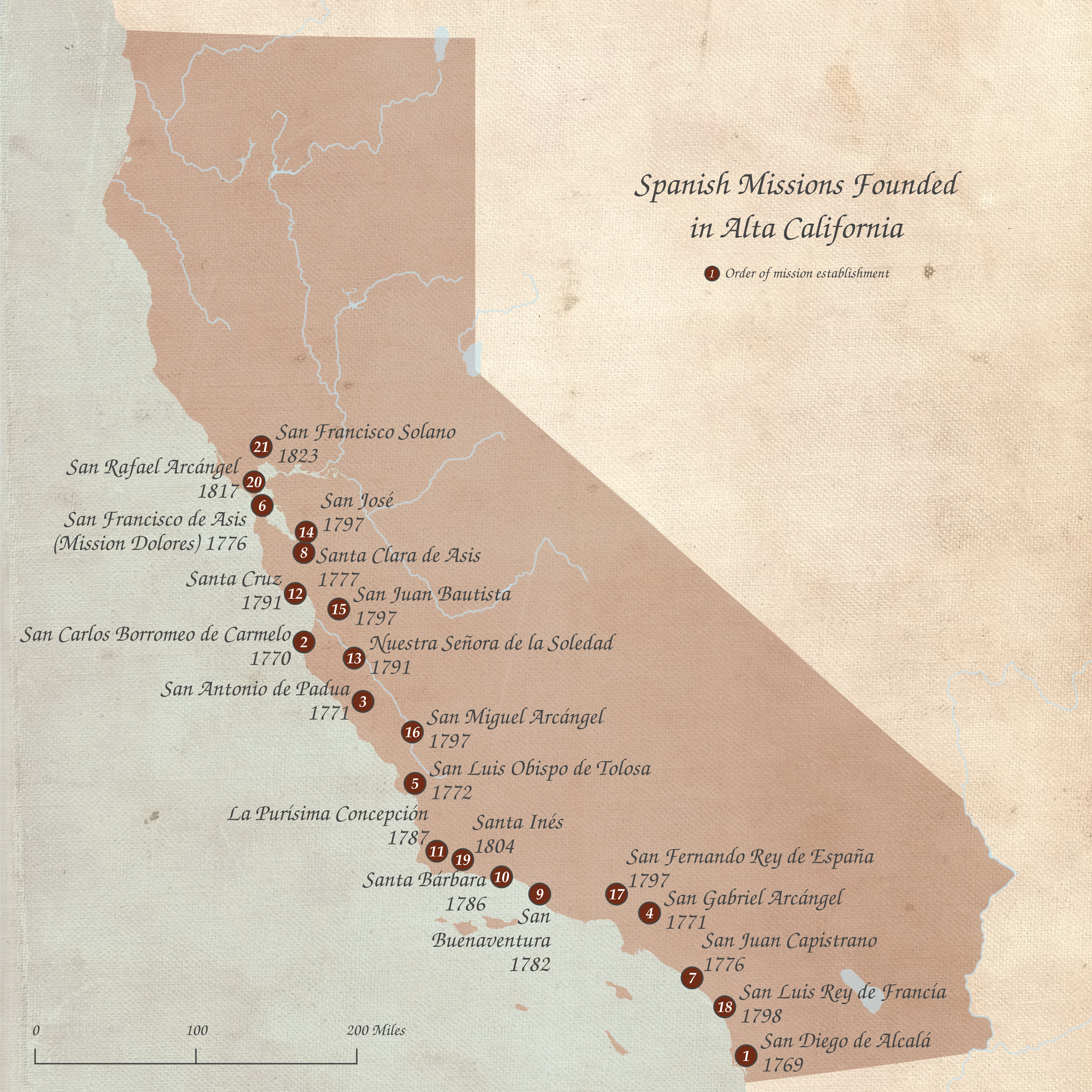
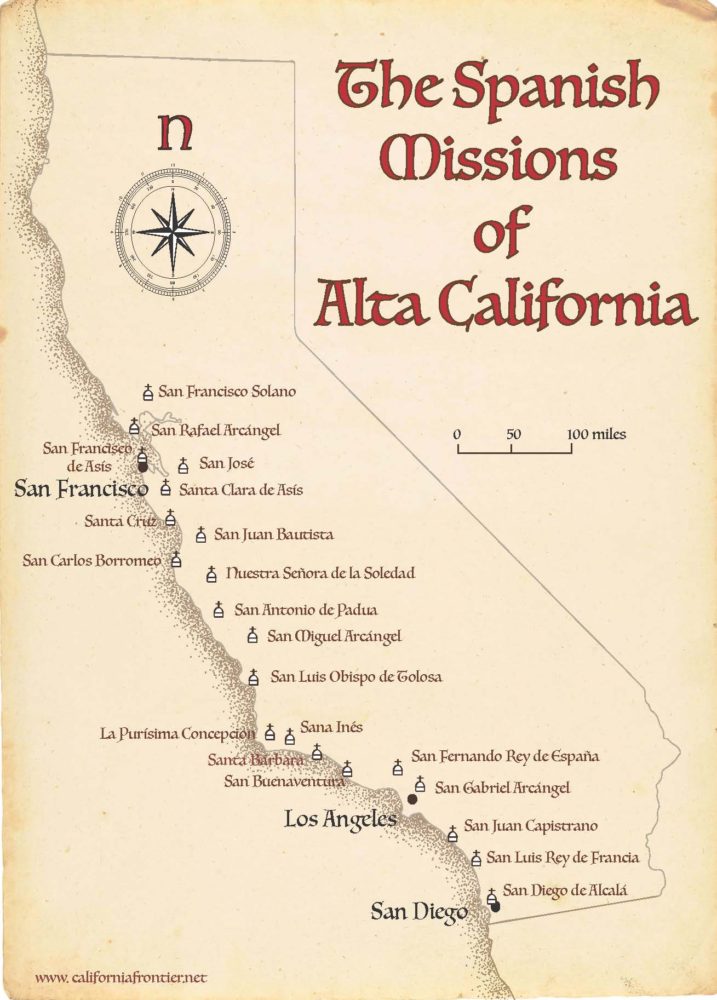
The Spanish colonial project in California was ambitious, aiming to expand the reach of the Spanish Empire and convert indigenous populations to Christianity. This ambitious undertaking resulted in the establishment of twenty-one missions, stretching from the south near San Diego to the north in Sonoma. Each mission, though part of a unified system, possesses its own distinct character, architectural style, and story. Understanding the number of missions is merely the first step in appreciating their collective impact on the state’s culture, architecture, and historical narrative.
These missions are not just historical relics; they are vibrant destinations that continue to draw visitors from around the globe. They offer a unique glimpse into a bygone era, providing insights into the lives of the missionaries, the indigenous peoples they encountered, and the burgeoning Spanish colonial society. Exploring these sites is an integral part of experiencing California‘s rich tapestry of travel and local culture.
The Twenty-One Pillars of California’s Past
The definitive answer to “How many California Missions?” is twenty-one. These twenty-one religious and agricultural outposts were founded between 1769 and 1832 by Franciscan friars, most notably Junípero Serra, who is often referred to as the “Apostle of California.” Each mission was strategically placed approximately thirty miles apart, a manageable distance for travel on foot or horseback at the time, creating a continuous route known as the El Camino Real. This historic roadway, now a network of highways and roads, still traces the path of these significant institutions.
The purpose of these missions extended far beyond mere religious conversion. They served as centers of agriculture, education, and vocational training, introducing new crops, livestock, and building techniques to the region. They were, in essence, the first settlements of European origin in California, laying the groundwork for future cities and communities.
Let’s delve into each of these twenty-one landmarks, understanding their significance and the experiences they offer to modern-day explorers.
Mission San Diego de Alcalá (1769)
The very first of the chain, Mission San Diego de Alcalá, was founded in San Diego. This mission holds the distinction of being the birthplace of Christianity in California. It was moved to its current location in Old Town San Diego State Historic Park in 1774. Visitors can explore its beautifully restored church, museum, and gardens, offering a poignant look into the initial stages of Spanish colonization. The site provides a comprehensive overview of mission life and its impact on the Kumeyaay people.
Mission San Carlos Borromeo del río Carmelo (1770)
Located in Carmel-by-the-Sea, Mission San Carlos Borromeo del río Carmelo, often shortened to Mission Carmel, was the second mission founded and served as the headquarters of the California mission system for many years. It is considered one of the most beautiful and well-preserved missions, boasting a stunning basilica and a serene atmosphere. Junípero Serra himself is buried here, adding a layer of profound historical significance. The mission’s library holds valuable historical documents, and its grounds offer a peaceful retreat for contemplation and discovery.
Mission San Antonio de Padua (1771)
Nestled in the Salinas Valley, Mission San Antonio de Padua is one of the most remote and authentically preserved missions. Founded inland, it offers a glimpse into the more rural aspects of mission life. While less grand than some of its coastal counterparts, its simplicity and historical integrity are deeply moving. The mission continues to operate as an active parish, maintaining its spiritual purpose alongside its role as a historical site.
Mission San Gabriel Arcángel (1771)
Located in San Gabriel, near Los Angeles, Mission San Gabriel Arcángel was known for its agricultural productivity and its distinctive architecture, featuring a rose window. It played a crucial role in the development of the region, and its grounds are still home to a functioning church. The mission museum showcases artifacts and exhibits that detail its history and its relationship with the Tongva people.
Mission San Luis Obispo de Tolosa (1772)
Situated in the heart of downtown San Luis Obispo, Mission San Luis Obispo de Tolosa is an urban mission that has been beautifully integrated into the city’s fabric. Its historical significance is palpable, and visitors can explore its church, museum, and the original dam built by the friars. The mission’s central location makes it an easily accessible landmark for tourism and a reminder of the city’s founding.
Mission San Francisco de Asís (Mission Dolores) (1776)
The oldest intact building in San Francisco, Mission San Francisco de Asís, affectionately known as Mission Dolores, stands as a testament to the enduring spirit of the city’s founders. Despite the seismic events that have shaped San Francisco, the mission’s original adobe chapel remains. It offers a striking contrast to the modern cityscape surrounding it, serving as a quiet sanctuary and a vital historical marker.
Mission Santa Clara de Asís (1777)
Founded on the banks of the Guadalupe River in Santa Clara, Mission Santa Clara de Asís is deeply intertwined with the history of Santa Clara University. While the original structures have been rebuilt over time due to fires and earthquakes, the spirit of the mission lives on through the university’s commitment to preserving its heritage. The mission church is a focal point of the campus, and its grounds reflect centuries of history and growth.
Mission San Buenaventura (1782)
Overlooking the Pacific Ocean in Ventura, Mission San Buenaventura boasts a picturesque setting and a rich history. Founded by Junípero Serra just before his death, it is renowned for its well-preserved water system and its beautiful façade. The mission church is still an active place of worship, and the museum provides a detailed account of its past. The proximity to the coast makes it an attractive travel destination.
Mission Santa Barbara (1786)
Often called the “Queen of the Missions,” Mission Santa Barbara is arguably the most architecturally impressive and best-preserved of the twenty-one. Located on a bluff overlooking the ocean, its stunning white façade, twin bell towers, and serene garden create an unforgettable image. It has continuously served as a center of religious and community life since its founding and offers extensive museum exhibits detailing its history and its impact on Santa Barbara.
Mission La Purísima Concepción (1787)
Located in Lompoc, Mission La Purísima Concepción has been meticulously reconstructed to replicate its original appearance and functionality. This dedication to historical accuracy makes it a unique and immersive experience for visitors. It offers a tangible understanding of mission life, with exhibits showcasing daily routines, crafts, and agricultural practices. The site is part of a state historic park, enhancing its accessibility and preservation efforts.
Mission Santa Cruz (1791)
Although much of the original mission was lost to earthquakes, Mission Santa Cruz is remembered through a replica of its chapel and a historical museum. It stands as a reminder of the challenges faced in preserving these historical sites and the resilience of the communities that surround them. Its location in the vibrant city of Santa Cruz offers a blend of historical reflection and modern tourism.
Mission Nuestra Señora de la Soledad (1791)
Nestled in the Salinas Valley, Mission Nuestra Señora de la Soledad is known for its peaceful and somewhat remote setting. It was once the northernmost mission, and its history is intertwined with the agricultural development of the region. Visitors can explore its restored chapel and museum, gaining insight into the lives of the friars and the Salinan people who lived and worked there.
Mission San José (1797)
Located in what is now Fremont, Mission San José played a significant role in the development of the East Bay. While the original church was destroyed by an earthquake, a beautiful new church now stands on the site, and a museum preserves the mission’s legacy. The mission’s historical role in agriculture and its connection to the local indigenous communities are highlighted in its exhibits.
Mission San Juan Bautista (1797)
In the heart of the historic town of San Juan Bautista, Mission San Juan Bautista is a remarkably well-preserved example of mission architecture and a pivotal landmark along the El Camino Real. Its large church, which served as the parish church for the town for many years, is a highlight. The mission is also featured in Alfred Hitchcock’s film “Vertigo,” adding a touch of cinematic fame to its historical importance.
Mission San Miguel Arcángel (1797)
Known for its vibrant interior frescoes, Mission San Miguel Arcángel in San Miguel offers a visually stunning experience. The detailed artwork, created by Estevan Velez under the direction of Fathers Buenaventura Sitjar and Antonio Catala, is a testament to the artistic talent brought to the missions. The mission also serves as a working church, connecting its past and present.
Mission San Fernando Rey de España (1797)
Located in the San Fernando Valley of Los Angeles, Mission San Fernando Rey de España was once the largest and wealthiest of the missions. Its impressive buildings, including a long adobe arcade, speak to its former prosperity. Visitors can explore the museum and learn about its historical significance in the development of Los Angeles.
Mission San Luis Rey de Francia (1798)
Often referred to as the “King of the Missions,” Mission San Luis Rey de Francia in Oceanside is renowned for its impressive architecture and its extensive grounds. It is one of the largest missions, and its iconic bell tower is a symbol of California‘s mission heritage. The mission remains an active parish and a popular destination for travelers interested in history and architecture.
Mission Santa Inés (1804)
Nestled in the picturesque Santa Ynez Valley, Mission Santa Inés is a beautiful and serene example of mission architecture. It was the last mission founded in Santa Barbara County. The mission church is still an active place of worship, and its museum offers insights into the lives of the missionaries and the local indigenous peoples. Its tranquil setting makes it a perfect spot for a reflective stop on any California road trip.
Mission San Rafael Arcángel (1817)
The second mission established in what is now Marin County, Mission San Rafael Arcángel was initially founded as an asylum for the sick and elderly. It served as a more temperate outpost compared to its northern neighbors. While most of the original structures are gone, a replica chapel and museum stand testament to its historical presence in San Rafael.
Mission San Francisco Solano (1823)
The northernmost and last of the twenty-one missions, Mission San Francisco Solano in Sonoma marked the final expansion of the Spanish mission system into California. It is also the only mission founded during the Mexican period. Its historical significance is tied to the region’s transition from Spanish to Mexican rule and its eventual incorporation into the United States. The mission grounds are part of Sonoma State Historic Park, offering a comprehensive look at the area’s rich history.
Experiencing the Missions Today: Travel, Accommodation, and Lifestyle
The twenty-one California Missions are more than just historical sites; they are integral components of the California travel experience. They offer a tangible connection to the state’s past, weaving a narrative that complements the natural beauty and modern attractions. Many of these missions are still active churches, preserving their spiritual purpose while welcoming visitors eager to explore their historical significance.
For those planning a trip focused on these landmarks, understanding accommodation options is key. Many cities that host missions offer a range of choices, from boutique hotels and charming bed and breakfasts to larger resorts and convenient apartments. For instance, near Mission Santa Barbara, you can find luxurious resorts like The Ritz-Carlton Bacara, Santa Barbara, while in more urban settings like San Francisco near Mission Dolores, you might opt for the comfort of a hotel like the Fairmont San Francisco. Whether you’re seeking luxury travel or budget travel, accommodation options abound to suit every preference and lifestyle.
Exploring the missions also offers a deep dive into local culture and activities. Beyond the architectural marvels and historical exhibits, many missions host cultural events, festivals, and educational programs that further enrich the visitor experience. These events often highlight the enduring influence of Spanish and Mexican heritage in California, as well as the complex history of the indigenous peoples who inhabited the land long before the missions were established.
The El Camino Real itself has become a significant travel route, with many roads still bearing signs indicating its historic path. Driving this route allows for an immersive journey through different regions of California, experiencing the diverse landscapes and communities that grew around these foundational outposts. This journey is not just about visiting historical landmarks; it’s about understanding the historical geography of the state and the interconnectedness of these twenty-one sacred sites.
Preserving a Legacy: The Enduring Importance of the California Missions
The twenty-one California Missions stand as powerful reminders of a formative period in the state’s history. They are vital landmarks that offer invaluable insights into architecture, history, and the complex interplay between cultures. From the grand façade of Mission Santa Barbara to the humble adobe of Mission San Antonio de Padua, each mission tells a unique story.
The ongoing efforts to preserve and interpret these sites are crucial for future generations. Through dedicated work at state historic parks and by the religious orders that continue to maintain them, these historical treasures remain accessible. They serve as educational centers, tourist attractions, and places of spiritual reflection, ensuring that the legacy of the Spanish missionaries and the history they represent continue to be understood and appreciated in California and beyond. For anyone looking to connect with the soul of the Golden State, a journey through its historic missions is an essential and unforgettable experience.
LifeOutOfTheBox is a participant in the Amazon Services LLC Associates Program, an affiliate advertising program designed to provide a means for sites to earn advertising fees by advertising and linking to Amazon.com. Amazon, the Amazon logo, AmazonSupply, and the AmazonSupply logo are trademarks of Amazon.com, Inc. or its affiliates. As an Amazon Associate we earn affiliate commissions from qualifying purchases.