
The seemingly simple question of “How Many Calories Is A California Roll?” opens a fascinating door into the world of culinary exploration, especially when viewed through the lens of travel and lifestyle. While this question might initially seem like it belongs to a health and nutrition blog, its true resonance lies within the context of experiencing local flavors and cuisines while on the go. For travelers, understanding the nutritional content of popular dishes isn’t just about calorie counting; it’s about making informed choices that align with their travel style, whether they’re indulging in a luxury culinary tour of Tokyo or seeking out authentic street food in Bangkok.
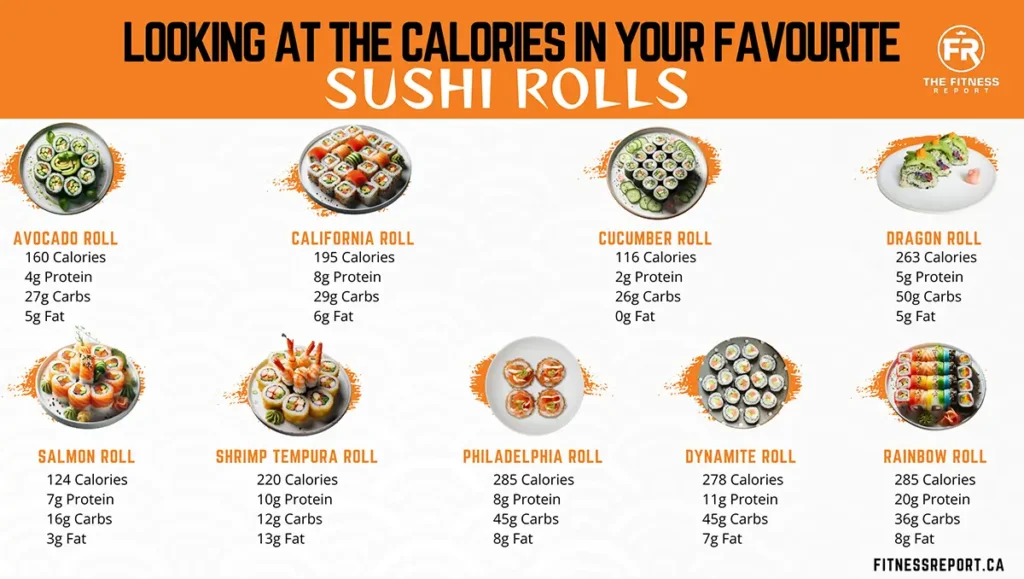
The California Roll, a staple in many Westernized sushi restaurants, represents a unique fusion of Japanese culinary art with ingredients more commonly found in the United States. Its existence is a testament to the global reach of food and how dishes can evolve and adapt to different palates. When you’re exploring a vibrant city like San Francisco, perhaps staying at the iconic Fairmont San Francisco, and decide to grab a quick and satisfying California Roll for lunch, it’s part of the overall travel experience. This includes not just sightseeing at landmarks like the Golden Gate Bridge, but also immersing yourself in the local food scene.
The Anatomy of a California Roll and Its Caloric Implications
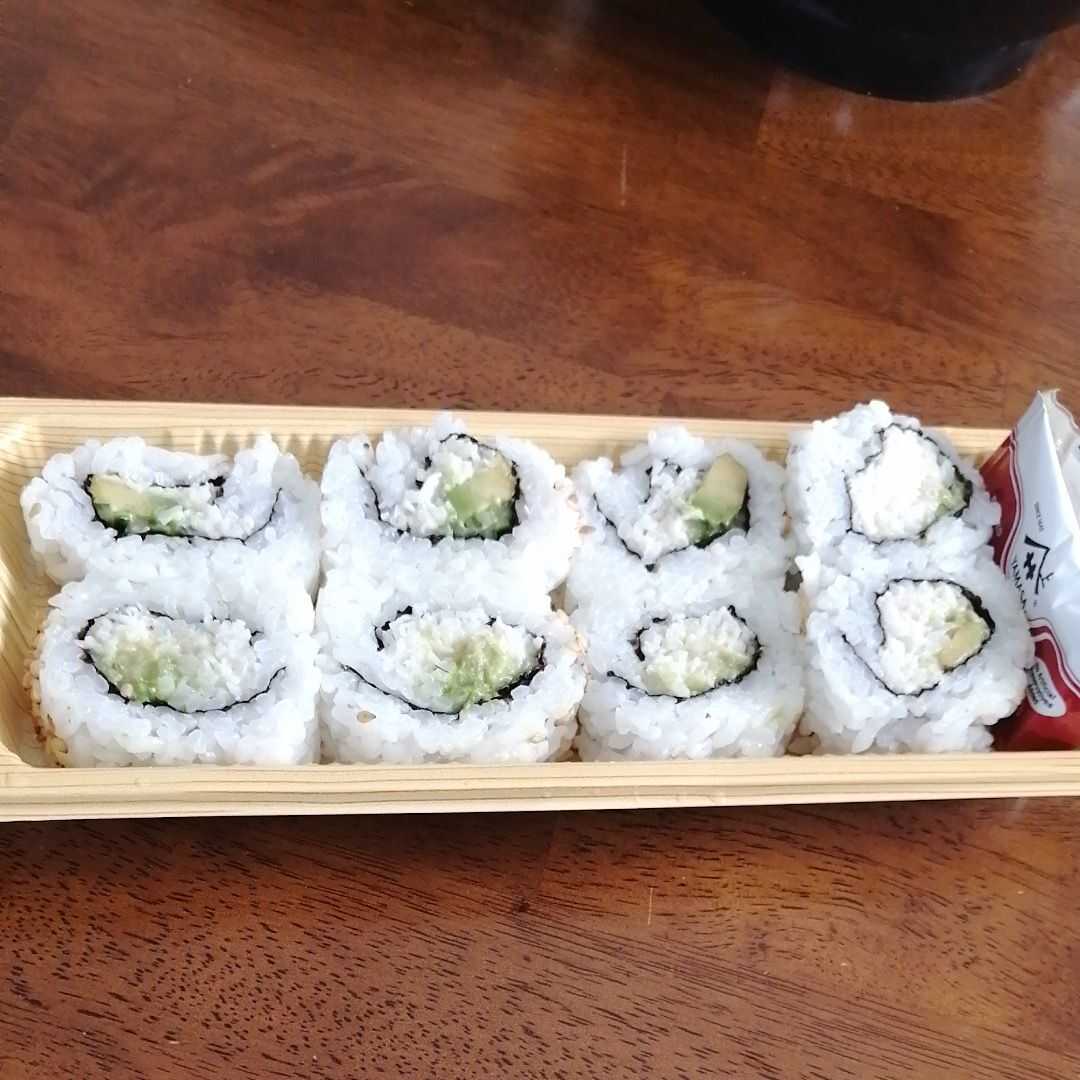
To truly answer “How Many Calories Is A California Roll?”, we need to dissect its components. A standard California Roll typically includes:
- Sushi Rice: This is the foundation, usually seasoned with rice vinegar, sugar, and salt. The amount of rice is significant, and its preparation method plays a role in its caloric density.
- Nori: The dried seaweed wrapper. Nori itself is very low in calories, providing essential minerals and a distinct flavor.
- Avocado: This creamy fruit adds healthy fats and a smooth texture. It’s calorie-dense due to its fat content.
- Crab Meat: Traditionally, imitation crab meat (surimi) is used, which is made from fish paste, often with added starches and flavorings. Real crab meat would have a different nutritional profile.
- Cucumber: Adds a refreshing crunch and a low-calorie element.
- Optional Additions: Some rolls might include mayonnaise (increasing calories and fat), sesame seeds (adding some fat and protein), or tobiko/masago (fish roe, adding a salty pop and some calories).
On average, a single piece of California Roll contains approximately 30-45 calories. A standard roll, cut into 6-8 pieces, can therefore range from 180 to 360 calories. This figure can fluctuate considerably based on the portion size, the amount of rice used, and the inclusion of higher-calorie ingredients like mayonnaise.
For a traveler, this information is valuable. If you’re on a budget trip and need to manage your food expenses and intake, knowing that a California Roll can be a moderately filling meal can be helpful. Conversely, if you’re on a luxury travel itinerary, perhaps staying at a beachfront resort like the Ritz-Carlton, Bali, and plan to dine at a Michelin-starred restaurant later, you might opt for a lighter option or a smaller portion of sushi to leave room for other culinary adventures.
Understanding the Role of Ingredients in Calorie Count
The key to understanding the calorie count of a California Roll lies in examining the individual contributions of its primary ingredients:
-
Sushi Rice: A cup of cooked sushi rice, seasoned with vinegar, sugar, and salt, contains roughly 200-220 calories. This is the most calorically significant component of the roll, especially considering the amount of rice packed into each piece. The way the rice is prepared, including the amount of sugar added to the vinegar, can slightly alter this number.
-
Avocado: A quarter of an avocado contains approximately 80 calories, primarily from its healthy monounsaturated fats. The richness and creaminess it provides are a key part of the California Roll’s appeal, but it’s also a calorie contributor.
-
Imitation Crab Meat (Surimi): A standard serving (around 2 ounces) of imitation crab meat typically contains about 60-80 calories. It’s a lean protein source, but the processing and added ingredients can make it more calorific than pure fish.
-
Mayonnaise: This is where the calorie count can significantly increase. A tablespoon of mayonnaise adds around 100 calories, mostly from fat. If a generous amount of mayonnaise is mixed with the crab filling or drizzled on top, it can substantially boost the roll’s caloric value.
-
Nori, Cucumber, and Other Garnishings: These contribute minimally to the overall calorie count. Nori is negligible, and cucumber is very low in calories, offering hydration and crunch. Sesame seeds, if used, add about 50 calories per tablespoon, along with some healthy fats and protein.

Therefore, a roll made with a lot of rice, generous avocado, and mayonnaise will naturally be higher in calories than one with a more balanced ratio of ingredients and less added fat. This is a crucial point for travelers who might be choosing between different sushi restaurants or even different types of rolls within the same establishment. For instance, when exploring the diverse culinary landscape of Kyoto, known for its refined cuisine, you might find variations in how traditional ingredients are prepared, impacting their caloric profiles.
California Rolls in the Context of Travel Lifestyles
The calorie count of a California Roll is more than just a number; it’s a piece of information that can influence a traveler’s decisions based on their lifestyle and goals.
Budget Travel and Fueling Adventures
For those on a budget, especially backpackers exploring cities like Berlin or backpacking through Southeast Asia, understanding the caloric density of meals is practical. A California Roll can be a relatively affordable and convenient way to get a substantial amount of energy for a day of exploration. It’s quick to eat, requires no seating, and can be found in many food courts or casual eateries. This aligns with the practicality often sought by budget travelers who prioritize experiences over lavish dining. They might grab a few rolls from a shop near a landmark like the Brandenburg Gate before heading off to explore more of the city.
Luxury Travel and Culinary Indulgence
On the other end of the spectrum, luxury travelers, who might be staying in opulent hotels like the Burj Al Arab Jumeirah in Dubai or enjoying a serene escape at a resort in the Maldives, often approach food differently. For them, the caloric content might be less of a concern than the quality, origin, and exquisite preparation of the ingredients. While a California Roll might be ordered as a light appetizer or a familiar comfort food, the focus is more likely to be on the overall dining experience, the artistry of the sushi chef, and the freshness of the seafood. They might seek out restaurants that offer premium ingredients, such as real crab or more sophisticated sushi preparations, even if they’re still technically variations of the California Roll concept.
Family Trips and Kid-Friendly Options
For families traveling with children, the California Roll often serves as a gateway sushi option. Its mild flavor and familiar ingredients like avocado and cucumber make it palatable for picky eaters. When parents are planning family-friendly accommodations, perhaps a resort with a kids’ club in Orlando, they often look for dining options that cater to everyone. The California Roll is a safe bet, providing a somewhat balanced meal that kids can enjoy without the often-intimidating raw fish. Understanding its calorie count is secondary to its appeal as a universally accepted dish that allows the whole family to participate in trying new cuisines.
Business Stays and Efficient Dining
Business travelers, often pressed for time, might find the California Roll to be an efficient and satisfying meal choice during their stay in bustling cities like New York City or London. Whether grabbing a quick lunch between meetings or ordering room service at a hotel like the Shangri-La Hotel, London, a California Roll offers a quick, relatively healthy, and satisfying option. Its portability and ease of consumption make it ideal for someone who needs to fuel up without disrupting their schedule.
Beyond the Calories: The Cultural Significance of the California Roll
The question “How Many Calories Is A California Roll?” also hints at a broader theme: how food travels and transforms across cultures. The California Roll itself is a product of culinary adaptation. Its creation is often attributed to Japanese chefs working in Los Angeles who sought to make sushi more approachable to American palates by reversing the nori (making it an inside-out roll) and using ingredients that were readily available and familiar. This fusion dish, born from a desire to bridge cultural tastes, is now a globally recognized symbol of modern sushi.
When travelers encounter a California Roll in a restaurant in, say, Paris or even a small town in Italy, they are experiencing a piece of this culinary globalization. It’s a reminder that travel isn’t just about visiting famous landmarks like the Eiffel Tower or the Colosseum, but also about engaging with the evolving tapestry of global cuisine.
The California Roll serves as a perfect example of how food can be a bridge between cultures. It allows us to explore the nuances of different culinary traditions, understand how dishes adapt to new environments, and make conscious choices about what we consume, whether we’re seeking to maintain a fitness regimen while on vacation or simply enjoy the diverse flavors the world has to offer. So, the next time you’re considering a California Roll, whether you’re overlooking the bustling streets of Hong Kong from a luxurious hotel or enjoying a casual lunch after a hike in the Canadian Rockies, remember that it’s more than just its calorie count; it’s a story on a plate.
LifeOutOfTheBox is a participant in the Amazon Services LLC Associates Program, an affiliate advertising program designed to provide a means for sites to earn advertising fees by advertising and linking to Amazon.com. Amazon, the Amazon logo, AmazonSupply, and the AmazonSupply logo are trademarks of Amazon.com, Inc. or its affiliates. As an Amazon Associate we earn affiliate commissions from qualifying purchases.