
The Golden State, a land of dreams, innovation, and unparalleled natural beauty, is a vast tapestry woven with diverse landscapes, vibrant cultures, and an abundance of human settlements. From the sun-drenched beaches of Southern California to the majestic peaks of the Sierra Nevada, and from the bustling metropolises of the coast to the quiet charm of inland valleys, California offers a spectrum of experiences. For travelers planning an adventure, a business trip, or even a long-term stay, understanding the geographical and administrative divisions of this colossal state is crucial. At the forefront of many a visitor’s mind, especially those looking to explore its rich offerings, is a fundamental question: “How many cities are in the state of California?”
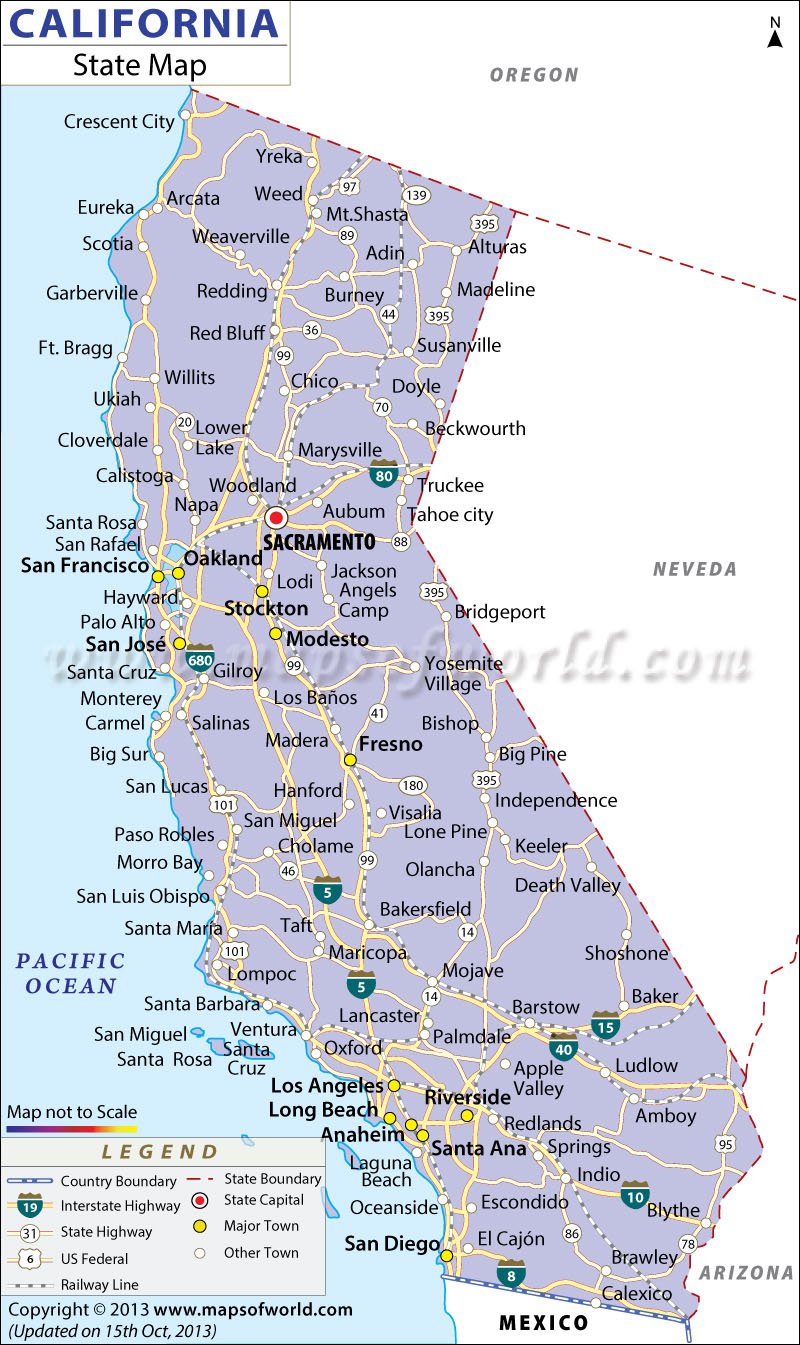
This query, seemingly straightforward, uncovers a fascinating complexity rooted in California’s governance, history, and the very definition of what constitutes a “city.” While official numbers can fluctuate and depend on specific criteria, the sheer scale of California means the answer is not a single, simple digit. It’s a number that reflects a dynamic entity, constantly evolving with population growth, incorporation, and changing administrative boundaries.
Defining a “City” in California: More Than Just a Name
Before diving into the numbers, it’s essential to clarify what we mean by “city” in the context of California. Unlike some countries with a single, universally recognized definition, the United States, and California in particular, employs a nuanced approach. In California, a “city” is generally an incorporated municipality that has established its own local government, powers, and responsibilities. This involves a formal process of incorporation, requiring a certain population threshold and a vote by the residents of the proposed area.
The California Government Code outlines the procedures for incorporating a city. This process ensures that these entities are self-governing, with elected officials responsible for services like police, fire protection, land use planning, and infrastructure. This distinguishes incorporated cities from unincorporated communities, which are areas that have not formally incorporated and are typically governed directly by the county in which they are located. While many unincorporated communities have distinct identities, local businesses, and a sense of place – and are often referred to colloquially as “towns” or “villages” – they do not possess the same administrative autonomy as an incorporated city.
Therefore, when asking about the number of cities, we are primarily referring to these legally recognized, incorporated municipalities. This distinction is vital for understanding local governance, taxation, and the types of services a resident or visitor might expect in different areas.
The Ever-Shifting Landscape of California’s Municipalities
The number of incorporated cities in California is not static. It’s a figure that changes over time due to several factors. New communities may choose to incorporate as they grow and mature, seeking greater control over their local affairs. Conversely, in rare instances, cities might disincorporate or consolidate with neighboring municipalities. This dynamic nature means that any definitive count is a snapshot in time.
Historically, California has seen a consistent trend of growth and urbanization, leading to the establishment of new cities. From the Gold Rush era settlements to the modern boomtowns, the state has continuously redefined its urban footprint. This ongoing development contributes to the considerable number of cities that dot the Californian map.
Unveiling the Numbers: How Many Incorporated Cities Are There?
Pinpointing an exact, universally agreed-upon figure for the number of cities in California can be a challenge due to the dynamic nature of incorporation and the varying sources of data. However, based on official records and reputable demographic sources, the number of incorporated cities in California typically hovers around 482.
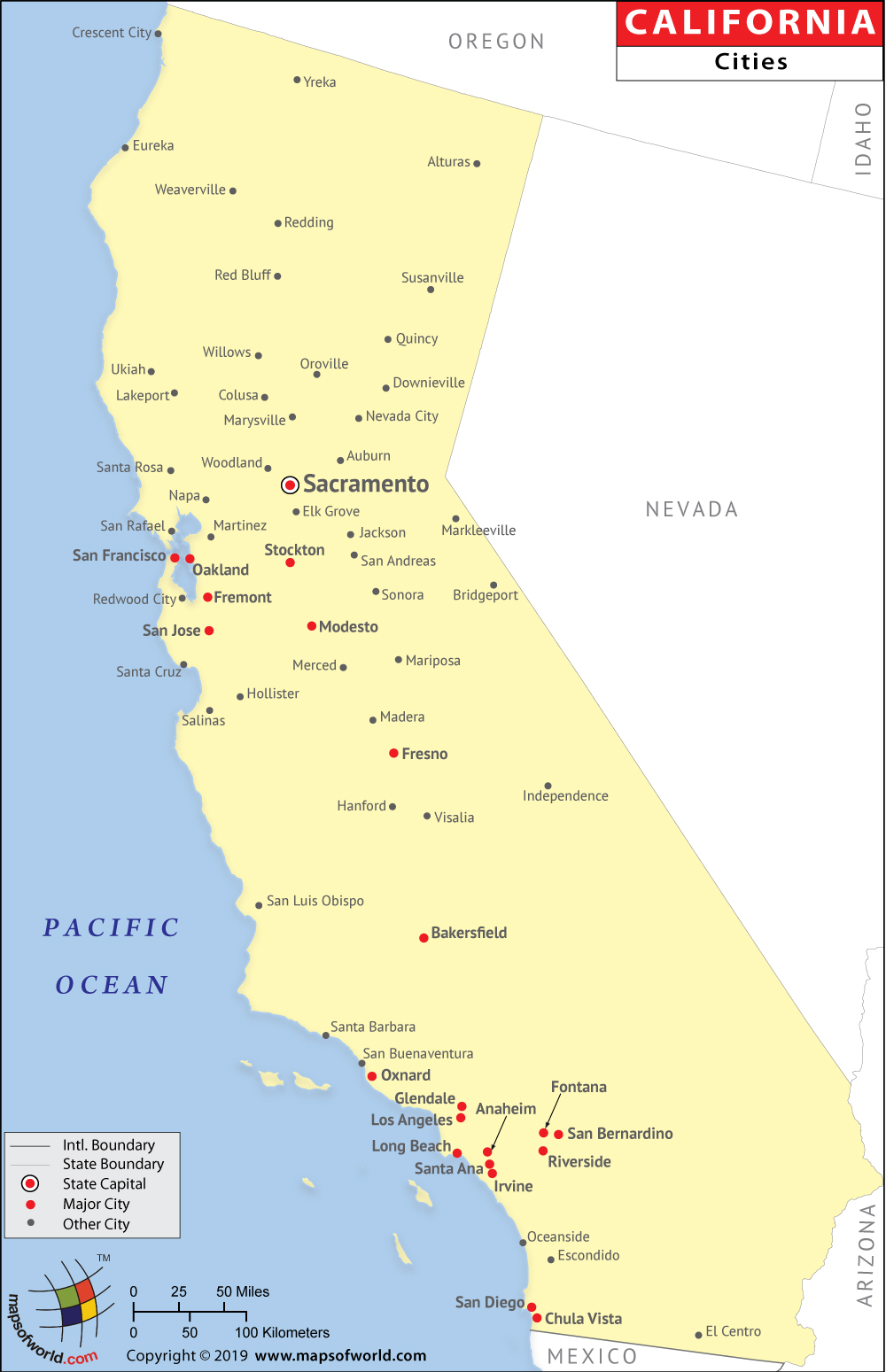
This figure is often cited by governmental bodies and statistical agencies. It represents the culmination of over a century of incorporation processes, from early settlements to the most recent additions to the Californian municipal landscape. Each of these cities, whether a sprawling metropolis like Los Angeles or a more intimate town, contributes to the unique character and economic vitality of the state.
The sheer volume of this number underscores California’s status as the most populous state in the United States. The density of population and the economic opportunities have historically fueled the growth of numerous urban centers, each developing its own distinct identity, attractions, and lifestyle.
Beyond the City Limits: Exploring California’s Diverse Settlements
While the count of incorporated cities provides a significant benchmark, it’s important to acknowledge that California is also home to a vast number of unincorporated communities. These communities, while lacking formal city status, are vibrant and integral parts of the state’s social and economic fabric. They often possess unique historical narratives, local businesses, and cultural attractions that draw visitors.
Examples of such communities, though not officially cities, are plentiful across the state. From charming desert towns in the Mojave Desert to agricultural hubs in the Central Valley, these places contribute to the rich diversity of California. Understanding the distinction between incorporated cities and unincorporated communities can also inform travel planning, as certain services and local governance structures will differ.
For travelers interested in exploring the full spectrum of California’s locales, venturing beyond the well-known incorporated cities can lead to incredibly rewarding experiences. These areas often offer a more authentic glimpse into local life, with unique culinary scenes, independent boutiques, and a slower pace that can be a welcome respite from the urban bustle.
A Glimpse at California’s Urban Mosaic: From Megacities to Charming Towns
The 482 incorporated cities in California represent an astonishing diversity in size, character, and prominence. At one end of the spectrum are the global metropolises that are synonymous with innovation, entertainment, and culture. Los Angeles, the state’s largest city, is a sprawling urban expanse renowned for its entertainment industry, diverse neighborhoods, and iconic landmarks like the Hollywood Walk of Fame and the Griffith Observatory. Nearby, San Diego offers a more laid-back coastal vibe with its beautiful beaches, vibrant Gaslamp Quarter, and the world-famous San Diego Zoo.
Further north, the San Francisco Bay Area is a hub of technology and culture. San Francisco, with its iconic Golden Gate Bridge, Alcatraz Island, and diverse culinary scene, is a city that captures the imagination of millions. Surrounding it are numerous other incorporated cities, each with its own unique identity, from the tech-centric environment of San Jose to the charming waterfront of Sausalito.
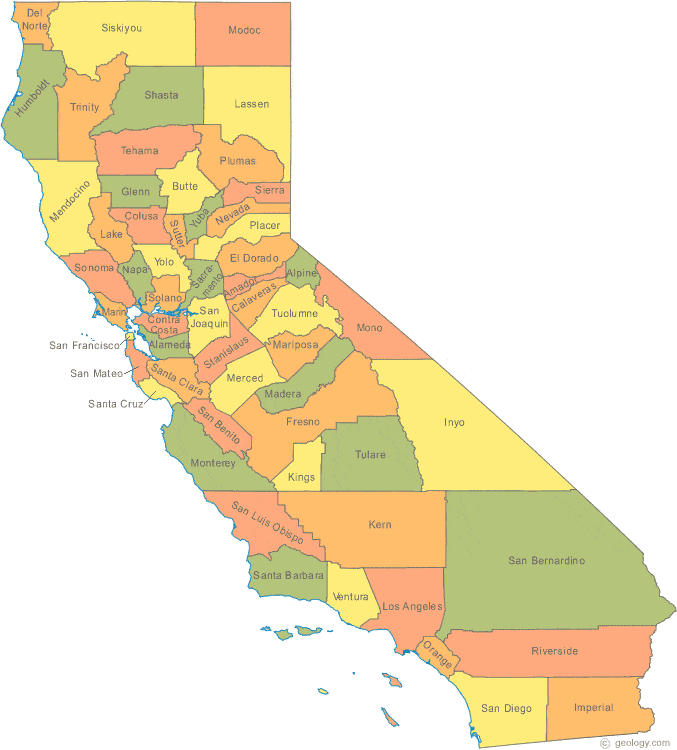
Exploring the Spectrum: Beyond the Major Hubs
Beyond these major urban centers, California is peppered with hundreds of smaller cities, each offering its own distinct charm and attractions. These range from historic Gold Rush towns like Nevada City and Placerville, which transport visitors back in time with their preserved architecture and pioneer spirit, to vibrant agricultural communities like Fresno in the Central Valley, the agricultural heartland of the state.
Coastal cities like Santa Barbara and Monterey are renowned for their picturesque settings, historic missions, and marine life. Inland, cities nestled near national parks like Yosemite National Park offer gateways to breathtaking natural wonders. These smaller cities often provide a more intimate travel experience, allowing visitors to connect with local culture, discover hidden gems, and enjoy the unique lifestyle each place offers.
Whether you’re seeking the excitement of a bustling metropolis, the tranquility of a coastal town, or the historical richness of a pioneer settlement, California’s diverse array of cities, numbering well over four hundred, ensures that there is a destination for every traveler and every interest. The question of “how many cities” is not just about a number; it’s an invitation to explore the vast and varied tapestry that makes California such an extraordinary place.
LifeOutOfTheBox is a participant in the Amazon Services LLC Associates Program, an affiliate advertising program designed to provide a means for sites to earn advertising fees by advertising and linking to Amazon.com. Amazon, the Amazon logo, AmazonSupply, and the AmazonSupply logo are trademarks of Amazon.com, Inc. or its affiliates. As an Amazon Associate we earn affiliate commissions from qualifying purchases.