
The question, “How many people are in California?” seems straightforward, yet the answer is a dynamic and ever-evolving figure. It’s a question that resonates deeply with anyone planning a trip to the Golden State, considering a move, or simply trying to grasp the sheer scale of one of the most populous and influential regions in the United States. This isn’t just about a number; it’s about understanding the human tapestry, the economic engine, and the vibrant culture that California represents.
When we talk about the population of California, we’re not just referring to a static census count. This figure is influenced by a multitude of factors: birth rates, death rates, and crucially, migration. People are constantly moving in and out of California, drawn by its diverse opportunities, stunning landscapes, and unique lifestyle. Understanding these dynamics provides a richer picture than any single data point.
Unpacking the Population Puzzle
The Current Headcount: A Snapshot in Time
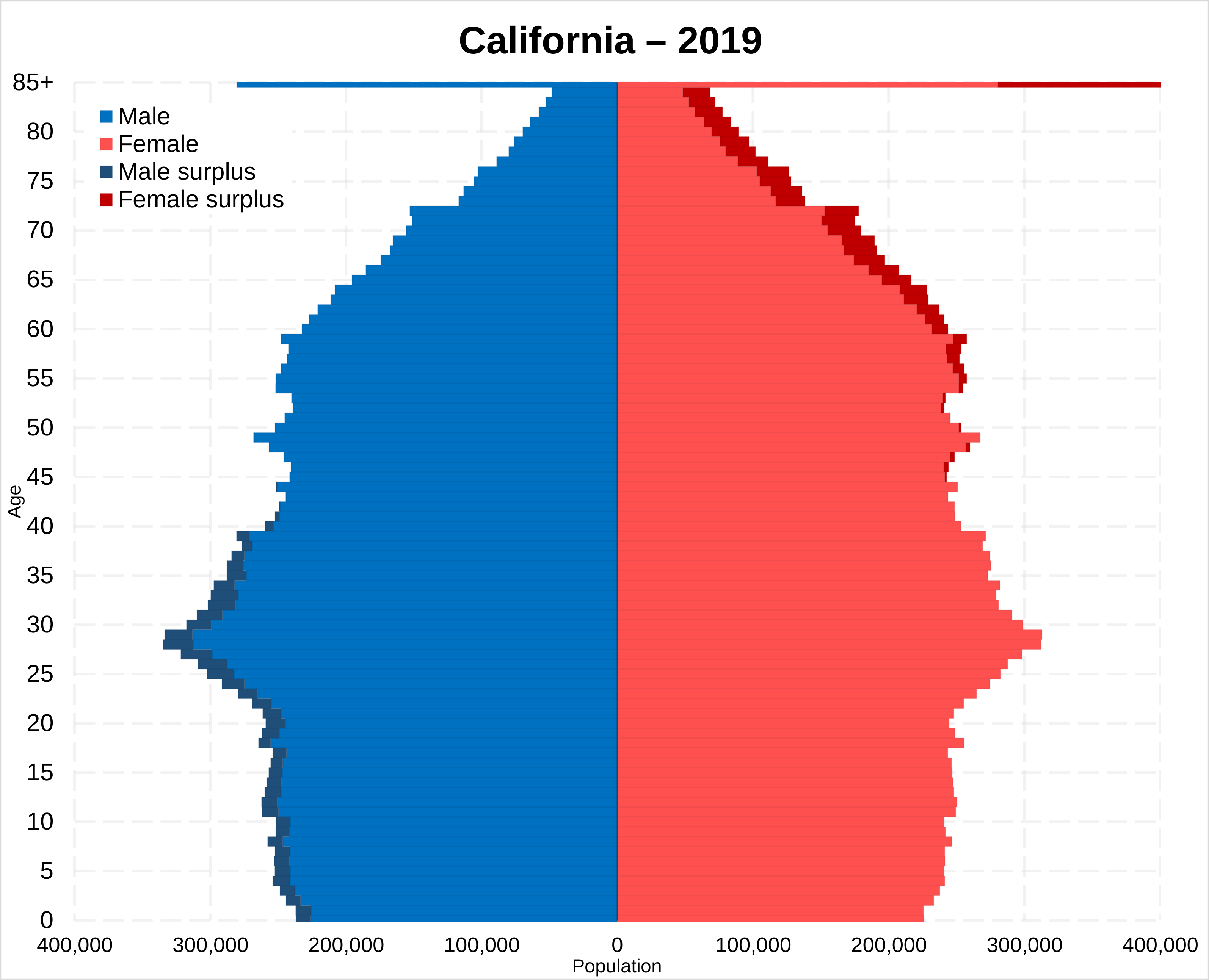
As of the most recent estimates, California is home to well over 39 million people. This staggering number makes it the most populous state in the United States, far exceeding its closest competitor, Texas. To put this into perspective, if California were an independent country, it would rank among the 40 most populous nations in the world. This density contributes to its significant economic output, its diverse cultural landscape, and also its unique challenges.
The United States Census Bureau is the primary source for this demographic data. While the decennial census provides the most comprehensive count, annual estimates are crucial for tracking changes in between. These estimates are meticulously calculated, taking into account various demographic trends. The sheer volume of people means that even small percentage changes can represent hundreds of thousands of individuals.
Historical Growth: A Tale of Two Centuries
California‘s population journey is a fascinating narrative of rapid growth and transformation. In the mid-19th century, the discovery of gold at Sutter’s Mill ignited the California Gold Rush, triggering an unprecedented influx of people. This era dramatically reshaped the state, transforming it from a sparsely populated territory to a rapidly growing entity. The promise of wealth and a new beginning attracted people from across the United States and around the world.
The 20th century saw continued, exponential growth. Post-World War II economic booms, coupled with the rise of industries like aerospace and technology, continued to draw millions. The post-war baby boom further fueled population increases. Cities like Los Angeles and the San Francisco Bay Area became magnets for job seekers and those seeking a sunnier, more prosperous life. This period cemented California‘s status as a demographic powerhouse.
The latter half of the 20th century and the beginning of the 21st have seen this growth continue, though at varying rates. While the pace has moderated compared to some earlier decades, California consistently adds hundreds of thousands of residents each year. Understanding this historical trajectory is key to appreciating the current demographic landscape and its future implications.
Factors Influencing Population Dynamics
The number of people in California is not a fixed entity; it’s a dynamic ecosystem influenced by a complex interplay of factors. These elements shape who comes to California, who stays, and who leaves, ultimately defining the state’s demographic profile.
Economic Opportunities and the Job Market
California has long been a land of opportunity, a beacon for those seeking employment and economic advancement. Its economy is the largest in the United States and the fifth-largest in the world. Key industries such as technology, entertainment, agriculture, and tourism consistently attract a global workforce.
The Silicon Valley region, for instance, is a global hub for innovation and technology, drawing highly skilled professionals from across the globe to companies like Apple and Google. Similarly, the entertainment industry centered in Los Angeles offers opportunities for artists, technicians, and support staff. The state’s vast agricultural sector also provides employment, particularly in regions like the Central Valley.
However, economic conditions can also lead to population shifts. When the economy falters, or when job growth slows, California can experience out-migration. Conversely, periods of economic prosperity invariably lead to increased in-migration. The cost of living, particularly housing, also plays a significant role. High housing costs in major metropolitan areas can deter potential residents or lead existing ones to seek more affordable regions within or outside the state.
Lifestyle and Desirability: The California Dream
Beyond economic factors, California possesses an undeniable allure that draws people from all walks of life. Its diverse geography, ranging from stunning coastlines and majestic mountains to arid deserts and fertile valleys, offers a lifestyle unmatched by many other places.

The promise of a laid-back, sun-drenched lifestyle, coupled with a strong emphasis on outdoor activities, appeals to many. From surfing in Malibu to hiking in Yosemite National Park, California provides abundant opportunities for recreation and exploration. Its cultural diversity, vibrant arts scenes, and renowned culinary landscape also contribute to its attractiveness as a place to live and visit.
For those seeking luxury, California offers exclusive resorts and high-end accommodations, epitomized by destinations like Beverly Hills. Families find a wealth of activities, from theme parks like Disneyland to educational attractions. Even business travelers can find comfortable and efficient stays in the state’s many hotels and serviced apartments. This multifaceted appeal, the “California Dream,” continues to draw millions, impacting the state’s population figures.
Migration Patterns: In and Out
California experiences significant migration, both from other parts of the United States and internationally. Historically, the state has been a major destination for immigrants, particularly from Mexico and Asia. This immigration has profoundly shaped California‘s cultural mosaic, contributing to its linguistic diversity and rich traditions.
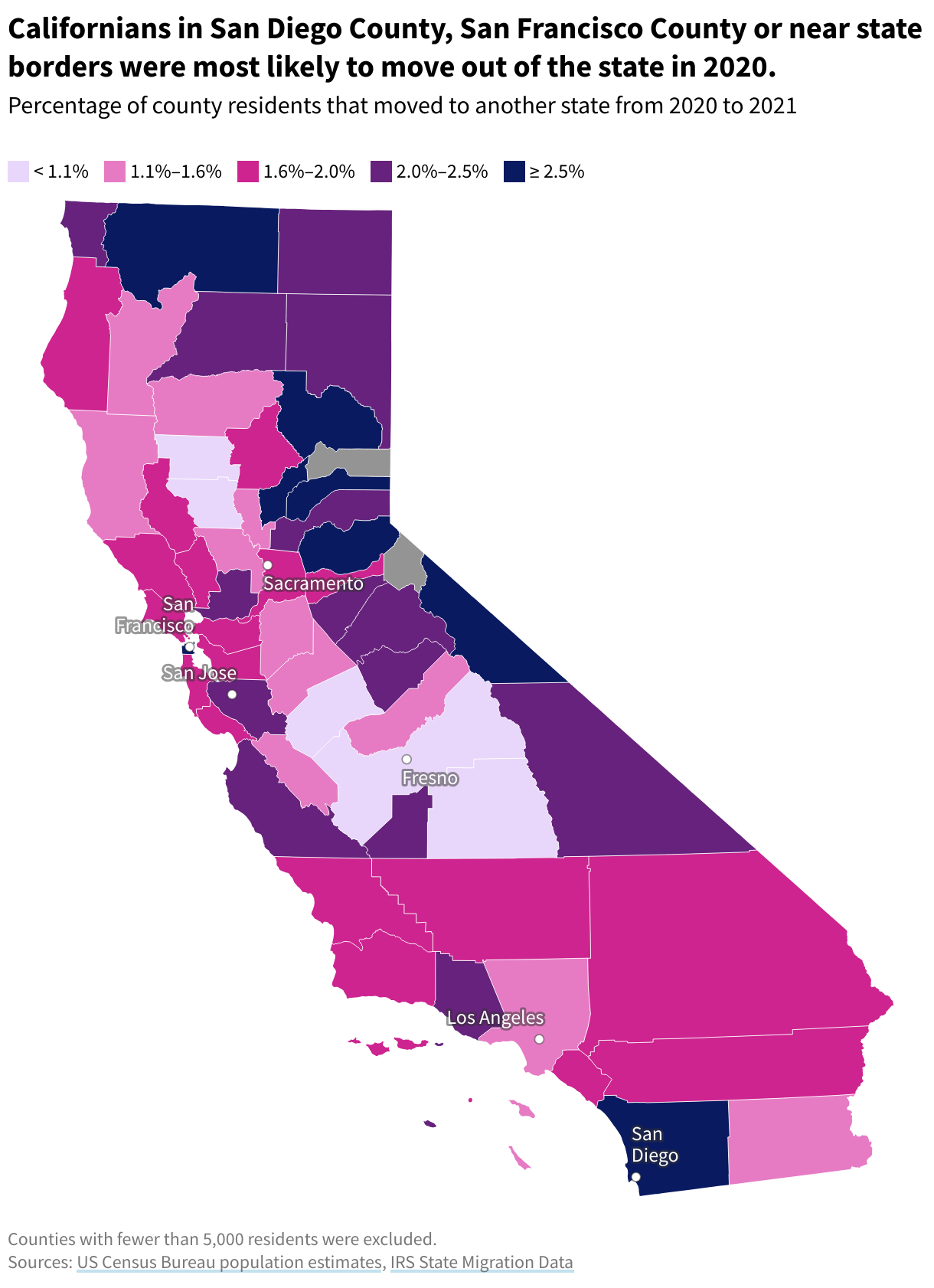
Domestic migration is also a critical component. People move to California seeking jobs, better weather, or to be closer to family. Conversely, economic challenges, high living costs, or a desire for a different pace of life can lead residents to leave. In recent years, there has been notable out-migration from California to states like Texas, Arizona, and Nevada, often citing affordability as a primary reason.
Understanding these migration patterns requires looking at both the push and pull factors. What makes people leave California (push factors) and what draws them to it (pull factors) are constantly in flux, directly influencing the net population change.
The Impact of Population on California’s Tourism and Infrastructure
The sheer volume of people in California has a profound impact on its infrastructure and its thriving tourism industry. It dictates the demand for accommodation, attractions, and services, while also presenting unique challenges and opportunities.
Tourism and Visitor Numbers
California is one of the top tourist destinations in the world. Millions of domestic and international visitors flock to the state each year, drawn by its iconic landmarks, diverse attractions, and varied experiences. From the glitz of Hollywood to the natural wonders of Death Valley National Park and the charm of San Francisco’s Golden Gate Bridge, California offers something for every traveler.
The state’s tourism industry is a significant economic driver, supporting countless businesses, including hotels, restaurants, tour operators, and retail establishments. Destinations like San Diego with its beaches and Palm Springs with its resorts attract visitors year-round. The sheer number of visitors means that popular attractions can be crowded, necessitating careful planning for those seeking a more intimate experience.
Infrastructure and Resources
A population exceeding 39 million places immense demands on California‘s infrastructure. This includes transportation networks, water resources, energy grids, and public services. Managing traffic congestion in major urban centers like Los Angeles and the Bay Area is a perennial challenge. The state’s commitment to public transportation, including BART in the Bay Area and the Metro system in Los Angeles, is crucial in mitigating these issues.
Water management is another critical concern, especially given California‘s often arid climate and its status as a major agricultural producer. The state’s extensive network of reservoirs and aqueducts is vital for supplying its vast population and industries. Energy demands are also substantial, driving investment in renewable energy sources like solar and wind power.
The housing market, as mentioned earlier, is a direct consequence of population pressure. The demand for housing in desirable areas far outstrips supply, leading to high prices and a significant challenge for affordability. This impacts not only residents but also the availability and cost of accommodation for tourists.
The Future of California’s Population
Predicting population trends is an inexact science, but demographic projections offer insights into California‘s future. While growth may moderate, the state is expected to remain the most populous in the United States for the foreseeable future.
Factors like changing birth rates, evolving migration patterns, and economic shifts will continue to shape the numbers. California‘s leadership in areas like technology and its commitment to sustainable living may continue to draw talent and investment. However, addressing challenges related to housing affordability, water scarcity, and infrastructure will be paramount to sustaining its growth and appeal.
Ultimately, the question “How many people are in California?” is more than just a number. It’s a reflection of a state’s enduring appeal, its economic dynamism, and the continuous flow of people seeking to build a life in this iconic corner of the world. Understanding these dynamics is essential for anyone interested in the past, present, or future of the Golden State.
LifeOutOfTheBox is a participant in the Amazon Services LLC Associates Program, an affiliate advertising program designed to provide a means for sites to earn advertising fees by advertising and linking to Amazon.com. Amazon, the Amazon logo, AmazonSupply, and the AmazonSupply logo are trademarks of Amazon.com, Inc. or its affiliates. As an Amazon Associate we earn affiliate commissions from qualifying purchases.