
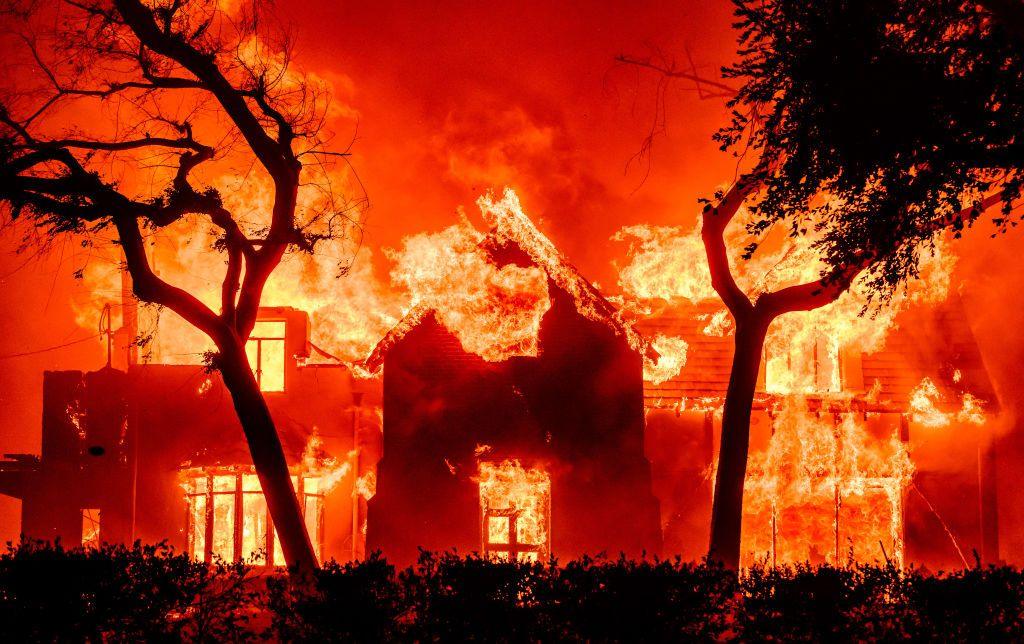
The devastating wildfires that have repeatedly swept through the Golden State of California are not just a tragic environmental event, but a profound human crisis. Beyond the immense property destruction and the searing images of smoke-choked skies, the most heartbreaking consequence of these infernos is the loss of human life. Tracking the exact number of fatalities from these complex and often rapidly evolving disasters is a challenging, yet crucial, undertaking. This article delves into the grim statistics, the contributing factors to these losses, and the broader impact on communities and the state’s vital tourism industry.
Understanding the Data: Fatalities in California Wildfires
California has a long and often painful history with wildfires, but the frequency and intensity of these blazes have escalated in recent decades. The question of “how many people have died from the fires in California?” is not a static one; it requires ongoing monitoring as fire seasons become more severe and recovery efforts continue. Official figures are compiled by various agencies, including Cal Fire, the California Department of Forestry and Fire Protection, and local law enforcement. However, providing an exact, single, up-to-the-minute number is inherently difficult due to several factors:
- Ongoing Investigations: In the immediate aftermath of a wildfire, the primary focus is on containment and rescue. Identifying and confirming fatalities can be a lengthy and meticulous process, often involving forensic analysis.
- Undetermined Circumstances: Some individuals may be reported missing, and their remains might not be immediately identifiable or discovered.
- Indirect Fatalities: The statistics typically focus on direct fatalities from the fires themselves, such as those caught in flames or smoke inhalation. However, the fires can indirectly lead to deaths through prolonged exposure to poor air quality, stress-induced health conditions, or disruptions to essential services, which are harder to quantify.
- Varying Fire Seasons: Each fire season brings new tragedies, and cumulative numbers can change significantly year over year.
Key Wildfires and Their Human Toll
To grasp the scale of the human cost, examining some of the most destructive fires in recent California history provides a clearer picture. These events serve as stark reminders of the destructive power of wildfires and the vulnerability of communities.
The Camp Fire (2018)
The Camp Fire in November 2018 stands as the deadliest wildfire in California history. It devastated the town of Paradise, Butte County, and tragically claimed 85 lives. The fire, which moved with unprecedented speed, overwhelmed residents and emergency responders, leaving little time for escape. The destruction was so complete that many homes were reduced to ash and rubble, making identification of victims extremely challenging. The Camp Fire also destroyed over 18,000 structures, underscoring its catastrophic impact.
The Tubbs Fire (2017)
In October 2017, the Tubbs Fire ravaged parts of Sonoma County and neighboring areas, including the city of Santa Rosa. This fire was particularly harrowing as it erupted in a densely populated urban interface. The Tubbs Fire resulted in 22 fatalities and destroyed thousands of homes and businesses. The speed at which the fire spread through residential neighborhoods left many with no warning and limited escape routes.
The Mendocino Complex Fire (2018)
While the Mendocino Complex Fire in 2018 was the largest wildfire by acreage in California history at the time, its direct fatality count was thankfully lower. This complex of fires, comprising the River Fire and the Ranch Fire, resulted in one fatality. However, the sheer scale of the burn area and the displacement of thousands of residents highlight the immense destructive potential, even when the direct human toll is less severe.
Other Notable Fires
Numerous other wildfires have tragically claimed lives in California. The Woolsey Fire (2018) in Los Angeles County and Ventura County resulted in three fatalities. The Thomas Fire (2017) in Ventura County and Santa Barbara County also claimed two lives. These numbers, while seemingly small in comparison to the total population, represent individual lives, families shattered, and communities forever altered.
The Impact of Wildfires Beyond Direct Fatalities
The loss of life is the most profound and irreversible consequence of California’s wildfires. However, the impact extends far beyond these tragic figures, affecting the fabric of daily life, the economy, and the environment.
Community Devastation and Displacement
When a wildfire engulfs a community, it doesn’t just destroy buildings; it tears apart the social and economic structures that hold it together. Residents are not only forced to flee with little more than the clothes on their backs but often lose their homes, businesses, and all their possessions. This displacement can be long-lasting, with many struggling to find affordable housing and rebuild their lives. The psychological toll of such trauma – the grief, the anxiety, and the loss of security – can be immense and enduring. Small towns, particularly those in rural or historically underserved areas, can be disproportionately affected, with their economies struggling to recover from the loss of local businesses and tax revenue.

Economic Repercussions
The economic impact of wildfires in California is staggering, extending to individuals, businesses, and the state as a whole.
Tourism and Hospitality Sector
California’s reputation as a premier travel destination is directly threatened by the recurrent wildfires. Smoke-filled skies, road closures, and evacuations deter tourists, leading to significant losses for the tourism industry. Hotels, resorts, and restaurants in affected areas, as well as those that rely on visitors passing through or enjoying nearby attractions and landmarks, experience a sharp decline in bookings and revenue. Even areas not directly impacted by flames can suffer from the perception of danger and the widespread air quality issues. This ripple effect can impact employment in the service sector, which is a significant contributor to the state’s economy. For travelers planning trips or considering long-term stays, the unpredictability of wildfires can make California a less appealing or more complex destination to plan for.
Infrastructure and Recovery Costs
The cost of fighting wildfires is enormous, involving massive deployments of firefighters, aircraft, and equipment. Beyond the immediate firefighting efforts, the expense of recovery is equally substantial. This includes the cost of debris removal, rebuilding damaged infrastructure (roads, power lines, water systems), and providing support to displaced residents. These costs place a significant strain on state and local government budgets, diverting funds from other essential public services.
Environmental Degradation
The ecological consequences of wildfires are also severe. Vast tracts of forest and natural habitat are destroyed, impacting biodiversity and wildlife populations. The loss of trees contributes to soil erosion, increases the risk of landslides, and can affect water quality in rivers and streams. While some ecosystems are adapted to periodic fires, the increased frequency and intensity of modern wildfires can push them beyond their natural resilience. The long-term effects on air and water quality, even after the fires have subsided, can persist for years.
Looking Forward: Mitigation, Preparedness, and Resilience
The question of “how many people have died from the fires in California?” is a call to action. It compels a deeper examination of what can be done to prevent future tragedies and build greater resilience in communities.
Prevention and Mitigation Strategies
Efforts to combat the growing wildfire crisis in California are multifaceted and include:
- Forest Management: Implementing proactive forest management practices, such as prescribed burns and fuel reduction projects, can help reduce the intensity and spread of wildfires.
- Infrastructure Hardening: Utilities are investing in hardening their electrical infrastructure to prevent sparks from igniting fires, including undergrounding power lines in high-risk areas and implementing targeted power shutoffs during extreme weather conditions.
- Building Codes and Land Use Planning: Encouraging or mandating fire-resistant building materials in fire-prone areas and implementing stricter land-use planning that considers wildfire risks are crucial.
- Early Detection and Response: Investing in advanced technologies for early fire detection and ensuring adequate resources for rapid response are critical to containing fires before they become uncontrollable.
Community Preparedness and Evacuation Planning
For residents living in wildfire-prone areas, preparedness is paramount. This includes:
- Creating Defensible Space: Homeowners are urged to create defensible space around their properties by clearing vegetation and flammable materials.
- Developing Evacuation Plans: Having a well-rehearsed evacuation plan, including designated meeting points and routes, is vital for ensuring the safety of family members and pets.
- Staying Informed: Monitoring official alerts and warnings from emergency services is crucial during fire events.

The Role of Tourism in Recovery and Awareness
While wildfires pose a threat to tourism in California, the tourism industry also plays a role in recovery and raising awareness. Once safe, visiting affected regions can provide a vital economic boost. Responsible tourism that supports local businesses and respects environmental recovery efforts can be a powerful tool for healing. Furthermore, showcasing the beauty and resilience of California through travel guides and experiences can help to shift the narrative from devastation to recovery, encouraging a return to normalcy for communities that depend on visitor spending. Promoting sustainable travel practices can also contribute to the long-term health of the natural landscapes that are so vital to the state’s appeal.
The tragic toll of wildfires in California is a stark reminder of the urgent need for collective action. By understanding the data, acknowledging the broader impacts, and committing to robust mitigation and preparedness strategies, California can strive to reduce the human cost of these devastating events and foster a more resilient future for its residents and its iconic landscapes.
LifeOutOfTheBox is a participant in the Amazon Services LLC Associates Program, an affiliate advertising program designed to provide a means for sites to earn advertising fees by advertising and linking to Amazon.com. Amazon, the Amazon logo, AmazonSupply, and the AmazonSupply logo are trademarks of Amazon.com, Inc. or its affiliates. As an Amazon Associate we earn affiliate commissions from qualifying purchases.