
Texas Hold’em stands as the undisputed king of poker, a card game that seamlessly blends skill, strategy, and a dash of luck. Its global appeal isn’t just confined to the neon-lit casinos of Las Vegas or the high-stakes tables of Monte Carlo; it’s a social glue found in living rooms, on luxury cruise ships, and even in casual gatherings during your travels. Whether you’re relaxing in a lavish suite at the Bellagio, unwinding at a boutique hotel in Paris, or simply enjoying a quiet evening at an all-inclusive resort after a day of exploring local culture in New Orleans, understanding Texas Hold’em can open doors to exciting social interactions and a new layer of entertainment. This guide will walk you through the fundamental rules of this captivating game, ensuring you’re ready to ante up, whether you’re a complete novice or looking for a refresher before your next big trip.
Texas Hold’em is more than just a game; it’s a global phenomenon that transcends borders and languages, bringing people together over shared moments of tension, triumph, and tactical thinking. From the bustling poker rooms of Macau to the serene comfort of a Four Seasons resort lounge, the thrill of anticipating the next card and outmaneuvering opponents remains a universal language. It’s a quintessential part of the gaming lifestyle, offering both casual fun and the potential for serious competition, like the famed World Series of Poker. Mastering Texas Hold’em isn’t just about winning money; it’s about understanding human psychology, reading tells, and making calculated decisions under pressure – skills that can even enhance your travel experiences by encouraging keen observation and strategic planning. So, let’s deal into the specifics of how this legendary game is played, preparing you for wherever your next adventure, or poker hand, may take you.

The Core Mechanics: Getting Started with Texas Hold’em
Before you can bluff your way to a pot or hit a miraculous river card, it’s essential to grasp the fundamental mechanics of Texas Hold’em. This game involves several key elements, from the number of players and the deck of cards to the unique roles that dictate the flow of betting. Understanding these basics is the first step towards confidently joining a game, whether it’s a friendly match during a family trip or a more serious session at a casino in Monaco. The beauty of Hold’em lies in its straightforward setup, making it accessible even to those who are new to the world of card games.
The Objective and Deck
At its heart, the objective of Texas Hold’em is deceptively simple: win the pot. The pot contains all the money or chips that players have bet during a hand. You can win the pot in one of two ways: either by having the best five-card poker hand at the “showdown” (when all betting rounds are complete and players reveal their cards), or by being the last player remaining in the hand because all other players have “folded” (given up their claim to the pot). The game is played with a standard 52-card deck, without jokers. It can accommodate anywhere from two players (known as heads-up) up to ten players at a full table. The optimal number for a dynamic game is often considered to be six to nine players, allowing for a good mix of action and strategic depth, perfect for a lively evening in your hotel suite at the MGM Grand or a resort in the Caribbean.
The Blinds and Dealer Button
A unique aspect of Texas Hold’em that drives the initial action is the concept of “blinds” and the “dealer button.” Before any cards are dealt, two players to the left of the dealer must place forced bets called “blinds.” The player immediately to the left of the dealer places the “small blind,” and the player to their left places the “big blind.” The big blind is typically twice the size of the small blind, establishing the minimum bet for the first betting round. These blinds ensure there’s always money in the pot to play for, even before players see their cards. The “dealer button” is a disc that rotates clockwise around the table after each hand, indicating who is the nominal dealer for that hand. This rotation ensures that everyone eventually takes on the roles of small blind, big blind, and dealer, providing a fair distribution of positional advantage and forced bets throughout the game. This dynamic system ensures constant engagement, whether you’re playing at a bustling casino like Caesars Palace or a casual game with friends during an Alaskan Cruise.
Dealing the Hole Cards
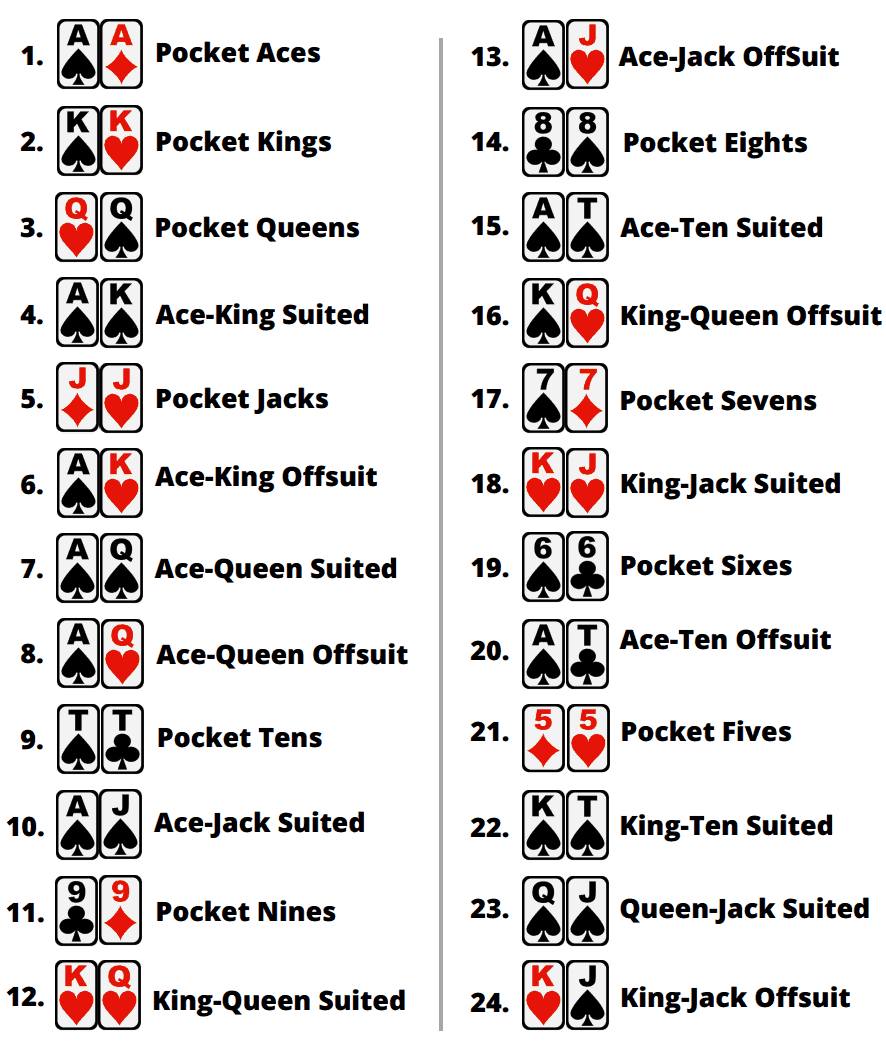
Once the blinds are placed and the dealer button is set, the actual dealing of cards begins. Each player at the table receives two cards, dealt face down. These are called your “hole cards.” These two cards are unique to you and should be kept secret from other players. They are the foundation of your hand and will be combined with five “community cards” that will be dealt face up in the middle of the table during subsequent betting rounds. The dealer starts by dealing one hole card to the player in the small blind position, then proceeds clockwise around the table until everyone has one card. Then, a second card is dealt to each player in the same order. These two hole cards are your starting hand, and the decisions you make with them – whether to play, fold, or bet – will shape the rest of the hand. It’s the moment of anticipation that truly kicks off the game, a feeling familiar to anyone who’s ever waited for their baggage at a new airport destination or for a bus to a famous landmark.
Navigating the Betting Rounds
The heart of Texas Hold’em lies in its dynamic betting rounds. Unlike many other card games, Hold’em unfolds in distinct phases, each punctuated by opportunities for players to bet, raise, call, or fold. This structure allows for strategic play, bluffs, and calculated risks, making every hand a unique challenge. Understanding the flow of these rounds is crucial for any aspiring player, providing the framework upon which all your tactical decisions will be built. Whether you’re playing in a casual home game or a professional tournament at the ARIA Resort & Casino, the rhythm of the betting rounds remains consistent, creating the universal language of poker.
Pre-Flop: The First Decision
The “pre-flop” round is the very first betting round and begins immediately after all players have received their two hole cards. The action starts with the player to the left of the big blind. This player has several options:
- Fold: Give up their hand and forfeit any chance to win the pot.
- Call: Match the amount of the big blind to stay in the hand.
- Raise: Increase the bet beyond the big blind amount.
The betting then continues clockwise around the table. Each subsequent player must either call the current highest bet, raise it further, or fold. This round is critical because it’s your first chance to act on your hand. Strong starting hands like a pair of Aces or Kings are often raised aggressively, while weaker hands are typically folded. The pre-flop decisions are fundamental to your overall strategy and can set the tone for the entire hand, much like the initial planning for a grand tour across the United States determines the success of the entire journey.
The Flop: Community Cards Emerge
If more than one player remains after the pre-flop betting, the dealer proceeds to the “flop.” The flop involves dealing three community cards face up in the center of the table. These three cards are shared by all active players and can be used by anyone to form their best five-card poker hand in conjunction with their two hole cards. Once the flop cards are revealed, a new betting round begins. This time, the action starts with the first active player to the left of the dealer button. Players again have the options to check (if no bet has been made, passing the action without betting), bet, call, raise, or fold. The flop is often a pivotal moment in the hand, as it dramatically changes the probabilities and potential strength of players’ hands. It’s where the initial picture of who has a strong hand, or who might be bluffing, truly starts to emerge, much like seeing the grandeur of the Grand Canyon for the first time after a long drive.
The Turn: Building the Pot
Should multiple players still be in the hand after the flop betting round, the game moves to “the turn.” The turn involves dealing a single, fourth community card face up next to the flop cards. This card is also shared by all active players. After the turn card is revealed, another betting round ensues, following the same structure as the flop betting round, starting with the first active player to the left of the dealer button. The turn card can significantly alter the hand dynamics, potentially completing straight or flush draws for some players, or rendering others’ hands less valuable. Bets in this round, and the subsequent river round, are typically larger than those in the pre-flop and flop rounds, reflecting the increased confidence players might have in their hands and the growing size of the pot. It’s a moment of heightened tension, similar to the anticipation felt when you’re about to check into a highly-rated Ritz-Carlton property you’ve been looking forward to for months.
The River: The Final Card
The “river” is the fifth and final community card dealt face up on the table, following the turn. This is the last card that will be added to the board, completing the set of five community cards available to all players. Once the river card is revealed, the final betting round commences. Again, the action starts with the first active player to the left of the dealer button, and players can check, bet, call, raise, or fold. This round represents the last opportunity for players to influence the pot size through betting or to fold if they believe their hand is beaten. After the river betting round is completed, if more than one player remains, the game proceeds to the “showdown,” where players reveal their cards to determine the winner. The river is often the most dramatic moment in a hand, capable of making or breaking fortunes, much like the final leg of a demanding but rewarding journey, perhaps a trek to the base of the Eiffel Tower after a day of sightseeing.
The Showdown and Hand Rankings
After all betting rounds are complete, and if more than one player remains, it’s time for the “showdown.” This is the moment of truth where players reveal their hole cards to determine who holds the strongest hand and thus wins the accumulated pot. Knowing the hierarchy of poker hands is absolutely essential for understanding who wins and for making informed decisions throughout the game. Without this knowledge, even the most strategic play during the betting rounds can fall flat. Whether you’re competing for a grand prize at The Venetian Macao or just bragging rights during a family game night, understanding the showdown is paramount.
Determining the Winner
At the showdown, each remaining player uses their two hole cards in combination with any three of the five community cards (or one hole card and four community cards, or even both hole cards and three community cards) to form the best possible five-card poker hand. It’s important to remember that you don’t have to use both your hole cards; you simply use the combination that yields your highest five-card hand. The player who made the last aggressive action (a bet or a raise) usually shows their cards first. If there was no bet on the final round, the player to the left of the dealer button reveals their hand first. Once all hands are revealed, the player with the highest-ranking five-card poker hand wins the entire pot. If two or more players have identical five-card hands, the pot is split evenly among them. This moment of reveal is often filled with excitement and sometimes disappointment, encapsulating the entire journey of the hand, much like arriving at a much-anticipated destination such as Marina Bay Sands after a long flight.
Mastering Hand Rankings
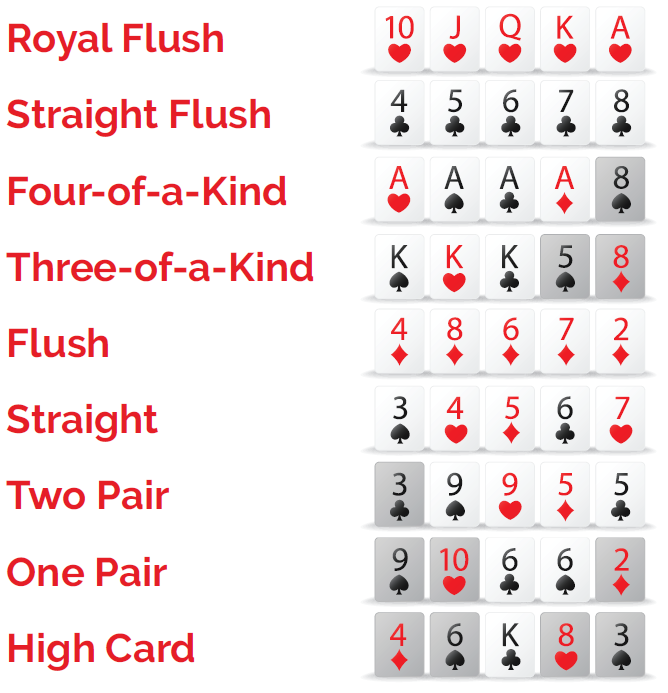
Understanding the hierarchy of poker hands is non-negotiable for playing Texas Hold’em. Here’s a list from highest to lowest ranking:
- Royal Flush: The ultimate hand. A, K, Q, J, 10, all of the same suit (e.g., A♠ K♠ Q♠ J♠ 10♠).
- Straight Flush: Five cards in sequential order, all of the same suit (e.g., 9♣ 8♣ 7♣ 6♣ 5♣).
- Four of a Kind: Four cards of the same rank, plus one unrelated card (e.g., A♠ A♣ A♥ A♦ K♠).
- Full House: Three cards of one rank and two cards of another rank (e.g., K♠ K♣ K♥ 7♦ 7♠).
- Flush: Five cards of the same suit, not in sequential order (e.g., K♠ J♠ 8♠ 4♠ 2♠).
- Straight: Five cards in sequential order, but not all of the same suit (e.g., 8♥ 7♠ 6♣ 5♦ 4♥).
- Three of a Kind: Three cards of the same rank, plus two unrelated cards (e.g., Q♠ Q♣ Q♥ 9♦ 2♠).
- Two Pair: Two cards of one rank, two cards of another rank, and one unrelated card (e.g., J♠ J♣ 8♥ 8♦ 4♠).
- One Pair: Two cards of the same rank, plus three unrelated cards (e.g., 9♠ 9♣ A♥ 7♦ 3♠).
- High Card: When no player has any of the above hands, the player with the highest single card wins. If two players have the same highest card, the next highest card (kicker) determines the winner, and so on.
Memorizing these rankings is key to quickly assessing your hand’s strength and making critical decisions throughout each betting round. It’s as fundamental to playing Texas Hold’em as knowing the best routes and local tips are to navigating a new city like London or Rome.
Embracing Texas Hold’em in Your Lifestyle and Travels
Texas Hold’em isn’t just a game; for many, it’s a lifestyle element that complements their passion for travel, luxury, and social engagement. The game offers a unique blend of intellectual challenge and entertainment, making it a perfect pastime whether you’re embarking on a grand adventure or enjoying a quiet moment in an exquisite hotel room. Its widespread popularity ensures that opportunities to play, learn, and improve are available across a spectrum of environments, from the vibrant energy of world-renowned casinos to the intimate settings of private gatherings during your global explorations.
From Las Vegas to Luxury Cruise Ships
The allure of Texas Hold’em is deeply intertwined with iconic travel destinations. Las Vegas stands as the undisputed capital of poker, with legendary poker rooms in resorts like the Bellagio and Caesars Palace offering everything from casual cash games to high-stakes tournaments. Experiencing the electric atmosphere of these establishments is a rite of passage for any poker enthusiast and a highlight for any tourist interested in the entertainment lifestyle. Beyond the desert, cities like Macau and Monte Carlo also boast world-class casinos where Texas Hold’em thrives amidst opulent surroundings, attracting players from across the globe.
However, the game’s reach extends far beyond land-based casinos. Many luxury cruise lines like Royal Caribbean and Carnival Cruise Line feature well-appointed casinos on board, offering Texas Hold’em tables as a popular entertainment option during your voyage. Imagine playing a few hands as you sail through the azure waters of a Mediterranean Cruise, or after a day of shore excursions. This blend of travel and gaming offers a unique perspective on the lifestyle of the modern adventurer, combining the thrill of the game with the relaxation and exploration of a vacation. Even when staying in an apartment rental in a charming European city, online poker rooms or local casual games can connect you to the global poker community.
Tips for Playing While Traveling
Incorporating Texas Hold’em into your travel plans can enhance your experience, but a few considerations can make it even more enjoyable:
- Research Venues: Before you go, research local casinos or poker clubs in your destination. Look for reviews on their atmosphere, game types, and stakes. A trip advisor equivalent for poker rooms can be a helpful resource.
- Set a Budget: Just like any travel expense, decide on a poker budget for your trip and stick to it. This ensures that the game remains fun and doesn’t detract from other planned activities or your overall financial well-being.
- Understand Local Rules: While the core rules of Texas Hold’em are universal, some house rules or customs might vary slightly from one casino to another. Familiarize yourself with them to avoid misunderstandings.
- Social Etiquette: Poker is a social game. Be polite, respectful, and adhere to proper table etiquette. This is especially true when interacting with locals in foreign destinations, promoting positive cross-cultural exchanges.
- Enjoy the Experience: Whether you win or lose, remember that playing Texas Hold’em while traveling is part of the experience. Embrace the opportunity to meet new people, practice your skills, and soak in the unique atmosphere of different gaming environments. It’s part of the rich tapestry of tourism and lifestyle enjoyment.
In conclusion, Texas Hold’em offers far more than just a card game; it presents a gateway to social interaction, strategic thinking, and a vibrant element of the travel and luxury lifestyle. From its foundational rules of blinds and betting rounds to the climactic showdown, every phase is designed to engage players on multiple levels. Mastering its intricacies opens up a world of entertainment, whether you’re seeking the thrill of a World Series of Poker qualifier or simply enjoying a friendly game with fellow travelers in a cozy villa rental. So, arm yourself with this knowledge, find a table, and prepare to immerse yourself in the captivating world of Texas Hold’em — a game that truly unites people across the globe, one hand at a time.
LifeOutOfTheBox is a participant in the Amazon Services LLC Associates Program, an affiliate advertising program designed to provide a means for sites to earn advertising fees by advertising and linking to Amazon.com. Amazon, the Amazon logo, AmazonSupply, and the AmazonSupply logo are trademarks of Amazon.com, Inc. or its affiliates. As an Amazon Associate we earn affiliate commissions from qualifying purchases.