
Navigating the intricacies of traffic laws while exploring the vast and diverse landscapes of California can be a daunting task for any traveler. From the sun-drenched beaches of San Diego to the towering redwoods of Northern California, and the glitz and glamour of Los Angeles to the historic charm of San Francisco, the Golden State offers an unparalleled array of experiences. However, amidst the excitement of discovering new destinations, experiencing local culture, and indulging in world-class amenities, it’s crucial to remain aware of the legal framework governing your journey. One of the most common concerns for drivers in California, especially those visiting from out of state, is understanding the point system associated with traffic violations, particularly speeding tickets. This article aims to demystify how many points a speeding ticket is worth in California, providing essential information to help you travel safely and legally.

Understanding the California Point System
The California Department of Motor Vehicles (DMV) operates a point system designed to track and manage driver behavior. This system is a key component of ensuring road safety, with points being assessed for various traffic violations. The accumulation of points on your driving record can have significant consequences, including increased insurance premiums, license suspension, and even a suspended California driver’s license. It’s a proactive approach by the state to encourage responsible driving habits.
What is a Point on a Driving Record?
In essence, a point is a numerical marker assigned to your driving record by the California DMV for each moving violation you are convicted of. These points act as a red flag, indicating a pattern of unsafe driving. The severity of the violation typically dictates the number of points assigned. Minor infractions, like a simple speeding ticket, generally result in fewer points than more serious offenses. The DMV uses these points to determine if a driver is a high-risk individual and may take further action.
How Long Do Points Stay on Your Record?
Points from traffic violations generally remain on your driving record for a period of 36 months, which is three years from the date of conviction. During this time, they can influence your insurance rates and contribute to potential license suspension if you accrue too many. It’s important to note that while a violation may be resolved in court sooner, the points assigned by the DMV persist for the full three-year period. This means that even after paying a fine and completing any required traffic school, the violation’s impact on your record continues for a significant duration.
The Point Value of a Speeding Ticket in California
The number of points a speeding ticket adds to your California driving record is not a one-size-fits-all answer. It depends on several factors, most notably how far over the posted speed limit you were traveling. The California Vehicle Code outlines specific penalties and point assignments based on the severity of the speed violation.
Minor Speeding Violations
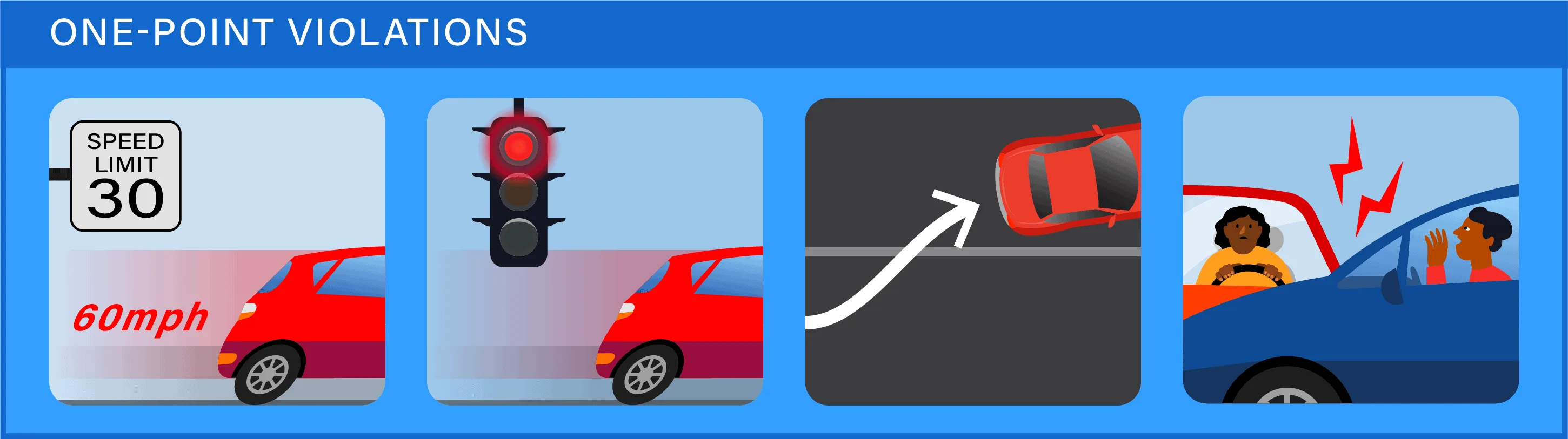
For most standard speeding tickets, where a driver is found to be exceeding the posted speed limit by a moderate amount, the violation is typically considered a one-point offense. This means that if you are caught going 10 mph over the speed limit in a 55 mph zone, for example, it will likely result in one point being added to your record. These are the most common types of speeding tickets issued and are generally treated as infractions. Even a single point can have a ripple effect, potentially affecting your insurance premiums, so it’s always best to adhere to posted speed limits.
Excessive Speeding Violations
As the speed at which a driver is traveling increases significantly above the posted limit, the penalties and point assignments can become more severe. If you are driving at a dangerously high speed, particularly in excess of 100 mph, the violation can be classified as a misdemeanor. In such cases, the offense can result in two points being added to your driving record, along with a potentially larger fine and even mandatory court appearances. This classification reflects the increased danger such speeds pose to yourself and others on the road. These more serious offenses also carry the possibility of more severe consequences, including license suspension, which can significantly disrupt travel plans.
Speeding in a Construction Zone or School Zone
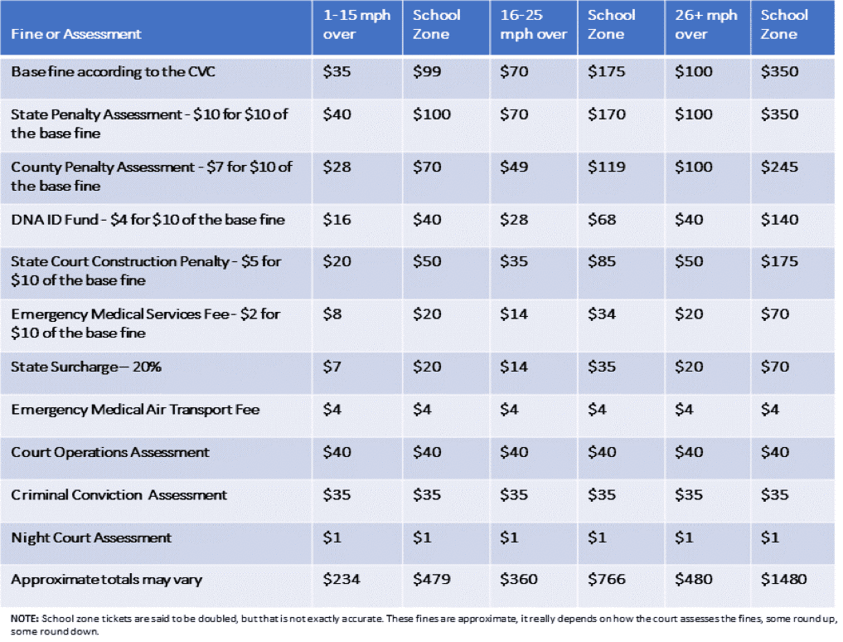
Specific areas within California are designated with heightened speed limits for the safety of workers or children. Driving over the speed limit in a construction zone or a school zone can carry enhanced penalties. While the exact point allocation can sometimes be debated based on the specific circumstances and how the citation is written, these violations are generally treated as one-point infractions. However, the fines associated with these violations are often significantly higher than for standard speeding tickets, and the increased visibility of law enforcement in these zones can make them more likely to be caught. It’s a reminder that while exploring areas like the scenic drives near Yosemite National Park or the bustling streets of downtown San Francisco, paying close attention to posted speed limits, especially in sensitive zones, is paramount.
Consequences of Accumulating Points
The accumulation of points on your California driving record is not something to be taken lightly. The DMV has established thresholds that, if met or exceeded, can lead to serious repercussions for your driving privileges. Understanding these consequences is crucial for any driver, whether you are a resident of California or a tourist embarking on a road trip through the state.
Insurance Rate Increases
One of the most immediate and common consequences of receiving a speeding ticket and the associated point is an increase in your auto insurance premiums. Insurance companies view drivers with points on their record as higher risks. To compensate for this perceived risk, they will often raise your rates. This increase can be substantial and can persist for several years, even after the points have officially dropped off your record, as insurance companies may have their own internal tracking systems. For travelers who rely on rental cars or who have insurance policies that extend to California driving, this can represent an unexpected and unwelcome expense.
License Suspension or Revocation
The California DMV has strict rules regarding the number of points a driver can accumulate within a specific timeframe. For most drivers, accumulating four or more points within a 12-month period can lead to a Notice of Intent to Suspend your driver’s license. If you accumulate six or more points within a 12-month period, the DMV will typically move to suspend your license for a period of time. For commercial drivers, these thresholds are even lower. A suspended license can have a devastating impact, preventing you from driving anywhere, including for business or leisure. Recovering a suspended license can be a complex and lengthy process, often involving additional fees, traffic school, or even a formal hearing. It’s a consequence that can significantly disrupt any travel plans, whether you’re aiming for a relaxing stay at a Palm Springs resort or a business trip to Sacramento.
Traffic School Options
In California, drivers may have the option to attend traffic school to have a point removed from their record, provided they meet certain eligibility criteria. Typically, you can attend traffic school once every 18 months to have a single-point infraction masked from your insurance company. However, serious violations or multiple-point offenses may not be eligible for traffic school. Completing traffic school usually involves paying a fine, a traffic school administrative fee, and the cost of the course itself. While it can help mitigate the impact on your insurance rates, it’s important to note that the conviction will still appear on your official DMV record, even if the point is not counted against you for insurance purposes. This option is a valuable tool for drivers looking to maintain a clean record and avoid the escalating consequences of accumulating too many points.
Avoiding Speeding Tickets and Points
The most effective way to deal with speeding tickets and the associated points is, of course, to avoid receiving them in the first place. Responsible driving is not only a legal requirement but also a crucial aspect of enjoying your travels in California safely and stress-free.
Adhere to Posted Speed Limits
This might seem obvious, but it bears repeating. Always pay attention to posted speed limit signs. These limits are set based on road conditions, traffic flow, and safety considerations. Whether you are driving along the scenic Pacific Coast Highway, navigating the intricate freeways of Orange County, or exploring the wine country of Napa Valley, respecting speed limits is paramount.
Be Aware of Your Surroundings
Law enforcement officers are strategically positioned in various locations, and subtle cues can often indicate their presence. Be mindful of vehicles with flashing lights, radar detectors used by other drivers, and the general traffic patterns around you. Defensive driving techniques, such as anticipating potential hazards and maintaining a safe distance from other vehicles, can also help you avoid situations that might lead to a ticket.
Understand California Driving Laws
Familiarize yourself with California‘s specific traffic laws. While many rules are universal, there can be nuances in how they are enforced. This includes understanding rules about lane changes, following distances, and speed limits in different zones. Resources like the California DMV driver handbook are invaluable for gaining this knowledge. For tourists, especially those unfamiliar with the state’s driving culture, dedicating a little time to review these regulations can prevent costly mistakes. Whether you are planning a family adventure in Disneyland or a solo exploration of Death Valley National Park, a little preparation goes a long way.
By understanding how many points a speeding ticket is worth in California and the potential consequences, drivers can make informed decisions on the road. Prioritizing safe and legal driving ensures that your journey through the Golden State is not only enjoyable but also free from the financial and legal burdens that traffic violations can bring. So, as you plan your next adventure, whether it involves staying in a luxurious Beverly Hills hotel or a cozy bed and breakfast near Lake Tahoe, remember that a little caution behind the wheel will contribute significantly to a seamless and memorable California experience.
LifeOutOfTheBox is a participant in the Amazon Services LLC Associates Program, an affiliate advertising program designed to provide a means for sites to earn advertising fees by advertising and linking to Amazon.com. Amazon, the Amazon logo, AmazonSupply, and the AmazonSupply logo are trademarks of Amazon.com, Inc. or its affiliates. As an Amazon Associate we earn affiliate commissions from qualifying purchases.