
California, a state synonymous with sprawling coastlines, iconic cities, and a rich tapestry of attractions, draws millions of visitors each year. From the sun-drenched beaches of Southern California to the majestic redwood forests of the North, exploring the Golden State often involves a significant amount of driving. This reality, coupled with the state’s complex fiscal landscape, brings to the forefront a crucial question for travelers and residents alike: “How much are California gas taxes?” Understanding these taxes is not just a matter of curiosity; it directly impacts the cost of travel, influences budgeting for road trips, and sheds light on how vital infrastructure projects are funded.
The cost of gasoline in California is notoriously higher than in most other parts of the United States, and a substantial portion of this difference is attributable to state and local taxes levied on fuel. These taxes are not a single, monolithic entity; rather, they are a combination of various components, each contributing to the final price at the pump. For anyone planning a California adventure, whether it’s a leisurely exploration of Wine Country, a pilgrimage to Disneyland, or a scenic drive along the Pacific Coast Highway, grasping the intricacies of California gas taxes is essential for accurate financial planning and a smoother travel experience. This article will delve into the various layers of these taxes, explore how they are applied, and discuss their impact on the California tourism and lifestyle landscape.
The Layers of California Gas Taxes
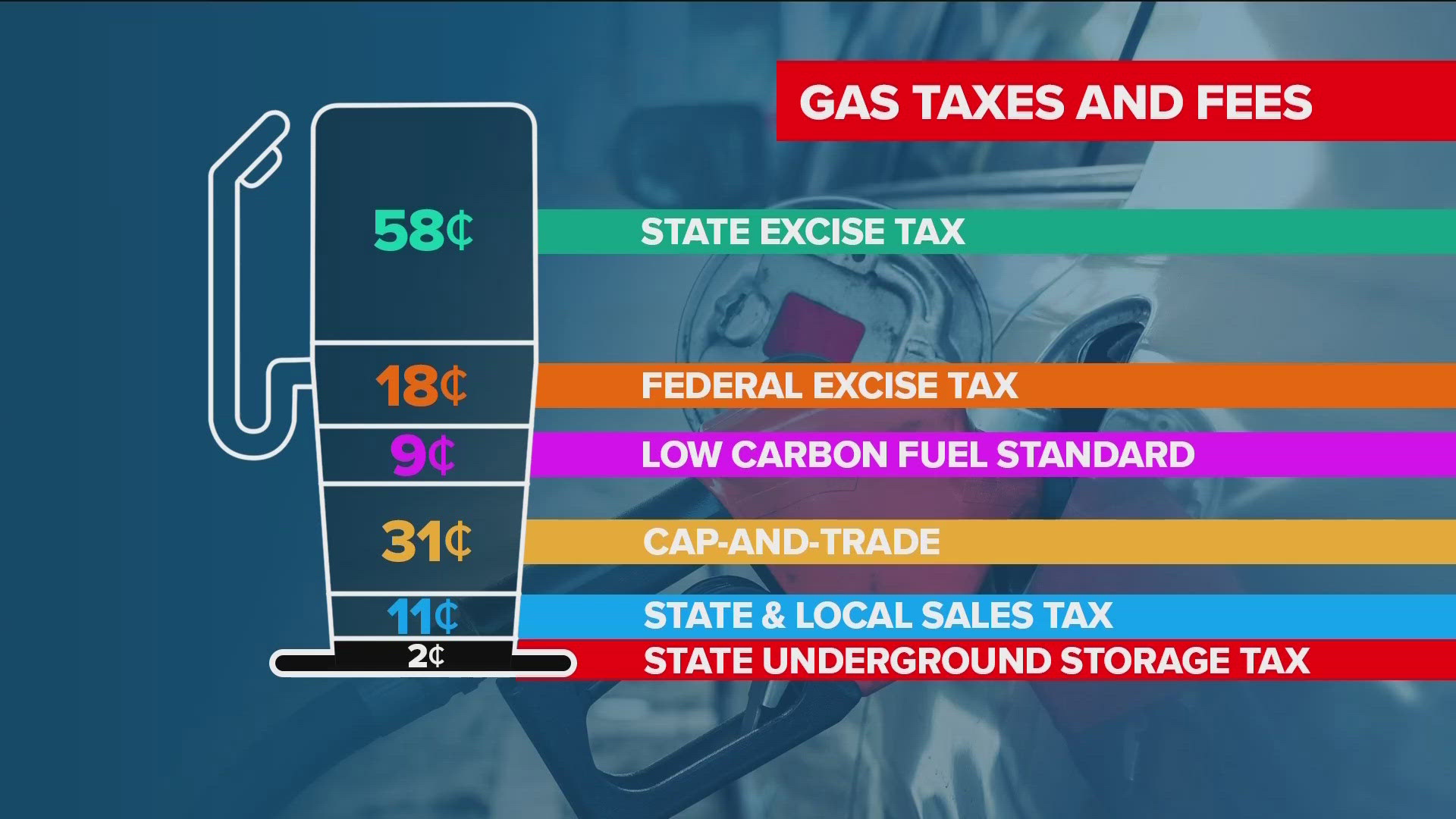
California‘s approach to taxing gasoline is multifaceted, reflecting a commitment to funding transportation infrastructure, environmental initiatives, and other public services. Unlike a simple sales tax, California gas taxes are a blend of per-gallon excises, environmental fees, and other levies that are integrated into the price of fuel. These taxes are often passed on to consumers, making them a significant factor in the overall cost of operating a vehicle within the state.
Federal Gas Tax
Before even considering California-specific taxes, it’s important to acknowledge the federal gasoline tax. This is a fixed amount per gallon that applies nationwide, regardless of the state. While not a California tax, it forms the base layer of taxation on every gallon of gasoline purchased. The federal excise tax on gasoline is currently 18.4 cents per gallon, and on diesel fuel, it’s 24.4 cents per gallon. This federal component, while relatively stable, adds to the overall cost and is a universal charge for fuel users across the United States.
California State Excise Tax
The primary state-level tax on gasoline in California is the excise tax. This tax is a fixed rate per gallon, meaning the amount of tax collected increases with the volume of fuel sold. Historically, this excise tax has been adjusted over time through legislative action, often in response to budget needs or policy changes. The current state excise tax rate is subject to periodic adjustments. It’s crucial for consumers to understand that this is a foundational tax that directly contributes to the state’s transportation budget.
Other State-Imposed Levies
Beyond the core excise tax, California levies several other taxes and fees that significantly contribute to the final price of gasoline. These can include:
- California Sales Tax: While gas taxes are often excise-based, a portion of the gasoline price is also subject to California‘s state and local sales taxes. This means that a percentage of the total price, including some taxes, is taxed again. The application of sales tax on gasoline can be complex, as it might be applied to the price before or after certain other taxes are factored in, depending on specific regulations.
- Underground Storage Tank Fee: This fee helps fund the cleanup of leaking underground storage tanks at gasoline stations, an environmental measure aimed at protecting groundwater resources.
- Local Taxes and Fees: Many cities and counties within California have the authority to impose their own local sales taxes, special district taxes, or other specific levies on gasoline. These local taxes vary significantly from one jurisdiction to another, leading to price differences even within relatively short driving distances. For example, the price of gas in Los Angeles might differ from that in San Francisco or a smaller town in Orange County due to these local variations.
- Air Quality Improvement Fees: California has been at the forefront of environmental regulation, and some fees are earmarked for programs aimed at improving air quality and reducing vehicle emissions. These fees can add to the overall cost of gasoline.
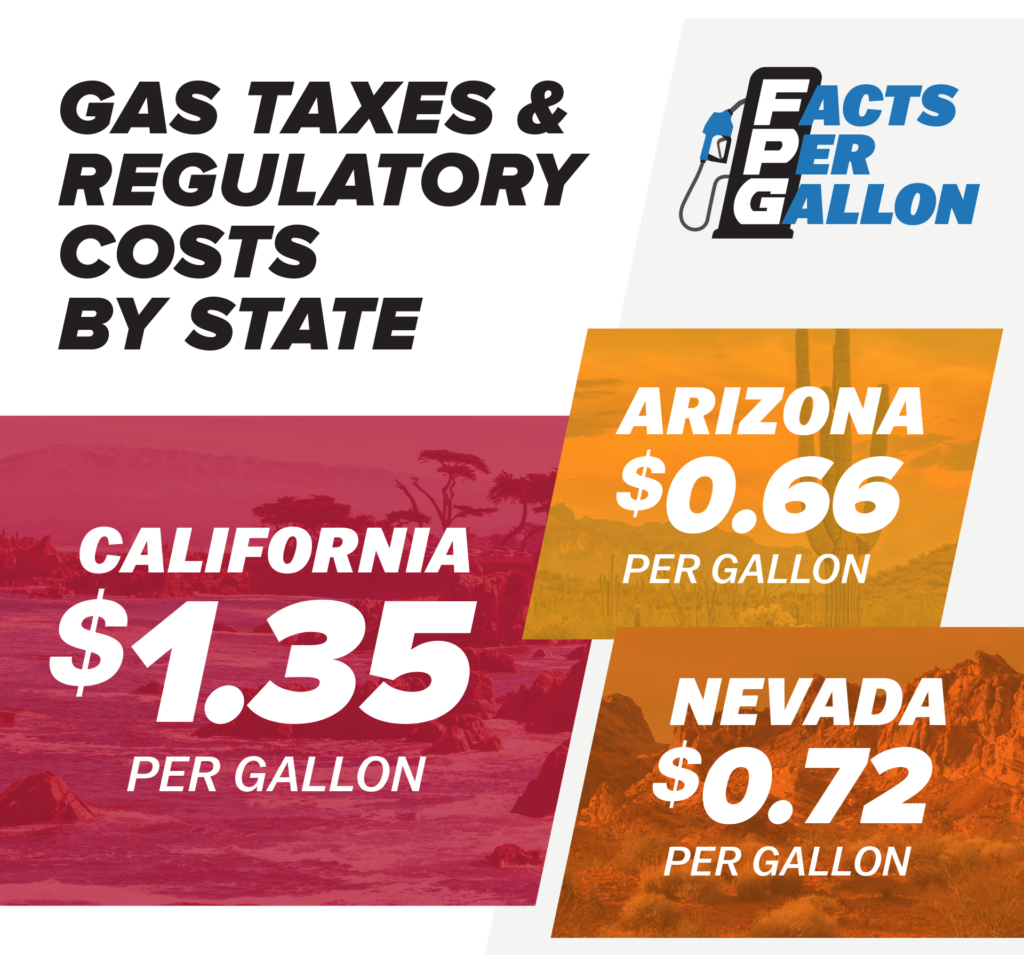
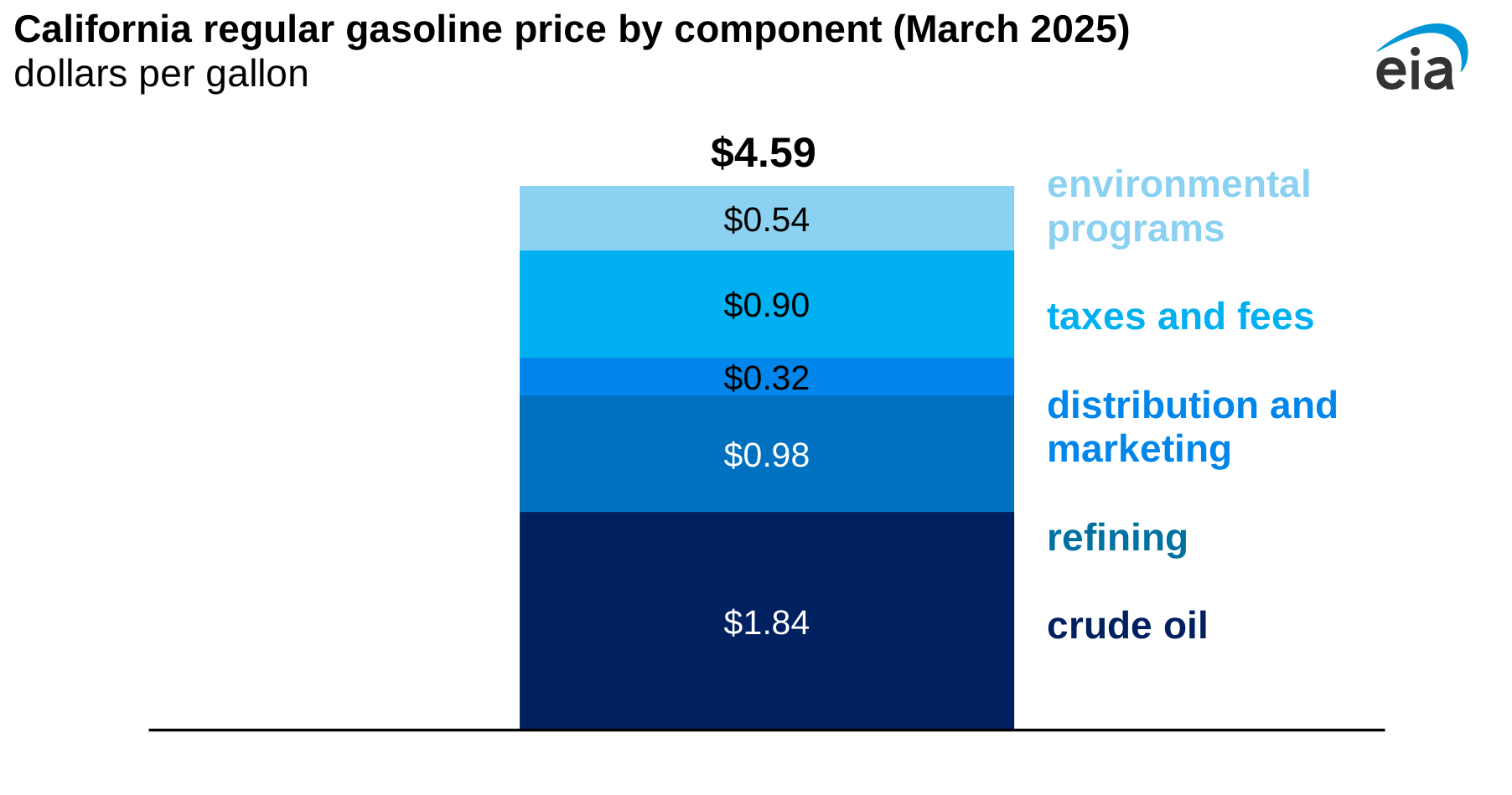
The cumulative effect of these federal, state, and local taxes and fees makes California gasoline among the most expensive in the nation. Understanding this layered structure is the first step in demystifying the price at the pump.
Impact on Travel and Tourism in California
The elevated cost of gasoline in California has a tangible impact on both the state’s tourism industry and the travel habits of its residents and visitors. For many, driving is the primary mode of transportation, especially when exploring the vast and diverse landscapes the state offers.
Budgeting for Road Trips
For families planning a summer vacation to Yosemite National Park or a couple embarking on a romantic getaway to Napa Valley, the price of gas is a significant line item in their travel budget. A long road trip across California, perhaps from San Diego to Lake Tahoe, can quickly consume a substantial portion of funds dedicated to fuel. This necessitates careful planning, potentially leading travelers to seek out more fuel-efficient vehicles, plan shorter routes, or allocate more money to transportation.
When considering accommodations, the added cost of fuel might influence decisions. A traveler might opt for a centrally located hotel in San Francisco to minimize driving within the city, or choose a resort in Palm Springs that offers shuttle services to attractions, thereby reducing the need for extensive personal vehicle use. The desire to explore iconic landmarks like the Golden Gate Bridge or the Hollywood Sign remains, but the financial implications of reaching them are amplified by gas prices.
Influence on Accommodation Choices
The high cost of fuel can subtly influence accommodation choices. Travelers might be more inclined to book hotels or vacation rentals that are within walking distance of attractions or public transportation hubs. For instance, a visitor to Santa Monica might prioritize staying near the pier and its attractions, rather than a more remote but potentially cheaper option further inland, to save on driving costs.
Resorts offering comprehensive amenities and on-site dining can also become more attractive, as they reduce the need for guests to drive to external locations for meals or entertainment. This could lead to increased demand for places like the Ritz-Carlton, Laguna Niguel or the Fairmont San Francisco, where guests can enjoy a self-contained experience.
Promoting Alternative Travel and Exploration
Paradoxically, the high cost of gasoline can also spur innovation and encourage alternative modes of travel and exploration. This can manifest in several ways:
- Increased use of Public Transportation: In major metropolitan areas like Los Angeles and San Francisco, the expense of driving and parking can make public transportation, such as the BART system or LA Metro, a more appealing option. This can lead to a greater reliance on these systems for navigating urban centers.
- Focus on Local Tourism: The economic pressure of high fuel prices might encourage residents and visitors to explore attractions closer to home. This could lead to a boom in local tourism, with people discovering hidden gems in their own backyards, from state parks to smaller towns and regional festivals.
- Rise of Electric Vehicles (EVs) and Hybrids: The ongoing push towards electric vehicles is further incentivized by high gasoline prices. As more charging infrastructure becomes available, and the cost of EVs decreases, more travelers might opt for electric or hybrid vehicles, which offer significant savings on fuel and are often subject to different or reduced fees. This aligns with California‘s broader environmental goals.
- Emphasis on Experiences over Distance: Travelers might prioritize unique experiences over covering vast distances. Instead of a cross-state road trip, a visitor might focus on a deep dive into the culture of a single region, perhaps exploring the art scene in Los Angeles or the wine culture of Sonoma County, thereby minimizing their overall mileage.
The financial reality of California gas taxes thus shapes travel patterns, influencing how people plan their journeys, where they choose to stay, and what types of experiences they prioritize, ultimately contributing to a dynamic and evolving tourism landscape in the Golden State.
Understanding the Destination of Gas Tax Revenue
The substantial revenue generated from California‘s gasoline taxes is not simply collected and left unused. Instead, these funds are primarily directed towards crucial public services, with a significant portion earmarked for the maintenance and improvement of the state’s vast transportation network. Understanding where this money goes provides valuable context for the taxes themselves and highlights their role in shaping the California experience.
Funding Transportation Infrastructure
The most significant destination for California gas tax revenue is the California Department of Transportation (Caltrans) and other regional transportation agencies. These funds are vital for:
- Road Maintenance and Repair: This includes patching potholes, resurfacing highways, repairing bridges, and general upkeep of the state’s extensive road system. Without these funds, the quality of roads would deteriorate, impacting safety and driving efficiency.
- New Infrastructure Projects: Gas tax revenue often contributes to the funding of major infrastructure projects, such as expanding highways, improving interchanges, and building new roads where needed to accommodate growth.
- Public Transit Systems: A portion of gas tax revenue is also allocated to supporting and expanding public transportation systems, including buses, light rail, and subways in major urban areas. This supports alternative transportation options and helps reduce traffic congestion.
- Pedestrian and Bicycle Infrastructure: Increasingly, gas tax funds are also being directed towards improving infrastructure for pedestrians and cyclists, such as building dedicated bike lanes and improving sidewalks, aligning with broader goals of promoting active transportation and reducing reliance on single-occupancy vehicles.
Environmental and Air Quality Initiatives
As a state often at the forefront of environmental protection, California also dedicates a portion of its fuel tax revenue to initiatives aimed at improving air quality and promoting cleaner energy. This can include funding for:
- Emissions Reduction Programs: Supporting programs that aim to reduce vehicle emissions, promote the adoption of cleaner fuels, and develop alternative transportation technologies.
- Environmental Monitoring and Cleanup: Funding efforts to monitor air quality, research the impact of pollutants, and undertake cleanup efforts related to environmental damage caused by vehicles.
- Development of Alternative Fuels: Investing in the research, development, and infrastructure needed to support alternative fuels, including electricity and hydrogen, which are crucial for the state’s long-term sustainability goals.
Other Public Services
While transportation and environmental initiatives are the primary recipients, in some instances, a portion of general fund revenue derived from broader tax bases, which may include some components of fuel taxation, can also be allocated to other essential public services. However, the direct and primary purpose of gasoline taxes is overwhelmingly tied to transportation and environmental concerns.
By understanding that gas tax revenues are reinvested into the very infrastructure that travelers use and the environmental policies that shape the state’s future, the significant cost of California gasoline can be viewed not just as an expense, but as a contribution to the state’s ongoing development and sustainability. This perspective is particularly relevant for tourists who benefit from well-maintained roads and cleaner air during their visits.
LifeOutOfTheBox is a participant in the Amazon Services LLC Associates Program, an affiliate advertising program designed to provide a means for sites to earn advertising fees by advertising and linking to Amazon.com. Amazon, the Amazon logo, AmazonSupply, and the AmazonSupply logo are trademarks of Amazon.com, Inc. or its affiliates. As an Amazon Associate we earn affiliate commissions from qualifying purchases.