
Embarking on a new adventure, settling into a vibrant new city, or simply upgrading your ride for those memorable road trips across the diverse landscapes of the Lone Star State often involves a crucial step: transferring a vehicle title. For anyone planning to buy or sell a car, truck, motorcycle, or even an RV within Texas, understanding this process is paramount. It’s not merely a bureaucratic chore; it’s the gateway to legal ownership, allowing you the freedom to explore everything from the bustling urban centers of Houston and Dallas to the live music capital of Austin and the historic charm of San Antonio with peace of mind.
Whether you’re a seasoned traveler looking to purchase a rugged off-roader for exploring the canyons of Big Bend National Park, a new resident settling into a Texas suburb, or a long-term visitor opting for the convenience of personal transport, navigating the nuances of title transfer in Texas is essential. This guide will demystify the process, ensuring your transition into vehicle ownership is as smooth and stress-free as a drive along the scenic Gulf Coast.
Understanding the Essence of Vehicle Title Transfer in Texas
At its core, a vehicle title transfer in Texas is the legal mechanism by which ownership of a motor vehicle changes hands from one party to another. This transaction is governed by the Texas Department of Motor Vehicles (TxDMV) and requires diligence from both the buyer and the seller. Neglecting proper title transfer can lead to a multitude of headaches, from legal disputes and unpaid tolls to issues with registration and insurance – none of which you want when planning your next Texas getaway.
The process might seem intricate at first glance, but it’s designed to protect both parties and maintain accurate records of vehicle ownership within the state. For those embracing a new lifestyle in Texas or simply upgrading their travel vehicle, a correct title transfer ensures that your investment is secure and your journey legally recognized.
The Importance of a Clear Title for Your Texan Journey
Imagine planning a spontaneous trip to the Texas Hill Country, only to find your vehicle’s title is still in the previous owner’s name. This oversight could prevent you from registering the vehicle, getting proper insurance, or even crossing state lines without potential legal complications. A clear and properly transferred title is the undisputed proof of your ownership. It allows you to:
- Legally Register Your Vehicle: This is the foundation for getting license plates and stickers, which are mandatory for driving on Texas roads.
- Obtain Proper Insurance: Insurers require proof of ownership to issue comprehensive coverage, protecting you financially in case of accidents or theft during your travels.
- Sell the Vehicle in the Future: When it’s time to move on to your next vehicle or relocate, a clear title makes the selling process straightforward and appealing to potential buyers.
- Avoid Legal Entanglements: If the previous owner incurs tickets, tolls, or is involved in legal issues, an untransferred title could mistakenly link you to their liabilities.
For the adventurous spirit, a properly titled vehicle signifies more than just a piece of paper; it represents the freedom to explore, to embark on impromptu road trips, and to fully immerse oneself in the diverse experiences Texas has to offer, from camping near Big Bend to exploring the charming wineries of Fredericksburg.
Who Are the Key Players? Buyer and Seller Responsibilities
Successfully navigating a title transfer hinges on understanding the distinct roles and responsibilities of both the buyer and the seller. While the TxDMV oversees the process, the onus is on the individuals to fulfill their obligations accurately and on time.
The Seller’s Role:
The seller is primarily responsible for ensuring the vehicle is free of liens, accurately completing the existing title, and providing essential documents to the buyer. Their actions set the stage for a smooth transfer and protect them from future liabilities related to the vehicle. This includes signing off on the title, providing a completed Application for Texas Title, and ensuring the odometer reading is correctly disclosed.
The Buyer’s Role:
The buyer, on the other hand, is tasked with verifying the vehicle’s condition, ensuring all necessary documents are received from the seller, obtaining new insurance, and submitting the paperwork and fees to the proper authorities within the stipulated timeframe. This involves applying for a new title in their name, paying sales tax, and registering the vehicle. Their diligence secures legal ownership and allows them to enjoy their new acquisition without worry. For new residents, this might be one of the first important administrative tasks after finding suitable accommodation in their chosen Texas city.
Navigating the Documentation: Your Roadmap to Ownership
The backbone of any title transfer is the paperwork. Missing a single form or failing to complete it accurately can derail the entire process, leading to delays and potential penalties. Think of these documents as your essential travel passport for vehicle ownership; without them, your journey will hit a roadblock. Preparing these in advance will save you considerable time and effort, whether you’re dealing with a private sale or purchasing from a dealership that handles most of the legwork.
The Cornerstone Documents You’ll Need
Regardless of whether you are the buyer or the seller, certain documents are absolutely non-negotiable for a title transfer in Texas.
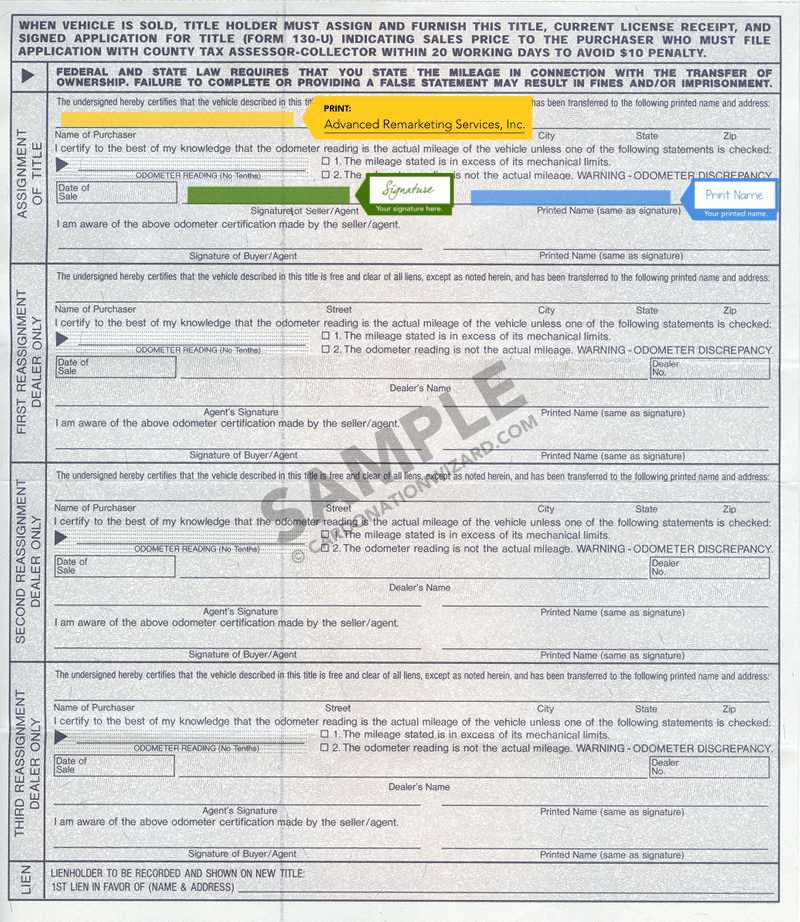
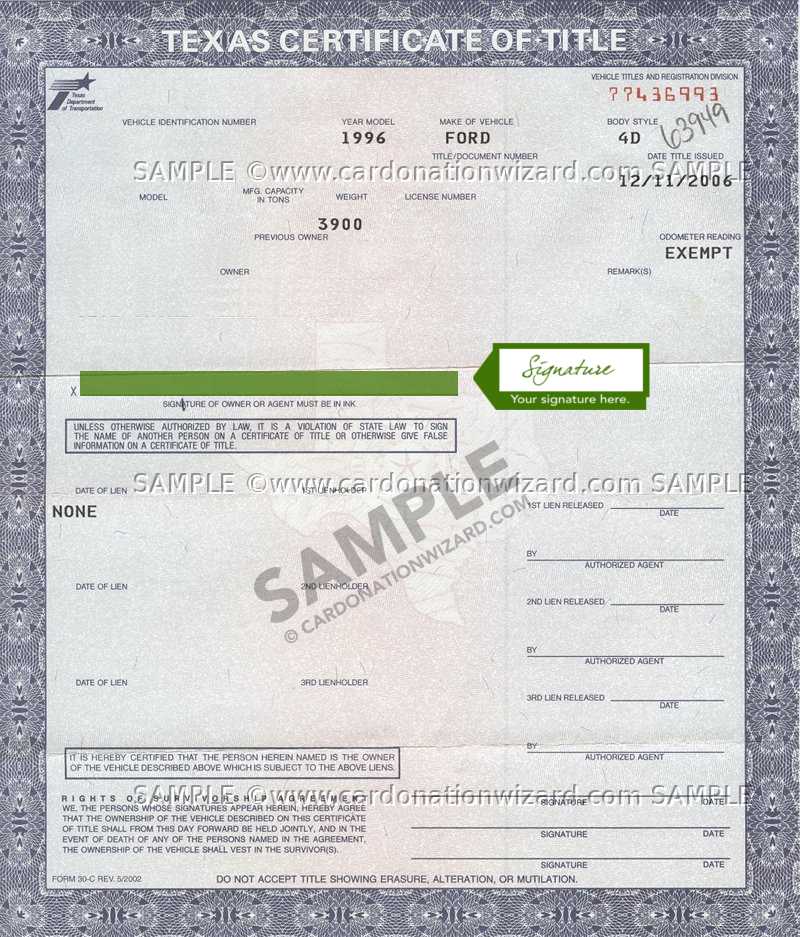
- Original Texas Certificate of Title: This is the most critical document. The seller must sign and date the “Assignment of Title” section on the back of the title, print their name, and include the buyer’s name and selling price. The buyer must then sign their name. Ensure that the Vehicle Identification Number (VIN) on the title matches the vehicle’s actual VIN.
- Application for Texas Title (Form 130-U): Both the buyer and the seller must complete and sign this form. It details the vehicle information, sale price, odometer reading, and provides a space for the seller to release interest and the buyer to apply for the new title. Accuracy here is vital, as this form directly informs the TxDMV of the transaction details.
- Proof of Texas Liability Insurance: Before you can register your vehicle or apply for a new title, you must have valid Texas liability insurance. The state mandates minimum coverage to protect drivers and others on the road. This is a crucial step for any new vehicle owner, ensuring they are prepared for the roads, from the bustling highways of Houston to the scenic routes of Big Bend.
- Valid Photo Identification: Both the buyer and seller should have a valid Texas driver’s license or state-issued ID. For out-of-state buyers, a valid driver’s license from their home state is acceptable. This verifies the identities of the parties involved in the transaction.
Beyond the Basics: Odometer and Lien Releases
While the core documents are fundamental, there are additional forms that are often required or highly recommended to ensure a complete and legally sound transfer, protecting both parties involved in the sale.
- Odometer Disclosure Statement: For vehicles less than 10 years old (and sometimes older, depending on circumstances), federal and state laws require the seller to disclose the vehicle’s current odometer reading at the time of sale. This is typically done on the back of the title or on a separate Odometer Disclosure Statement (Form VTR-40). This protects buyers from fraud and ensures accurate mileage records.
- Release of Lien (Form VTR-265) or Lien Release on Title: If there was a lien on the vehicle (meaning it was financed), the lienholder (e.g., a bank or credit union) must release the lien before the title can be transferred. This is usually done by signing the “Release of Lien” section on the front of the title, or by providing a separate official lien release document. Without this, the TxDMV cannot issue a new title to the buyer. This step is critical for ensuring the vehicle is truly free and clear for the new owner to enjoy, perhaps on a luxury travel excursion through the Hill Country wineries.
- Proof of Vehicle Inspection (PVI): Before registering your vehicle, it must pass a safety inspection and, in certain counties, an emissions inspection. This ensures the vehicle meets Texas safety and environmental standards. The inspection report is electronically sent to the Department of Public Safety (DPS), so you won’t typically need a paper copy, but ensure it’s been completed.
The Step-by-Step Process: From Sale to Seamless Road Trips
Once you’ve gathered all the necessary documents, the actual title transfer process unfolds in a series of logical steps. Following this sequence carefully will ensure your vehicle is legally yours and ready for all your Texas adventures, whether it’s a cross-state move or a weekend camping trip.
What the Seller Must Do for a Smooth Transition
The seller’s responsibilities are largely front-loaded, ensuring the buyer receives all necessary documentation for a successful transfer.
- Sign and Date the Original Title: The seller must accurately complete the “Assignment of Title” section on the back of the original Texas Certificate of Title. This includes signing their name, printing their name, and entering the buyer’s name, selling price, and the exact date of sale.
- Complete the Odometer Disclosure: If applicable, the seller must accurately disclose the vehicle’s current odometer reading on the title or a separate form (VTR-40).
- Provide a Release of Lien: If there was a loan on the vehicle, the seller must ensure they have obtained an official “Release of Lien” from their lienholder. This can be directly on the title or a separate document.
- Complete and Sign Form 130-U: The seller must fill out their portion of the “Application for Texas Title” (Form 130-U), including the vehicle details, selling price, and date of sale, and sign it.
- Remove License Plates: In Texas, license plates belong to the seller, not the vehicle. The seller must remove their plates and either transfer them to another vehicle they own (if eligible) or surrender them to their County Tax Assessor-Collector.
- Provide a Bill of Sale (Recommended): While not legally required for title transfer in Texas, a Bill of Sale (Form VTR-31) is highly recommended. It serves as a receipt and a clear record of the transaction for both parties, detailing the vehicle, price, date, and buyer/seller information. This can be invaluable in case of future disputes.
The Buyer’s Checklist: Securing Your New Ride
The buyer’s role is to take all the documents provided by the seller and, along with their own preparations, submit them to the correct authority to legally claim ownership. This is the exciting part – turning a transaction into tangible ownership.
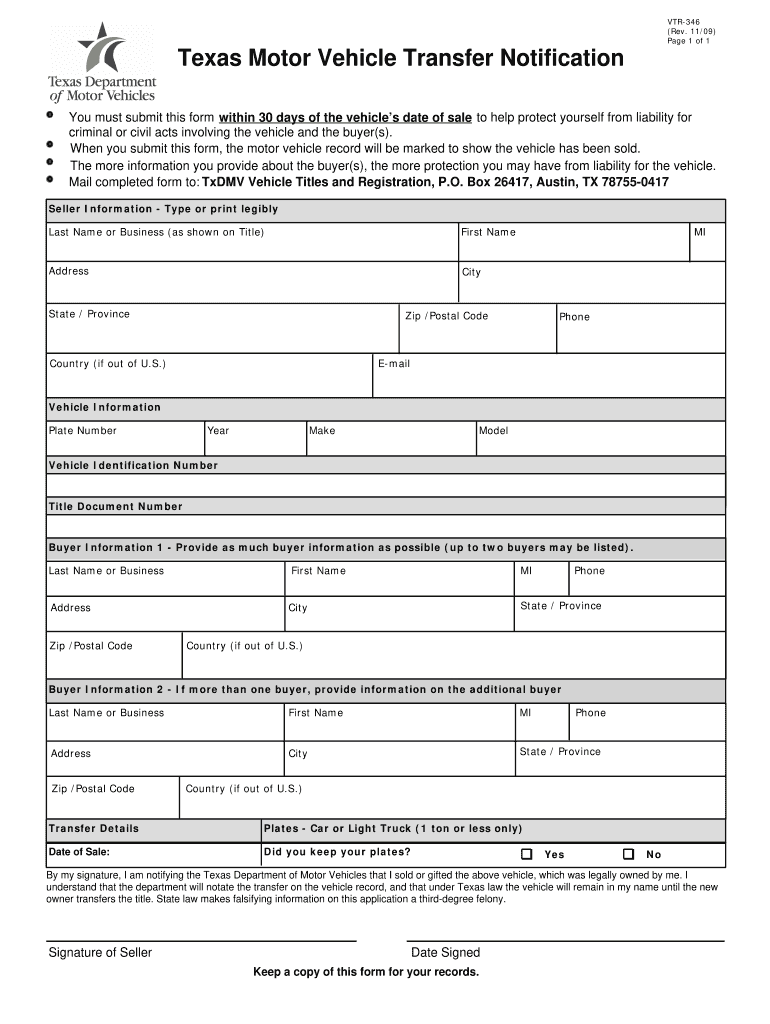
- Verify Documents from Seller: Upon purchasing the vehicle, carefully review all documents provided by the seller (signed title, Form 130-U, lien release, odometer disclosure) to ensure they are complete and accurate.
- Obtain Texas Liability Insurance: Secure a new insurance policy in your name for the vehicle before you go to apply for the title and registration. This is a legal requirement.
- Get a Vehicle Inspection: Ensure the vehicle passes its annual Texas safety inspection (and emissions inspection if required in your county).
- Complete Your Portion of Form 130-U: Fill out your information as the buyer on the “Application for Texas Title” (Form 130-U), including your address, driver’s license number, and signature.
- Visit the County Tax Assessor-Collector’s Office: This is where the magic happens. Take all completed documents, proof of insurance, and your valid ID to your local County Tax Assessor-Collector’s office. This is also where you will pay all applicable fees and taxes.
- Pay Fees and Taxes: Be prepared to pay the sales tax (6.25% of the sales price or standard presumptive value, whichever is greater), title fee, and registration fees.
- Receive New Plates and Registration Sticker: Once the transaction is complete and fees are paid, you will receive new license plates and a registration sticker, officially marking your vehicle as ready for its Texas adventures.
The Critical 30-Day Window and Associated Costs
Time is of the essence when transferring a title in Texas. The buyer has a strict 30-day window from the date of sale to apply for a new title and registration with their County Tax Assessor-Collector. Failing to do so can result in penalties, including late fees. This deadline is designed to keep vehicle records current and prevent issues stemming from delayed transfers.
Associated Costs:
- Sales Tax: 6.25% of the purchase price or the standard presumptive value of the vehicle, whichever is higher. If buying from a dealer, this is typically included in the sale.
- Title Application Fee: A relatively small fee (currently around $33).
- Registration Fee: Varies slightly by county, but generally around $50-$60 for passenger vehicles, plus any local county fees.
- Inspection Fee: Paid at the inspection station, typically under $100.
- Late Fees: If the 30-day deadline is missed, additional penalties will apply.
Budgeting for these costs is an important part of the vehicle acquisition process, ensuring you’re fully prepared for the total expense of bringing your new car home and onto the open road.
Special Scenarios and Common Pitfalls
While the standard title transfer process covers most situations, there are unique circumstances that require slightly different approaches. Understanding these can prevent unexpected delays and ensure compliance, especially for those with unique lifestyle or travel needs.
Gifting a Vehicle: A Different Kind of Transfer
If you’re gifting a vehicle to a family member or friend, the process is largely similar to a sale, but with a key difference regarding sales tax. The recipient will still need to apply for a new title and registration.
- Affidavit of Motor Vehicle Gift Transfer (Form 14-317): This form allows the recipient to be exempt from paying sales tax, provided the vehicle is a genuine gift between eligible family members (spouse, parent, child, grandparent, grandchild, or sibling). The donor completes this affidavit.
- Standard Documents: All other required documents (original title, Form 130-U, odometer disclosure, proof of insurance) are still necessary.
Gifting a vehicle can be a wonderful gesture, perhaps enabling a loved one to join you on future Texas adventures, but it still requires careful attention to the specific paperwork.
Moving to or from Texas: Out-of-State Considerations
For individuals relocating to the Lone Star State, or those leaving it, transferring a title has its own set of rules.
Moving to Texas with an Out-of-State Title:
If you’re bringing a vehicle from another state, you’ll need to obtain a Texas title and registration.
- Out-of-State Title: You will need your original title from your previous state. If your lienholder holds the title, you’ll need a copy and an official letter from them confirming the lien.
- Safety and Emissions Inspection: The vehicle must pass a Texas safety inspection (and emissions if applicable to your county).
- Verification of VIN: A Vehicle Identification Number (VIN) verification may be required, especially if the vehicle does not have a Texas title or if there are discrepancies. This is typically done by the County Tax Assessor-Collector or a designated inspector.
- Form 130-U: Complete the “Application for Texas Title.”
- Proof of Texas Insurance: Obtain a Texas liability insurance policy.
- Visit County Tax Assessor-Collector: Submit all documents and pay fees and taxes.
This process is critical for anyone planning a long-term stay or permanent relocation, as it integrates their vehicle into the Texas system, allowing them to fully embrace their new environment and travel opportunities.
Avoiding Delays and Penalties
The best way to ensure a smooth title transfer is through meticulous preparation and timely action.
- Double-Check All Forms: Before heading to the County Tax Assessor-Collector’s office, review every form for completeness and accuracy. Any missing information or errors can lead to immediate rejection and wasted time.
- Meet Deadlines: Always prioritize the 30-day deadline for title and registration application. Set reminders if necessary. Late fees are an unnecessary additional expense.
- Clear All Liens: Ensure the lien release is properly documented and available. This is a common hang-up point.
- Communicate with the Other Party: Good communication between buyer and seller can prevent many issues. Confirm all documents are ready before meeting.
- Keep Copies: Always make copies of all submitted documents for your records. This can be invaluable if any discrepancies arise later.
Adhering to these simple guidelines will save you from bureaucratic headaches and ensure your focus remains on the exciting prospects of your new vehicle and the freedom it brings to explore the vast and beautiful state of Texas.
Embracing the Freedom: Your Texas Adventure Awaits
Transferring a vehicle title in Texas might seem like a daunting administrative task, but it’s a fundamental step that unlocks a world of possibilities. Whether you’re planning an extended stay, embarking on a new chapter of your life in one of Texas’s bustling cities or serene rural communities, or simply seeking the liberty of exploring its countless attractions, proper vehicle ownership is key.
From the vibrant nightlife of Austin to the historic missions of San Antonio, the sprawling ranches of the Panhandle to the sandy shores of Galveston, Texas offers an unparalleled array of destinations for every traveler and lifestyle. Your vehicle is more than just transportation; it’s your personal portal to these experiences.
By understanding and meticulously following the steps for title transfer, you safeguard your investment, comply with state laws, and ensure that your focus remains on the open road ahead. So, take a deep breath, gather your documents, and prepare to fully embrace the freedom and adventure that awaits you in the Lone Star State. Your Texas journey, empowered by your newly titled vehicle, is just beginning.
LifeOutOfTheBox is a participant in the Amazon Services LLC Associates Program, an affiliate advertising program designed to provide a means for sites to earn advertising fees by advertising and linking to Amazon.com. Amazon, the Amazon logo, AmazonSupply, and the AmazonSupply logo are trademarks of Amazon.com, Inc. or its affiliates. As an Amazon Associate we earn affiliate commissions from qualifying purchases.