
California, a state synonymous with innovation, artistic expression, and a diverse range of breathtaking landscapes, is also a hub for the architectural profession. From the iconic skyscrapers of Los Angeles to the charming coastal villas of San Diego and the cutting-edge designs in San Francisco, architects in the Golden State are at the forefront of shaping environments that blend functionality with aesthetic brilliance. For those considering a career in architecture, or for those simply curious about the financial landscape of this creative field, understanding the earning potential in California is crucial. This article delves into the question of “How Much Do Architects Make In California?”, exploring the various factors that influence salaries, typical compensation ranges, and career trajectories within this dynamic sector.
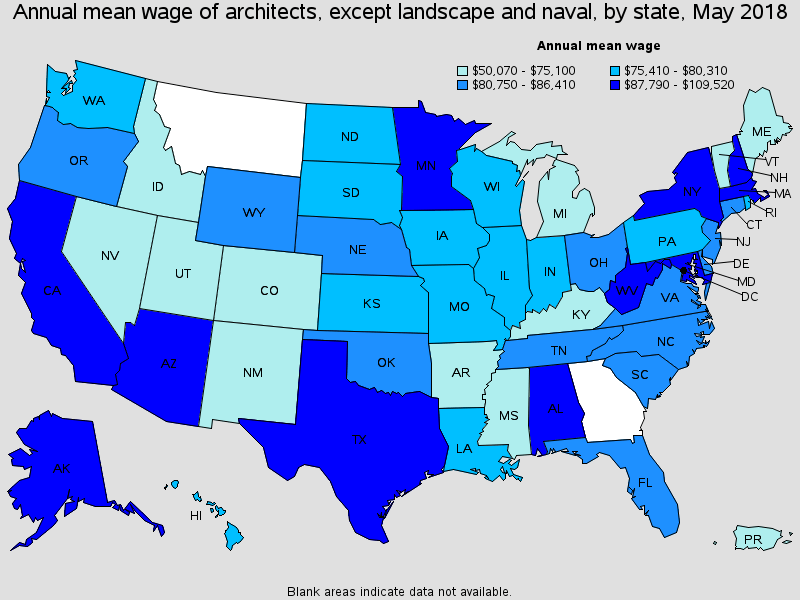
The allure of California extends beyond its world-renowned tourist destinations and vibrant lifestyle. It’s a state that consistently attracts top talent across numerous industries, and architecture is no exception. The demand for skilled architects is driven by a continuous need for new residential, commercial, and public spaces, often influenced by the state’s unique geographical challenges, strict building codes, and a forward-thinking approach to sustainable design. Whether you dream of designing a luxury resort in Napa Valley, a modern apartment complex overlooking the Pacific Ocean, or a culturally significant museum in San Francisco, understanding the earning potential is a vital part of your professional journey.
Factors Influencing Architect Salaries in California
The salary of an architect in California is not a one-size-fits-all figure. It’s a complex equation influenced by a multitude of factors, each playing a significant role in determining an individual’s earning capacity. These elements range from fundamental aspects of experience and education to more nuanced considerations like the specific location within the state and the type of firm an architect is employed by.
Experience Level: The Cornerstone of Earning Potential
Perhaps the most significant determinant of an architect’s salary is their level of experience. As with many professions, architects see a substantial increase in their earning potential as they progress through their careers.
-
Entry-Level Architects (0-3 Years): Fresh out of architecture school, these professionals are typically in the early stages of their career. They are gaining practical experience, working under the supervision of senior architects, and focusing on developing core skills. Entry-level positions in California might involve tasks such as drafting, assisting with design development, and preparing presentation materials. Salaries in this bracket can range from approximately $55,000 to $75,000 annually. This is often the period where they are also working towards licensure.
-
Junior Architects (3-7 Years): With a few years of experience under their belt, junior architects have a solid understanding of the design process and building codes. They can take on more responsibility, manage smaller projects, and contribute more independently to design solutions. Their salaries typically rise to the range of $70,000 to $95,000 per year. During this phase, many architects achieve their professional licensure, which significantly boosts their marketability and earning potential.
-
Senior Architects (7-15 Years): Senior architects are seasoned professionals with extensive experience in project management, client relations, and complex design challenges. They often lead project teams, mentor junior staff, and are responsible for the overall success of significant architectural endeavors. Their compensation reflects this expertise, with annual salaries generally falling between $90,000 and $130,000.
-
Principal Architects/Partners (15+ Years): At the pinnacle of their careers, principal architects and partners often hold leadership positions within firms. They are responsible for business development, firm management, and making high-level strategic decisions. Their earnings can be considerably higher, often exceeding $120,000 and potentially reaching $180,000 or more, especially in successful and reputable firms or if they own equity in the practice.
Education and Licensure: The Foundation of Expertise
The educational background and professional licensure are fundamental requirements for practicing architecture and directly impact an architect’s earning potential.
-
Education: A bachelor’s or master’s degree in architecture from an accredited institution is the standard entry requirement. The rigor and reputation of the architecture program can also play a subtle role in an individual’s early career prospects.
-
Architectural Experience Program (AXP) and Licensure: In the United States, aspiring architects must complete the Architectural Experience Program (AXP) and pass the Architect Registration Examination (ARE) to become licensed. Licensure is a critical milestone that not only allows an architect to practice independently but also significantly increases their earning potential. Licensed architects are deemed competent to take full responsibility for architectural projects, leading to higher salaries compared to unlicensed individuals with similar experience.
Geographic Location Within California: The Cost of Living and Market Demand
California is a vast state with significant variations in cost of living and market demand for architectural services. This disparity directly affects salary levels.
-
Major Metropolitan Areas: Cities like San Francisco, San Jose, and Los Angeles consistently offer the highest salaries for architects. These regions are economic powerhouses with a high demand for architectural services driven by robust real estate markets, a thriving tech industry, and ongoing urban development. The cost of living in these areas is also considerably higher, which is reflected in the compensation offered. Architects in these areas might see salaries at the higher end of the scales mentioned above.
-
Mid-Sized Cities and Suburban Areas: Cities such as Sacramento, Oakland, or areas within the Inland Empire offer competitive salaries, though typically lower than the prime metropolitan hubs. The cost of living is also generally more manageable, making the effective purchasing power of salaries potentially comparable.
-
Rural Areas: Architect salaries tend to be lower in more rural parts of California due to lower demand and a generally lower cost of living. However, specialized firms or projects in unique natural settings might offer compelling opportunities.
Firm Size and Type: The Business Landscape
The type and size of the architectural firm where an architect is employed can also influence their compensation.
-
Large, International Firms: These firms often handle large-scale, high-profile projects and have well-established business models. They may offer competitive salaries, comprehensive benefits packages, and opportunities for international work. However, advancement may be more structured.
-
Mid-Sized Firms: These firms often provide a good balance of project variety and opportunities for professional growth. Salaries and benefits are typically competitive.
-
Small, Boutique Firms: While salaries might sometimes be lower in smaller firms, they can offer greater autonomy, a more intimate work environment, and the chance to be involved in a wider range of project phases and responsibilities. Ownership or partnership opportunities might also be more accessible.
-
Specialized Firms: Firms focusing on specific niches, such as sustainable architecture, healthcare facilities, or hospitality design (e.g., resorts and boutique hotels), may offer specialized compensation packages commensurate with their expertise.
Specialization and Niche Skills: The Value of Expertise
In an increasingly specialized world, architects who develop expertise in particular areas can command higher salaries. This could include:
-
Sustainable Design and Green Building: With a growing emphasis on environmental responsibility, architects skilled in LEED certification, passive design, and other sustainable practices are in high demand.
-
Healthcare Architecture: Designing hospitals, clinics, and medical facilities requires specialized knowledge of complex regulations and functional requirements.
-
Hospitality Design: Creating innovative and appealing hotel, resort, and restaurant spaces is a lucrative niche.
-
Technology Integration: Architects with skills in BIM (Building Information Modeling), VR/AR, and other advanced digital tools are highly valued.
-
Urban Planning and Design: Professionals focusing on the broader development of cities and communities also hold significant value.

Salary Ranges for Architects in California
Based on the factors discussed above, we can outline some general salary ranges for architects in California. These figures are estimates and can vary significantly.
Entry-Level and Junior Architect Salaries
For those just starting their careers or in the early stages of professional development, salaries in California typically fall within the following ranges:
-
Architectural Intern/Designer (Unlicensed): $50,000 – $70,000 per year. These individuals are gaining experience and often have degrees in architecture but have not yet completed licensure requirements.
-
Licensed Architect (0-5 Years Experience): $65,000 – $90,000 per year. This range reflects architects who have recently obtained their license and are building their professional portfolio.
Mid-Career and Senior Architect Salaries
As architects gain more experience and take on greater responsibilities, their earning potential increases substantially:
-
Architect (5-10 Years Experience): $85,000 – $115,000 per year. At this stage, architects are often leading project teams and managing client relationships.
-
Senior Architect (10-15 Years Experience): $100,000 – $140,000 per year. These professionals are considered experts in their field, capable of handling complex projects and making significant design decisions.
Highly Experienced and Principal Architects
The top tier of the architectural profession commands the highest salaries, reflecting years of expertise, leadership, and business acumen:
-
Lead Architect/Project Manager (15+ Years Experience): $120,000 – $170,000 per year. These individuals oversee large projects and are crucial to the firm’s success.
-
Principal Architect/Partner: $150,000 – $250,000+ per year. This can include base salary, bonuses, and profit sharing, especially for partners in established firms. The potential for earnings at this level is virtually limitless, depending on the success of the firm and the individual’s contribution.
It’s important to note that these figures often represent base salary. Many architects also receive bonuses, profit sharing, and other benefits such as health insurance, retirement plans, and paid time off, which contribute to their overall compensation package. The demand for architects in desirable areas like Napa Valley, San Diego, and the greater Los Angeles and San Francisco Bay Area often pushes these salaries towards the higher end of the spectrum.
Career Progression and Opportunities for Architects in California
The career path of an architect in California is one of continuous learning, professional development, and increasing responsibility. The state’s dynamic environment offers a wide array of opportunities for those dedicated to the craft of building and design.
The Path to Licensure and Beyond
As mentioned, the journey to becoming a licensed architect is rigorous. It begins with obtaining a professional degree, followed by accumulating a significant amount of supervised work experience through the AXP, and finally passing the comprehensive ARE. Once licensed, architects can pursue various career paths within the profession.
-
Working in Architectural Firms: This is the most common route. Firms range from small, specialized studios to large, multinational corporations. Architects may start as designers and move into project management, senior design roles, or even leadership positions.
-
In-House Architects: Many large corporations, developers, and government agencies employ their own in-house architectural teams. These roles can offer a stable career path focused on specific types of projects.
-
Government and Public Sector: Architects can work for city planning departments, state agencies, or federal entities, contributing to public infrastructure, historic preservation, and urban development projects. For instance, working on a new wing for a museum in Los Angeles or planning improvements for state parks would fall under this category.
-
Academia: Some architects choose to share their knowledge by teaching at universities and colleges, contributing to the education of the next generation of designers.
-
Entrepreneurship: Experienced architects may choose to open their own firms, offering their services directly to clients. This path requires not only strong design and technical skills but also business acumen.
Specializations and Emerging Trends
California is at the forefront of many architectural trends, making it an exciting place to practice. Architects who specialize in areas like:
-
Sustainable and Green Architecture: With the state’s focus on environmentalism, expertise in LEED, Net-Zero energy buildings, and water-efficient design is highly sought after. Designing eco-friendly resorts or residential buildings that minimize environmental impact are key areas.
-
Technology and Digital Design: Proficiency in Building Information Modeling (BIM), virtual reality (VR), and augmented reality (AR) is becoming increasingly standard and can lead to specialized roles.
-
Resilience and Disaster Preparedness: Given California’s seismic activity and vulnerability to wildfires, architects with expertise in resilient design and structures capable of withstanding natural disasters are invaluable.
-
Hospitality and Tourism Infrastructure: The booming tourism industry in California, encompassing everything from luxury hotels in Beverly Hills to unique boutique accommodations and vineyard estates in Napa Valley, creates constant demand for innovative hospitality design. Architects who can craft memorable guest experiences through their designs are in high demand.
-
Urban Infill and Adaptive Reuse: As cities grow, architects specializing in redeveloping existing urban spaces and repurposing historic buildings are crucial for sustainable growth.

The Lifestyle Factor and Its Impact on Compensation
The lifestyle that California offers – from its vibrant cultural scene and outdoor recreation opportunities to its diverse culinary landscape – is a significant draw for professionals. This desirability, coupled with the high cost of living in many areas, is a key driver for the competitive salaries offered to architects. While the cost of living is a consideration, the earning potential in California generally allows architects to enjoy the unique lifestyle the state provides, whether it’s exploring the stunning natural beauty of Yosemite National Park, enjoying the beaches of San Diego, or experiencing the cultural richness of Los Angeles. The demand for skilled architects to design everything from stunning hotels to functional and beautiful homes, and vital public infrastructure, ensures a robust and rewarding career landscape in the Golden State.
LifeOutOfTheBox is a participant in the Amazon Services LLC Associates Program, an affiliate advertising program designed to provide a means for sites to earn advertising fees by advertising and linking to Amazon.com. Amazon, the Amazon logo, AmazonSupply, and the AmazonSupply logo are trademarks of Amazon.com, Inc. or its affiliates. As an Amazon Associate we earn affiliate commissions from qualifying purchases.