
California, a state synonymous with sunshine, innovation, and diverse landscapes, is also a hub for healthcare professionals. Among these vital roles, pharmacists play a crucial part in ensuring public health and well-being. Their expertise in medication management, patient counseling, and health promotion makes them indispensable members of the healthcare team. Naturally, a significant question for those considering this career path, or for those already practicing, revolves around earning potential. This article delves into the financial landscape for pharmacists in the Golden State, exploring the factors that influence their salaries and providing a comprehensive overview of their earning potential.

The demand for pharmacists in California remains robust. As the state’s population continues to grow and age, the need for accessible and expert pharmaceutical care intensifies. This sustained demand, coupled with the rigorous educational requirements and specialized knowledge pharmacists possess, underpins their competitive salary structure. Beyond the basic demand, several other elements contribute to the overall compensation package, making it a dynamic field with varied earning opportunities.
Factors Influencing Pharmacist Salaries in California
Understanding how much a pharmacist earns in California requires looking beyond a single, definitive number. Several key factors come into play, shaping the salary range from entry-level positions to seasoned professionals in specialized roles. These elements create a nuanced picture of pharmacist compensation, reflecting the complexities of the healthcare industry and the unique economic environment of California.
1. Experience Level and Seniority
Like most professions, a pharmacist’s experience significantly impacts their earning potential. Entry-level pharmacists, fresh out of pharmacy school and completing their internships, will typically command a lower starting salary. As they gain practical experience, refine their skills, and take on more responsibility, their salaries will increase.
- Entry-Level Pharmacists: These individuals have recently obtained their Doctor of Pharmacy (Pharm.D.) degree and passed their licensing exams. Their initial roles often involve assisting senior pharmacists, managing inventory, and filling prescriptions under supervision. The salary at this stage is designed to reflect their foundational knowledge and developing practical skills.
- Mid-Career Pharmacists: After 5-10 years of experience, pharmacists often move into roles with greater autonomy and responsibility. They may become pharmacy managers, supervise technicians, or specialize in specific areas of practice. Their salaries reflect a deeper understanding of pharmaceutical care, patient management, and operational efficiency.
- Senior and Lead Pharmacists: With a decade or more of experience, pharmacists can attain senior or lead positions. These roles may involve overseeing entire pharmacy departments, developing clinical programs, or taking on leadership responsibilities in larger healthcare organizations. Their compensation reflects their extensive expertise, leadership capabilities, and proven track record.
2. Type of Practice Setting
The environment in which a pharmacist works is a primary determinant of their salary. California offers a wide array of practice settings, each with its own salary benchmarks, driven by factors such as patient volume, payer reimbursements, and operational costs.
- Retail Pharmacy: This is the most common setting, found in chain drugstores like CVS Pharmacy and Walgreens, as well as independent pharmacies. Retail pharmacists are often the most visible point of contact for patients, providing prescription dispensing, medication counseling, and over-the-counter recommendations. While salaries can be competitive, they may be slightly lower on average compared to hospital or clinical settings due to higher staff turnover and a focus on volume.
- Hospital Pharmacy: Working in hospitals, whether community hospitals or large medical centers like UCLA Medical Center or Cedars-Sinai Medical Center, generally offers higher compensation. Hospital pharmacists are involved in a broader range of services, including sterile compounding, drug information services, pharmacokinetic dosing, and direct patient care in various units. The complexity of patient care and the critical nature of their role often translate into more lucrative salaries.
- Clinical Pharmacy: This specialized area focuses on direct patient care, often within hospitals or outpatient clinics. Clinical pharmacists collaborate with physicians and other healthcare providers to optimize drug therapy, manage chronic diseases, and conduct medication therapy management (MTM). Their advanced training and patient-focused responsibilities typically lead to higher earning potential.
- Outpatient Clinics and Long-Term Care Facilities: Pharmacists in these settings provide pharmaceutical services to patients who are not admitted to a hospital. This can include managing medications for residents in nursing homes or providing specialized services in physician-owned clinics. Salaries can vary but are often competitive, reflecting the growing need for comprehensive medication management outside of traditional hospital walls.
- Mail-Order Pharmacies: With the rise of e-commerce and specialized medication delivery services, mail-order pharmacies are becoming more prevalent. Pharmacists in these settings manage large volumes of prescriptions, often remotely. While the work environment differs, compensation can be competitive, especially for those in supervisory or specialized roles.
- Specialty Pharmacies: These pharmacies focus on dispensing complex and high-cost medications used to treat chronic or rare diseases. Pharmacists in specialty settings require in-depth knowledge of specific therapeutic areas and often work closely with patients and prescribers. This specialization typically commands higher salaries due to the advanced expertise required.
3. Geographic Location within California
California is a vast and economically diverse state. The cost of living and the demand for healthcare services vary significantly from one region to another, directly impacting pharmacist salaries.
- Major Metropolitan Areas: Cities like Los Angeles, San Francisco, and San Diego generally offer the highest salaries for pharmacists. This is due to a combination of factors: a higher cost of living, a greater concentration of large healthcare systems and hospitals, and a more competitive job market with a higher demand for specialized skills. However, the increased earning potential is often offset by the significantly higher expenses associated with living in these areas. For example, finding affordable accommodation in San Francisco can be a considerable challenge for any professional.
- Suburban and Smaller Cities: Pharmacists in suburban areas surrounding major metropolitan areas or in smaller, more rural cities might see slightly lower average salaries. However, the cost of living can also be considerably lower, potentially leading to a better disposable income. These areas may offer a different lifestyle, perhaps more focused on outdoor activities and nature, with easier access to national parks and scenic landmarks.
- Specific Regions: Even within broader categories, there can be variations. For instance, a pharmacist practicing in Orange County, known for its affluent communities and extensive resorts, might command a different salary than one in a more agriculturally focused region. The types of hotels and villas available also reflect the economic disparities across the state.
Average Salaries and Earning Potential
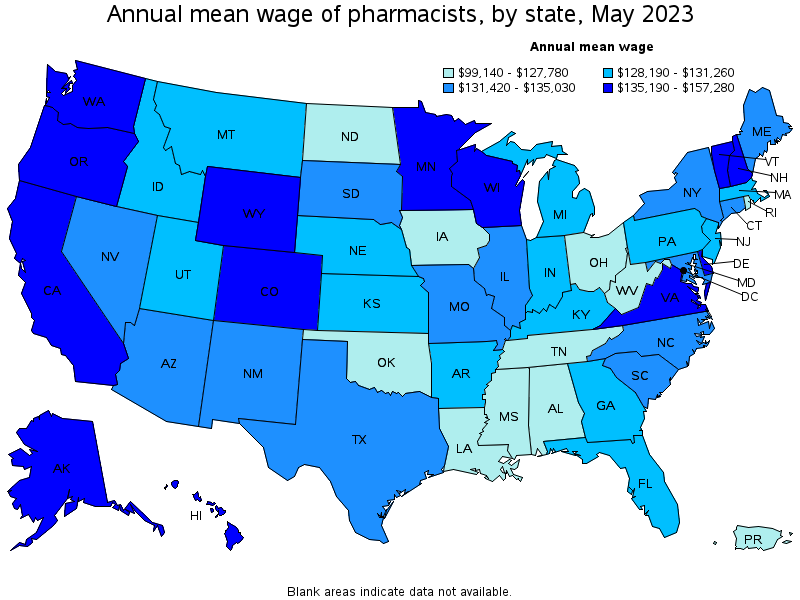
Pinpointing an exact average salary for pharmacists in California is challenging due to the myriad of influencing factors. However, salary aggregators and industry reports provide valuable insights into the general earning landscape.
The median annual wage for pharmacists in California typically falls within a competitive range, often exceeding national averages. Various sources, such as the U.S. Bureau of Labor Statistics and private salary data websites, consistently place California among the top-paying states for this profession.
For instance, data might indicate:
- Entry-Level Pharmacist: Could expect to earn anywhere from $110,000 to $130,000 annually.
- Mid-Career Pharmacist: With several years of experience, salaries might range from $130,000 to $160,000.
- Experienced or Specialized Pharmacists: Those in leadership roles, with advanced certifications, or working in highly specialized fields like oncology or critical care pharmacy, could earn upwards of $170,000 to $200,000 or even more in certain high-demand positions.
It’s crucial to remember that these figures represent averages and can fluctuate based on the specific employer, benefits package, and individual negotiation skills. The overall lifestyle one can afford in California is also directly tied to these earnings, whether it’s a luxury travel experience or a more budget travel approach.
Beyond Base Salary: Total Compensation
When evaluating a pharmacist’s earning potential in California, it’s essential to consider the entire compensation package, not just the base salary. Many employers offer benefits that significantly add to the overall financial picture.
- Health Insurance: Comprehensive health insurance plans are standard, covering medical, dental, and vision needs for the pharmacist and often their dependents.
- Retirement Plans: Employer-sponsored retirement plans, such as 401(k)s or pension plans, often include employer matching contributions, allowing pharmacists to build long-term financial security.
- Paid Time Off (PTO): Generous PTO policies, including vacation days, sick leave, and holidays, contribute to work-life balance, allowing for family trips or personal exploration of California’s many destinations.
- Continuing Education and Professional Development: Many employers provide financial support or paid time off for pharmacists to pursue continuing education, attend conferences, and obtain specialized certifications, further enhancing their skills and marketability.
- Bonuses and Incentives: Performance-based bonuses or incentives may be offered, particularly in retail or managed care settings, rewarding high productivity or successful patient outcomes.
- Stock Options: In some corporate pharmacy settings, stock options might be part of the compensation package, offering potential for wealth accumulation.
These additional benefits can add tens of thousands of dollars in value to a pharmacist’s total compensation annually. Understanding the full scope of benefits is vital when comparing job offers and assessing the true earning potential. This is especially true when considering the diverse accommodation options available across California, from luxury resorts to more affordable apartments.

Career Growth and Future Outlook
The career outlook for pharmacists in California remains positive. The aging population, advancements in pharmaceutical therapies, and the increasing complexity of medication management ensure a continued need for skilled pharmacists across various practice settings.
Pharmacists can pursue numerous career advancement paths:
- Specialization: Developing expertise in areas such as pharmacogenomics, infectious diseases, oncology, or mental health pharmacy can lead to more specialized and higher-paying roles.
- Management and Leadership: Moving into pharmacy manager positions, director of pharmacy roles, or administrative positions within healthcare organizations offers opportunities for greater responsibility and increased earnings.
- Academia: For those with a passion for teaching and research, a career in pharmacy education at one of California’s many universities, such as the University of California system or Stanford University, is a viable and rewarding path.
- Industry Roles: Opportunities exist within pharmaceutical companies, offering roles in research and development, medical affairs, or regulatory affairs.
- Entrepreneurship: Some pharmacists may choose to open their own independent pharmacies or specialized clinics, offering greater autonomy and potentially higher financial rewards, though also carrying greater risk.
The tourism sector in California, with its vibrant local culture, diverse food scenes, and endless activities, also presents opportunities for pharmacists to enjoy their earned income. Whether it’s exploring the historic missions of Southern California, visiting the iconic Golden Gate Bridge in San Francisco, or experiencing the natural beauty of Yosemite National Park, pharmacists in California have the potential to build a financially secure and personally fulfilling life.
In conclusion, pharmacists in California are well-compensated professionals. Their salaries are influenced by a combination of experience, practice setting, geographic location, and the overall benefits package. With a strong job market and numerous avenues for career growth and specialization, the earning potential for pharmacists in the Golden State is substantial, allowing them to enjoy a comfortable lifestyle while providing essential healthcare services to the community.
LifeOutOfTheBox is a participant in the Amazon Services LLC Associates Program, an affiliate advertising program designed to provide a means for sites to earn advertising fees by advertising and linking to Amazon.com. Amazon, the Amazon logo, AmazonSupply, and the AmazonSupply logo are trademarks of Amazon.com, Inc. or its affiliates. As an Amazon Associate we earn affiliate commissions from qualifying purchases.