
Embarking on the journey of In Vitro Fertilization (IVF) is a significant step for many individuals and couples hoping to build their families. When considering this advanced reproductive technology, a primary concern often revolves around the financial investment required. For those in or considering treatment in the Golden State, understanding the cost of IVF in California is crucial for planning and decision-making. This comprehensive guide delves into the various factors influencing IVF expenses, potential additional costs, and how to navigate the financial landscape of fertility treatments in this prominent state.
Understanding the Core IVF Package and its Components
The cost of an IVF cycle is not a single, fixed figure. Instead, it’s an aggregate of several distinct components, each contributing to the overall investment. When clinics provide an estimate, it typically encompasses the fundamental procedures necessary for a single IVF cycle. It’s vital to understand what these core services include to accurately gauge the initial outlay.
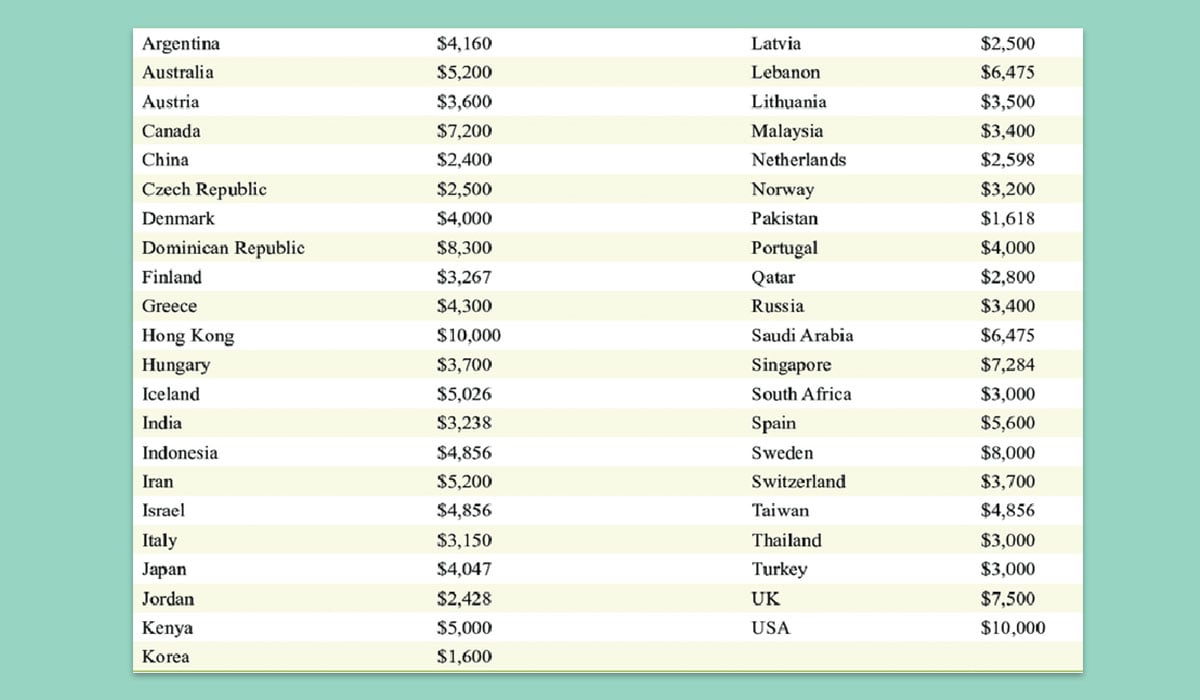
Key Elements Included in Standard IVF Pricing
At its heart, an IVF cycle involves a series of medical procedures designed to help achieve pregnancy. The standard package usually covers the following:
- Ovarian Stimulation: This phase involves the administration of fertility medications to stimulate the ovaries to produce multiple eggs. The cost of these injectable hormones, which can vary significantly in price, is a substantial part of the upfront expense. Different protocols may require different medications or dosages, impacting the total cost.
- Egg Retrieval (Oocyte Retrieval): Once the eggs are mature, a minor surgical procedure is performed to retrieve them from the ovaries. This procedure is typically done under sedation or light anesthesia and involves transvaginal ultrasound guidance. The cost includes the physician’s fee, anesthesia, and facility charges for the operating room.
- Sperm Collection and Preparation: On the day of egg retrieval, a sperm sample is collected from the partner or a donor. This sample is then processed in the lab to select the most viable sperm for fertilization.
- Fertilization: This is where the magic happens in the lab. Sperm is used to fertilize the retrieved eggs. This can be done through conventional IVF, where sperm are placed with the eggs, or Intracytoplasmic Sperm Injection (ICSI), where a single sperm is injected directly into each egg. ICSI is often an add-on cost.
- Embryo Culture: After fertilization, the resulting embryos are cultured in the laboratory for several days, typically up to the blastocyst stage (around day 5 or 6). The clinic monitors their development and growth during this critical period.
- Embryo Transfer: Once embryos reach a suitable stage, one or more are transferred into the uterus. This is a relatively simple procedure that doesn’t typically require anesthesia. The cost includes the physician’s fee and facility use.
- Initial Pregnancy Test: Following the embryo transfer, a blood test is conducted to determine if pregnancy has been achieved.
It’s important to note that the figures provided by clinics are often for a “fresh” embryo transfer cycle. Frozen embryo transfers (FETs) have a different cost structure, which we will explore later. Furthermore, the pricing can vary considerably between different fertility clinics, even within the same geographic region of California. Factors such as the clinic’s reputation, experience, success rates, location within California, and the specific technologies or laboratory services they employ all play a role in determining their pricing. For instance, a highly sought-after clinic in a major metropolitan area like Los Angeles or San Francisco might have higher overhead costs, which can be reflected in their service charges compared to a clinic in a smaller city.
Beyond the Basics: Potential Additional Costs in IVF
While the core IVF package covers the essential steps, the journey to parenthood through IVF often involves additional procedures, medications, or services that can significantly impact the total expenditure. Recognizing these potential extras is crucial for a realistic financial forecast. These costs can arise from medical necessity, patient choice, or unforeseen circumstances.
Common Add-On Procedures and Services
Several common add-on procedures and services are frequently recommended or chosen by patients undergoing IVF. These can add thousands of dollars to the overall cost:

- Intracytoplasmic Sperm Injection (ICSI): As mentioned, ICSI involves the direct injection of a single sperm into an egg. This technique is often used in cases of male factor infertility, previous failed fertilization, or when using surgically retrieved sperm. The added cost for ICSI per cycle can range from $500 to $2,000 or more.
- Preimplantation Genetic Testing (PGT): PGT is a genetic screening test performed on embryos before they are transferred to the uterus. It can identify chromosomal abnormalities (PGT-A, formerly PGS) or specific genetic disorders (PGT-M, formerly PGD). PGT can help increase implantation rates and reduce the risk of miscarriage, but it comes with a significant price tag, often adding $3,000 to $6,000 or more per cycle for the biopsy and testing. The number of embryos biopsied can also influence this cost.
- Assisted Hatching: This technique involves creating a small opening in the outer shell (zona pellucida) of an embryo to help it implant in the uterine wall. It is sometimes recommended for patients with a history of failed implantation or for older individuals. The cost for assisted hatching is typically a few hundred dollars per cycle.
- Frozen Embryo Transfers (FET): While a fresh embryo transfer is part of the initial IVF cycle cost, any remaining viable embryos are usually frozen for future use. A frozen embryo transfer cycle involves thawing the embryos, preparing the uterus for implantation, and then transferring the embryo. The cost of an FET cycle is generally less than a fresh cycle as it does not include the egg retrieval and fertilization processes, but it still involves significant lab work, medication, and the transfer procedure. FETs can range from $2,000 to $5,000, plus the cost of thawing and storage.
- Embryo Storage: If embryos are frozen, there are annual fees for their storage. These fees can range from $300 to $800 per year.
- Sperm/Egg/Embryo Freezing (Cryopreservation): If patients wish to freeze their own sperm, eggs, or embryos for future use, the initial freezing procedure and subsequent storage fees are additional costs. These can be substantial, especially for egg freezing, which involves ovarian stimulation and retrieval.
- Donor Gametes: Using donor eggs, donor sperm, or a donor embryo will significantly increase the cost of an IVF cycle. Donor egg cycles, in particular, are among the most expensive, often ranging from $15,000 to $30,000 or more, encompassing the donor compensation, screening, medication, and the IVF cycle itself.
Medication Costs
The fertility medications used during ovarian stimulation are a substantial and often variable component of IVF costs. These injectable hormones, such as Gonal-f, Follistim, Menopur, and Lupron, can be very expensive. A typical IVF medication regimen can cost anywhere from $3,000 to $7,000 or even more, depending on the dosage, duration of treatment, and individual response. It’s worth noting that some clinics may include a basic medication allowance in their quoted price, while others expect this to be a separate expense. Patients should always clarify what is included in the medication cost and inquire about potential discounts through pharmaceutical company programs or specific pharmacies.
Navigating the Financial Landscape: Insurance, Financing, and Support
The significant financial commitment of IVF often leads individuals and couples to explore various avenues for managing these costs. Fortunately, there are growing options for insurance coverage, financing, and financial support that can ease the burden.
Insurance Coverage for IVF in California
California has been a leader in mandating fertility coverage. As of 2020, California law requires many employers to provide coverage for infertility treatment, including IVF, for employees. This mandates that insurance plans cover a “minimum of two cycles of [IVF] per lifetime for individuals who are diagnosed with infertility.” However, the specifics of coverage can vary widely between insurance plans. Some plans may have limitations on the number of cycles, age restrictions, require prior authorization, or have high deductibles and co-pays. It is absolutely essential for individuals to thoroughly review their insurance policy and speak directly with their insurance provider to understand the extent of their fertility benefits, including any specific requirements for IVF coverage. Questions to ask include:
- What is the maximum number of IVF cycles covered?
- Are there age limitations for coverage?
- What are the co-pays, deductibles, and out-of-pocket maximums for IVF services?
- Are specific fertility clinics or laboratories in-network?
- What is the process for pre-authorization and claims submission?
Understanding these details upfront can prevent unexpected financial surprises and help in choosing a clinic that works with your insurance plan.

Financing Options and Support Programs
For those without adequate insurance coverage or who wish to explore additional financial solutions, various financing options are available:
- Specialized Fertility Loans: Several financial institutions offer loans specifically designed for fertility treatments. These loans can provide a lump sum to cover the costs of IVF and related expenses, with repayment terms that can be spread over several years. Interest rates and terms will vary, so it’s important to compare offers carefully.
- Medical Credit Cards: Similar to personal credit cards, medical credit cards can be used to pay for medical expenses, often with promotional 0% interest periods for a limited time. However, it’s crucial to understand the terms and conditions, including the regular interest rate after the promotional period, as it can be quite high.
- Clinic Financing Plans: Some fertility clinics offer their own internal financing plans or partner with third-party financing companies to provide payment options for their patients. These may include payment plans spread over several months or year-long interest-free options.
- Grants and Non-profits: Various non-profit organizations and foundations are dedicated to helping individuals and couples with the financial burden of fertility treatments. These organizations may offer grants, scholarships, or financial assistance programs. Researching these resources, such as organizations that support families in California, can be beneficial.
- Crowdfunding: For some, crowdfunding platforms can be a way to solicit financial support from friends, family, and the wider community.
When considering any financing option, it is vital to read all terms and conditions carefully, understand the interest rates, repayment schedules, and any associated fees. Making informed financial decisions is an integral part of the IVF journey, ensuring that the focus remains on achieving a successful pregnancy without undue financial stress.
LifeOutOfTheBox is a participant in the Amazon Services LLC Associates Program, an affiliate advertising program designed to provide a means for sites to earn advertising fees by advertising and linking to Amazon.com. Amazon, the Amazon logo, AmazonSupply, and the AmazonSupply logo are trademarks of Amazon.com, Inc. or its affiliates. As an Amazon Associate we earn affiliate commissions from qualifying purchases.