
The allure of California – a state synonymous with innovation, sunshine, and a forward-thinking lifestyle – naturally leads many to consider embracing its most abundant resource: solar power. For homeowners and businesses alike, the question isn’t just about environmental responsibility; it’s a practical inquiry into the financial implications. “How Much Does Solar Cost In California?” is a question that resonates deeply, touching upon aspects of lifestyle, investment, and long-term savings, all within the context of this vibrant and diverse state. While the immediate answer involves a range of figures, a comprehensive understanding requires delving into the various factors that influence the final price.
Understanding the Pillars of Solar Investment in California
Investing in solar energy in California is more than just installing panels on a roof; it’s an integration into a broader lifestyle that values sustainability, energy independence, and smart financial planning. The cost, therefore, is not a static number but a dynamic equation influenced by several key components. These components are intrinsically linked to the core interests of those who explore California through platforms focused on travel, accommodation, and lifestyle. From the luxurious resorts that dot the coast to the practical considerations of a long-term stay, the decision to go solar is a lifestyle choice that mirrors the state’s unique character.
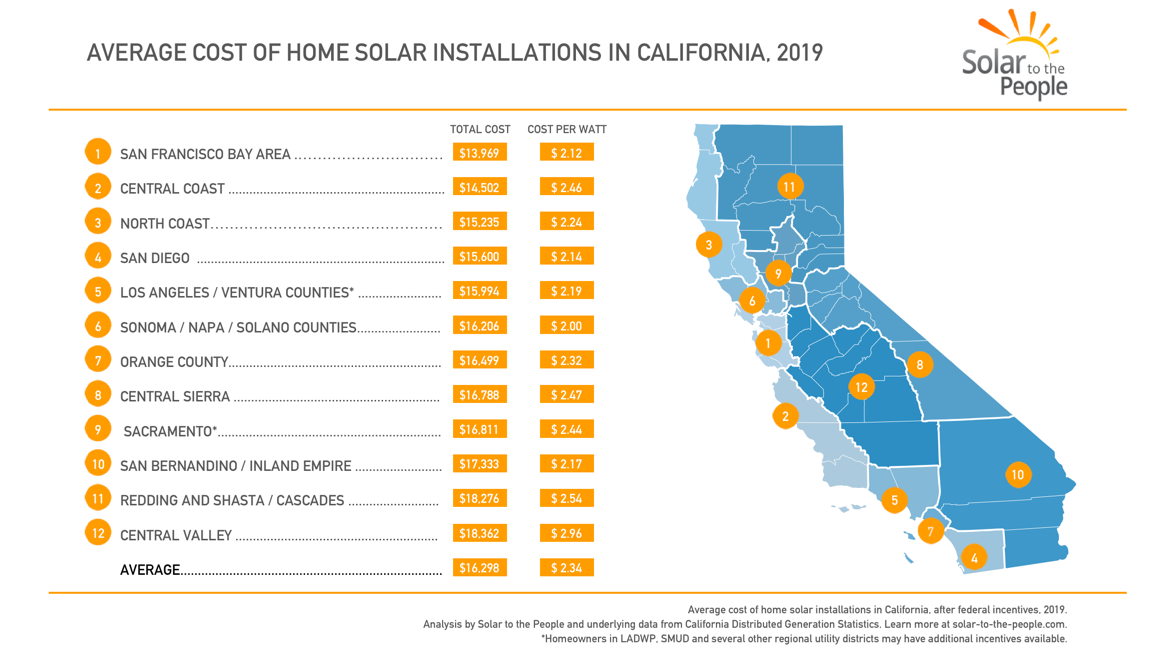
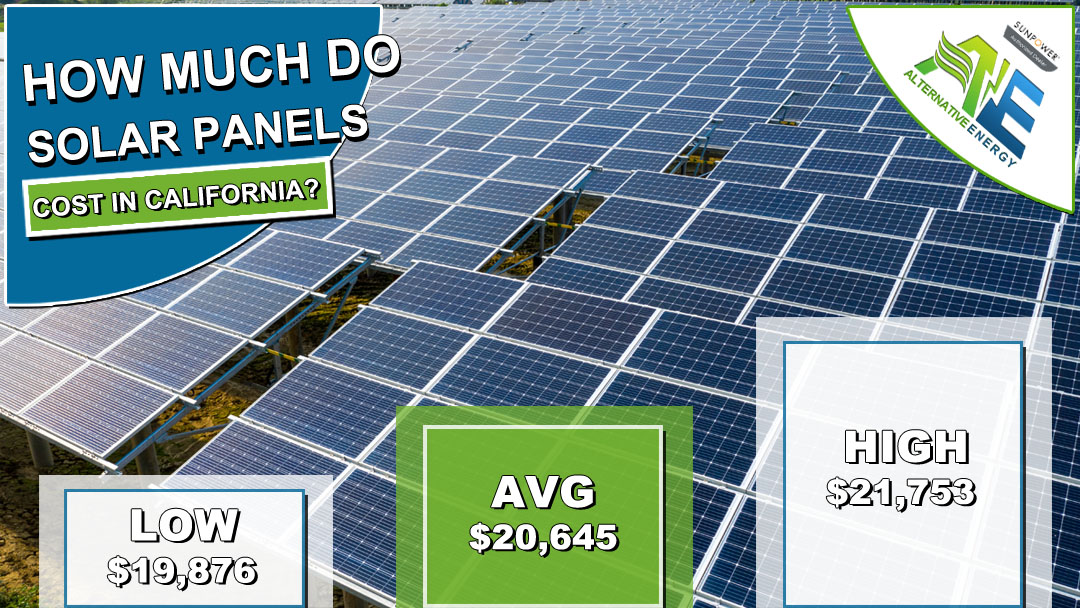
The Spectrum of Solar System Costs
The upfront cost of a solar panel system in California can appear substantial, but it’s crucial to break down what constitutes this investment. These systems are not a one-size-fits-all solution and vary significantly based on several crucial elements.
System Size: Matching Your Energy Needs
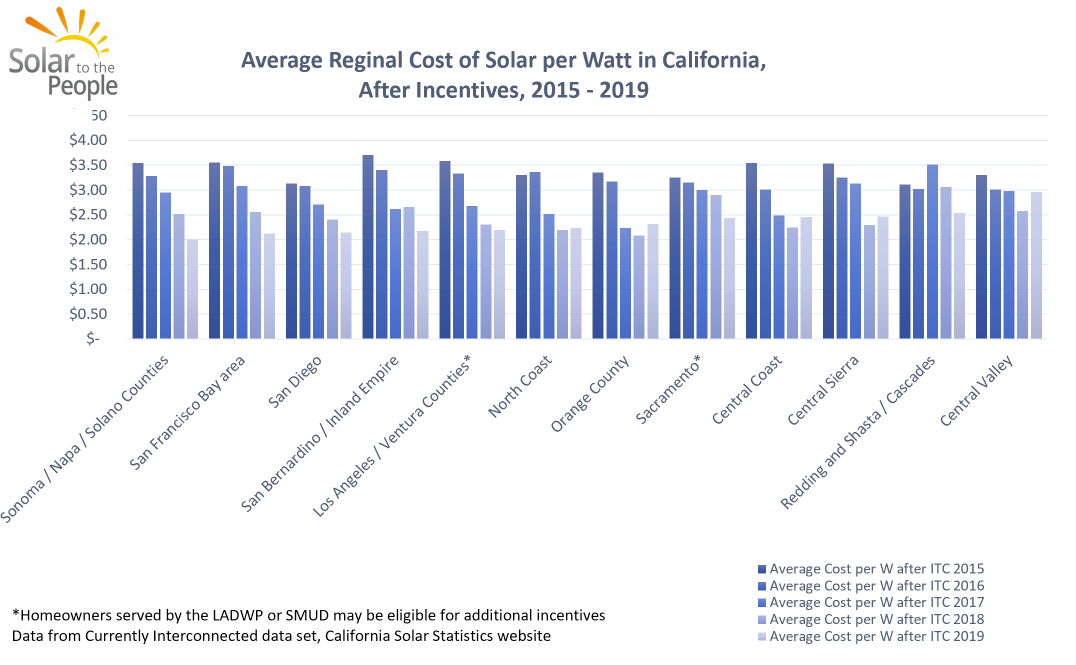
The most significant determinant of solar cost is the size of the system, measured in kilowatts (kW). This is directly tied to your household’s or business’s energy consumption. A smaller home with minimal electricity usage will require a smaller, less expensive system than a large family residence or a commercial establishment. Understanding your average monthly electricity bill is the first step in determining the appropriate system size. For instance, a typical residential system in California might range from 5 kW to 10 kW, while larger homes or those with electric vehicles might opt for 10 kW to 15 kW or more. The cost per watt generally decreases as the system size increases, meaning larger installations can be more cost-effective on a per-unit basis. This is a consideration for anyone planning a long-term stay or investing in property within California, where energy efficiency is increasingly valued.
Panel Type and Quality: The Foundation of Efficiency
The type and quality of solar panels chosen play a vital role in the overall cost. While all solar panels convert sunlight into electricity, they differ in efficiency, durability, and warranty periods.
- Monocrystalline panels are generally more efficient and aesthetically pleasing, often appearing as a uniform black. They tend to be more expensive upfront but can generate more power in a smaller footprint, which is beneficial for properties with limited roof space.
- Polycrystalline panels are typically more affordable and have a speckled blue appearance. They are less efficient than monocrystalline panels but can be a good option for larger roofs where space is not a constraint.
Beyond panel type, the brand and manufacturer’s reputation are also factored in. Higher-tier brands often come with longer warranties and proven track records of performance, justifying a higher price point. For travelers who appreciate quality and reliability, whether in a boutique hotel or a private villa, the same principles apply to the enduring performance of solar technology.
Inverter Technology: The Brains of the Operation
The inverter is another critical component that converts the direct current (DC) electricity generated by the solar panels into the alternating current (AC) used by your home or business. There are two main types of inverters:
- String inverters are the more traditional and generally less expensive option. They connect multiple panels in a series (a “string”) to a single inverter. This is cost-effective but can lead to reduced overall system performance if one panel in the string is shaded or underperforming.
- Microinverters are installed on each individual solar panel. They offer superior performance monitoring, allow for panel-level optimization (mitigating shading issues), and are often preferred for complex roof layouts or when shade is a concern. Microinverters are typically more expensive than string inverters but can provide better long-term energy production and flexibility, aligning with a lifestyle that prioritizes optimized performance and advanced technology.
Additional Components and Installation Complexity
Beyond the core components, the cost also includes other essential elements like mounting hardware, wiring, a solar meter, and the labor involved in installation. The complexity of the installation can significantly impact the final price. Factors such as the roof’s pitch and material, the need for electrical panel upgrades, the distance from the panels to the inverter and electrical meter, and whether battery storage is included will all affect the total cost. For instance, installing solar on a steep, multi-faceted roof might require more time and specialized equipment than a simple, flat roof. Similarly, integrating battery storage, which allows you to store excess solar energy for use at night or during power outages, adds a significant cost but enhances energy independence – a feature often sought after in luxury travel experiences and self-sufficient living.
Navigating the Financial Landscape: Incentives and Savings
While the upfront cost of solar installation in California is a primary concern, it’s essential to consider the significant financial benefits that offset this initial investment. A robust ecosystem of incentives, tax credits, and long-term savings makes solar a compelling financial decision for many residents and businesses. These financial aspects are as attractive as the world-class attractions and culinary delights that California offers, providing a tangible return on investment that enhances one’s lifestyle.
Federal and State Incentives: Reducing the Out-of-Pocket Expense
California has been a leader in promoting solar energy, with various incentives designed to make solar more accessible and affordable.
The Federal Solar Investment Tax Credit (ITC)
Perhaps the most significant incentive is the Federal Solar Investment Tax Credit (ITC). This credit allows you to deduct a percentage of the cost of your solar energy system from your federal taxes. The ITC has been extended and is currently set at 30% for systems installed through 2032. This substantial tax credit effectively reduces the net cost of your solar system, making it a highly attractive proposition for homeowners and businesses looking to invest in sustainable energy. For example, if your solar system costs $30,000, a 30% ITC would save you $9,000 on your federal taxes. This aligns with the budgeting and planning principles relevant to any significant lifestyle expenditure, akin to booking a luxury resort or planning an extended itinerary for exploring the diverse landscapes of California.
California’s Net Energy Metering (NEM) Programs
California‘s Net Energy Metering (NEM) programs are crucial for maximizing the financial benefits of solar. NEM allows solar system owners to receive credits on their electricity bills for the excess energy their panels send back to the utility grid. While the specifics of NEM policies can evolve (such as the recent changes to NEM 3.0), the fundamental principle remains: you are compensated for the clean energy you contribute. These credits can significantly reduce or even eliminate your monthly electricity bills, turning your roof into a personal power plant. This concept of generating your own resources and receiving value for them is akin to the self-sufficiency sought by some travelers or the smart budgeting involved in exploring the state’s many free attractions.
Local Rebates and Performance-Based Incentives
In addition to federal and state programs, some local utility companies and municipalities in California may offer additional rebates or performance-based incentives. These can further reduce the upfront cost or provide ongoing financial rewards for generating solar power. Staying informed about these local opportunities is key to unlocking the maximum financial potential of your solar investment. Similar to discovering hidden gems or local eateries that enhance a travel experience, these localized incentives can offer unexpected value.
Long-Term Savings and ROI: The True Value of Solar
The true financial benefit of solar energy unfolds over the lifespan of the system, which typically spans 25-30 years or more. The savings generated from reduced electricity bills are substantial and compound over time.
Reduced Electricity Bills: Immediate and Ongoing Relief
Once your solar system is installed and operational, you will see a noticeable decrease in your monthly electricity bills. As electricity rates tend to rise over time, the savings from solar become even more significant in the long run. Instead of paying a utility company for power, you are essentially generating your own, often at a much lower cost. This predictable energy expense is a significant advantage, especially for families or businesses operating on a budget, allowing for more financial flexibility for other lifestyle pursuits, such as exploring the national parks or enjoying the vibrant nightlife in cities like Los Angeles or San Francisco.
Increased Home Value: An Added Investment Benefit
Homes with solar panel systems are often more attractive to buyers and can command a higher resale value. A solar installation is viewed as an upgrade that offers immediate energy savings and environmental benefits, making it a desirable feature in the competitive California real estate market. This appreciation in property value adds another layer to the financial return on investment, making solar a smart long-term asset. It’s akin to investing in a well-appointed suite at a resort or a villa with desirable amenities – it enhances the overall value and appeal.
Payback Period and Return on Investment (ROI)
The payback period for a solar system in California varies depending on the system’s cost, the incentives received, and your electricity consumption. However, many homeowners find that their systems pay for themselves within 7 to 12 years. After the payback period, the electricity generated by your solar panels is essentially free, providing decades of savings. The overall return on investment for a solar system can be very attractive, often rivaling or exceeding returns from other traditional investments. This long-term financial security and predictable cost management contribute to a more stable and enjoyable lifestyle, whether you’re a resident or a frequent visitor who appreciates the value of smart financial decisions.
Factors Influencing Your California Solar Quote
When you begin gathering quotes for a solar installation in California, you’ll quickly realize that no two quotes are exactly alike. This is because several site-specific and customer-specific factors influence the final price. Understanding these variables will help you evaluate quotes more effectively and make an informed decision that aligns with your lifestyle and financial goals. It’s much like comparing different accommodation options – a budget-friendly apartment in San Diego will have a different appeal and price point than a luxury resort in Napa Valley.
Site Assessment and Roof Characteristics
The physical characteristics of your property are paramount in determining the complexity and cost of a solar installation.
Roof Condition and Age
The condition and age of your roof are critical. A solar installation is a long-term investment, and it’s crucial that your roof is in good condition to support the panels for the system’s lifespan. If your roof is nearing the end of its life, it may be more cost-effective to replace it before installing solar panels. This adds to the upfront cost but prevents the expense and hassle of removing and reinstalling the solar system later. Professionals will assess the structural integrity and remaining lifespan of your roof.
Roof Orientation and Shading
The orientation and pitch of your roof significantly impact solar energy production. South-facing roofs in the Northern Hemisphere, like those in California, are ideal as they receive the most direct sunlight throughout the day. East and west-facing roofs can also be effective, though they may produce slightly less energy. The presence of trees, neighboring buildings, or other obstructions that cast shade on your roof throughout the day will reduce the amount of electricity your panels can generate. Solar installers will conduct a thorough site assessment, often using specialized tools, to map out shading patterns and optimize panel placement for maximum sunlight exposure. For those who appreciate the natural beauty of California, understanding how sunlight interacts with the landscape is also a key element of enjoying its destinations.
Available Roof Space and Layout
The amount of usable roof space is a direct constraint on the size of the solar system you can install. Complex roof layouts with multiple angles, dormers, or chimneys can make installation more challenging and time-consuming, potentially increasing labor costs. Installers will measure and map out the available space, taking into account obstructions and optimal panel placement to design the most efficient system for your specific roof.
Additional Considerations: Battery Storage and Electric Vehicles
As California continues to embrace renewable energy, certain additions to a solar system are becoming increasingly popular and can influence the overall cost.
The Growing Importance of Battery Storage
Battery storage systems are becoming an integral part of many solar installations. These batteries store excess solar energy generated during the day for use at night or during grid outages, providing greater energy independence and resilience. While adding a battery significantly increases the upfront cost of a solar system, it can also enhance the financial benefits by allowing you to store energy when electricity rates are low and use it when rates are high (especially under time-of-use utility plans). For those seeking to create a self-sufficient lifestyle, or who value uninterrupted power akin to a reliable Wi-Fi connection at a resort, battery storage is a compelling option.
Powering Electric Vehicles with Solar
With California leading the nation in electric vehicle (EV) adoption, many homeowners are integrating solar power with their EV charging needs. If you own or plan to purchase an EV, you may need a larger solar system to offset the additional electricity consumption. This means a higher upfront cost but also significant savings on fuel costs. The synergy between solar and EVs perfectly encapsulates the innovative and sustainable lifestyle that California is known for, making it an attractive proposition for residents and even for businesses offering unique experiences to visitors.
By understanding these multifaceted aspects – from the fundamental components and their costs to the attractive incentives and the specific factors influencing a personalized quote – prospective solar owners in California can confidently navigate the journey towards clean, affordable, and sustainable energy. This informed approach ensures that the investment in solar is not just a financial transaction, but a step towards a lifestyle that is both environmentally responsible and economically savvy, reflecting the best of what the Golden State has to offer.
LifeOutOfTheBox is a participant in the Amazon Services LLC Associates Program, an affiliate advertising program designed to provide a means for sites to earn advertising fees by advertising and linking to Amazon.com. Amazon, the Amazon logo, AmazonSupply, and the AmazonSupply logo are trademarks of Amazon.com, Inc. or its affiliates. As an Amazon Associate we earn affiliate commissions from qualifying purchases.