
California, a state synonymous with diverse landscapes ranging from the sun-drenched beaches of Southern California to the majestic peaks of the Sierra Nevada mountains, offers a treasure trove of recreational opportunities. Among these, fishing holds a special place in the hearts of many, whether it’s casting a line in the Pacific Ocean, a tranquil mountain lake, or a winding river. However, before you can reel in that prized catch, understanding the requirements for a fishing license is paramount. This comprehensive guide delves into the cost of a fishing license in California, exploring various license types, durations, and essential information for anglers planning their adventures in the Golden State.
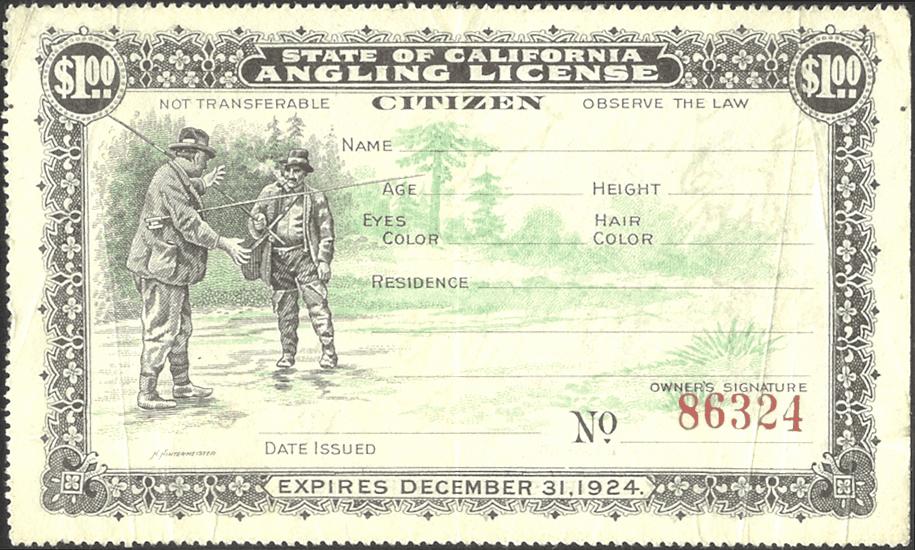
The California Department of Fish and Wildlife (CDFW) is the governing body responsible for issuing fishing licenses and managing the state’s precious aquatic resources. Their primary goal is to ensure sustainable fishing practices and the conservation of fish populations for future generations. As such, purchasing a fishing license is not merely a bureaucratic step but a contribution to the vital work of wildlife preservation. The fees collected from license sales directly fund research, habitat restoration, law enforcement, and public education programs.
Understanding California Fishing License Requirements and Costs
Navigating the world of fishing licenses can seem complex at first, with various options available to suit different needs and durations of stay. The price of a fishing license in California is determined by several factors, including the applicant’s residency status, the type of fishing they intend to do (freshwater, saltwater, or both), and the desired validity period of the license.
Resident vs. Non-Resident Licenses
One of the most significant differentiators in pricing is whether an individual is a California resident or a non-resident. Residents, who have established domicile in California for at least six months prior to the application date, generally pay lower fees. Non-residents, including visitors from other states or countries, will find the license fees to be higher. This distinction is common across many states, aiming to provide a more affordable option for those who contribute to the state’s economy and conservation efforts year-round.
Types of Fishing Licenses
California offers a range of license types to accommodate diverse angling pursuits:
Annual Licenses
For those who plan to fish frequently throughout the year, an annual fishing license is the most cost-effective option.
- Standard Annual Fishing License: This license permits the holder to take any species of fish, mollusks, or crustaceans in any waters in which the department has jurisdiction, subject to the fish and game commission regulations. The price varies for residents and non-residents. For the most current pricing, it is always advisable to check the official CDFW website.
- Annual Sport Fishing License: Similar to the standard annual license, this covers general sport fishing activities.
- Second Rod Stamp: If you wish to use two fishing rods at once, you will need to purchase an additional stamp to accompany your fishing license. This is a separate, smaller fee.
Short-Term Licenses
For visitors or those who only plan to fish a few times during their stay, short-term licenses offer flexibility.
- 1-Day Fishing License: This is ideal for a single day of fishing, offering a convenient and affordable way to enjoy a short fishing excursion.
- 2-Day Fishing License: For those planning a weekend fishing trip or a couple of days of angling.
- 10-Day Fishing License: This option is particularly beneficial for tourists who plan an extended vacation in California and want to dedicate several days to fishing in its various renowned locations.
Lifetime Licenses
California also offers lifetime fishing licenses for residents. These are a significant upfront investment but eliminate the need to purchase annual licenses for the rest of your life. Lifetime licenses are generally structured based on age brackets, with younger purchasers paying less. These licenses are a popular choice for avid anglers who intend to fish in the state for many years to come.
Special Licenses and Permits
Beyond the general fishing licenses, there are also specific permits and endorsements for certain types of fishing or for fishing in particular areas.
- Ocean Enhancement Stamp: This is required if you intend to fish for certain species in the ocean waters south of Point Arguello in Santa Barbara County. This stamp helps fund conservation efforts for marine species.
- Steelhead Fishing Endorsement: For anglers targeting steelhead trout, which are anadromous (migrating between fresh and saltwater), a special steelhead report card and endorsement are often required. This is crucial for tracking and managing these prized game fish populations.
- Sturgeon Fishing Closures: While not a license itself, anglers should be aware of any specific regulations or closures related to sturgeon fishing in certain areas, which are detailed by the CDFW.
Important Note on Pricing: Fishing license prices are subject to change. The most accurate and up-to-date information on license fees, types, and regulations can always be found on the official California Department of Fish and Wildlife website. This is the definitive source for all anglers.
Senior and Youth Licenses
California offers discounted licenses for certain age groups to encourage participation in angling.

- Senior Fishing License: California residents who are 65 years of age or older are eligible for a reduced fee annual fishing license. This acknowledges the contributions of seniors and makes fishing more accessible.
- Youth Fishing License: While typically a full license is required for individuals over a certain age (often 16), there might be specific programs or limited opportunities for younger anglers. However, most fishing activities requiring a license will apply to individuals 16 years and older.
Where to Purchase Your Fishing License
Purchasing a California fishing license is a straightforward process, with several convenient options available:
- Online: The official CDFW website is the easiest and fastest way to buy your license. You can complete the purchase in minutes and often print a temporary license to use immediately.
- In Person: Many bait and tackle shops, sporting goods stores (such as Big 5 Sporting Goods or Dick’s Sporting Goods), and authorized license agents throughout California sell fishing licenses. These locations are often excellent resources for local fishing information, bait, and gear.
- By Mail: While less common, it is possible to apply for licenses by mail, though this is the slowest method.
When purchasing, you will need to provide personal information, including your name, address, date of birth, and physical characteristics. For resident licenses, proof of residency may be required.
Popular Fishing Destinations in California
California’s diverse geography translates into a vast array of world-class fishing opportunities. From the iconic Golden Gate Bridge area to the serene lakes of the mountains, there’s a spot for every type of angler.
Freshwater Fishing
California boasts an abundance of freshwater fishing locations. The Sierra Nevada mountain range is a haven for anglers seeking trout in pristine alpine lakes and rushing rivers. Popular spots include Lake Tahoe, the Owens River, and numerous smaller, less-trafficked lakes. Further north, the McCloud River and the Pit River offer excellent opportunities for fly fishing enthusiasts. In Southern California, Castaic Lake and Pyramid Lake are well-known for their bass fishing, while the Colorado River offers a variety of warm-water species.
Saltwater Fishing
The extensive California coastline provides unparalleled saltwater fishing experiences. From charter boats departing from ports like San Diego, Los Angeles, and San Francisco, anglers can pursue a wide range of game fish. Popular targets include various species of rockfish, lingcod, halibut, yellowtail, and tuna. The waters around Catalina Island and the Channel Islands National Park are particularly renowned for their abundant marine life.
Inland Waters and Bay Fishing
For those seeking a mix of freshwater and saltwater experiences without venturing too far offshore, California’s bays and major rivers offer fantastic options. San Francisco Bay is a prime location for fishing for striped bass, leopard sharks, and sturgeon. The Sacramento-San Joaquin River Delta, a sprawling network of waterways, is a critical habitat for various fish species and a popular destination for both recreational and sport anglers.
Regulations and Conservation Efforts
Beyond the cost of a license, understanding and adhering to fishing regulations is crucial for responsible angling. The CDFW enforces size limits, bag limits, and gear restrictions for different species and fishing areas. These rules are in place to protect fish populations, ensure fair angling opportunities, and maintain the ecological balance of California’s aquatic ecosystems.
Bag and Size Limits
Each species of fish has specific regulations regarding the maximum number you can keep (bag limit) and the minimum or maximum size you must release. For example, certain trout species might have different limits depending on the lake or river. Always consult the current CDFW fishing regulations booklet for the most up-to-date information.
Catch and Release
For many species, especially those facing conservation concerns or when fishing in sensitive areas, practicing catch and release is highly encouraged and sometimes mandatory. This involves carefully releasing fish unharmed back into the water. Proper handling techniques are essential to maximize the survival rate of released fish.
Conservation Programs
The fees collected from fishing licenses are vital for supporting numerous conservation programs. These include habitat restoration projects, fish stocking initiatives, scientific research to monitor fish populations, and the enforcement of fishing laws by CDFW wardens. By purchasing a license and adhering to regulations, anglers contribute directly to the health and sustainability of California’s fisheries.
Anglers are also encouraged to be mindful of invasive species and to take precautions to prevent their spread. This includes cleaning fishing gear and boats thoroughly after each use.
In conclusion, while the cost of a fishing license in California varies based on residency and license type, it is a small price to pay for access to the state’s incredible angling opportunities. Whether you’re a seasoned angler planning a deep-sea adventure off the coast of San Diego or a beginner looking to cast a line in a peaceful mountain stream, obtaining the correct license and familiarizing yourself with the regulations will ensure a rewarding and responsible fishing experience. Remember to always check the official CDFW website for the most current pricing and regulations before your next fishing trip in the Golden State.
LifeOutOfTheBox is a participant in the Amazon Services LLC Associates Program, an affiliate advertising program designed to provide a means for sites to earn advertising fees by advertising and linking to Amazon.com. Amazon, the Amazon logo, AmazonSupply, and the AmazonSupply logo are trademarks of Amazon.com, Inc. or its affiliates. As an Amazon Associate we earn affiliate commissions from qualifying purchases.