
California’s labor laws are renowned for their robust protections for employees, and overtime pay is a significant component of that framework. For anyone working in the Golden State, understanding how overtime is calculated is not just about ensuring fair compensation but also about navigating the complexities of employment rights. This guide aims to demystify California’s overtime pay regulations, offering clarity for both employees and employers. Whether you’re a seasoned professional planning a luxurious stay in a Napa Valley resort, a family embarking on an adventure to Disneyland, or a business traveler frequenting the bustling streets of Los Angeles, understanding your potential overtime earnings is crucial.
The foundation of California’s overtime rules lies in the concept of a standard workweek. Typically, a standard workweek consists of 40 hours. When an employee works beyond these standard hours, they are generally entitled to overtime pay, which is compensated at a higher rate than their regular hourly wage. This system is designed to discourage excessive work hours and promote a healthier work-life balance, a principle that resonates deeply with the lifestyle many seek when exploring destinations from the serene beaches of San Diego to the vibrant culture of San Francisco.
Understanding California’s Overtime Calculation
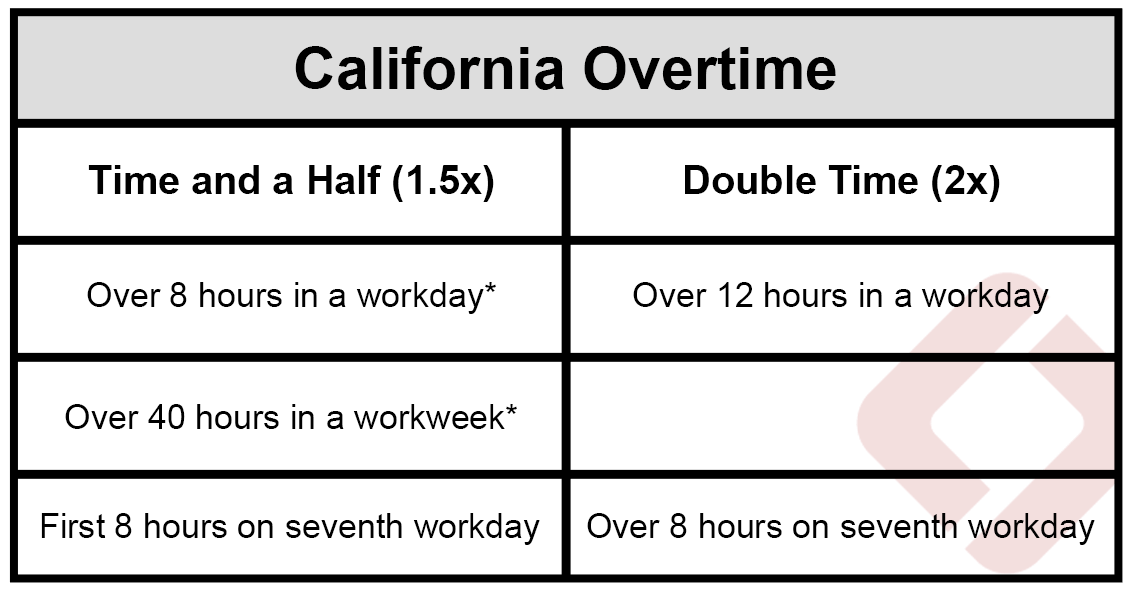
California law mandates specific overtime rates based on the number of hours worked. The general rule is that employees who work more than eight hours in a workday or more than 40 hours in a workweek are entitled to overtime pay. The rate for this overtime is typically one and a half times (1.5x) the employee’s regular rate of pay. This ensures that extra hours are compensated at a premium, acknowledging the increased effort and potential disruption to personal time.
Daily Overtime
In California, daily overtime applies when an employee works more than eight hours in a single workday. For instance, if your regular workday is scheduled for eight hours and you end up working nine hours on a given day, the ninth hour would be paid at your overtime rate. This provision is a cornerstone of California’s labor protections, offering a safeguard against employers consistently requiring employees to work long days without adequate compensation. This is particularly relevant for those in industries with fluctuating demands, such as hospitality during peak tourist seasons in popular spots like Yosemite National Park or during major events in cities like Sacramento.
Weekly Overtime
Beyond the daily threshold, California also provides for weekly overtime. If an employee works more than 40 hours in a designated workweek, regardless of how those hours were distributed across individual days, they are entitled to overtime pay for all hours worked beyond the 40-hour mark. This means that even if an employee works exactly eight hours each day for five days, and then picks up an extra shift on the weekend, those weekend hours (or any hours exceeding 40 in that week) will qualify for overtime. This is a crucial protection for many workers, including those in the tourism sector who might work extended shifts during holiday periods or while managing bookings for accommodations like The Ritz-Carlton, Laguna Niguel.
Double-Time Pay
California law takes it a step further by mandating double-time pay under certain circumstances. This higher rate of pay, calculated at twice (2x) the employee’s regular rate, applies when an employee works:
- More than 12 hours in a single workday.
- More than 8 hours in a workday on the seventh consecutive day of work in a workweek, provided that the employee has worked 40 or more hours in that workweek.
This double-time provision serves as a strong deterrent against extreme working hours and ensures that employees are exceptionally well-compensated for undertaking such demanding schedules. This can be particularly relevant for individuals in seasonal tourism roles or those managing complex travel itineraries, where unexpected extensions or emergencies might necessitate very long hours. For example, a tour guide leading an extended expedition through the Redwood National and State Parks might encounter situations requiring them to work well past 12 hours in a day.
Who is Eligible for Overtime Pay in California?
While the general principles of overtime pay apply broadly, certain categories of employees are exempt from these provisions. Understanding these exemptions is vital for both employees to know their rights and for employers to ensure compliance. The most common exemptions are based on job duties and salary.
Exempt vs. Non-Exempt Employees
The primary distinction lies between “exempt” and “non-exempt” employees. Non-exempt employees are entitled to overtime pay as per California law. Exempt employees, on the other hand, are not. The determination of exempt status is not simply a matter of job title; it hinges on the nature of the employee’s duties and, in some cases, their salary.
Executive, Administrative, and Professional Exemptions
California law outlines specific criteria that must be met for an employee to be considered exempt under the executive, administrative, or professional categories. Generally, these employees must:
- Perform primarily executive, administrative, or professional duties as defined by law.
- Exercise discretion and independent judgment in their roles.
- Earn a salary that meets or exceeds a predetermined minimum threshold, which is updated periodically.
For example, a hotel manager overseeing operations at a luxury resort like The Beverly Hills Hotel who has significant decision-making authority and earns a substantial salary might be considered exempt. Similarly, a highly specialized tour operator designing unique travel experiences through Death Valley National Park with considerable autonomy could also fall under an exemption. The specific salary threshold changes, so it’s important to consult current California Department of Industrial Relations (DIR) guidelines for the most up-to-date figures.
Other Exemptions

There are other specific exemptions, such as for certain computer professionals, outside salespeople, and individuals employed in specific industries like agriculture under certain conditions. It’s crucial for both employees and employers to carefully review the criteria for these exemptions to ensure correct classification. For instance, an individual planning exclusive travel packages to vineyards in the Sonoma Valley might be classified differently depending on the specific nature of their planning and sales responsibilities.
Calculating Your Regular Rate of Pay
The “regular rate of pay” is the foundation upon which overtime is calculated. This rate isn’t always as simple as an employee’s base hourly wage. California law requires that the regular rate include all remuneration for employment paid to the employee, with a few specific exceptions. This means that certain bonuses, commissions, and other forms of compensation must be factored into the calculation of overtime.
What’s Included in the Regular Rate?
Generally, the regular rate of pay includes:
- Hourly wages.
- Salaries paid on an hourly, daily, weekly, or piecework basis.
- Commissions.
- Bonuses (unless specifically excluded by law or by a collective bargaining agreement).
- The cash equivalent of board, lodging, or other facilities provided to the employee.
For example, if an employee receives a weekly salary plus a commission on bookings made for hotel stays in San Francisco, that commission must be averaged over the workweek and added to their base salary to determine the regular rate for overtime calculations. This is a common scenario for sales staff in the hospitality and tourism industries, where flexible compensation structures are prevalent.
How to Calculate the Regular Rate
To calculate the regular rate of pay for overtime purposes, you typically take the total sum of all earnings for a workweek (including wages, commissions, and other non-excluded compensation) and divide it by the total number of hours worked in that workweek. This will give you the employee’s regular hourly rate for that specific week. Then, multiply this regular rate by 1.5 for overtime hours and by 2 for double-time hours.
Example:
Suppose an employee earns a base wage of $20 per hour and also receives a commission of $100 in a particular week. They work 45 hours that week, including 5 hours of overtime.
- Total Earnings: $20/hour * 40 hours + $100 commission = $800 + $100 = $900
- Regular Rate Calculation: $900 total earnings / 45 total hours = $20 per hour.
- Overtime Pay:
- Regular pay for 40 hours: 40 hours * $20/hour = $800
- Overtime pay for 5 hours: 5 hours * ($20/hour * 1.5) = 5 hours * $30/hour = $150
- Total Pay: $800 + $150 = $950
This calculation ensures that the employee is fairly compensated for their overtime, factoring in all forms of remuneration that contribute to their overall earnings. This meticulous approach to pay is crucial for maintaining trust and ensuring legal compliance, whether one is managing a boutique hotel in Big Sur or coordinating travel logistics for a large corporate event in San Jose.
Overtime for Specific Industries and Situations
While the general rules apply broadly, certain industries and specific work situations in California may have unique overtime considerations. These can range from industries with rotating shifts to those that are highly seasonal, impacting how overtime is applied.
Hospitality and Tourism
The hospitality and tourism sectors, which are central to California’s economy and heavily featured on travel-focused websites, often experience peak seasons and fluctuating demand. This can lead to increased overtime hours for employees working in hotels, restaurants, attractions like the Griffith Observatory, and tour operations. Employees in these fields are typically entitled to overtime pay according to the standard daily and weekly rules, unless they fall under a specific exemption. For instance, a front desk associate at a Hyatt Centric hotel in a tourist hotspot might frequently work more than eight hours a day or 40 hours a week, making overtime pay a significant part of their compensation. Likewise, event staff managing large gatherings or festivals may also accumulate overtime.
Public Sector Employees
Public sector employees in California, such as those working for the state government, counties, or cities like Oakland, generally have specific rules governing overtime. While many are covered by the same general labor laws, collective bargaining agreements or specific civil service rules might dictate different overtime rates or eligibility criteria. Understanding these nuances is important for public service workers, whether they are park rangers in Joshua Tree National Park or city planners.
Agricultural Workers
California’s agricultural sector has historically had unique overtime rules. While reforms have been implemented to align agricultural overtime more closely with other industries, specific regulations and phase-in periods have applied. It is crucial for those working in agriculture to be aware of the current overtime standards applicable to their specific role and region.

The Importance of Record Keeping
Accurate record-keeping by both employers and employees is paramount when it comes to overtime pay. Employers are legally required to maintain detailed records of hours worked, wages paid, and overtime calculations for each employee. Employees, on their part, should also keep their own records of hours worked to ensure accuracy and to have a basis for verification if discrepancies arise. This diligence is essential for protecting worker rights and ensuring compliance with California’s comprehensive labor laws, whether one is employed at a famous landmark like the Golden Gate Bridge or in a less visible but equally important role supporting the state’s vibrant tourism industry. By understanding these regulations, individuals can better manage their finances and ensure they receive the compensation they deserve for their hard work, contributing to a more equitable and productive workforce across the diverse landscapes of California, from its bustling cities to its natural wonders.
LifeOutOfTheBox is a participant in the Amazon Services LLC Associates Program, an affiliate advertising program designed to provide a means for sites to earn advertising fees by advertising and linking to Amazon.com. Amazon, the Amazon logo, AmazonSupply, and the AmazonSupply logo are trademarks of Amazon.com, Inc. or its affiliates. As an Amazon Associate we earn affiliate commissions from qualifying purchases.