
Navigating the intricacies of vehicle ownership in California often brings up questions about essential maintenance, and a recurring one is: “How often do I need a California smog check?” For residents and visitors alike who rely on their vehicles to explore the Golden State’s diverse landscapes, from the iconic beaches of Southern California to the majestic mountains of the Sierra Nevada, understanding smog check requirements is crucial. This guide aims to demystify the process, ensuring your vehicle remains compliant and your adventures uninterrupted.
The California Air Resources Board (CARB) mandates smog inspections to ensure that vehicles operating in the state meet stringent emissions standards. These checks are a vital component of California‘s commitment to improving air quality, a cause that resonates with many who enjoy outdoor activities like hiking in Yosemite National Park or surfing near the Golden Gate Bridge. Failing to have your vehicle smog checked can result in penalties, and more importantly, it compromises the very air quality that makes California such an attractive destination for travel and tourism.
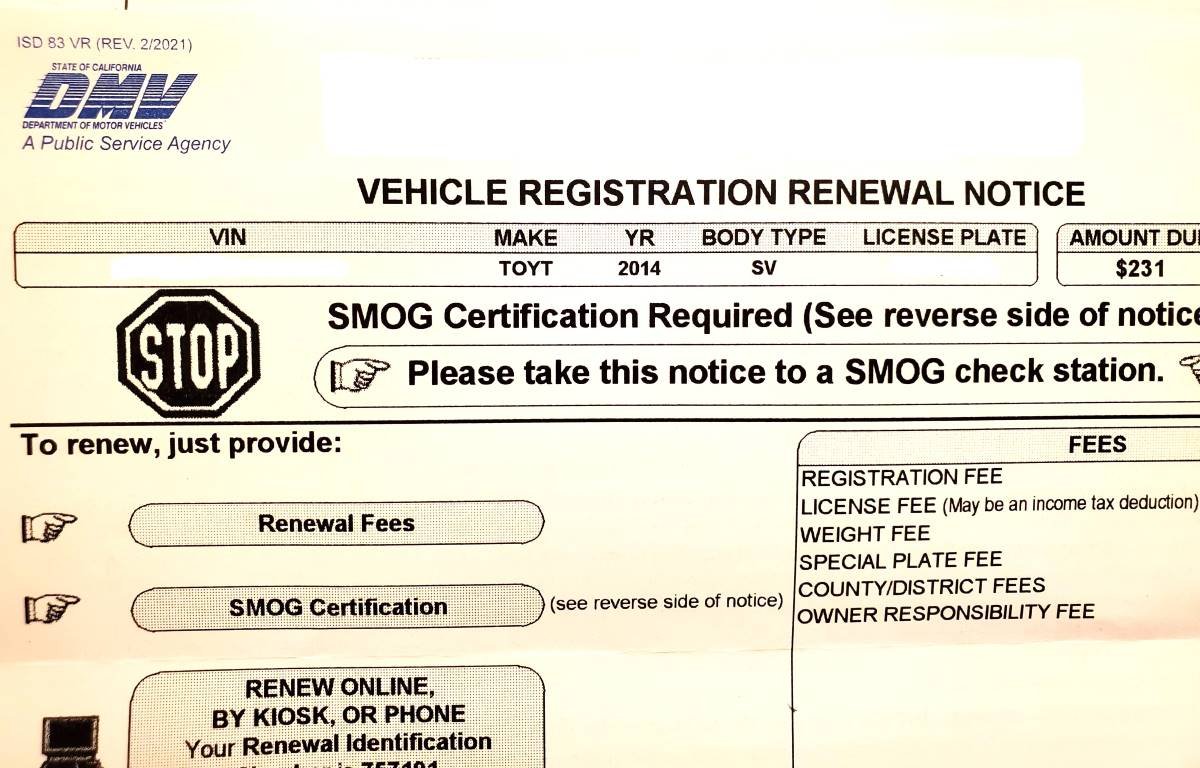
Understanding Your Smog Check Frequency
The frequency of your California smog check is not a one-size-fits-all answer. It depends on several factors, primarily the age of your vehicle and whether you are registering it for the first time in California. The state employs a tiered system to manage these requirements effectively.
New Vehicle Exemptions and Initial Checks
For brand-new vehicles, California offers a temporary exemption from the biennial smog check requirement. If your vehicle is a 1975 model year or newer, and it’s less than eight model years old, you will generally pay a smog abatement fee instead of undergoing a physical inspection during registration. This fee contributes to California‘s air quality initiatives. However, this exemption has a lifespan. Once your vehicle reaches eight model years old, it will be subject to the biennial smog check.
For vehicles that are eight to fourteen model years old, the state implements a program called the “2019 and Newer” law. Under this law, these vehicles are required to undergo a smog check every other year, just like older vehicles. However, instead of a traditional smog test, they are subject to the “2019 and Newer” program, which uses a rolling exemption. This means that if your vehicle is within this age range, it will not need a smog check if it was manufactured in 2019 or later. Once it reaches a certain age, it will then fall under the standard biennial inspection. The intent is to encourage the adoption of newer, cleaner vehicle technologies.
Biennial Smog Checks for Older Vehicles
For vehicles that are more than eight model years old, the standard requirement is a smog check every two years, or biennially. This applies to the vast majority of vehicles registered in California. The biennial smog check is designed to ensure that as vehicles age and their emissions control systems potentially degrade, they continue to operate within the state’s emissions limits. This is particularly important for maintaining air quality in densely populated areas like Los Angeles and the San Francisco Bay Area, where traffic congestion can exacerbate pollution levels.
Special Circumstances and Exceptions
While the biennial rule is the most common, there are a few special circumstances and exceptions to be aware of.
Change of Ownership
If you buy a used vehicle in California, the seller is legally obligated to provide the buyer with a valid smog inspection certification. This certification must be completed within 90 days prior to the date of sale. This rule ensures that you are not inheriting a vehicle that is already failing emissions standards. If you are purchasing a vehicle from out-of-state and bringing it to California for registration, it will need to pass a California smog check before it can be registered. This is a critical step for new residents or those bringing a vehicle into the state for the first time.
Out-of-State Vehicles
Bringing a vehicle from another state into California requires it to pass a California smog check. This applies to all vehicles, regardless of age, that are being registered in the state for the first time. California has some of the strictest emissions standards in the country, and out-of-state vehicles may not meet these requirements. You will need to find a licensed California smog check station to have your vehicle inspected. This is an essential step to ensure your vehicle complies with the state’s environmental regulations before you can legally drive it on California roads, whether you’re planning a road trip down the Pacific Coast Highway or commuting in San Diego.
Garage Exception
There is a specific “Garage Exception” available for certain owners of gasoline-powered vehicles that are 1975 model year or older. If you own such a vehicle and it is used for less than 1,000 miles per year, you can apply for this exception. Instead of a smog check, you will pay an annual fee. This is intended for collectors and enthusiasts who use their classic vehicles infrequently. It’s important to note that this exception does not apply to diesel-powered vehicles.
Specific Vehicle Types
Certain types of vehicles may have different smog check requirements. For instance, electric vehicles are currently exempt from California smog checks. Hybrids, however, are generally subject to the same smog check requirements as gasoline-powered vehicles, depending on their age. Older diesel vehicles also have specific regulations. It’s always best to check the latest guidelines from the California Department of Motor Vehicles (DMV) or the Bureau of Automotive Repair (BAR) for the most up-to-date information regarding your specific vehicle type.
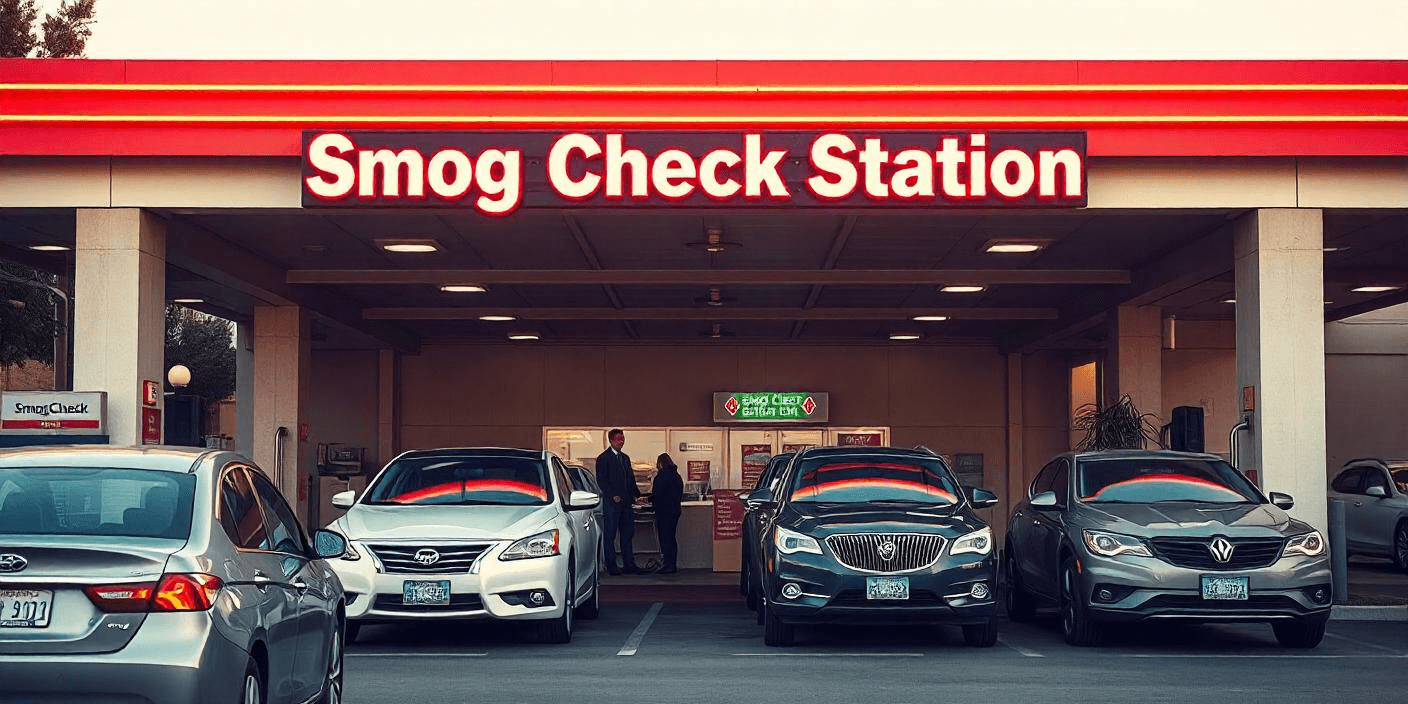
The Smog Check Process: What to Expect
Understanding the mechanics of a smog check can alleviate any anxiety associated with the process. It’s designed to be a relatively straightforward procedure conducted by licensed professionals at authorized stations.
Choosing a Smog Check Station
California has thousands of licensed smog check stations throughout the state. You can identify these stations by the “Smog Check” sign displayed outside. It’s advisable to choose a station that has good reviews or that has been recommended by friends or family. While most stations are reliable, some may offer minor discounts or promotions, which can be a deciding factor. The BAR website provides a locator tool to help you find a station near you. When you arrive, ensure the station is authorized to perform the type of inspection your vehicle requires.
The Inspection Itself
The smog check typically involves two main parts: a visual inspection and a tailpipe emissions test.
Visual Inspection
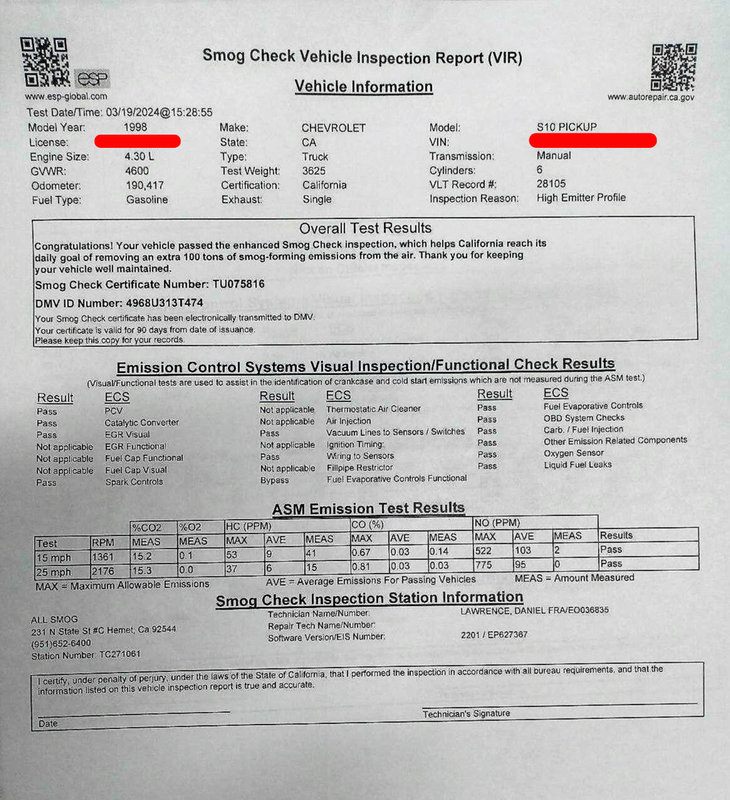
During the visual inspection, the technician will examine your vehicle’s emissions control system components. This includes checking for the presence and proper function of parts like the catalytic converter, exhaust system, intake system, and spark plugs. They will also ensure that any emissions control labels are present and legible. The technician is looking for signs of tampering or damage that could affect the vehicle’s emissions.
Tailpipe Emissions Test
The heart of the smog check is the tailpipe emissions test, also known as the “dynamometer test” or “two-speed idle test.” Your vehicle will be connected to a machine that measures the levels of pollutants being emitted from the exhaust. This test is usually performed on a set of rollers, simulating driving conditions. The technician will run your engine at idle and then at a higher RPM. Sensors placed in the tailpipe measure the concentration of hydrocarbons (HC), carbon monoxide (CO), and oxides of nitrogen (NOx). For newer vehicles, a “check engine” light inspection is also performed, which involves connecting a scan tool to your vehicle’s onboard diagnostics (OBD-II) port to check for any diagnostic trouble codes.
Passing and Failing the Smog Check
If your vehicle passes the smog check, you will receive a certificate of compliance. This certificate is electronic and will be transmitted directly to the California DMV. You will need to present proof of this passing smog check when you renew your vehicle registration.
If your vehicle fails the smog check, you will receive a report detailing the reasons for the failure. You will then need to have the necessary repairs made and bring the vehicle back for a re-inspection. California does offer some financial assistance programs for low-income vehicle owners who need to repair their vehicles to pass the smog check. The Consumer Assistance Program (CAP) can help with the cost of repairs or even the replacement of a non-compliant vehicle with a newer, cleaner one. Information about the CAP program is available through the BAR.
Smog Check and Your California Lifestyle
For many who choose to live in or visit California, the state’s emphasis on clean air is a significant draw. Whether you’re a resident enjoying weekend getaways to the Sierra Nevada or a tourist exploring the vibrant streets of San Francisco, a well-maintained vehicle is essential for experiencing all that California has to offer. From the wine country of Napa Valley to the desert landscapes near Palm Springs, reliable transportation allows for spontaneous adventures and comfortable travel.
Maintaining Your Vehicle for a Smooth Experience
Regular maintenance is key not only to passing your smog check but also to ensuring your vehicle’s longevity and reliability. This includes keeping up with oil changes, tune-ups, and addressing any warning lights promptly. A well-maintained vehicle is less likely to fail a smog check and will provide a more enjoyable driving experience throughout your travels. Think of it as part of preparing for your next adventure, whether it’s a scenic drive along the coast or a family trip to Disneyland.
Compliance and Responsibilities
Understanding and complying with California‘s smog check laws is a fundamental responsibility for all vehicle owners in the state. It’s a small price to pay for the significant benefit of cleaner air, which directly impacts the quality of life and the natural beauty that California is renowned for. This commitment to environmental protection is a core aspect of the California lifestyle, from its focus on sustainable tourism to its dedication to preserving its natural wonders.
Ultimately, the California smog check is more than just a bureaucratic requirement; it’s an integral part of the state’s commitment to a healthier environment. By staying informed about when and how to get your smog check, you contribute to this collective effort while ensuring your vehicle is ready for any journey, from exploring the historical missions to experiencing the latest in Los Angeles culture and entertainment.
LifeOutOfTheBox is a participant in the Amazon Services LLC Associates Program, an affiliate advertising program designed to provide a means for sites to earn advertising fees by advertising and linking to Amazon.com. Amazon, the Amazon logo, AmazonSupply, and the AmazonSupply logo are trademarks of Amazon.com, Inc. or its affiliates. As an Amazon Associate we earn affiliate commissions from qualifying purchases.