
While the primary focus of lifeoutofthebox.com is to inspire and guide your travel adventures, from exploring vibrant destinations and hidden attractions to uncovering local culture and finding the perfect accommodation, understanding essential services that can impact your well-being, wherever you are, is also crucial. This guide delves into how to navigate the process of applying for Medi-Cal in California, a vital health insurance program for residents. We aim to equip you with the knowledge to understand eligibility and the application steps, ensuring you can access necessary healthcare services, whether you’re planning a long-term stay in the Golden State or are a current resident.
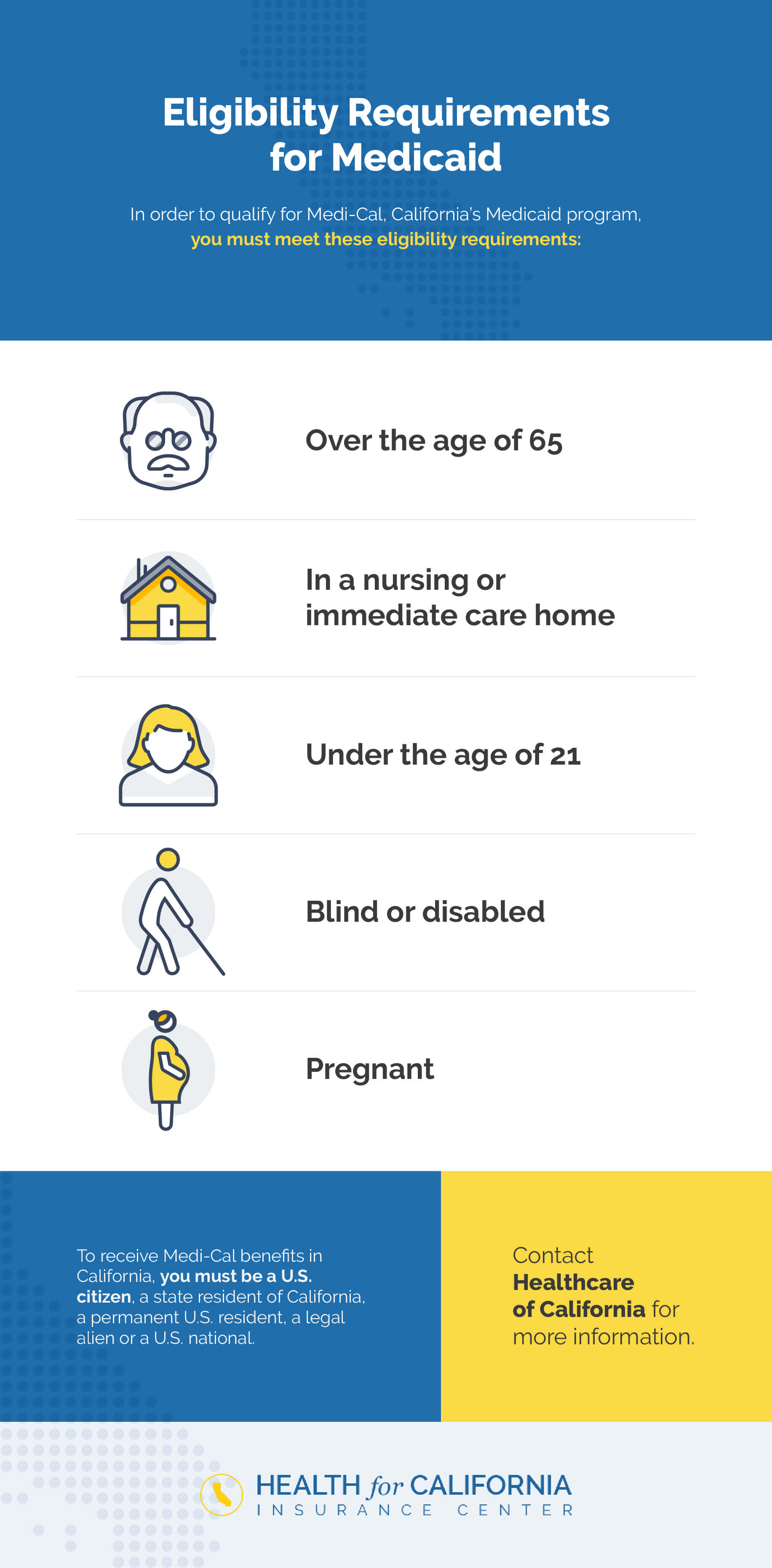
Medi-Cal serves as California‘s state-funded health insurance program, providing low-cost or free health coverage to eligible individuals and families. This includes low-income adults, seniors, persons with disabilities, children, and pregnant women. Understanding how to apply is essential for those who meet the criteria, ensuring they can access a wide range of medical services, from routine check-ups to specialized treatments. This process, while straightforward, requires attention to detail and specific documentation.
Understanding Medi-Cal Eligibility
The eligibility for Medi-Cal in California is multifaceted, taking into account various factors such as income, household size, age, disability status, and family composition. The program aims to be inclusive, offering a safety net for those who might otherwise struggle to afford healthcare. It’s important to note that California has expanded Medi-Cal eligibility under the Affordable Care Act, making it accessible to more low-income adults.
Income and Household Size
The most significant factor in determining Medi-Cal eligibility is income. California uses a modified adjusted gross income (MAGI) methodology for most applicants. This means that your income is calculated after certain deductions. The income limits are set annually and vary based on the size of your household. For instance, a single individual will have a different income threshold than a family of four. It’s crucial to have accurate information about your household’s total income, including wages, salaries, self-employment income, social security benefits, and any other sources of taxable income.
Generally, if your household income falls below a certain percentage of the Federal Poverty Level (FPL), you are likely to be eligible. California often has higher income thresholds than federal guidelines, reflecting the state’s higher cost of living. When applying, you will need to provide documentation to verify your income, such as pay stubs, tax returns, or benefit statements.
Age, Disability, and Family Status
Beyond income, specific groups are often prioritized or have different eligibility pathways.
- Seniors (Age 65 and older): Seniors with limited income and assets may be eligible for Medi-Cal, often bridging the gap for healthcare needs not fully covered by Medicare.
- Persons with Disabilities: Individuals with disabilities, regardless of age, may qualify for Medi-Cal if their income and assets are within the program’s limits. This often requires documentation of the disability from a medical professional or a Social Security Administration determination.
- Children and Pregnant Women: California has generous provisions for children and pregnant women, aiming to ensure early access to healthcare for the state’s youngest residents and mothers. Income limits for these groups are typically higher than for childless adults.
- Adults: As mentioned, the Affordable Care Act expansion has significantly broadened eligibility for low-income adults without dependent children.
The number of people in your household is a critical component of the eligibility calculation. Larger households have higher income allowances, reflecting the increased costs associated with supporting more individuals. When determining your household size for Medi-Cal purposes, you generally include yourself, your spouse (if applicable), and any dependents you claim on your federal tax return, as well as any children under 18 living in your home for whom you provide care.
Assets (for certain categories)
While most applicants are assessed based on MAGI, certain categories, particularly seniors and individuals with disabilities applying for Long-Term Care services, may also have their assets reviewed. Assets include things like savings accounts, checking accounts, stocks, bonds, and real estate (excluding your primary residence in most cases). Strict limits are placed on the value of countable assets for these specific eligibility pathways.
It’s essential to consult the official Medi-Cal website or speak with a county eligibility worker to understand the precise income and asset limits for your specific situation, as these can change annually and are subject to federal and state regulations. This knowledge forms the bedrock of your application process, ensuring you’re providing accurate information and not overlooking potential eligibility criteria.
The Application Process
Applying for Medi-Cal in California can be done through several channels, each designed to accommodate different preferences and accessibility needs. Understanding these options and the required documentation will streamline your application.
Online Application
The most convenient and often fastest way to apply for Medi-Cal is through the California Department of Health Care Services’ (DHCS) online portal. This platform allows you to create an account, fill out the application form electronically, and upload supporting documents. The online system guides you through the necessary fields, making it easier to avoid errors. After submitting your application, you will receive a confirmation and can track the status of your application online. This method is highly recommended for its efficiency and accessibility.

In-Person Application
For those who prefer face-to-face assistance or lack reliable internet access, applying in person at your local County Human Services Agency or Department of Social Services is an option. You can obtain application forms at these offices and speak directly with eligibility workers who can answer your questions and review your submitted documents. It is advisable to call your local county office in advance to schedule an appointment or to inquire about their specific application procedures and required documents. This personal interaction can be invaluable for clarifying complex eligibility rules or understanding specific situations.
Mail or Fax Application
You can also download Medi-Cal application forms from the DHCS website or obtain them from your local county office and submit them via mail or fax. While this method is available, it is generally slower than online or in-person applications, and there is a higher risk of delays due to mail transit or processing. If you choose this method, ensure you complete all sections accurately and include all required supporting documentation.
Required Documentation
Regardless of the application method you choose, you will need to provide specific documents to verify your eligibility. These typically include:
- Proof of Identity: A government-issued photo ID such as a driver’s license, state ID, or passport.
- Proof of Residency: Documents showing you live in California, such as a utility bill, lease agreement, or rent receipt.
- Proof of Income: Recent pay stubs, W-2 forms, tax returns, letters from employers, or benefit statements for unemployment, social security, or disability. If you are self-employed, you will need to provide documentation of your business income and expenses.
- Household Information: Names, dates of birth, and Social Security numbers (if available) for all household members applying for Medi-Cal.
- Citizenship or Immigration Status: Proof of U.S. citizenship or lawful immigration status. This could include a birth certificate, U.S. passport, or immigration documents.
- Medical Information (if applicable): For those applying based on disability or specific medical conditions, documentation from your doctor or a disability determination may be required.
It is always best to check the most current list of required documents on the official Medi-Cal website or with your local county office, as requirements can vary slightly and are subject to change. Having these documents organized and readily available will significantly expedite the application process.
Navigating the Post-Application Process
Once you have submitted your Medi-Cal application, there are a few steps to be aware of as your case is processed and, if approved, managed. Understanding these stages will help you stay informed and ensure you receive the benefits you are entitled to.
Application Review and Decision
After submission, your application will be reviewed by a county eligibility worker. They will assess your provided information against Medi-Cal eligibility rules. This review process typically involves verifying your income, household size, residency, and other relevant factors. You may be contacted if additional information or clarification is needed. It is crucial to respond promptly to any requests from the county worker to avoid delays or denial of your application.
The decision on your application is usually made within 45 days for most applicants, and within 90 days for applicants applying based on disability. You will receive a written notification informing you of the decision. If your application is approved, the notice will detail the coverage you will receive and the next steps. If your application is denied, the notice will explain the reasons for the denial and inform you of your right to appeal the decision.
Choosing a Managed Care Plan
If you are approved for Medi-Cal, you will likely be enrolled in a managed care plan. California contracts with various managed care health plans (MCHPs) that provide medical services to Medi-Cal beneficiaries. These plans are responsible for coordinating your healthcare services. You will typically have a choice of MCHPs available in your area.
When selecting a plan, consider factors such as the network of doctors and hospitals, the availability of specialists, your preferred primary care provider, and the plan’s benefits and services. You will usually receive information about the available plans and how to choose one along with your approval notice. It’s advisable to research the plans thoroughly or consult with a Medi-Cal representative to make an informed decision that best suits your healthcare needs. Your choice of plan will determine which doctors and facilities you can visit for covered services.

Maintaining Your Medi-Cal Benefits
Medi-Cal eligibility is not permanent and requires periodic renewal to ensure you continue to meet the program’s requirements. California conducts annual redeterminations of eligibility. During this process, you will be asked to update your information, particularly regarding your income, household size, and residency. It is vital to respond to these renewal notices promptly and provide the requested information by the deadline. Failure to renew your Medi-Cal benefits on time can result in a loss of coverage.
You are also required to report any significant changes in your circumstances that may affect your eligibility, such as a change in income, household composition, or moving out of California. Keeping your contact information updated with Medi-Cal is also essential so you receive all important notices and renewal forms. By staying proactive in managing your Medi-Cal case, you can ensure uninterrupted access to healthcare services, allowing you to focus on enjoying your life and any travels you may be planning.
This comprehensive approach to understanding Medi-Cal ensures that essential healthcare is accessible, allowing California residents to pursue their lifestyles and travel aspirations with greater peace of mind. Whether you are planning an extended stay in a picturesque California town, seeking family-friendly resorts, or researching local experiences, knowing that healthcare needs are covered provides a solid foundation.
LifeOutOfTheBox is a participant in the Amazon Services LLC Associates Program, an affiliate advertising program designed to provide a means for sites to earn advertising fees by advertising and linking to Amazon.com. Amazon, the Amazon logo, AmazonSupply, and the AmazonSupply logo are trademarks of Amazon.com, Inc. or its affiliates. As an Amazon Associate we earn affiliate commissions from qualifying purchases.