
Navigating the process of applying for welfare in California can seem daunting, especially when you’re focused on essential needs. While this article is designed to guide you through the application process, it’s important to acknowledge that the information presented here is contextualized within the broader scope of lifeoutofthebox.com. Our website typically explores destinations, accommodations, travel experiences, and lifestyle topics, often touching upon how to plan and enjoy various aspects of life, including budget-conscious travel and making the most of your environment. Understanding how to access support systems, like welfare, is a crucial element of ensuring well-being, which indirectly supports the ability to travel, explore, and experience life. Therefore, while we delve into the practicalities of applying for welfare, we do so with the understanding that stability and support are fundamental to pursuing enriching life experiences.

Understanding Welfare Programs in California
Welfare, often referred to as public assistance or social services, encompasses a range of programs designed to provide financial and non-financial aid to individuals and families facing economic hardship. In California, these programs are administered by various state and local agencies, with the primary goal of ensuring basic needs such as food, housing, and healthcare are met. Eligibility for these programs is determined by factors such as income, household size, and specific circumstances. Familiarizing yourself with the available programs is the first step in the application process.
Key Welfare Programs in California
The most prominent welfare programs in California include:
- CalFresh (formerly Food Stamps): This program provides monthly benefits to low-income individuals and families to purchase eligible food items. It helps ensure that everyone has access to nutritious food, which is fundamental for good health and the energy needed to pursue daily activities, including exploring new places or enjoying local attractions.
- CalWORKs (California Work Opportunity and Responsibility to Kids): This program offers temporary cash assistance and support services to eligible families with children. The goal is to help families meet their immediate needs while also promoting self-sufficiency through employment and education. Stability provided by CalWORKs can be a stepping stone to planning future trips or even longer-term stays in new environments.
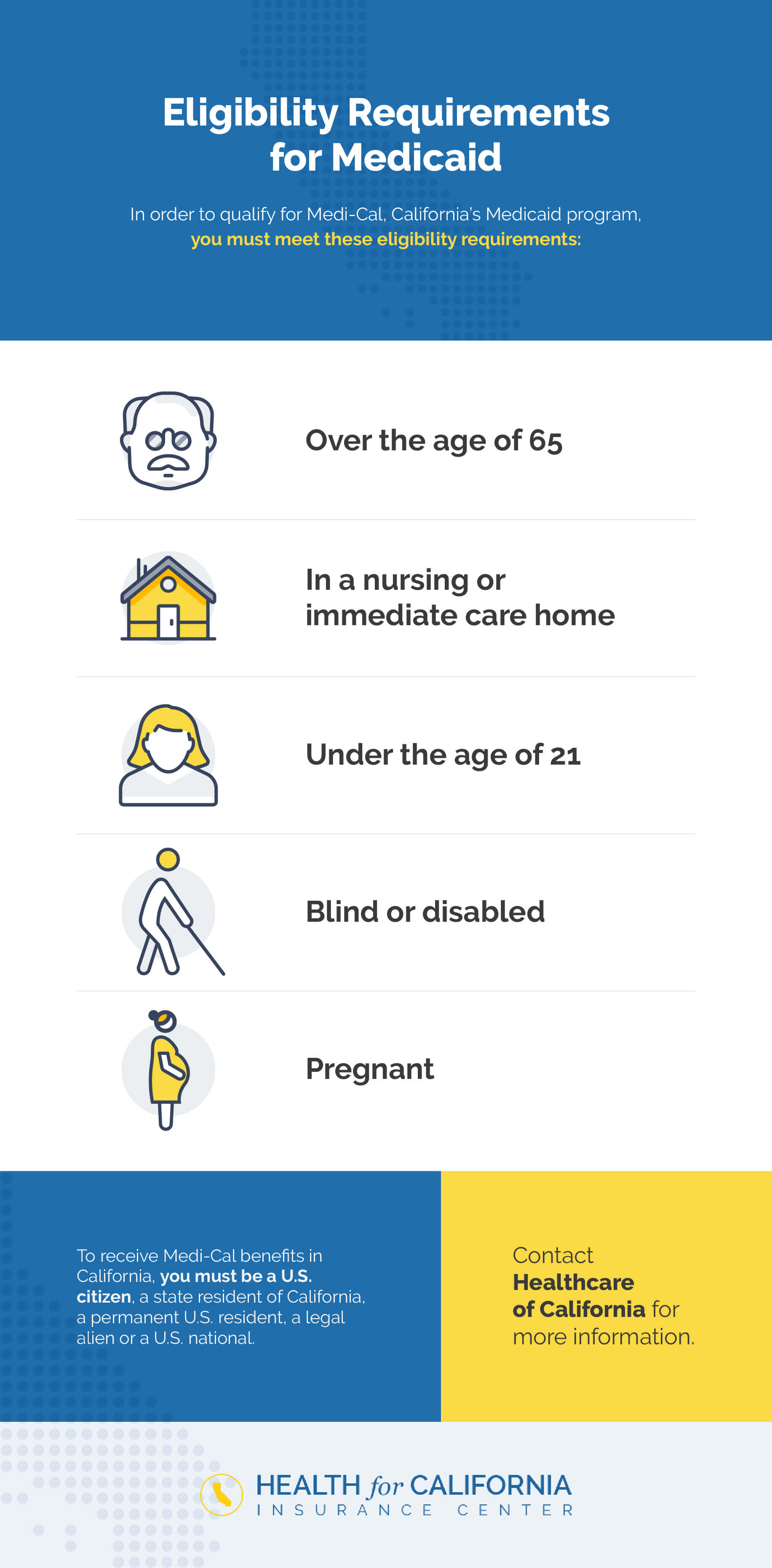
- Medi-Cal: This is California’s Medicaid program, providing low-cost or free health coverage to eligible low-income individuals, families, children, pregnant women, elderly adults, and people with disabilities. Access to healthcare is essential for enjoying any travel experience, from exploring national parks to staying in comfortable resorts.
- Housing Assistance: Various programs exist to help individuals and families secure safe and affordable housing. Stable housing is a foundational element that can influence lifestyle choices, including the ability to embark on budget travel or secure suitable accommodation for extended periods.
Eligibility Requirements
Eligibility for these programs is not universal and is based on specific criteria. Generally, applicants must demonstrate a genuine need, which is typically assessed through income thresholds, asset limits, and household composition. For instance, to qualify for CalFresh, your household income must be below a certain percentage of the federal poverty level. Similarly, CalWORKs has income and asset guidelines, with a focus on families with dependent children. Medi-Cal has various eligibility pathways, including those based on income, disability, age, and family status. Understanding these requirements is crucial before you begin the application process. It’s also worth noting that certain circumstances, such as being a student, can affect eligibility for some programs, which is a factor to consider if you’re exploring educational opportunities or even planning a gap year that might involve extended stays in different cities.
The Application Process: Step-by-Step Guide
Applying for welfare in California involves several steps, and while it may seem complex, breaking it down makes it manageable. The process typically involves gathering necessary documentation, submitting an application, and participating in an interview.
Step 1: Gathering Necessary Documentation
Before you begin your application, it’s essential to have all your supporting documents ready. This will expedite the process and ensure you don’t miss crucial information. Common documents include:
- Proof of Identity: A valid government-issued photo ID, such as a driver’s license or state ID card.
- Proof of Residency: Utility bills, lease agreements, or mail with your California address.
- Proof of Income: Pay stubs, bank statements, or letters from employers verifying your earnings. If you are self-employed, you may need to provide tax returns or other income records.
- Proof of Household Size: Birth certificates or social security cards for all household members.
- Immigration Status: Documentation for non-citizens, if applicable.
- Medical Information: For Medi-Cal applications, you may need medical records or doctor’s statements.
- Assets: Bank account statements, property deeds, or vehicle registration to demonstrate your assets.
Having these documents organized can significantly ease the application process, much like having a well-prepared itinerary makes for a smoother travel experience.
Step 2: Submitting Your Application
There are several ways to submit your welfare application in California:
- Online: The most convenient method for many is to apply online through the Benefitscal.com portal. This platform allows you to create an account, complete your application, upload documents, and track your case status. This is akin to booking your accommodation or flights online for a business stay or a luxury travel adventure.
- In Person: You can visit your local County Social Services office. These offices are equipped to assist you with the application process and answer any immediate questions you may have. This mirrors visiting a tourist information center in a new city for local guides.
- By Mail or Fax: In some cases, you can download an application form from the relevant agency’s website and submit it via mail or fax.
When completing your application, be sure to fill out all sections accurately and thoroughly. Incomplete applications can lead to delays or denial.
Step 3: The Interview and Verification Process
After submitting your application, you will likely be scheduled for an interview with a case worker. This interview is an opportunity for the agency to verify the information you provided and to discuss your needs in more detail. Be prepared to answer questions about your income, expenses, household situation, and any other relevant factors.
It is crucial to attend your scheduled interview. If you cannot make it, contact the agency immediately to reschedule. Failure to attend could result in the denial of your application. During the interview, you may also be asked to provide additional documentation not initially submitted. This process ensures that benefits are allocated to those who genuinely need them, much like a hotel requires verification of your booking to ensure a smooth check-in at their resort.
Maintaining Your Benefits and Next Steps
Once approved, receiving welfare benefits is not a one-time event. It requires ongoing effort to ensure you continue to meet eligibility requirements and to utilize the support systems effectively. Understanding how to maintain your benefits is as important as the application process itself.
Reporting Changes and Recertification
Eligibility for welfare programs is periodically reviewed. You are required to report any changes in your household circumstances that might affect your eligibility. These changes can include:
- Income Fluctuations: Increases or decreases in employment income, or any other sources of income.
- Changes in Household Composition: Addition or removal of household members, such as a new child or a family member moving out.
- Changes in Address: Moving to a new residence.
- Changes in Assets: Significant changes in savings, property ownership, or other assets.
Failure to report changes can lead to penalties, including overpayments that you may have to repay. You will also be required to participate in recertification interviews and provide updated documentation at regular intervals, typically every six months or annually, depending on the program. This is similar to renewing a visa or a membership to continue enjoying services or travel opportunities.

Utilizing Support Services for Long-Term Stability
Welfare programs in California are often designed not just to provide immediate relief but also to help individuals and families achieve long-term stability. Many programs offer supportive services aimed at improving your situation, such as:
- Job Training and Placement: Programs like CalWORKs often include services to help you find employment, improve your skills, and achieve financial independence.
- Childcare Assistance: Help with childcare costs can be crucial for parents seeking to work or attend training.
- Educational Support: Access to educational opportunities can open doors to better employment and higher earning potential.
Actively engaging with these supportive services can be a powerful tool for improving your overall lifestyle and enabling future opportunities, perhaps even allowing you to plan dream family trips or explore unique attractions you might not have considered before. Remember, these programs are there to empower you, and utilizing their full scope can make a significant difference in your journey towards self-sufficiency and the pursuit of fulfilling life experiences. Whether it’s planning a short getaway to a landmark or exploring the local culture of a new destination, having a stable foundation is key.
LifeOutOfTheBox is a participant in the Amazon Services LLC Associates Program, an affiliate advertising program designed to provide a means for sites to earn advertising fees by advertising and linking to Amazon.com. Amazon, the Amazon logo, AmazonSupply, and the AmazonSupply logo are trademarks of Amazon.com, Inc. or its affiliates. As an Amazon Associate we earn affiliate commissions from qualifying purchases.