
While the allure of exploring far-flung destinations, indulging in luxurious resorts, and immersing oneself in vibrant local cultures is undeniable, a different kind of opportunity awaits those seeking a unique and reliable path to professional fulfillment within the Golden State: becoming a notary public in California. For many, the dream of travel is intertwined with a desire for flexible income and the ability to create their own professional journey. Understanding how to become a notary in California can unlock doors to various lifestyle possibilities, from supplementing travel funds to building a more established, independent career. This guide will navigate you through the essential steps, requirements, and considerations for embarking on this rewarding professional path.
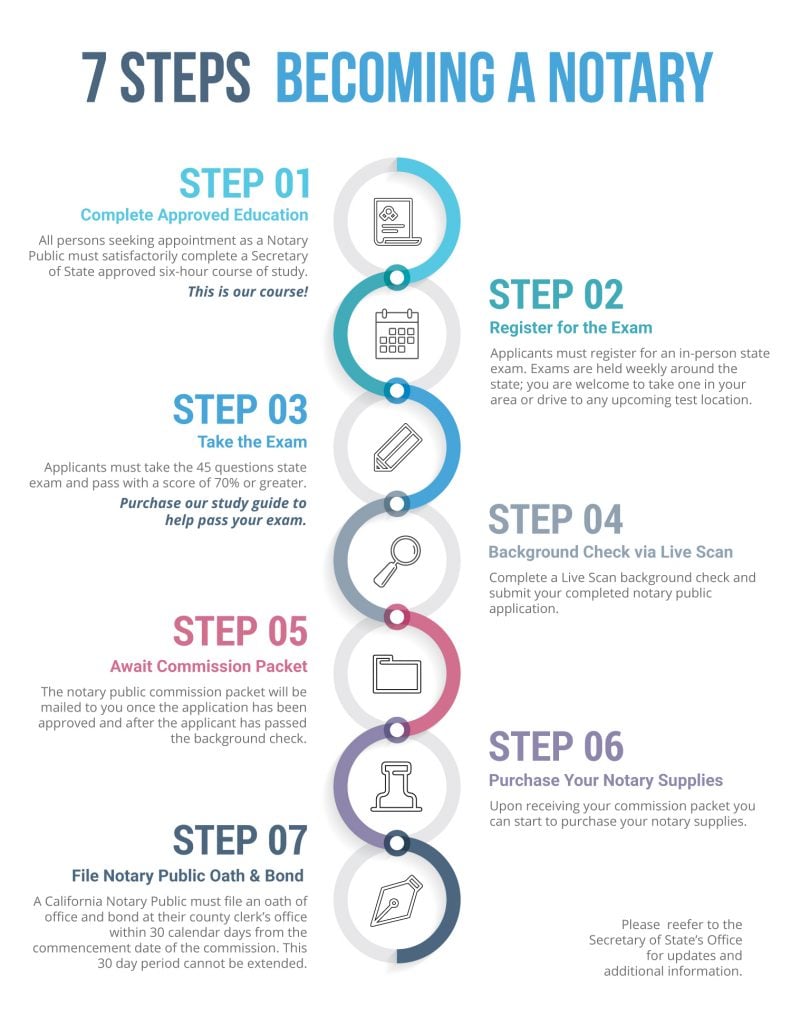
The Path to Becoming a California Notary Public
Becoming a notary public in California is a process that requires attention to detail and adherence to specific guidelines set forth by the California Secretary of State. It’s a role that involves upholding the integrity of important legal documents and ensuring that transactions are conducted with honesty and transparency. For those who appreciate structure and public service, this profession offers a tangible way to contribute to the community while also providing a foundation for a flexible lifestyle, which can be particularly appealing to avid travelers or those who prefer to manage their own schedules.
Eligibility Requirements: Laying the Foundation
Before diving into the application process, it’s crucial to ensure you meet the fundamental eligibility criteria to become a notary in California. These requirements are in place to maintain the high standards associated with the office of a notary public.
Basic Qualifications
To be commissioned as a notary public in California, you must meet several basic qualifications. These are the non-negotiable prerequisites that form the bedrock of your application.
- Age: You must be at least 18 years of age. This ensures that applicants are considered adults with the capacity to understand and execute their responsibilities.
- Residency: You must be a legal resident of California. This requirement emphasizes that notaries serve the residents of the state and are expected to be familiar with its laws and regulations.
- Citizenship: You must be a United States citizen or a legal resident alien. This criterion ensures that individuals holding this public office have a vested interest in the country’s legal framework.
- Criminal Background: You must be able to read, write, and understand the English language. This is essential for comprehending legal documents and performing notarial duties accurately. Furthermore, you must not have been convicted of a felony or a crime involving moral turpitude. Any prior convictions will be reviewed by the California Secretary of State, and a thorough background check, including fingerprinting, is a mandatory part of the application process. This rigorous screening is designed to protect the public and uphold the trustworthiness of the notary commission.
The Application and Education Process: Navigating the Steps
Once you’ve confirmed your eligibility, the next stage involves completing the necessary application forms and fulfilling the educational requirements. This structured approach ensures that all aspiring notaries possess the foundational knowledge needed to perform their duties competently.
Notary Public Education Course
California law mandates that all applicants, whether new or renewing their commission, must complete a state-approved, six-hour notary public education course. This course is designed to provide comprehensive training on the duties, responsibilities, and legal aspects of being a notary public. The curriculum typically covers topics such as:
- The legal scope of notary powers and limitations.
- Prohibited acts and misconduct.
- Proper identification procedures.
- The notary journal and its importance.
- Notarial certificates and wording.
- Ethics and professional conduct.
Upon successful completion of the course, you will receive a certificate of completion, which is a vital document to include with your application. It’s recommended to research and select a course provider that is approved by the California Secretary of State to ensure its validity. Many of these courses are offered online, providing flexibility for individuals who might be planning trips to places like San Francisco or exploring the landscapes of Yosemite National Park, allowing them to study at their own pace and on their own schedule.
The Application for Commission as a Notary Public
With your education certificate in hand, you can proceed to submit the official application for a commission as a notary public. This application requires detailed personal information and must be submitted to the California Secretary of State.
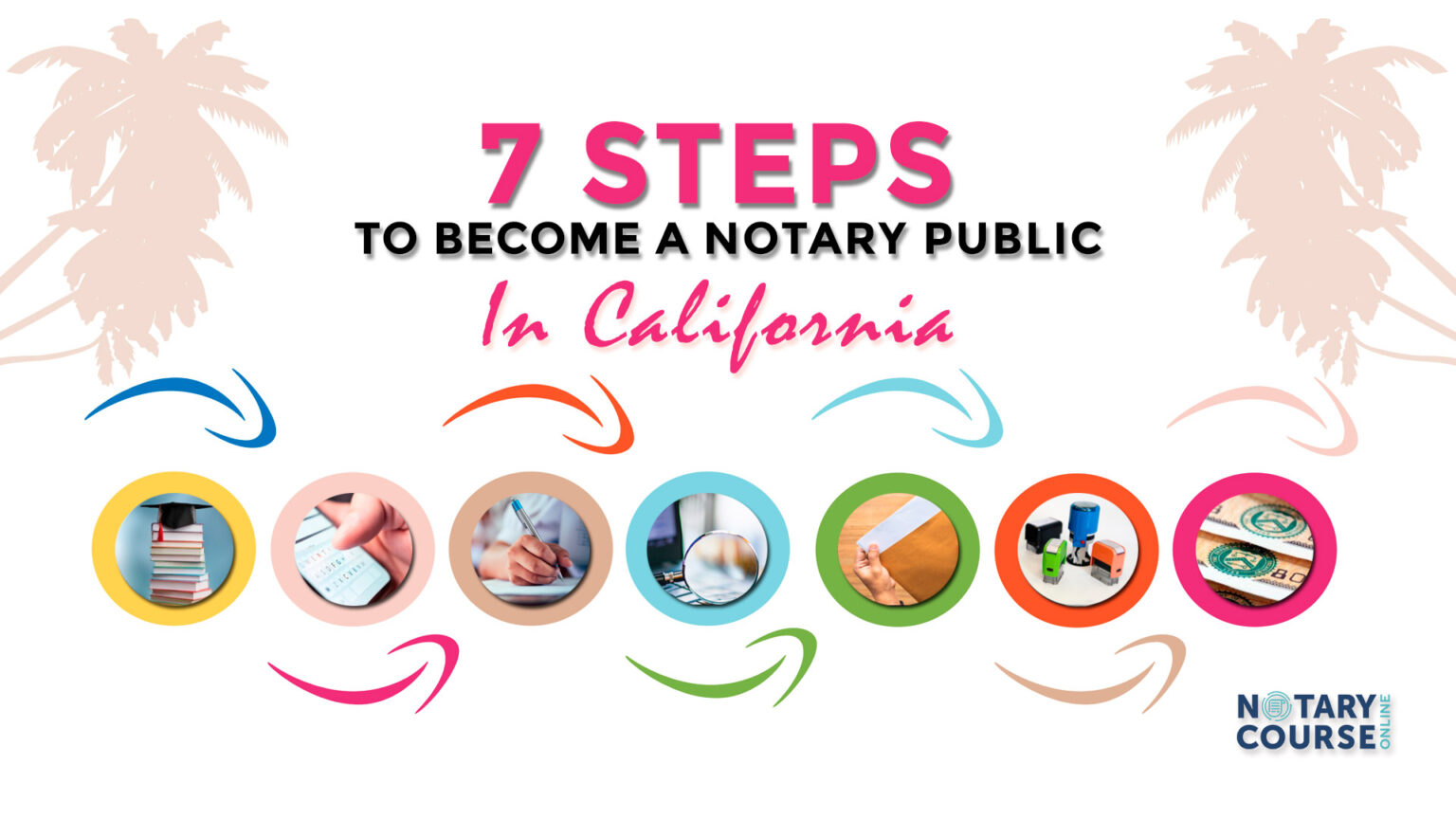
- Completing the Application: The application form is designed to gather all the necessary information for the Secretary of State to process your commission. It will ask for personal details, including your name, address, contact information, and confirmation of your eligibility.
- Fingerprinting: As mentioned earlier, a background check is mandatory. This involves submitting your fingerprints through a Live Scan service. The results are then transmitted directly to the California Department of Justice and the Federal Bureau of Investigation (FBI) for review.
- Exam: After submitting your application and fingerprints, you will be scheduled to take a written examination. This exam assesses your understanding of the knowledge gained in the education course and your comprehension of California notary laws. Passing this exam is a critical step towards obtaining your commission. The exam typically covers various aspects of notary duties, including the legal framework, ethical considerations, and practical procedures.
Obtaining Your Commission and Bond: The Final Steps
Successfully navigating the application and examination process leads you to the final stages of becoming a commissioned notary public: obtaining your oath and bond, and receiving your official commission.
The Oath and Bond
Once your application is approved and you have passed the exam, you will receive a “Welcome Letter” from the California Secretary of State. This letter will include instructions on how to proceed with the next steps, which involve taking your oath of office and posting a surety bond.
- Oath of Office: You must take an oath of office before a notary public. This oath is a solemn promise to faithfully and impartially discharge the duties of your office.
- Surety Bond: A notary public surety bond is a type of insurance policy that protects the public from financial harm caused by a notary’s misconduct. In California, the required bond amount is $15,000. This bond does not protect the notary; it protects those who might be harmed by a notary’s negligence or fraudulent actions. You will need to purchase this bond from an authorized surety bond provider.
- Filing the Oath and Bond: After taking the oath and obtaining your bond, you must file both documents with the county clerk’s office in the county where you maintain your principal place of business. This filing must typically be done within 30 days of the commencement of your commission. Failure to file within this timeframe can result in your commission being canceled.
Receiving Your Commission and Official Seal
After successfully filing your oath and bond, your commission is official. You will then be authorized to perform notarial acts throughout California.
- Commission Certificate: The California Secretary of State will issue you a commission certificate. This document is proof of your authority as a notary public.
- Notary Seal: Every notary public is required to have an official seal. The seal is an embosser or a rubber stamp that imprints a specific design containing your name, the words “Notary Public,” and your county. It is used to authenticate your notarial acts. Ensure your seal meets all the statutory requirements for design and content.
- Notary Journal: Maintaining a notary journal is also a legal requirement. This journal serves as a detailed record of all official acts performed by the notary. It’s crucial for documenting each notarization, including the date and type of document, the signatures of the principal(s), and any relevant details about the transaction. A well-maintained journal is an essential tool for protection and accountability.
Beyond the Commission: Building a Lifestyle Around Your Notary Public Role
Becoming a notary public in California offers more than just a professional title; it provides a foundation for a flexible lifestyle that can complement various interests, from a passion for exploring New York City to enjoying the serene beauty of a Cancun getaway. The ability to set your own hours and work independently can be a significant advantage for those who value autonomy and the freedom to pursue personal passions.
Leveraging Your Notary Skills for Flexible Income and Travel
For many, the primary draw of becoming a notary public is the potential for supplemental income that can fund their travel aspirations or provide financial stability while pursuing other interests. The demand for notary services is consistent, and with strategic planning, you can build a schedule that accommodates your lifestyle.
- Mobile Notary Services: One of the most popular ways to leverage your notary commission is by offering mobile notary services. This means you can travel to clients at their homes, offices, or even locations like a hotel lobby in Las Vegas or a cozy cafe in Paris. This flexibility is ideal for individuals who enjoy meeting new people and experiencing different environments.
- Serving Diverse Needs: Notaries are needed for a wide range of documents, including real estate transactions, power of attorney forms, medical directives, and affidavits. This diverse demand ensures a steady stream of work. You might find yourself notarizing documents for individuals preparing for international moves, businesses conducting cross-border dealings, or families arranging for long-term care, all of which can involve complex travel or accommodation arrangements.
- Partnerships and Networking: Building relationships with legal professionals, title companies, real estate agents, and other businesses that frequently require notary services can lead to a consistent flow of clients. Networking events, professional organizations, and even online platforms can be valuable tools for expanding your reach. Imagine connecting with a travel agency that needs assistance with international adoption paperwork or a luxury villa rental company in Tuscany that requires notarized rental agreements.

Enhancing Your Lifestyle: Work-Life Balance and Personal Growth
The role of a notary public in California can significantly contribute to a more balanced and fulfilling lifestyle. The inherent flexibility allows individuals to prioritize their well-being, pursue hobbies, and enjoy the fruits of their labor, whether that’s exploring new destinations or simply enjoying more time with loved ones.
- Setting Your Own Schedule: Unlike traditional employment, becoming a notary allows you to dictate your working hours. This is invaluable for individuals who prefer to work during off-peak times, avoid rush hour, or simply have more control over their daily routines. This flexibility can be particularly beneficial for those who enjoy early morning hikes in Zion National Park or late-night strolls along the Santa Monica Pier.
- Entrepreneurial Opportunities: For those with an entrepreneurial spirit, a notary commission can be the first step towards building a larger business. You could expand your services to include loan signing, apostille services, or even legal document preparation assistance (within the scope of what is legally permitted for non-attorneys). This can lead to significant financial growth and greater control over your professional destiny.
- Continuous Learning and Development: The legal landscape is always evolving, and staying informed about changes in notary law is crucial. This commitment to learning fosters personal and professional growth. Furthermore, interacting with a diverse clientele provides constant learning opportunities about different industries, life experiences, and cultures, enriching your understanding of the world, much like traveling to a place like Kyoto or attending a cultural festival in New Orleans.
In conclusion, the journey to becoming a notary public in California is a well-defined process that offers a rewarding professional path. By understanding and fulfilling the eligibility requirements, completing the necessary education and exams, and obtaining your commission and bond, you open the door to a flexible and potentially lucrative career. This profession can serve as a cornerstone for a lifestyle that embraces travel, personal freedom, and continuous growth, allowing you to explore the world while serving your community with integrity and professionalism.
LifeOutOfTheBox is a participant in the Amazon Services LLC Associates Program, an affiliate advertising program designed to provide a means for sites to earn advertising fees by advertising and linking to Amazon.com. Amazon, the Amazon logo, AmazonSupply, and the AmazonSupply logo are trademarks of Amazon.com, Inc. or its affiliates. As an Amazon Associate we earn affiliate commissions from qualifying purchases.