
Car registration is an unavoidable annual expense for vehicle owners, and for anyone living in or considering a move to the Lone Star State, understanding the costs associated with car registration in Texas is crucial. Whether you’re planning an epic Texas road trip, relocating for a new job, or simply renewing your annual tags, these fees significantly impact your overall budget. Beyond the basic administrative costs, various factors contribute to the final amount you’ll pay, from your vehicle’s type to your county of residence. This comprehensive guide delves into the breakdown of car registration fees in Texas, helping you navigate the process with clarity. Ensuring your vehicle is legally registered allows for seamless Texas adventures, from urban explorations in Dallas to serene retreats in Big Bend National Park, making it a fundamental aspect of both travel planning and daily life in Texas.
Deciphering the Core Costs of Texas Car Registration
The total cost of registering a vehicle in Texas is not a single, fixed number. It’s an aggregate of several components, each contributing to the final amount. Understanding these individual charges is the first step in budgeting for your annual vehicle expenses, whether you’re a long-term resident or just passing through on an extended travel itinerary.
The Base Registration Fee
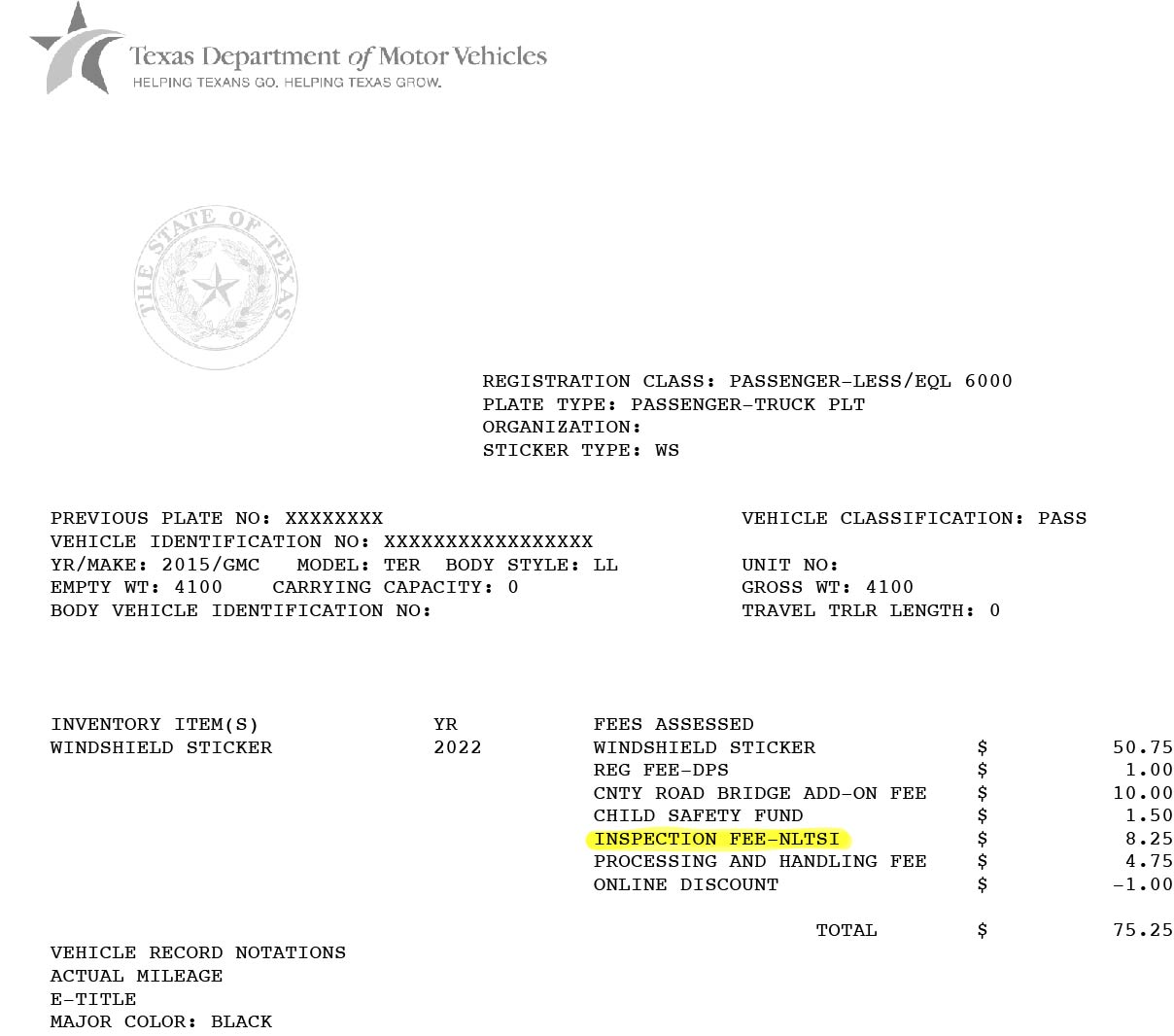
At the heart of Texas car registration is the state’s base registration fee. For most standard passenger vehicles, this fee is typically $50.75. This amount is consistent across all counties in Texas and primarily covers the administrative costs associated with issuing your registration sticker and license plates. It’s the foundational charge upon which all other fees are added, making it a predictable element in your overall car ownership budget. For those who enjoy extended stays or frequent travel within Texas, this regular annual cost needs to be factored into long-term financial planning, especially for budget-conscious travelers or digital nomads who use their vehicle as a primary mode of exploring new destinations and local culture.
County Fees and Local Taxes
While the state base fee is uniform, local charges can cause the total registration cost to vary slightly depending on where you reside in Texas. Many counties impose an additional $10 “local fee” to support local infrastructure and services. Furthermore, if you are registering a vehicle for the first time in Texas or purchasing a new or used vehicle, you will also be subject to a 6.25% motor vehicle sales tax. This sales tax is calculated based on the purchase price of the vehicle or its standard presumptive value, whichever is higher. It’s a significant upfront cost for new vehicle owners, whether they’re seasoned Texans or newcomers experiencing the vibrant culture of cities like Houston or the historic charm of San Antonio. This local variation underscores the importance of checking with your specific County Tax Assessor-Collector office for the most accurate figures.
Inspection Fees: A Prerequisite
Before you can even begin the registration process, your vehicle must pass an annual safety inspection, and in some counties, an emissions inspection. This inspection is conducted at official Texas Department of Public Safety (DPS) certified inspection stations. The typical cost for a safety inspection is around $7.00, while a safety and emissions inspection combined can range from $18.50 to $25.50, depending on your vehicle type and the specific inspection station. This fee is paid directly to the inspection station and is a crucial preliminary step. Without a valid inspection certificate, which is now electronically submitted, you cannot proceed with your vehicle registration. For those exploring Texas’s diverse landscapes, from bustling urban centers to serene Gulf Coast beaches, ensuring your vehicle is roadworthy and compliant is paramount for both safety and legal reasons, making the inspection a vital part of your travel preparations and overall lifestyle in Texas.
Factors That Influence Your Total Registration Expenses
Beyond the core fees, several other elements can impact the final price tag of your car registration in Texas. These factors often relate to the specific characteristics of your vehicle or your personal circumstances, affecting your overall financial planning for accommodation and travel.
Vehicle Type and Weight
The standard base fee of $50.75 applies to most passenger vehicles. However, the fee structure changes for certain types of vehicles. For example, commercial vehicles, trailers, motorcycles, and vehicles weighing over a certain limit often incur higher registration fees due to their increased impact on road infrastructure and different regulatory requirements. Heavy trucks, for instance, have a graduated fee scale based on their gross vehicle weight. If you own a specialized vehicle for business or recreational travel – perhaps an RV for exploring Texas’s state parks or a truck for transporting goods – it’s essential to confirm the specific registration fees applicable to your vehicle category. This nuance is especially relevant for those managing a fleet for tourism operations or considering long-term accommodation options like RV parks.
Emissions Testing Requirements
As mentioned, some counties in Texas require both a safety and an emissions inspection. These are typically the larger metropolitan areas where air quality is a significant concern. Counties such as Brazoria County, Collin County, Dallas County, Denton County, El Paso County, Fort Bend County, Galveston County, Harris County, Johnson County, Kaufman County, Montgomery County, Parker County, Rockwall County, Tarrant County, Travis County, and Williamson County are among those that mandate emissions testing. If your vehicle is registered in one of these counties, you must factor in the slightly higher inspection fee. Vehicles newer than two years old or older than 24 years, as well as diesel-powered vehicles and motorcycles, are generally exempt from emissions testing, though they still require a safety inspection. This distinction is vital for those planning to reside or conduct business in these urban centers, where navigating local regulations is part of daily lifestyle management.
New Residents and Out-of-State Vehicles
For individuals relocating to Texas, the car registration process involves a few extra steps and potential costs. New residents have 30 days after establishing residency to register their out-of-state vehicle. Before registration, you’ll need to:
- Obtain a Texas Vehicle Inspection: A safety and, if applicable, emissions inspection is required.
- Gather Proof of Insurance: You must have liability insurance that meets Texas’ minimum requirements.
- Provide Proof of Ownership: This typically involves your out-of-state title or registration.
- Pay Sales Tax: If you paid less than 6.25% sales tax in your previous state of residence, you will need to pay the difference to Texas. If you’ve owned the vehicle for more than a year and it was registered in your name in another state, you might be exempt from the Texas sales tax, but a $90 “new resident” tax is typically assessed.
This entire process, while manageable, requires careful attention to detail and budgeting, especially for those who are simultaneously dealing with the logistics of moving, finding new accommodation, and exploring their new Texas surroundings.
Late Penalties and Renewal
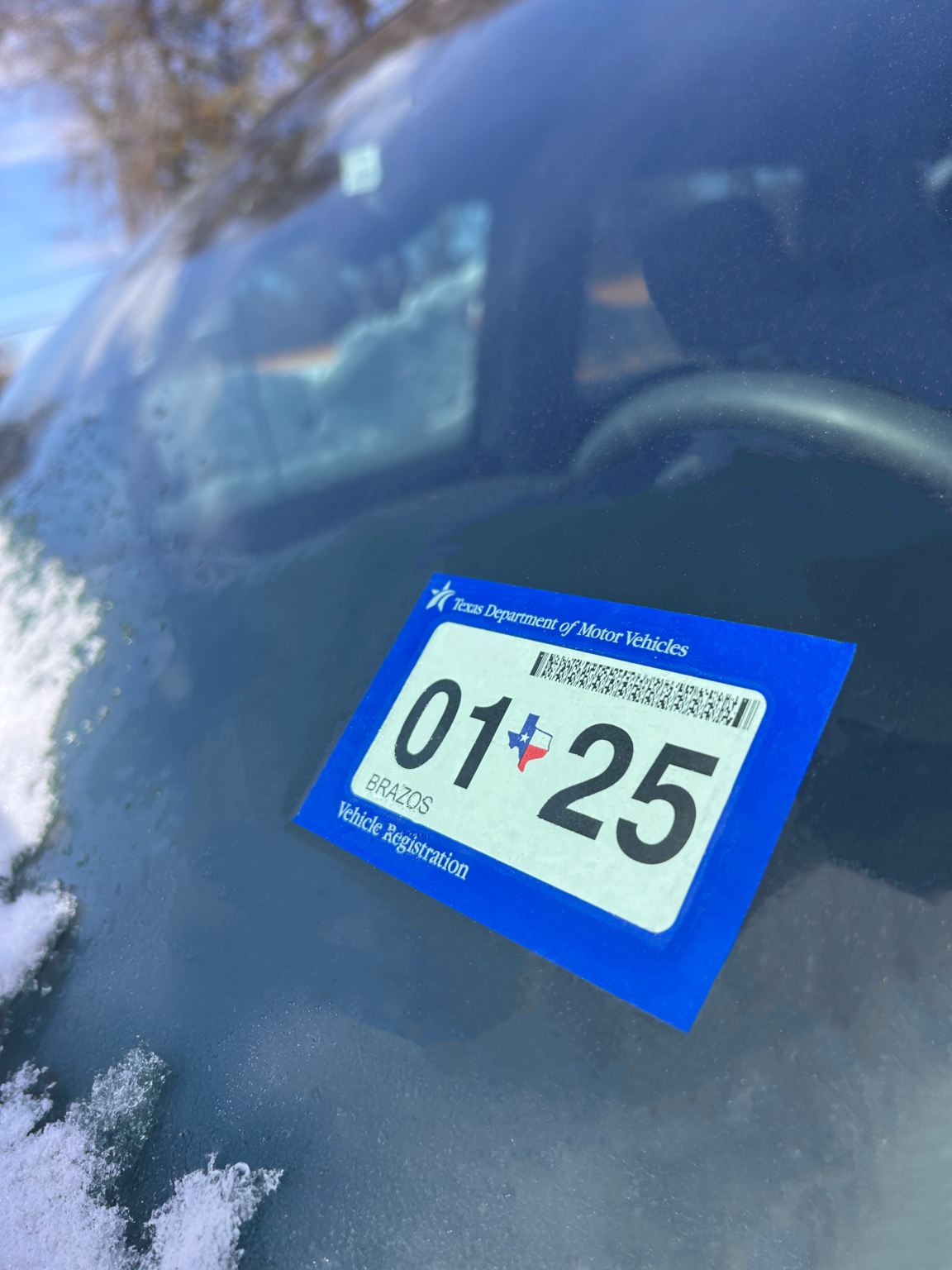
It’s crucial to renew your vehicle registration on time. Texas registration is valid for one year and expires on the last day of the month indicated on your registration sticker. If you fail to renew your registration by the expiration date, you could face late fees and penalties. These typically include an additional $25 penalty fee plus a potential delinquent registration penalty of up to $200 if caught driving with an expired registration. Beyond the financial penalties, driving with an expired registration is a misdemeanor and can lead to tickets and complications with law enforcement. Most people opt to renew their registration online, by mail, or in person at their local County Tax Assessor-Collector’s office. Staying on top of renewal dates is a simple but important aspect of responsible car ownership, especially for those frequently traveling across Texas for leisure or business, ensuring uninterrupted journeys.
The Step-by-Step Process for Registering Your Vehicle in Texas
Navigating the bureaucracy of vehicle registration can seem daunting, but in Texas, the process is streamlined to be relatively straightforward. Understanding each step ensures a smooth experience, whether you’re a long-time resident or just settling into a new Texas city.
Initial Inspection
The very first step is to get your vehicle inspected. This applies to both new registrations and annual renewals. Take your vehicle to any official Texas Department of Public Safety (DPS) certified inspection station, easily identifiable by a prominent sign. The inspection covers safety components like brakes, tires, lights, and horn. If you are in one of the aforementioned emissions counties, an emissions test will also be performed. Once your vehicle passes, the inspection station will electronically submit the results to the state database. You will typically receive a Vehicle Inspection Report (VIR) as proof. It’s recommended to do this a few weeks before your registration expires to allow time for any necessary repairs if your vehicle fails the inspection. This proactive approach saves time and potential stress, ensuring your vehicle is ready for any long-distance travel across Texas or daily commutes.
Proof of Insurance
Before you can register or renew your vehicle registration, you must have valid proof of financial responsibility, which means carrying adequate car insurance. Texas law mandates minimum liability coverage of $30,000 for each injured person, up to a total of $60,000 per accident, and $25,000 for property damage. You will need to provide proof of this insurance, typically an insurance card or policy document, during the registration process. This is not just a formality; it’s a critical safety net that protects all drivers on Texas roads, reflecting a responsible lifestyle choice that is essential for anyone exploring Texas and its many attractions.
Required Documentation
When you go to register your vehicle, ensure you have all the necessary documents. This typically includes:
- Your Vehicle Inspection Report (VIR) (which may be electronically verified).
- Proof of current liability insurance.
- Your Texas driver’s license or state-issued ID.
- The vehicle’s previous registration receipt (for renewals) or proof of ownership (title, manufacturer’s certificate of origin, or foreign title for new vehicles/new residents).
- Payment for the registration fees and any applicable sales tax.
Having these documents organized and readily available will significantly expedite your registration process, allowing you more time to enjoy what Texas has to offer, from a weekend getaway at a luxury resort in Austin to a cultural immersion in El Paso.
Where to Register
Once you have your inspection and documentation in order, you can complete the registration process.
- Online: The easiest and most convenient method for renewals is often online through the Texas Department of Motor Vehicles (TxDMV) website. You’ll need your license plate number, the last four digits of your vehicle identification number (VIN), and payment information.
- By Mail: You can also renew by mail by sending your renewal notice, proof of insurance, and payment to your County Tax Assessor-Collector’s office.
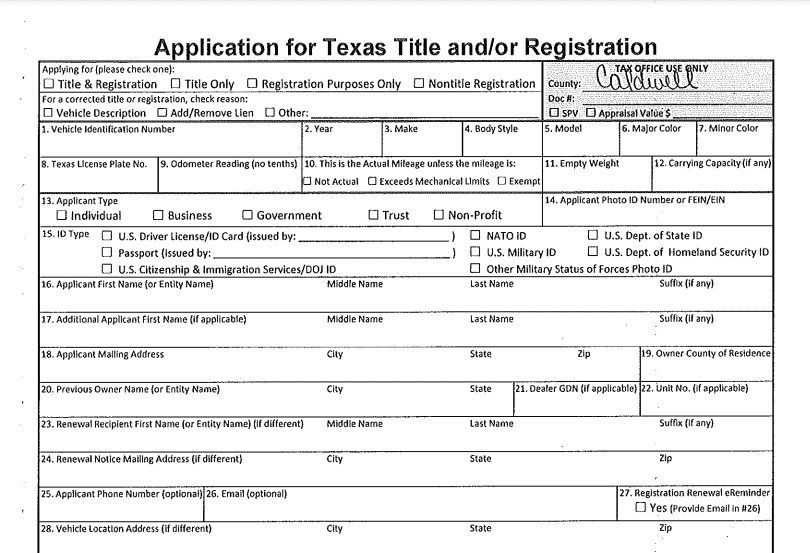
- In Person: For new registrations, title transfers, or if you prefer face-to-face interaction, you can visit your local County Tax Assessor-Collector’s office. Some counties also have satellite offices or offer registration services at grocery stores or other designated locations. Check your county’s specific options.
Upon successful registration, you will receive a new registration sticker to place on your vehicle’s windshield and, if applicable, new license plates.
Car Registration and the Texas Lifestyle: Travel, Tourism, and Beyond
Understanding car registration costs goes beyond just legal compliance; it’s an integral part of planning a fulfilling life and experiencing the rich tapestry of Texas. For those who embrace the open road, whether for leisure or necessity, these expenses form a baseline for financial planning that impacts their lifestyle choices, from accommodation to travel.
Budgeting for Texas Road Trips and Local Exploration
Texas is a vast state, offering an incredible diversity of destinations, from the historic Alamo in San Antonio to the bustling music scene of Austin, and the rugged beauty of West Texas. For avid travelers, families planning vacations, or adventurers seeking unique experiences, a reliable and legally registered vehicle is paramount. The annual cost of car registration, while relatively small compared to fuel or accommodation, is a non-negotiable part of your travel budget. By understanding and factoring in this expense, you can better plan your itinerary, allocate funds for hotels, attractions, and dining, and ensure that your vehicle is always ready for the next adventure. This foresight allows for stress-free exploration, whether you’re navigating the urban sprawl of Houston or taking a scenic drive along the Texas Hill Country.
Relocating to Texas: A Holistic View of Costs
For new residents making the exciting transition to Texas, car registration is just one piece of a larger financial puzzle. The lifestyle here, often characterized by a strong sense of community and an appreciation for local culture, frequently involves driving. When considering relocation, prospective residents often look at accommodation costs, job markets, and the general cost of living. However, overlooking vehicle-related expenses like registration, insurance, and potential sales tax can lead to unexpected budget strains. Incorporating these costs into your initial relocation budget provides a more accurate picture of what it takes to establish a comfortable life in Texas. From finding an apartment in Dallas to settling into a suburban home in Plano, your vehicle will be a crucial asset, and its legal maintenance is a priority.
Maintaining Your Vehicle for Texas Adventures
Beyond the initial and annual registration fees, a responsible Texas lifestyle, particularly one that involves extensive travel or daily commuting, necessitates regular vehicle maintenance. The annual safety inspection is a constant reminder of this. Ensuring your car is in top condition not only helps you pass inspection but also contributes to fuel efficiency, longevity of the vehicle, and most importantly, safety on the road. From the scorching summers to the occasional winter chill, Texas weather can be demanding on vehicles. Investing in routine maintenance, such as oil changes, tire rotations, and brake checks, should be considered an extension of your car registration responsibilities. This proactive approach supports a worry-free travel experience, whether you’re exploring the historic Gruene Hall or enjoying the vibrant nightlife around Sixth Street in Austin, ensuring your journey through the Lone Star State is always a pleasant one.
Understanding how much car registration costs in Texas is more than just knowing a number; it’s about being a responsible vehicle owner and a prepared traveler. From the base state fee to county-specific charges, sales tax considerations for new residents, and the essential inspection fees, each component plays a role in the total. By staying informed, budgeting effectively, and adhering to renewal deadlines, you can ensure your vehicle is always legally roadworthy, allowing you to fully embrace the freedom and adventure that driving in the Lone Star State offers. Whether for daily commutes, weekend getaways to charming Texas towns, or cross-state explorations, a properly registered vehicle is your key to unlocking all the experiences Texas has to offer.
LifeOutOfTheBox is a participant in the Amazon Services LLC Associates Program, an affiliate advertising program designed to provide a means for sites to earn advertising fees by advertising and linking to Amazon.com. Amazon, the Amazon logo, AmazonSupply, and the AmazonSupply logo are trademarks of Amazon.com, Inc. or its affiliates. As an Amazon Associate we earn affiliate commissions from qualifying purchases.