
Earning your GED (General Educational Development) credential in California is a significant achievement, opening doors to higher education, career advancement, and personal growth. This comprehensive guide will walk you through the process, from understanding eligibility requirements to preparing for the exam and what to do once you’ve passed. While the California GED program is designed to be accessible, a little planning and preparation go a long way.
The GED test is a series of four subject tests: Reasoning Through Language Arts, Mathematical Reasoning, Science, and Social Studies. Passing these tests demonstrates that you have high school-level academic knowledge and skills. For many, it’s a pathway to a brighter future, akin to discovering a hidden gem on your travels or finding the perfect accommodation for a long-term stay.

Understanding the GED and Its Importance in California
The GED credential is a nationally recognized certification that signifies you have achieved the equivalent of a high school education. In California, it’s a crucial stepping stone for individuals who did not complete traditional high school. The tests are designed to assess critical thinking, problem-solving, and knowledge across a broad range of academic areas.
Why Pursue Your GED in California?
There are numerous compelling reasons to pursue your GED in California:
- Higher Education: Most colleges and universities in California and across the nation accept the GED as a prerequisite for admission. This means you can pursue associate’s, bachelor’s, and even graduate degrees.
- Career Advancement: Many employers in California require a high school diploma or its equivalent for entry-level positions and for promotions. A GED can significantly boost your earning potential and open up new career opportunities.
- Personal Fulfillment: Earning your GED is a testament to your perseverance and dedication. It’s a significant accomplishment that can boost your self-confidence and open up new avenues for personal development and exploration, much like mastering a new travel skill or uncovering a unique local experience.
- Military Enlistment: The U.S. military requires all recruits to have a high school diploma or a GED.
The GED offers a second chance to those who may have faced challenges during their traditional schooling years. It’s about leveling the playing field and providing opportunities, much like the diverse range of accommodations available, from budget-friendly apartments to luxurious villas, catering to every need and aspiration.
Eligibility Requirements for the GED in California
Before you can begin your GED journey in California, you need to meet the eligibility requirements set by the California Department of Education (CDE). These are generally straightforward:
- Age: You must be at least 16 years old. However, individuals aged 16 and 17 require specific parental/guardian consent and must meet additional criteria, often involving withdrawal from regular high school.
- Residency: You must be a resident of California. Proof of residency may be required.
- No High School Diploma: You cannot have a high school diploma from a U.S. high school.
- No Previous GED: You cannot have previously earned a GED credential.
It’s important to verify the most current eligibility requirements directly with the California GED program or a local testing center, as policies can be updated. Understanding these prerequisites is the first step, much like confirming the amenities and booking policies before reserving a hotel.
Preparing for the GED Exam in California
The GED exam is a rigorous assessment, and thorough preparation is key to success. California offers a variety of resources to help you get ready. The goal is to equip you with the knowledge and confidence to tackle each section of the test effectively, ensuring a smooth journey from preparation to graduation.
Understanding the GED Test Structure
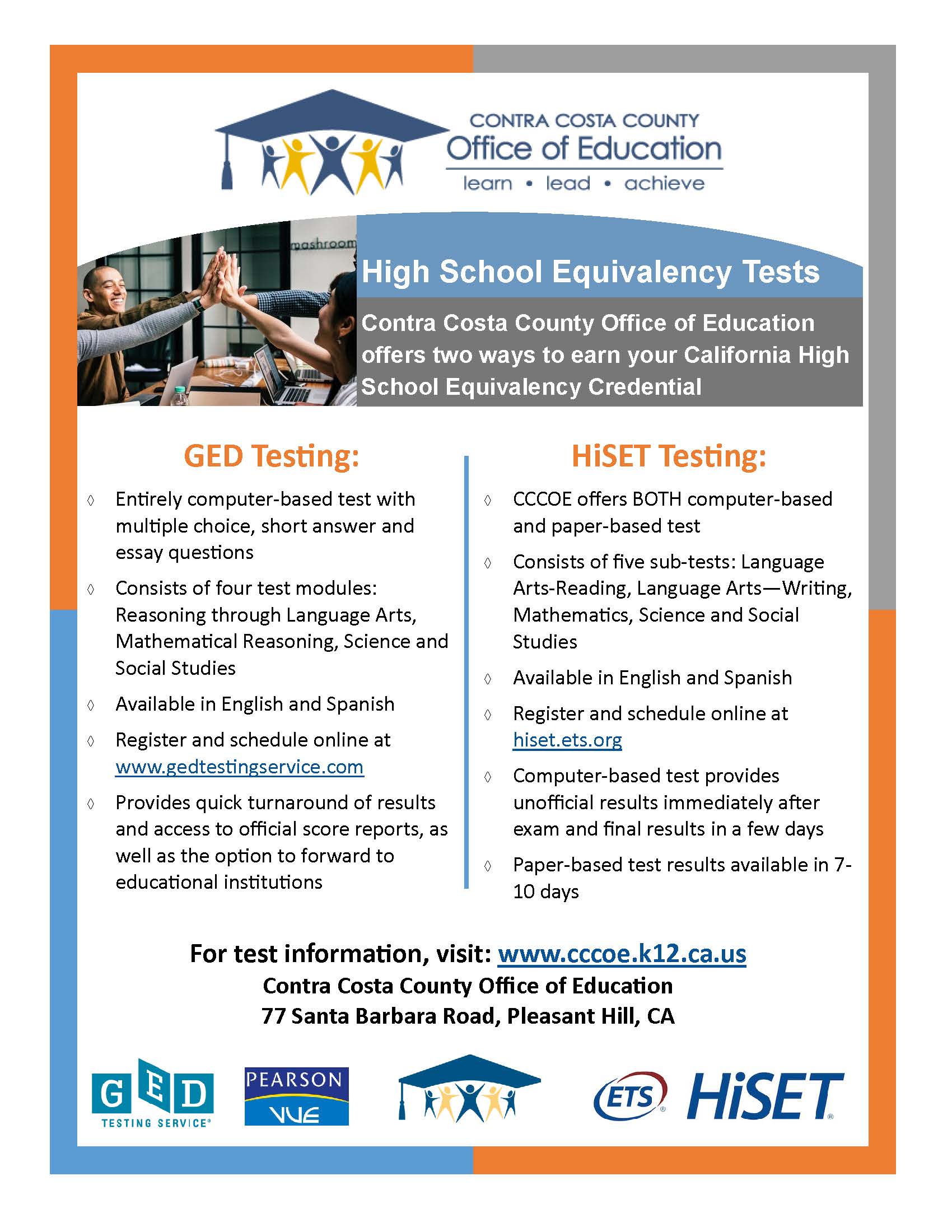
The GED test consists of four separate exams, each covering a distinct subject area:
- Reasoning Through Language Arts (RLA): This section assesses your ability to read and comprehend informational and literary passages, write clearly and effectively, and understand language conventions. It includes multiple-choice questions and a constructed response (essay) task.
- Mathematical Reasoning: This test covers basic mathematical concepts, including number operations, algebra, geometry, and data analysis. You will be permitted to use an on-screen calculator for some portions of the test.
- Science: This section evaluates your understanding of scientific principles in life science, physical science, and Earth and space science. It emphasizes scientific reasoning and the interpretation of data.
- Social Studies: This test covers history, civics, government, economics, and geography. It focuses on analyzing historical events, understanding governmental structures, and interpreting economic concepts.
Each test is timed, and passing scores are required for each section to earn your GED. The format is designed to mirror real-world problem-solving scenarios, akin to navigating a complex travel itinerary or understanding local customs.
Study Resources and Preparation Strategies
California provides a wealth of resources to aid your GED preparation. Leveraging these tools can significantly enhance your chances of success.
Official GED Preparation Materials
The GED Testing Service offers an official study guide and practice tests. These are invaluable for understanding the test format, question types, and content areas. Many libraries and community centers in California may have these materials available.
Adult Education Programs and Classes
One of the most effective ways to prepare for the GED is by enrolling in an adult education program. California has numerous adult schools and community colleges that offer free or low-cost GED preparation classes. These programs provide structured learning environments, experienced instructors, and peer support. You can find these programs by contacting your local school district or searching online for “GED classes California” or “adult education California.” These classes are akin to curated travel guides, offering expert advice and structured learning experiences.
Online GED Prep Courses and Resources
Numerous online platforms offer GED preparation courses. Some are free, while others require a subscription. These courses often include video lessons, practice quizzes, and personalized study plans. Look for reputable providers that align with the official GED content.
Practice Tests
Taking practice tests is crucial for assessing your readiness and identifying areas where you need more study. Many online resources and adult education programs offer practice tests. Simulate test-day conditions by timing yourself and completing the tests without interruption. This is similar to doing a trial run of a challenging hike or a complex booking process.
Self-Study
For highly motivated individuals, self-study is an option. This involves using GED preparation books, online resources, and consistent practice. You’ll need to create a structured study schedule and remain disciplined.
When choosing a preparation method, consider your learning style, available time, and budget. Some individuals thrive in a classroom setting, while others prefer the flexibility of online learning or self-directed study. The key is to find a method that keeps you engaged and motivated, much like planning a memorable vacation involves tailoring activities to your interests.
Taking the GED Test in California
Once you feel adequately prepared, the next step is to schedule and take your GED exam at an official testing center in California. This is the culmination of your hard work, the final destination after a period of dedicated preparation.
How to Register and Schedule Your Exam
Registration for the GED test in California is typically done online through the official GED website (GED.com). You will need to create an account, find a testing center near you, and pay the required fees. Fees can vary by state, so it’s important to check the current costs on the GED.com website.
When scheduling, you can choose to take all four tests at once or schedule them individually. Many test-takers find it less stressful to spread the tests out over a few days or weeks.
What to Expect on Test Day
On test day, arrive at the testing center early to allow time for check-in and security procedures. You will need to bring a valid form of identification (e.g., driver’s license, state ID, passport). Lockers are usually available for personal belongings, as electronic devices are not permitted in the testing room.
The testing environment is designed to be quiet and focused. You will be monitored by proctors to ensure the integrity of the exam. The computer-based tests are user-friendly, with clear instructions provided. Familiarize yourself with the testing interface during practice sessions to minimize any technological anxiety. Think of test day as arriving at a renowned landmark; you’ve done your research, and now it’s time to experience it.
Understanding GED Scores
After completing the tests, you will receive your scores. To pass the GED, you need to achieve a minimum score of 145 on each of the four subject tests. There is also a minimum total score requirement. Your GED portal will provide detailed information about your scores and any sections you may need to retake.
If you do not pass a particular test, you will have the opportunity to retake it. California typically offers a grace period for retakes, and you may receive a discount on retake fees. It’s crucial to review the CDE’s policies regarding retakes and score validity.
After You Earn Your GED in California
Congratulations! You’ve earned your GED in California. This is a significant milestone, and now it’s time to explore the opportunities that this achievement unlocks. Your GED is a passport to further education, a better career, and a more fulfilling life, much like a travel guide opening up a world of possibilities.
Further Education Opportunities
With your GED in hand, you can now pursue higher education. This could include:
- Community Colleges: California has an extensive network of community colleges offering associate’s degrees, vocational training, and transfer programs to four-year universities.
- Four-Year Universities: Many public and private universities in California, such as the University of California system and the California State University system, accept GED holders for admission. You may need to meet specific GPA requirements or take placement tests.
- Vocational and Trade Schools: If you’re interested in a specific trade or career, California offers numerous vocational schools that provide specialized training.
When applying to educational institutions, be sure to check their specific admission requirements for GED recipients. Often, you’ll need to provide your GED transcript and score report.
Career Advancement and Employment
Your GED can significantly improve your employment prospects. Use your credential to:
- Apply for Higher-Paying Jobs: Many jobs that were previously out of reach due to lack of a high school diploma are now accessible.
- Seek Promotions: If you’re currently employed, your GED might qualify you for promotions or internal training programs.
- Explore New Career Fields: The GED opens doors to industries like healthcare, technology, skilled trades, and more.
When updating your resume, prominently feature your GED credential. Highlight the skills you developed during your preparation, such as critical thinking, problem-solving, and time management.
Utilizing GED Resources in California
The California Department of Education and various local organizations offer ongoing support for GED graduates. These resources can help you navigate the next steps in your educational and career journey. Don’t hesitate to reach out to adult education centers, workforce development boards, or career counselors for guidance.
Earning your GED in California is more than just passing an exam; it’s an investment in yourself and your future. It signifies resilience, determination, and a commitment to personal growth, opening up a landscape of possibilities as vast and varied as the attractions and experiences California has to offer.
LifeOutOfTheBox is a participant in the Amazon Services LLC Associates Program, an affiliate advertising program designed to provide a means for sites to earn advertising fees by advertising and linking to Amazon.com. Amazon, the Amazon logo, AmazonSupply, and the AmazonSupply logo are trademarks of Amazon.com, Inc. or its affiliates. As an Amazon Associate we earn affiliate commissions from qualifying purchases.