
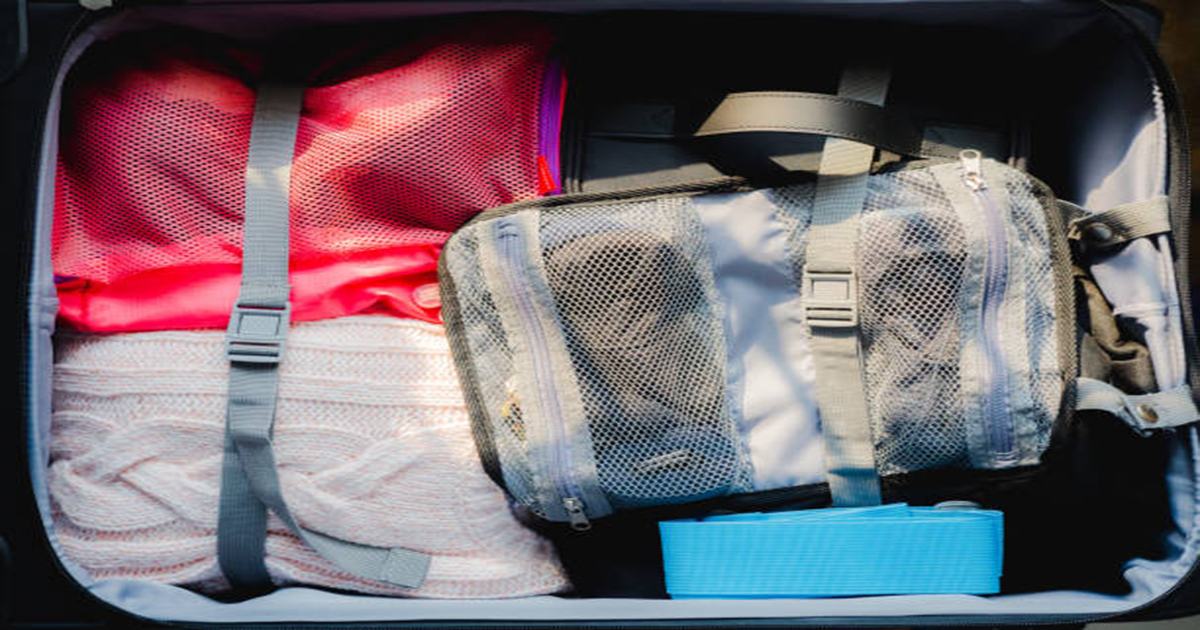
For years, travelers struggled with the same chaotic ritual: opening a suitcase only to find an explosion of clothes, socks scattered, and wrinkle-prone shirts crushed at the bottom. The invention of the packing cube didn’t just solve a problem; it revolutionized travel organization. Packing cubes are the secret weapon of efficient travelers, digital nomads, and carry-on enthusiasts alike, turning the main compartment of any bag—be it a backpack or a suitcase—into a meticulously organized dresser.
In 2025, packing cubes have evolved beyond simple zippered pouches. Today’s market offers hyper-lightweight materials, specialized compression technologies, and clever designs tailored for every type of trip and traveler. This ultimate guide will walk you through why you need them, what features to look for, and recommend the top models that will transform your travel experience from chaotic to calm.
Why Packing Cubes Are Essential
The benefits of using packing cubes extend far beyond neatness. They fundamentally enhance the efficiency, security, and pleasure of traveling.
Maximizing Space and Minimizing Bulk
While regular cubes don’t actually compress items (that’s a feature reserved for compression cubes), they utilize volume more efficiently. By containing clothes into uniform, rectangular shapes, they fill every corner and gap in your luggage, eliminating dead air space that typically occurs when clothes are loosely tossed in.
Compression Cubes take this a step further. They feature an extra zipper that, when closed, squeezes the air out of the cube, significantly reducing the volume of bulky items like sweaters and jackets. This is especially useful for travelers following a minimalist packing list for long trips where every inch counts.
Organization and Ease of Access
Imagine you arrive at a hostel or hotel for a one-night stay. With traditional packing, finding a pair of clean socks means rummaging through everything. With cubes, you simply grab the designated “Socks & Underwear” cube.
- Categorization: Cubes allow you to separate items by type (shirts, pants, accessories) or by outfit (day one outfit, gym gear, beachwear).
- Quick Checks: Going through airport security or customs becomes a breeze. You can quickly pull out a cube containing electronics or liquids without exposing all your personal belongings.
- Post-Trip Sanity: Designate one cube as the “Dirty Laundry” cube from Day One. This keeps your used clothes separate and simplifies unpacking when you return home.
Protecting Garments from Wrinkles and Spills
Because your clothes are snugly contained within the structured shell of the cube, they move less. This reduces friction, which is the main cause of wrinkles. Furthermore, if a toiletry item leaks (despite your best efforts), the damage is usually contained within one cube, saving the rest of your clothes from disaster.
Key Features to Look for in a Great Packing Cube Set
Not all packing cubes are created equal. As the market has matured, specific design elements have emerged as indicators of quality and utility.
Material and Weight
The best packing cubes utilize materials that are durable yet incredibly lightweight. The goal of using cubes is not to add weight to your already limited carry-on allowance.
- Fabric: Look for ripstop nylon or high-denier polyester. These fabrics offer excellent tear resistance while remaining feather-light.
- Mesh Panels: A mesh panel on the top is crucial. It allows your clothes to breathe (reducing odor buildup, especially for dirty laundry) and, most importantly, lets you see the contents of the cube without opening it.
Zippers and Construction
A packing cube is only as good as its zipper. A broken zipper renders the cube useless, especially if it’s a compression cube under heavy load.
- Zippers: YKK zippers are the gold standard—they are durable, smooth, and less likely to snag or break.
- Zipper Pulls: Large, easy-to-grip zipper pulls (often corded) are a small detail that makes a big difference when your hands are full.
- Double Stitching: Check for reinforced, double stitching, particularly around the edges and where the zipper meets the fabric, as these are the high-stress areas.
Handles and Shapes
- Grab Handles: A sturdy handle on the top of the cube makes it easy to pull out of a stuffed backpack or suitcase, carry it to the shower, or transfer it to a dresser drawer.
- Shapes: A successful packing system utilizes a variety of sizes (small, medium, large, and sometimes a long, thin tube shape for cables or shoes). A uniform, modular rectangular shape maximizes how efficiently they fit inside standard travel bags, particularly bags like the recommended Osprey Farpoint or Aer Travel Pack mentioned in our guide to the best travel backpacks.
Top Picks: The Best Packing Cube Sets of 2025
The market offers distinct categories of packing cubes, each excelling in a specific area: lightness, compression, or value.
Best for Compression: Eagle Creek Pack-It Compression Cubes
Eagle Creek pioneered the compression cube, and their newer versions remain industry leaders. They are perfect for travelers dealing with bulky or seasonal clothing (sweaters, heavy hiking pants).
Key Features:
- Dual Zippers: One zipper closes the cube, and the second zipper compresses the volume down by up to 50%.
- Durable Fabric: The material is slightly heavier than ultra-light cubes, which is necessary to withstand the intense pressure applied by the compression zipper.
- Usage: Ideal for reducing the size of soft items, though overpacking can damage the second zipper over time.
Best for Ultralight Backpackers: Peak Design Packing Cubes
Designed with a sleek aesthetic and high functionality, Peak Design cubes are engineered for those who scrutinize every ounce.
Key Features:
- Tear-Away Zipper: A brilliant design feature where a small quick-access zipper allows you to grab an item from the cube (like a t-shirt) without unzipping the entire thing.
- Self-Healing Fabric: Uses a durable 70D ripstop nylon that resists tears and abrasions.
- Internal Divider: Features an internal divider that allows you to separate clean and dirty clothes within the same cube—a game-changer for long-term travel.
Best for Budget and Organization Variety: Amazon Basics or Gonex Sets
If you are new to packing cubes and want to test the waters, or if you simply need a cost-effective solution for multiple pieces of luggage, these value sets are excellent entry points.
Key Features:
- Variety: They typically offer 5 to 7 pieces in various sizes, including laundry bags and shoe bags.
- Functionality: While the zippers and fabric might not be as bomb-proof as Eagle Creek or Peak Design, they perform the core function of organization reliably.
- Color Coding: Available in multiple bright colors, making it easy for family travelers to assign a color to each person.
Advanced Packing Cube Strategies
Once you have your cubes, how you use them can optimize your travel even further.
The Rolling vs. Folding Debate
Forget the old arguments. The best method depends on the cube type:
- Folding (KonMari Style): Best for rectangular cubes and anti-wrinkle materials. Folding creates a flat surface, allowing you to stack items vertically within the cube, making everything visible from the top (the best strategy for maximizing accessibility).
- Rolling: Best for compression cubes and athletic wear. Rolling minimizes wrinkles and maximizes air expulsion, allowing the compression zipper to work most effectively on items like socks, t-shirts, and technical pants.
The System of Color Coding
If you travel with family or switch between different backpacks often, color coding is crucial:
- Personal Use: Assign different colors to different categories (e.g., Blue for Tops, Red for Bottoms, Grey for Gear).
- Family Use: Assign a color to each person (e.g., Dad is Black, Mom is Pink, Child is Green). This streamlines packing and unpacking dramatically.
Integrating Cubes with Essential Travel Gear
Packing cubes are the central part of your luggage ecosystem, interacting seamlessly with other travel efficiencies:
- Tech Gear: Use a small, separate cube (often called a tech pouch) to organize chargers, adapters, and cables. This works alongside your other specialized gear detailed in guides like essential tech gear for digital nomads.
- Carry-On Management: When boarding a flight, your cube system ensures you can quickly pull out and replace items like laptops or liquid bags without disturbing your clothes—a major time-saver, particularly when dealing with the limited space detailed in what’s in my carry-on bag guides.
Conclusion: The Organization Investment
Packing cubes are not a gimmick; they are an essential investment in stress-free travel. They provide structure to chaos, save space, and keep your clothes neat, whether you are living out of a 40L backpack for months or simply taking a weekend trip.
By selecting the right set based on your travel goals—whether you need the heavy-duty space-saving of compression, the internal organization of modular designs, or the basic utility of a budget set—you will fundamentally upgrade your journey. Make the switch in 2025, and you’ll spend less time packing and more time enjoying the destination.
LifeOutOfTheBox is a participant in the Amazon Services LLC Associates Program, an affiliate advertising program designed to provide a means for sites to earn advertising fees by advertising and linking to Amazon.com. Amazon, the Amazon logo, AmazonSupply, and the AmazonSupply logo are trademarks of Amazon.com, Inc. or its affiliates. As an Amazon Associate we earn affiliate commissions from qualifying purchases.