
Navigating a new city often brings a host of questions, and for many travelers considering a visit to the vibrant city of Berkeley, California, one of the primary concerns is safety. Nestled across the bay from San Francisco, Berkeley is renowned for its progressive spirit, intellectual hub status thanks to the prestigious University of California, Berkeley, and its rich history of activism and cultural diversity. But beyond the accolades and attractions, what is the reality of safety for those exploring its streets, enjoying its culinary scene, or seeking accommodation?
This comprehensive guide aims to provide a nuanced perspective on safety in Berkeley, drawing on general safety considerations for urban environments, specific local insights, and practical tips to ensure a secure and enjoyable experience. We will delve into crime statistics, understand the factors that influence perceptions of safety, and highlight areas and activities that are generally considered safe for tourists and residents alike. Whether you’re planning a short trip to explore its landmarks, a longer stay for business, or a family adventure, understanding the safety landscape is paramount.

The general consensus, supported by various reports and local anecdotes, is that Berkeley is a relatively safe city, especially when compared to national averages. Like any urban center, it experiences its share of crime, but this is often concentrated in specific areas or types of incidents. For the vast majority of visitors, a trip to Berkeley will be uneventful and enjoyable. The key to maintaining safety, as in any travel destination, lies in awareness, preparedness, and common sense.
Understanding Safety in an Urban Landscape
When discussing safety in any city, it’s crucial to differentiate between perception and reality. Media coverage can sometimes amplify isolated incidents, leading to a skewed view of a place’s overall security. Berkeley, like many university towns and progressive cities across the United States, faces challenges common to urban environments. These can include property crime, petty theft, and occasional instances of more serious offenses. However, these are not necessarily indicative of the entire city or the experience of most visitors.
Crime Statistics and Trends
Official crime statistics from sources like the Berkeley Police Department and FBI data provide a quantitative measure of safety. While specific numbers fluctuate, they generally show that violent crime rates in Berkeley are often in line with or below the national average. Property crimes, such as car break-ins and bicycle theft, are more prevalent, a characteristic shared by many California cities and metropolitan areas. This highlights the importance of vigilance regarding personal belongings and vehicle security.
It’s important to look beyond raw numbers and consider the context. Areas with higher pedestrian traffic, entertainment districts, and transit hubs might naturally see a higher incidence of petty crime. Conversely, residential neighborhoods and areas further from the bustling downtown core often experience lower crime rates.
Factors Influencing Perceptions of Safety
Several factors contribute to how safe a city feels. The visible presence of police, well-lit streets, and community engagement initiatives can all foster a sense of security. Berkeley benefits from a generally engaged citizenry, a strong community policing presence in many areas, and active neighborhood watch programs. The presence of the university, with its own campus police force and security measures, also contributes to a sense of order, particularly around the university district.
The city’s commitment to public spaces, such as parks and plazas, and the vibrancy of its commercial districts, contribute to a lively atmosphere that can feel welcoming and safe. However, like any city, there are areas that might require a bit more caution, particularly late at night or if one is unfamiliar with the surroundings.
Tourist Areas and General Safety
For most tourists, the primary areas of interest in Berkeley will be concentrated and generally considered safe. This includes:
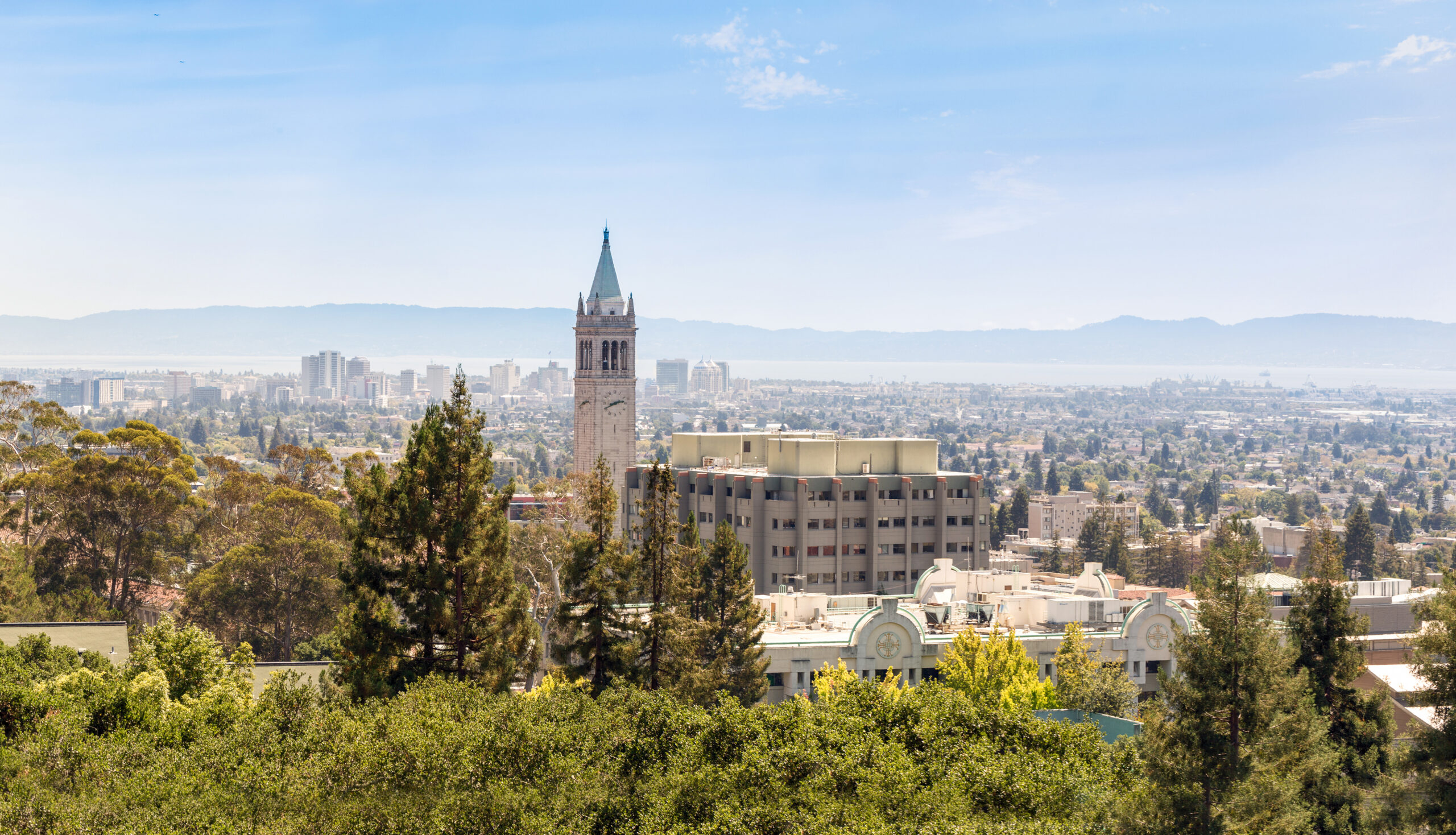
- The University of California, Berkeley Campus: The campus itself is a well-managed environment with a dedicated police department. Students, faculty, and visitors generally feel secure walking around during the day and early evening. Popular landmarks on campus, like the Sather Tower (also known as the Campanile), are frequently visited and patrolled.
- Downtown Berkeley: This area, with its shops, restaurants, theaters, and BART station, is usually busy and well-lit. Exercising basic street smarts, such as being aware of your surroundings and keeping valuables secure, is sufficient for most visitors.
- Gourmet Ghetto: Known for its culinary landmarks and unique shops, this district is a popular destination for food lovers and typically experiences a safe environment.
- Parks and Recreational Areas: Berkeley boasts beautiful natural spaces like the Tilden Regional Park, which offers hiking trails and stunning views. These areas are generally safe during daylight hours, but it’s always wise to hike with a companion and inform someone of your plans, especially on less-trafficked trails.

Practical Safety Tips for Visitors
While Berkeley offers a welcoming environment, adopting smart travel habits can enhance your safety and peace of mind. These tips are applicable to Berkeley and most other urban destinations.
Personal Safety and Awareness
- Be Aware of Your Surroundings: This is the golden rule of urban safety. Pay attention to who is around you, especially in crowded areas, on public transportation, or when walking alone at night. Avoid being overly distracted by your phone or headphones.
- Trust Your Instincts: If a situation or an area feels uncomfortable or unsafe, it probably is. Remove yourself from the situation promptly and discreetly.
- Secure Your Valuables: Keep your wallet, phone, and other important items in secure pockets or bags, ideally in front of you. Avoid displaying large amounts of cash or expensive jewelry. When staying in a hotel, use the in-room safe for valuables.
- Travel in Groups When Possible: Especially at night, walking with a friend or in a group can deter potential criminals.
- Learn Local Emergency Numbers: In the United States, 911 is the universal emergency number for police, fire, and ambulance services.
Accommodation and Transportation Safety
When choosing accommodation in Berkeley, consider its location. Downtown Berkeley, near the university, or in well-established residential areas are generally good choices. Reputable hotels, such as the Berkeley Hotel or Graduate Berkeley, often have security measures in place. Always check reviews for any mentions of safety concerns.
For transportation, Berkeley has a robust public transit system, including AC Transit buses and the Bay Area Rapid Transit (BART) train system, which connects Berkeley to San Francisco and other Bay Area cities.
- BART: BART stations are generally well-lit and monitored. Be aware of your surroundings while waiting for or on the train, especially during off-peak hours. Avoid sleeping on public transit and keep your belongings close.
- Rideshares: Services like Uber and Lyft are readily available and can be a safe option, particularly late at night. Always verify the car and driver match the app’s details before getting in.
- Walking and Biking: Berkeley is a walkable and bike-friendly city. However, be mindful of traffic, especially in busy intersections. If you plan to rent a bicycle, ensure it is securely locked when not in use, as bicycle theft is common.
Exploring Specific Neighborhoods and Activities
While most of Berkeley is welcoming, some areas might be less advisable for solitary nighttime exploration. Neighborhoods with a higher incidence of petty crime or visible signs of social challenges might warrant more caution. However, it’s important not to generalize; even within these areas, many parts are safe and vibrant.
When engaging in tourism activities, such as visiting the Lawrence Hall of Science or exploring the architectural marvels of the university, you are likely to be in well-trafficked and safe environments. Similarly, enjoying the local food scene in the Gourmet Ghetto or taking in a performance at the Berkeley Rep are generally safe and enjoyable experiences.
If you’re planning a longer stay or considering long-term stay options, familiarize yourself with the specific neighborhood you intend to live in. Local forums or community groups can provide valuable insights into the safety of different areas.
Beyond Statistics: The Spirit of Berkeley
Berkeley is more than just statistics; it’s a city with a unique character. Its history of activism, its dedication to education and innovation, and its diverse population create a dynamic and engaging environment. The proactive spirit of its residents, coupled with city initiatives aimed at community well-being, contributes to a generally safe and welcoming atmosphere for those who visit and live here.
When planning your travel to Berkeley, whether you’re interested in its iconic landmarks like the Hearst Greek Theatre, its renowned culinary offerings, or its rich academic and cultural tapestry, a balanced approach to safety will ensure you can fully immerse yourself in all that this dynamic city has to offer. By staying informed, maintaining awareness, and employing common-sense precautions, your visit to Berkeley, California is likely to be both memorable and secure. The city’s vibrant lifestyle and rich experiences await, and with a prudent approach, you can explore them with confidence.
LifeOutOfTheBox is a participant in the Amazon Services LLC Associates Program, an affiliate advertising program designed to provide a means for sites to earn advertising fees by advertising and linking to Amazon.com. Amazon, the Amazon logo, AmazonSupply, and the AmazonSupply logo are trademarks of Amazon.com, Inc. or its affiliates. As an Amazon Associate we earn affiliate commissions from qualifying purchases.