
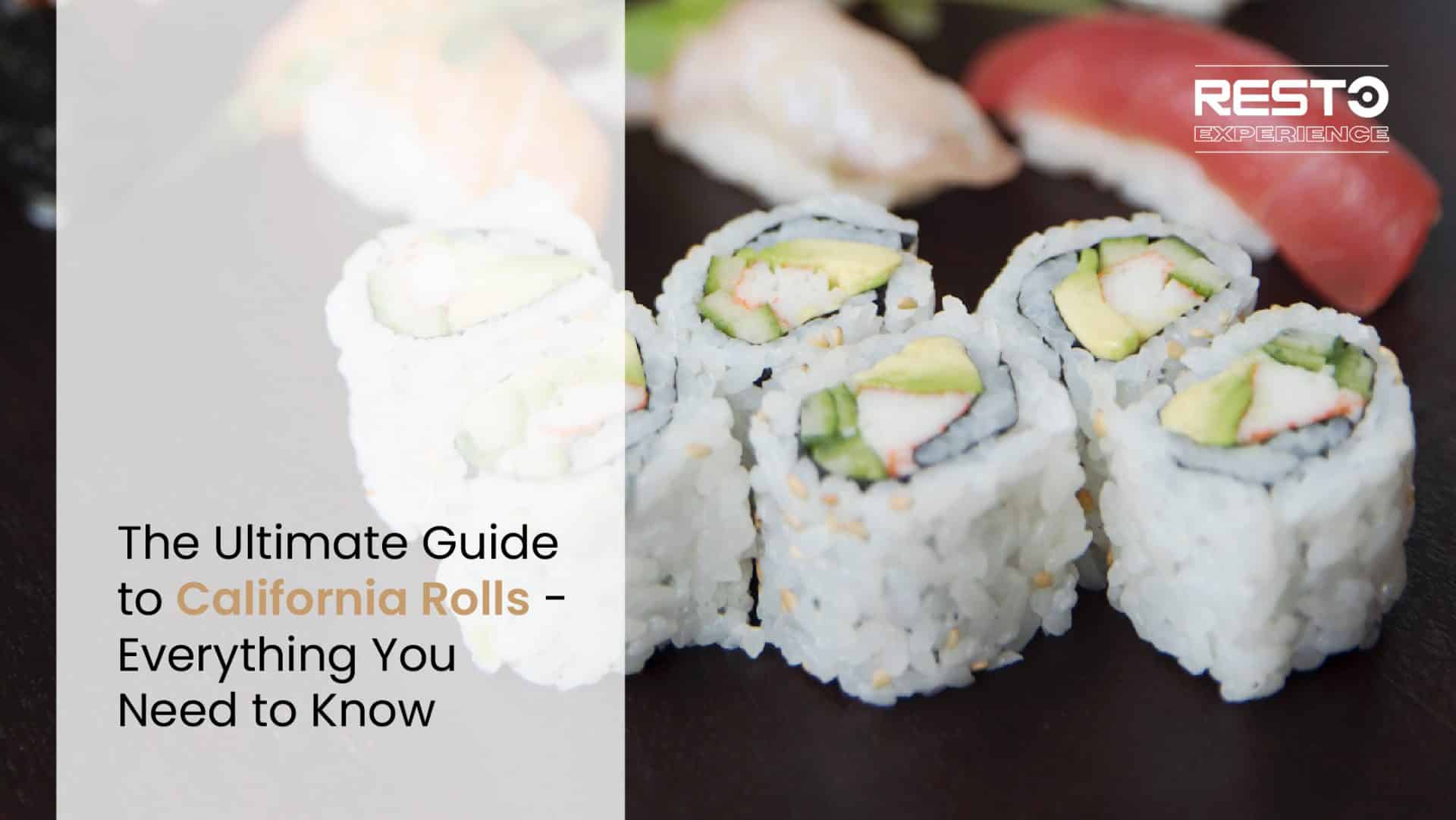
The allure of a California Roll is undeniable. It’s a ubiquitous presence on sushi menus worldwide, a gateway dish for those new to Japanese cuisine, and a beloved staple for seasoned sushi aficionados. Often characterized by its vibrant orange tobiko (flying fish roe), creamy avocado, crisp cucumber, and imitation crab, all wrapped in seasoned rice and nori seaweed, it presents a visually appealing and palate-pleasing experience. But beyond its delightful taste and texture, a question often arises, particularly as we navigate increasingly health-conscious dietary landscapes: are California Rolls good for you?
To answer this, we need to unpack the components of this popular roll and consider the nutritional profile of each ingredient. The notion of “good for you” is, of course, subjective and depends heavily on individual dietary needs, goals, and the overall context of one’s diet. However, by examining the inherent nutritional value and potential drawbacks of a California Roll, we can form a more informed opinion. This exploration will delve into the health benefits and potential concerns associated with its ingredients, offering insights that can guide your choices, whether you’re enjoying a quick lunch in Los Angeles or exploring the culinary landscape of Tokyo.
Decoding the Ingredients: A Nutritional Breakdown
The journey to understanding the healthfulness of a California Roll begins with dissecting its core components. Each element contributes a unique set of nutrients, and their interplay dictates the overall nutritional impact of the roll.
The Foundation: Rice and Nori
- Sushi Rice: The foundation of almost all sushi, including the California Roll, is rice. Typically, short-grain white rice is used, which is seasoned with a mixture of rice vinegar, sugar, and salt. While white rice provides carbohydrates for energy, it is a refined grain, meaning it has been stripped of its bran and germ, which contain much of the fiber, vitamins, and minerals found in brown rice. Therefore, in terms of fiber content and micronutrients, white rice is less beneficial than its whole-grain counterpart. However, it is the vehicle for the other, more nutrient-dense ingredients. The added sugar in the seasoning also contributes empty calories, which can be a consideration for those managing sugar intake.
- Nori (Seaweed): This thin, dried sheet of red algae that encases the rice and fillings is a nutritional powerhouse. Nori is an excellent source of iodine, crucial for thyroid function. It also provides vitamins A, C, and E, as well as several B vitamins. Furthermore, nori contains minerals like calcium, magnesium, and iron, and is a good source of fiber, which aids digestion and promotes satiety. Its low-calorie and nutrient-dense profile makes it a significant positive contributor to the health profile of the California Roll.
The Filling: A Trio of Flavors and Textures
- Avocado: The creamy, rich texture of avocado is a defining characteristic of the California Roll. From a health perspective, avocado is a star. It’s packed with monounsaturated fats, often referred to as “good fats,” which are beneficial for heart health by helping to lower bad cholesterol levels. Avocados are also a great source of fiber, potassium, and various vitamins, including K, C, E, and several B vitamins. These nutrients contribute to overall well-being, supporting everything from cardiovascular health to skin health and energy metabolism.
- Cucumber: The crisp, refreshing crunch of cucumber adds a textural contrast and a dose of hydration. Cucumbers are primarily water, making them very low in calories. They contain small amounts of vitamins K and C, and some antioxidants. While not a significant source of macronutrients, their hydrating properties and light flavor make them a valuable addition to the roll, contributing to its overall balance.
- Imitation Crab (Surimi): This is arguably the most debated ingredient in a California Roll from a health standpoint. Imitation crab, or surimi, is made from processed white fish (often pollock) that is deboned, minced, washed, and mixed with starches, flavorings, and preservatives. While it provides protein, the processing often involves adding sugar, salt, and artificial flavorings, which can detract from its healthfulness. The nutritional value can vary significantly depending on the brand and processing methods. Some surimi products may contain unhealthy additives or a higher sodium content, which should be a consideration for those monitoring their sodium intake. In essence, it offers a lean protein source but lacks the whole-food benefits of unprocessed fish.
The Accents: Tobiko and Condiments
- Tobiko (Flying Fish Roe): The bright orange specks of tobiko are not just for show; they add a distinct briny pop and a subtle sweetness. Tobiko is a good source of omega-3 fatty acids, which are beneficial for heart and brain health. It also contains protein, vitamins (like B12), and minerals. However, roe is also relatively high in cholesterol and sodium. The quantity used in a California Roll is usually small, so its impact is generally moderate.
- Soy Sauce, Wasabi, and Ginger: These are the traditional accompaniments to sushi.
- Soy Sauce: While adding immense flavor, soy sauce is notoriously high in sodium. Opting for reduced-sodium soy sauce is a healthier choice. Excessive sodium intake can contribute to high blood pressure and other health issues.
- Wasabi: Real wasabi (which is rare outside of Japan) offers some potential anti-inflammatory benefits. However, most “wasabi” served in restaurants is a paste made from horseradish, mustard, and green food coloring, offering little to no nutritional value beyond flavor.
- Pickled Ginger (Gari): This palate cleanser is often slightly sweetened and can contain artificial coloring. It has some antioxidant properties and can aid digestion, but its sugar content should be noted.
When is a California Roll “Good” For You?
Considering the nutritional breakdown, a California Roll can indeed be a part of a healthy diet, but its “goodness” is highly context-dependent.
The Health-Conscious Eater’s Perspective
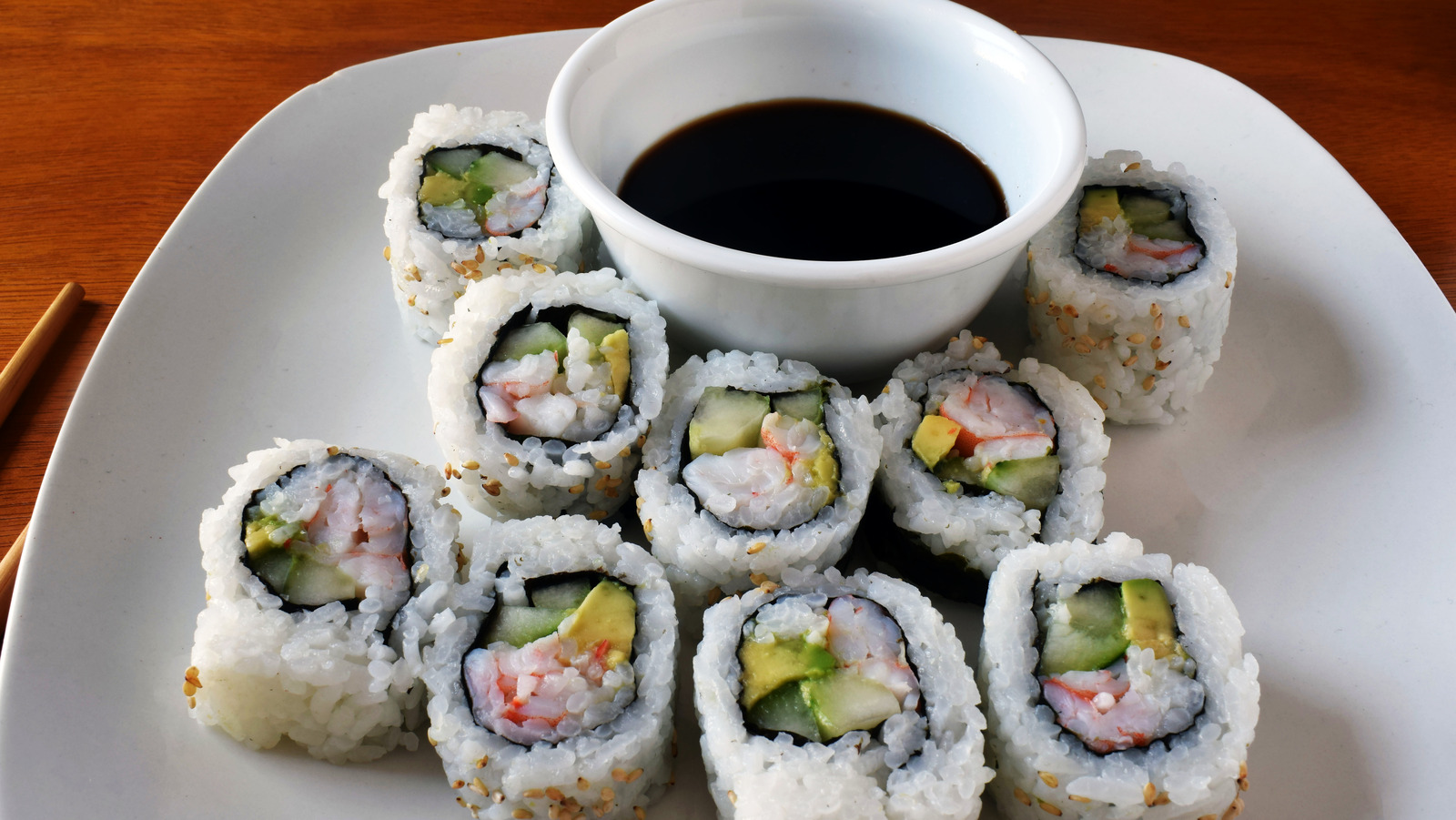
For individuals looking for a relatively light meal that offers a good balance of macronutrients and beneficial fats, a California Roll can be a suitable choice. The avocado provides heart-healthy monounsaturated fats, the nori contributes essential minerals and vitamins, and the cucumber offers hydration and a low-calorie crunch. Even the imitation crab, in moderation, provides protein. If you are mindful of portion sizes and the accompaniments, the California Roll can fit well within a balanced dietary plan.
-
Benefits:
- Healthy Fats: Primarily from the avocado, which can help improve cholesterol levels.
- Vitamins and Minerals: Nori is rich in iodine and other essential micronutrients.
- Hydration: The high water content of cucumber contributes to daily fluid intake.
- Lean Protein: From the imitation crab, though the processing is a factor.
- Omega-3 Fatty Acids: A small contribution from tobiko.
-
Considerations:
- Refined Carbohydrates: The white sushi rice is a source of quick energy but lacks fiber and nutrients compared to whole grains.
- Sodium: The seasoning in the rice and, more significantly, the soy sauce can contribute to high sodium intake.
- Added Sugars and Additives: Present in the rice seasoning and the imitation crab.
- Cholesterol: Primarily from the tobiko, though the amount is usually small.
Making Healthier Choices When Ordering
The good news is that you can significantly enhance the health profile of your California Roll experience with a few smart choices.
- Opt for Brown Rice: If available, choose brown rice sushi. It offers substantially more fiber, vitamins, and minerals than white rice, providing sustained energy release.
- Control Soy Sauce Usage: Ask for reduced-sodium soy sauce and use it sparingly. Alternatively, consider a small amount of ponzu sauce, which is citrus-based and typically lower in sodium.
- Mindful Condiment Choices: Go easy on the spicy mayo or creamy sauces, which can add a significant amount of fat and calories.
- Balance with Other Sushi: Pair your California Rolls with options that incorporate more whole, unprocessed ingredients. Consider rolls with fresh fish, like tuna or salmon, which are rich in omega-3s.
- Add a Side Salad or Edamame: Complement your sushi with a side of steamed edamame (soybeans), a fantastic source of plant-based protein and fiber, or a simple green salad with a light vinaigrette.
The California Roll in the Context of Travel and Lifestyle
The California Roll is more than just a dish; it’s often an experience intertwined with travel and lifestyle. Whether you’re exploring the vibrant culinary scene in San Francisco, enjoying a leisurely vacation in Hawaii, or seeking out authentic Japanese flavors during a trip to Kyoto, the California Roll offers a familiar comfort.
Culinary Exploration and the Gateway Roll
For many travelers, the California Roll serves as an accessible entry point into the world of Japanese cuisine. Its ingredients, which are generally well-accepted by a global palate, make it less intimidating than some more traditional sushi offerings. This makes it a popular choice in tourist hubs and international airports alike. It’s a dish that bridges cultural divides, allowing people from diverse backgrounds to connect over a shared culinary enjoyment. When visiting a new destination, seeking out local sushi restaurants, even those serving popular Westernized rolls like the California Roll, can offer insights into how global flavors are adapted and embraced locally.

Balancing Indulgence and Health on the Go
Lifestyle choices, especially while traveling, often involve a delicate balance between experiencing local delicacies and maintaining healthy habits. A California Roll, when chosen thoughtfully, can be a relatively healthy option for a meal on the go. It’s convenient, portable, and can provide a satisfying energy boost without feeling overly heavy. However, indulging in multiple rolls or pairing them with deep-fried appetizers and sugary drinks can quickly transform a potentially healthy meal into a less nutritious one. The key lies in mindful consumption and understanding how these choices fit into your overall travel itinerary and dietary goals.
For those who prioritize a luxurious travel experience, opting for sushi at high-end resorts in destinations like Bali or the Maldives can elevate the experience. Even in such settings, the fundamental nutritional components of a California Roll remain the same, but the quality of ingredients, preparation, and the overall ambiance can be exceptional. Conversely, budget travelers might find readily available and affordable California Rolls at local markets or casual eateries, offering a taste of international cuisine without breaking the bank.
Ultimately, the question of whether California Rolls are “good for you” is less about the roll itself and more about the choices we make. By understanding the nutritional landscape of its ingredients, making informed ordering decisions, and considering them within the broader context of our diet and lifestyle, we can confidently answer that, yes, the California Roll, when enjoyed mindfully, can indeed be a good addition to your plate, whether you’re embarking on an adventure to the Grand Canyon or simply enjoying a meal at home.
LifeOutOfTheBox is a participant in the Amazon Services LLC Associates Program, an affiliate advertising program designed to provide a means for sites to earn advertising fees by advertising and linking to Amazon.com. Amazon, the Amazon logo, AmazonSupply, and the AmazonSupply logo are trademarks of Amazon.com, Inc. or its affiliates. As an Amazon Associate we earn affiliate commissions from qualifying purchases.