
The allure of finding hidden treasures, scoring free supplies, or simply embracing a more sustainable lifestyle often leads individuals to the practice of dumpster diving. In the vibrant and diverse state of California, where innovation and environmental consciousness are often at the forefront, this question of legality frequently arises. Many travelers and residents alike, perhaps inspired by the spirit of resourcefulness inherent in the state’s rich history, find themselves curious about whether what they retrieve from discarded bins is within the bounds of the law. This exploration delves into the legal landscape of dumpster diving in California, considering its nuances across different localities and the broader implications for those engaging in this activity.
Understanding the Legal Framework of Dumpster Diving in California
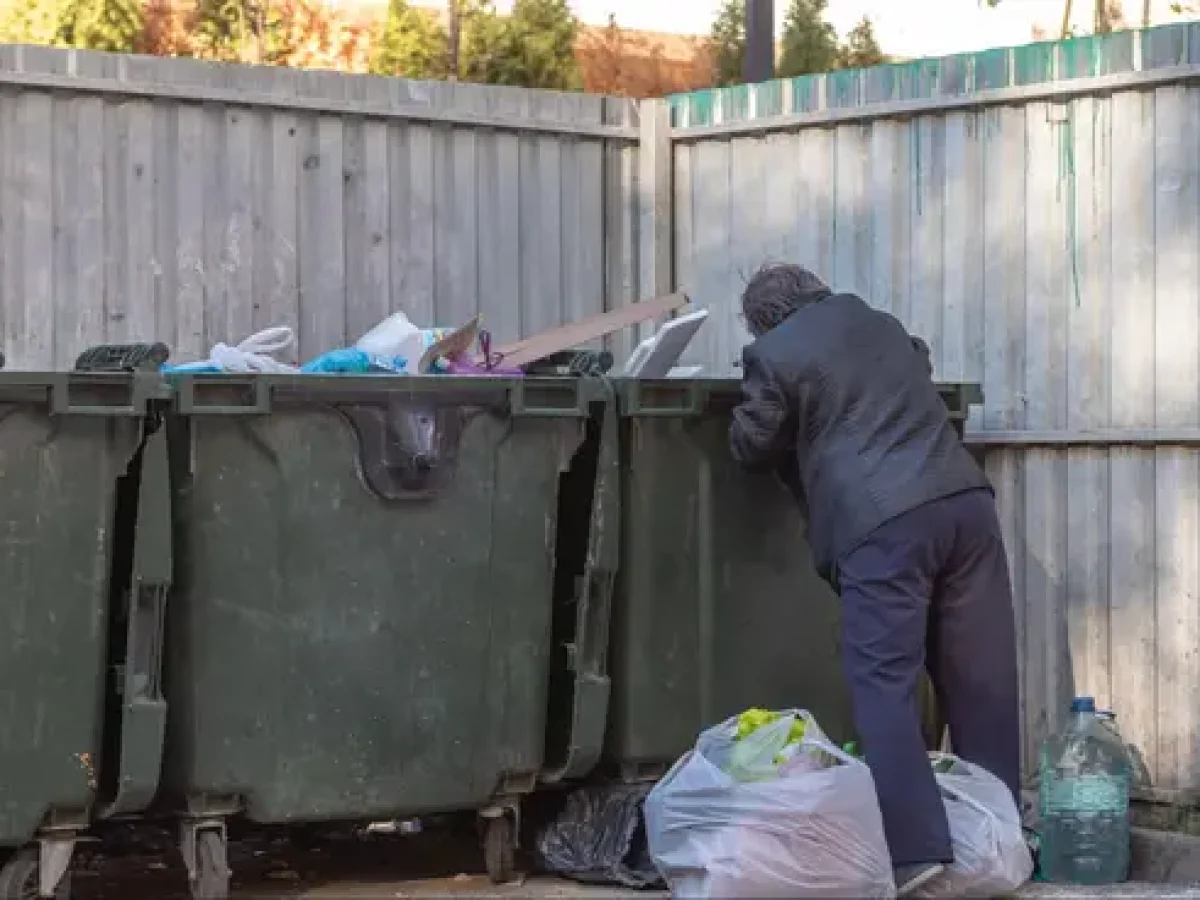
The legality of dumpster diving in California is not a simple yes or no answer. Instead, it’s a complex tapestry woven from federal, state, and local ordinances, with court rulings playing a significant role in shaping the current understanding. At its core, the issue often boils down to the concept of property rights and when those rights are considered relinquished by the original owner.
The Significance of the Supreme Court Ruling
A pivotal moment in the history of dumpster diving legality in the United States was the Supreme Court‘s decision in California v. Greenwood (1988). This landmark case, ironically originating in California, addressed whether individuals have a reasonable expectation of privacy in garbage left on the curb for collection. The Supreme Court ruled that once garbage is placed in a receptacle accessible to the public, such as on a sidewalk or at the curb, it is considered abandoned property. This means individuals no longer have a reasonable expectation of privacy in that discarded material, and searching through it is not considered a violation of the Fourth Amendment‘s protection against unreasonable searches and seizures.
This ruling, while not directly addressing state or local laws, set a precedent that generally permits the act of dumpster diving on public property or private property where access is readily available to waste disposal services. However, it’s crucial to understand that California v. Greenwood primarily dealt with privacy rights and law enforcement’s ability to search your dive findings. It did not grant a blanket right to trespass or take items that are still legally owned or secured.
State and Local Ordinances: The Devil is in the Details
While the Supreme Court ruling provides a foundational understanding, the actual practice of dumpster diving in California is heavily influenced by a patchwork of state statutes and, more importantly, local city and county ordinances. These local laws can impose restrictions that effectively prohibit dumpster diving, even if the federal precedent suggests otherwise.
Many cities and counties in California have enacted ordinances that prohibit scavenging, the unauthorized removal of materials from waste receptacles, or the obstruction of waste collection services. These ordinances are often put in place to maintain public health and safety, prevent the spread of disease, deter property damage, and ensure the efficient operation of waste management services.
For instance, some ordinances may specifically outlaw the act of “scavenging,” which can be broadly interpreted to include dumpster diving. Others might focus on preventing individuals from tampering with waste bins or leaving a mess behind, which are common occurrences during dumpster diving. The intent behind these laws is often to protect businesses and residents from potential hazards and to maintain the aesthetic and functional integrity of public spaces.
Furthermore, the location of the dumpster is paramount. Diving in dumpsters located on private property, such as those behind a business or a residential complex, without explicit permission from the property owner constitutes trespassing. Trespassing is a criminal offense in California and can lead to citations or arrests. Even if a dumpster is located on private property, if it is clearly accessible to the public for waste disposal and not enclosed or otherwise secured, the Greenwood ruling’s principle of abandonment might still be argued. However, the safest and most legally sound approach is always to seek permission from the property owner before accessing dumpsters on private land.
Navigating the Nuances of Dumpster Diving in California: Key Considerations
When considering dumpster diving in California, several key factors must be taken into account to ensure compliance with the law and to avoid potential legal entanglements. These considerations extend beyond the basic legality of rummaging through discarded items and delve into practical and ethical aspects that govern the activity.
Trespassing and Property Rights
As mentioned, the most significant legal hurdle to dumpster diving, aside from specific local ordinances, is the issue of trespassing. The Supreme Court ruling in California v. Greenwood did not grant the right to trespass on private property to access dumpsters. Therefore, any dumpster located on private property, even if it’s in an alleyway or accessible from the street, is generally off-limits without permission.
This includes dumpsters behind businesses, apartment buildings, shopping malls, and private residences. The owner of the property has the right to control who enters their land, and unauthorized entry can lead to criminal charges for trespassing. Many businesses also have explicit “no trespassing” signs, further cementing their right to restrict access.

The Role of Local Ordinances and Public Health
Local governments in California have the authority to enact ordinances that may supersede general understandings derived from federal rulings. These ordinances are often driven by public health and safety concerns. For example, some cities may prohibit dumpster diving to prevent the spread of disease, control vermin, or reduce the accumulation of unsightly debris.
It is imperative to research the specific laws of the city or county where you intend to dumpster dive. Information on local ordinances can usually be found on the official websites of city governments or county clerks. Many California cities have comprehensive municipal codes that detail regulations related to waste disposal and scavenging.
What You Can and Cannot Take
Even when dumpster diving is legally permissible, there are still limitations on what you can take. Items that are clearly marked as hazardous waste, medical waste, or materials that could pose a danger if handled improperly should never be taken. Additionally, some jurisdictions may have specific regulations regarding the removal of certain types of waste, such as electronic waste or recyclable materials, which may be subject to specific collection programs.
It’s also important to distinguish between truly abandoned property and items that might still be considered the property of the original owner or a waste management company. For instance, if a business has a contract with a specific waste disposal service, and the contents of the dumpster are still technically under the purview of that contract until collected, there could be legal ramifications for interference.
Dumpster Diving in the Context of Travel and Lifestyle in California
The practice of dumpster diving can be viewed through various lenses, including as a facet of budget travel, a lifestyle choice, or even a form of activism. In California, a state renowned for its diverse landscapes, vibrant cities, and thriving tourism industry, dumpster diving can intersect with these different aspects of life in intriguing ways.
Dumpster Diving as a Budget Travel Strategy
For budget-conscious travelers exploring California, dumpster diving might be considered a way to supplement resources. From finding lightly used clothing and household goods to even, in some instances, usable food items (though this carries significant health risks and is generally not recommended), it can reduce the need to purchase certain necessities. This approach aligns with the principles of frugal living and resourcefulness that some travelers embrace. Cities like Los Angeles or San Francisco, with their vast commercial and residential areas, might present more opportunities, but also increased risks of encountering specific local regulations or private security.
Lifestyle Choices and Sustainability
Beyond mere cost-saving, many engage in dumpster diving as a commitment to sustainability and a rejection of consumerist culture. In California, a state often at the forefront of environmental initiatives, this aligns with a broader movement towards reducing waste and promoting a circular economy. The idea is to give items a second life rather than allowing them to end up in landfills. This can range from seeking discarded building materials for DIY projects to finding perfectly good furniture that can be repurposed. The ethos is about mindful consumption and waste reduction, principles that resonate strongly within California‘s progressive culture.
The Ethical and Social Dimensions
Dumpster diving also raises ethical and social questions. While the Supreme Court ruling addresses the legality from a property rights perspective, it doesn’t always account for the social perceptions or potential impacts of the practice. Some individuals may view it as unsanitary or even a form of theft, regardless of its legal standing. Understanding and respecting these viewpoints, as well as ensuring that one’s diving activities do not negatively impact the community or local businesses, is part of engaging responsibly. For those interested in exploring alternative lifestyles or resourcefulness, researching local communities that advocate for or practice urban foraging or waste reduction can offer insights and connections.
Navigating Tourism Hotspots and Residential Areas
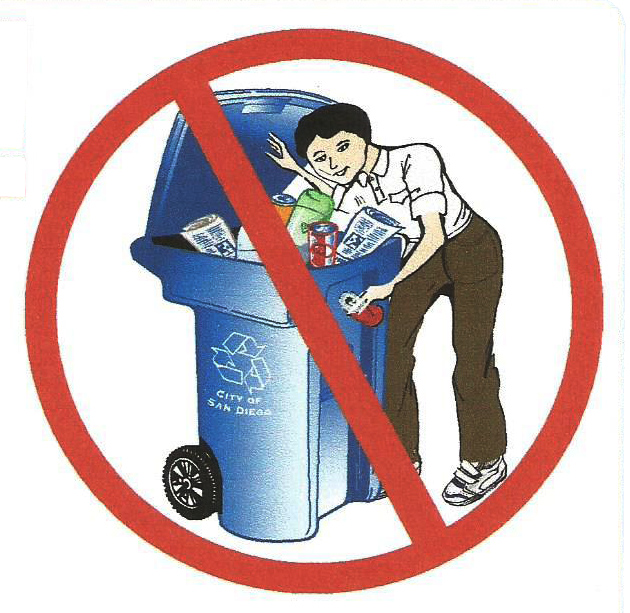
When traveling through California, the legality and practicality of dumpster diving can vary significantly between bustling tourist hubs and quieter residential zones. In densely populated areas like San Diego or the Bay Area, businesses are often more vigilant about their waste disposal practices, and local ordinances might be more strictly enforced. Conversely, in smaller towns or more rural areas, the approach to dumpster diving might be more relaxed, though opportunities might be fewer. It’s always prudent to observe local customs and laws, and to prioritize safety and respect for private property, regardless of the location.
Ultimately, while California law, influenced by the California v. Greenwood decision, generally permits access to garbage left in public areas, the practice of dumpster diving is subject to numerous local ordinances and the fundamental principle of not trespassing on private property. A thorough understanding of these nuances is crucial for anyone considering engaging in this activity within the Golden State, ensuring they navigate the practice legally and responsibly.
LifeOutOfTheBox is a participant in the Amazon Services LLC Associates Program, an affiliate advertising program designed to provide a means for sites to earn advertising fees by advertising and linking to Amazon.com. Amazon, the Amazon logo, AmazonSupply, and the AmazonSupply logo are trademarks of Amazon.com, Inc. or its affiliates. As an Amazon Associate we earn affiliate commissions from qualifying purchases.