
California, a state synonymous with sunshine, innovation, and a famously laid-back vibe, has long been at the forefront of the cannabis movement. For travelers and residents alike, navigating the legal landscape surrounding marijuana consumption can be a complex, yet increasingly straightforward, endeavor. As California continues to evolve its approach to cannabis, understanding the nuances of its legality is crucial for a smooth and enjoyable experience, whether you’re planning a luxury escape, a budget-friendly adventure, or a family trip. This guide aims to demystify the laws, offering clarity on where, when, and how you can legally partake in cannabis activities within the Golden State, all while keeping in mind the vast array of travel experiences available, from world-renowned landmarks to intimate local culinary adventures.

Understanding California’s Cannabis Legalization
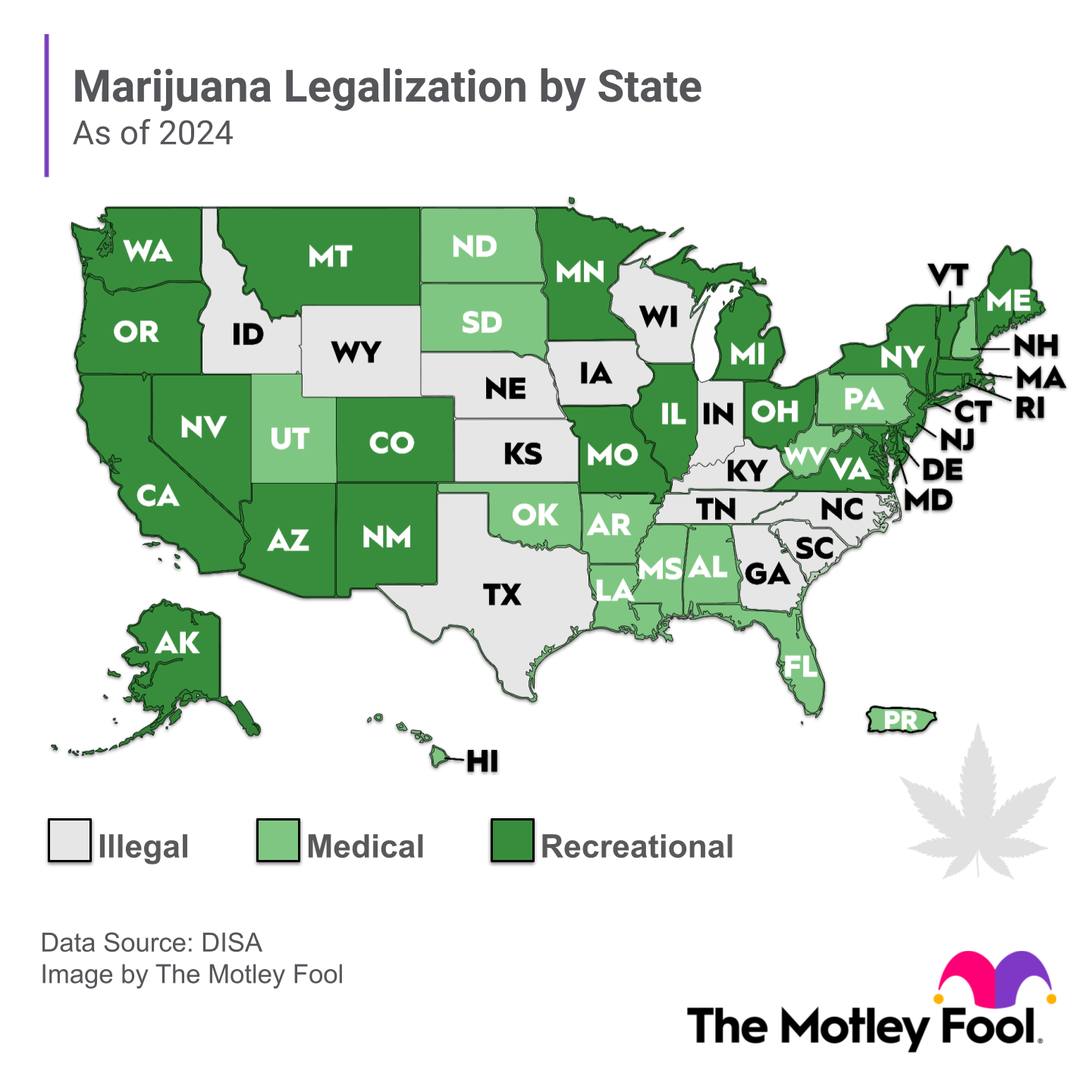
California has a storied history with cannabis, moving from prohibition to a decriminalized status, and finally to a regulated system of adult-use legalization. The Compassionate Use Act of 1996 initially allowed for medical cannabis use, paving the way for broader acceptance. In 2016, voters approved Proposition 64, the Adult Use of Marijuana Act (AUMA), which officially legalized the recreational sale and possession of cannabis for adults 21 and older. This landmark legislation transformed the landscape, opening doors for both the cannabis industry and for individuals seeking to consume cannabis legally.
The Pillars of Proposition 64
Proposition 64 established a framework for the legal cannabis market in California. It permits adults 21 years of age and older to:
- Possess: Up to 28.5 grams (approximately one ounce) of non-concentrated cannabis and up to 8 grams of concentrated cannabis.
- Cultivate: Up to six cannabis plants per private residence for personal use.
- Consume: Cannabis in private residences, provided the property owner permits it.
Crucially, Proposition 64 also legalized the sale of cannabis through licensed dispensaries. This has led to the establishment of a regulated market where products are tested for potency and contaminants, offering consumers a safer and more transparent purchasing experience. This regulatory aspect is vital for tourists and travelers who might not be familiar with the local market and seek assurance in product quality, much like they would when booking accommodations at a reputable resort or exploring local attractions.
However, it’s important to note that while legalization is a significant step, it comes with considerable restrictions. The laws are designed to balance personal freedom with public health and safety. Understanding these limitations is paramount to avoiding legal trouble.
Where Can You Legally Consume Cannabis in California?
This is perhaps the most pertinent question for anyone visiting or residing in California. The answer, in short, is that cannabis consumption is primarily limited to private property.
Private Residences: The Primary Consumption Zone
The cornerstone of legal cannabis consumption in California is private property, specifically your residence or a private home where you have explicit permission from the owner to consume. This means if you are staying in a hotel, an apartment, or a villa, you must ensure that the establishment permits cannabis use on their premises. Many hotels and rental properties have strict no-smoking policies that extend to cannabis, while others may designate specific areas or allow it at their discretion. Always inquire with your accommodation provider about their cannabis policy before arriving.
For those enjoying longer-term stays or considering a lifestyle shift to California, understanding these residential guidelines is a key aspect of settling in, much like familiarizing yourself with local culture or finding suitable accommodation options.
The Public Consumption Prohibition
It is illegal to consume cannabis in any public place. This includes, but is not limited to:
- Public parks: Areas like Golden Gate Park in San Francisco or Griffith Park in Los Angeles are off-limits for cannabis consumption.
- Sidewalks and streets: Anywhere accessible to the general public.
- Restaurants and bars: Unless a specific venue has obtained a license to allow cannabis consumption on-site, which is rare.
- Vehicles: Driving or consuming cannabis in a vehicle, whether parked or in motion, is illegal. This extends to passengers as well.
- Federal property: This includes national parks, monuments, and any land owned by the federal government. Even in states where cannabis is legal, federal law still prohibits its use on federal land.
The spirit of the law is to prevent the inhalation of cannabis smoke or vapor in spaces where others might be involuntarily exposed, similar to how smoking tobacco is regulated in public areas. This consideration is important for all travelers, ensuring a respectful experience for everyone, whether you are exploring famous landmarks or enjoying local activities.
Navigating Licensed Retail and Tourism
California’s legal cannabis market has also opened up opportunities for tourism focused on cannabis experiences, often referred to as “cannabis tourism.” This sector offers guided tours, educational workshops, and even cannabis-friendly accommodations.
Licensed Dispensaries: Your Source for Legal Cannabis
For recreational users, licensed dispensaries are the primary legal channel to purchase cannabis products. These establishments are regulated by the state and must adhere to strict safety and quality control standards. You can find dispensaries in many cities across California, offering a wide variety of products including flower, edibles, concentrates, and topicals.
When visiting a dispensary, remember to bring a valid government-issued photo ID to prove you are 21 or older. The budtenders are knowledgeable and can assist you in selecting products that best suit your needs and preferences, much like a concierge at a luxury resort can guide you to the best dining or entertainment options. This regulated purchasing process is a significant aspect of responsible cannabis tourism, ensuring that consumers are accessing safe and tested products.
Cannabis Tourism and Related Experiences
The burgeoning cannabis tourism industry in California offers unique ways to experience the state. Some popular activities include:
- Dispensary tours: Learn about the history and cultivation of cannabis, and explore different strains and products.
- Cannabis-friendly accommodations: Certain hotels and apartments are emerging that cater to cannabis consumers, offering designated smoking areas or allowing consumption on balconies.
- Cannabis-infused dining experiences: These events, often held in private venues, offer a curated culinary journey with expertly crafted cannabis edibles.
- Educational workshops: Learn about the various methods of cannabis consumption, dosage, and the potential effects.
When planning a trip that incorporates these elements, consider cities like San Francisco, Los Angeles, or the famed Sonoma County and Napa Valley, which have developed significant offerings in this space. These areas often boast a rich local culture and diverse attractions that can be enjoyed alongside cannabis-friendly activities.
Important Considerations for Responsible Consumption
As with any substance, responsible use is key. California’s laws are designed to promote safety and well-being for both consumers and the general public.
Driving Under the Influence
Driving under the influence of cannabis is illegal in California and carries severe penalties, including fines, license suspension, and even jail time. Law enforcement uses various methods to detect impairment, and you should never operate a vehicle after consuming cannabis. This is a critical rule for anyone traveling through the state, regardless of whether they are on a business stay or a leisurely exploration of nature.
Age Restrictions and Other Legalities
The legal age for purchasing and consuming cannabis in California is 21 years old. It is illegal to provide cannabis to individuals under 21, and possessing cannabis on school grounds or in schools is strictly prohibited. Furthermore, while cultivation is allowed for personal use, there are regulations regarding the visibility and security of home-grown plants, designed to prevent public access and diversion to minors.
Respecting Local Ordinances
While state law legalizes cannabis, individual cities and counties within California have the authority to enact their own local ordinances regarding cannabis businesses and public consumption. Some localities may have stricter regulations than the state, so it’s always advisable to be aware of local rules, especially if you are exploring less-traveled destinations or seeking unique experiences. This is akin to checking local tips before embarking on a culinary exploration or visiting a historical site.
In conclusion, smoking pot in California is legal for adults 21 and over, provided it is done responsibly and within the confines of the law. Understanding where you can consume, how to legally purchase products, and the important restrictions surrounding public use and impaired driving are essential for a positive and lawful experience in the Golden State. As California continues to refine its cannabis policies, staying informed is key to enjoying all that this vibrant state has to offer, from its stunning landscapes to its diverse lifestyle options.
LifeOutOfTheBox is a participant in the Amazon Services LLC Associates Program, an affiliate advertising program designed to provide a means for sites to earn advertising fees by advertising and linking to Amazon.com. Amazon, the Amazon logo, AmazonSupply, and the AmazonSupply logo are trademarks of Amazon.com, Inc. or its affiliates. As an Amazon Associate we earn affiliate commissions from qualifying purchases.