
Embarking on a journey across the vast and vibrant landscapes of Texas offers an unforgettable experience, whether you’re chasing the urban allure of Dallas and Houston, soaking in the historic charm of San Antonio, or exploring the natural beauty of the Gulf Coast and beyond. As a premier travel destination, [Texas] boasts an extensive network of roadways designed to connect its diverse attractions and bustling metropolitan centers. Integral to this modern infrastructure are numerous toll roads, offering faster, often less congested routes, particularly around major cities. For visitors and residents alike, understanding how to efficiently navigate and pay these toll fees is crucial for a smooth and stress-free travel experience.
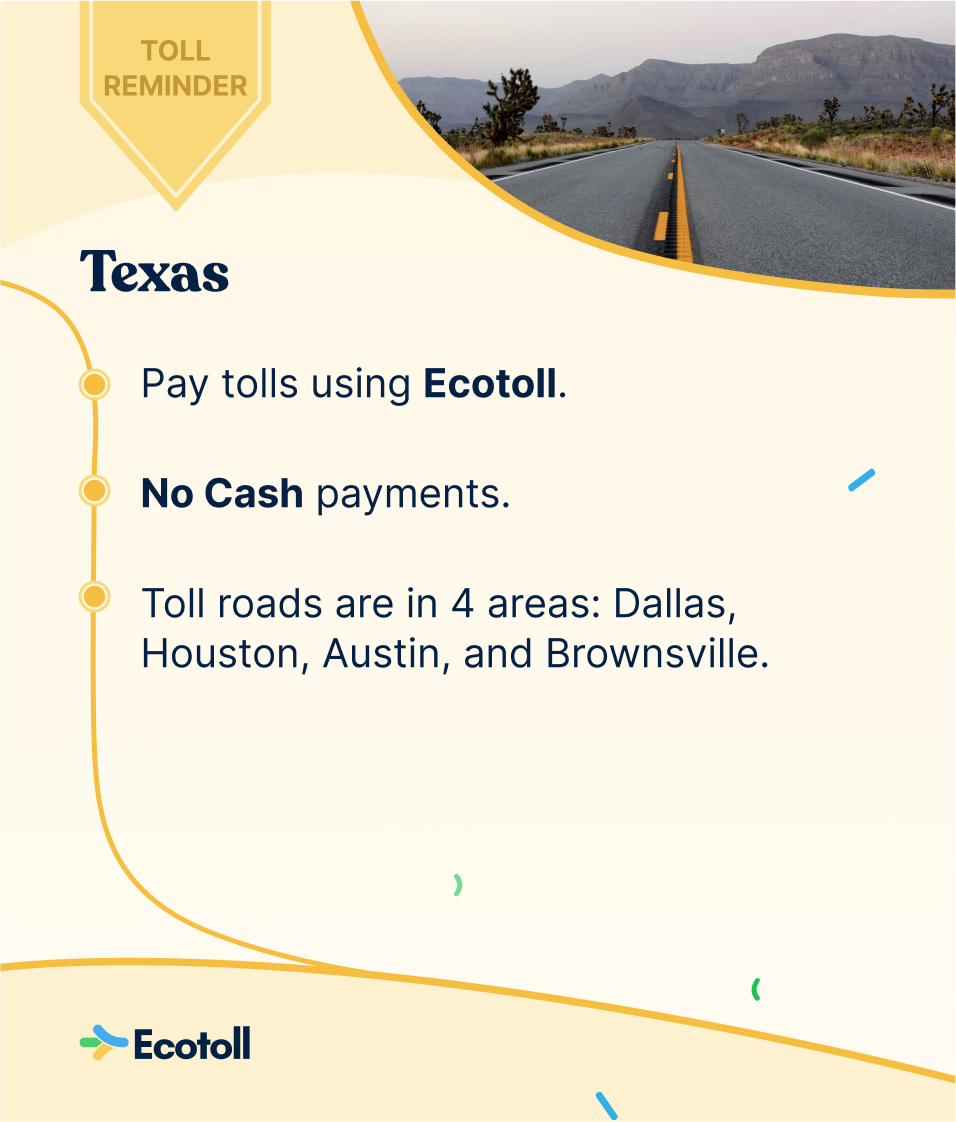
This comprehensive guide delves into the various methods of paying [Texas] toll fees, ensuring you’re well-prepared for your adventures, whether it’s a family vacation, a business trip, or a solo exploration of the Lone Star State. From electronic toll tags to the convenience of pay-by-mail options, we’ll cover everything you need to know to avoid unexpected charges and keep your focus on enjoying all that [Texas] has to offer. Efficiently managing your tolls is a key component of smart travel, aligning perfectly with a lifestyle of seamless exploration and responsible tourism.
Navigating the Texas Toll Road System
[Texas]’s expansive size and rapid growth have necessitated a sophisticated transportation network, with toll roads playing a significant role in managing traffic flow and supporting infrastructure development. Unlike some states where a single authority might oversee all tolling operations, [Texas] features a decentralized system, involving multiple entities. This can sometimes lead to confusion for first-time visitors or those unfamiliar with the state’s specific regional setups.Understanding Texas’ Diverse Tolling Authorities
The administration of toll roads in [Texas] is a collaborative effort involving various agencies, both state-level and regional. The primary statewide entity is the Texas Department of Transportation (TxDOT), which operates its own toll facilities and coordinates with local authorities. However, a significant portion of toll roads are managed by regional mobility authorities and county-level toll road authorities, each with their own specific operational guidelines and customer service protocols.
Key regional players include:
- The North Texas Tollway Authority (NTTA), serving the [Dallas]-Fort Worth metroplex. The [NTTA] is one of the largest and most prominent, operating a vast network of tollways in this rapidly expanding urban area.
- The Harris County Toll Road Authority (HCTRA), which manages the extensive toll road system around Houston, providing critical bypasses and direct routes through the nation’s fourth-largest city.
- The Central Texas Regional Mobility Authority (CTRMA), overseeing toll roads in and around Austin, helping to alleviate congestion in the state capital and a major tech hub.
- The Fort Bend County Toll Road Authority (FBCTRA), managing tolls in one of [Houston]’s fastest-growing suburban counties.
- The El Paso County Regional Mobility Authority (EPCMA), focused on improving transportation infrastructure in El Paso and its surrounding areas.
- The Grand Parkway Transportation Corporation (GPTC), which oversees segments of the immense Grand Parkway (SH 99), a circumferential highway around [Houston].
- The Cameron County Regional Mobility Authority (CCRMA) and Corpus Christi Regional Transportation Authority (CCRTA), serving the needs of the southern coastal regions.
Each of these authorities plays a vital role in local and regional travel, and understanding which authority operates a particular toll road can be important, especially when resolving specific toll-related inquiries or issues.
Why Toll Roads are a Part of Your Texas Journey
Toll roads are not merely an additional cost; they are a strategic investment in infrastructure that offers significant benefits for travelers. In a state as vast and economically dynamic as [Texas], toll roads provide:
- Time Savings: Often, toll roads are designed to bypass congested city centers or offer more direct routes, drastically cutting down travel time for those on tight schedules, whether for business meetings in [Austin] or trying to make it to Space Center Houston before closing.
- Reduced Stress: Avoiding stop-and-go traffic translates to a more relaxed driving experience, which is invaluable on any trip, be it a luxury escape or a family adventure.
- Improved Infrastructure: The revenue generated from tolls directly funds the construction, maintenance, and expansion of these high-quality roadways, ensuring smooth surfaces, clear signage, and modern design.
- Access to Attractions: Many major attractions, resorts, and business districts are easily accessible via toll roads, making your destination part of an enjoyable journey. Imagine quickly reaching the Riverwalk in [San Antonio] or heading out to Big Bend National Park without the added hassle of navigating local traffic.
For travelers focused on optimizing their time and maximizing their travel experience, utilizing toll roads is often a smart choice.
Electronic Toll Tags: Your Fastest Lane to Freedom
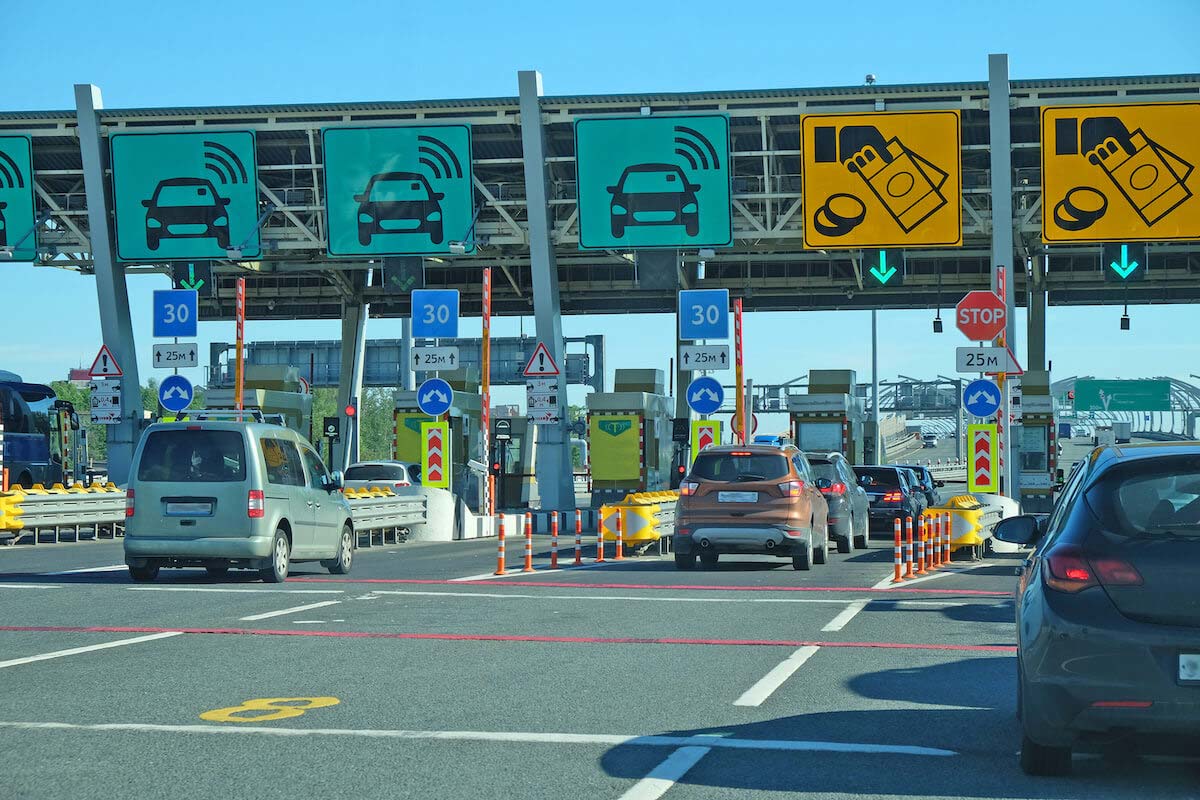
The most convenient and cost-effective way to pay for tolls in [Texas] is by using an electronic toll tag. These small devices, affixed to your vehicle’s windshield, automatically deduct toll fees from a pre-funded account as you pass through electronic toll gantries. This “all-electronic” system means there are no toll booths with cash collectors on most [Texas] toll roads, making a tag almost essential for frequent travelers.
Popular Texas Toll Tags Explained
Several electronic toll tags are widely used in [Texas], each primarily associated with a specific toll authority but offering growing interoperability:
- TxTag: Administered by the Texas Department of Transportation, [TxTag] is perhaps the most universally accepted toll tag across [Texas]. It works on all toll roads in the state, regardless of the operating authority. For anyone planning extensive travel across various regions of [Texas], a [TxTag] is an excellent choice.
- TollTag: This tag is issued by the North Texas Tollway Authority ([NTTA]). While primarily used on [NTTA] roads in the [Dallas]-[Fort Worth] area, [TollTag] is also accepted on all other toll roads throughout [Texas].
- EZ TAG: Managed by the Harris County Toll Road Authority ([HCTRA]), [EZ TAG] is prevalent in the [Houston] metropolitan area. Like [TxTag] and [TollTag], it is accepted statewide on all [Texas] toll roads.
Choosing one of these main [Texas] tags ensures you’re covered for any toll road you encounter within the state. They typically offer discounted rates compared to the “Pay By Mail” option, making them a budget-friendly choice for both short and long-term stays.
Interoperability: Using Your Tag Across States
One of the greatest conveniences of modern tolling systems is interoperability. Many [Texas] toll tags are now accepted beyond the state’s borders, thanks to agreements with other state toll authorities.
- National Interoperability: All three major [Texas] tags ([TxTag], [TollTag], and [EZ TAG]) are compatible with toll roads in Kansas (K-TAG) and Oklahoma (PikePass). This is especially useful for those driving into [Texas] from neighboring states or continuing their journey northward.
- Regional Interoperability: Furthermore, [TxTag], [TollTag], and [EZ TAG] are also interoperable with other major regional toll systems in the southeastern [United States], including NC Quick Pass (North Carolina), Peach Pass (Georgia), and SunPass (Florida).
- E-ZPass Compatibility: For travelers coming from or heading to the northeastern U.S., it’s important to note that while some progress has been made, [Texas] tags are not currently directly compatible with the widely used E-ZPass system (common in states like New York, Pennsylvania, New Jersey, etc.). If you have an [E-ZPass], it will not work on [Texas] toll roads, and you will be billed via the “Pay By Mail” system unless you obtain a [Texas] tag. Always check the latest interoperability agreements before your trip.
This growing network of compatible systems makes multi-state road trips much more manageable, reducing the need for multiple transponders.
Getting and Managing Your Toll Tag Account
Acquiring a toll tag is a straightforward process:
- Online Application: The easiest way to get a tag is by applying online through the website of [TxDOT], [NTTA], or [HCTRA]. You’ll need to provide vehicle information and link a payment method (credit card, bank account).
- Initial Deposit/Prepayment: Most accounts require an initial deposit or a minimum pre-payment to cover future tolls. Funds are then automatically replenished when your balance drops below a certain threshold.
- Tag Installation: Once you receive your tag in the mail, simply follow the instructions to properly affix it to your vehicle’s windshield. Proper placement is crucial for accurate reading.
- Account Management: All toll authorities offer online portals or mobile apps where you can manage your account, view your usage, update payment information, and add or remove vehicles. Regularly checking your account ensures smooth operation and helps you track your travel expenses.
For regular visitors or those considering an extended stay in [Texas], investing in a local toll tag is highly recommended for convenience and cost savings.
Pay-by-Mail: When a Tag Isn’t an Option
Even with the widespread availability and advantages of electronic toll tags, there are instances where using one isn’t feasible or desired. For these situations, [Texas] toll authorities provide a “Pay By Mail” option. This system ensures that all drivers can use toll roads without needing a pre-existing account, though it generally comes at a higher cost.
How Pay-by-Mail Works
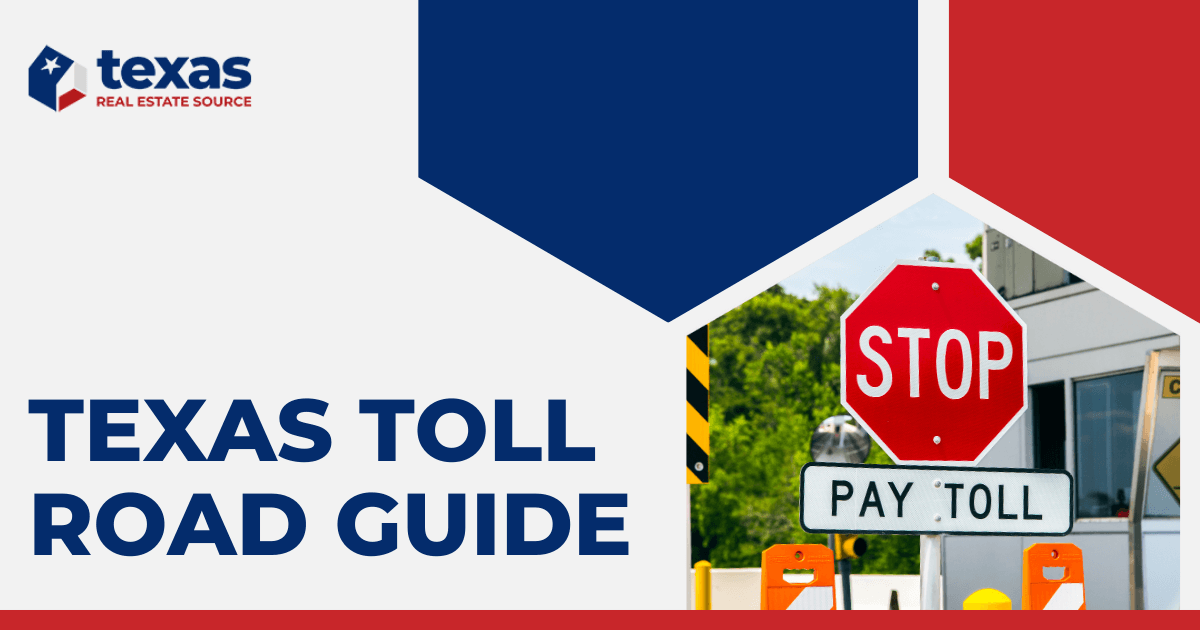
When a vehicle without an active toll tag passes through an electronic toll gantry, the toll authority’s system captures an image of the vehicle’s license plate. The process then unfolds as follows:
- License Plate Recognition: High-speed cameras capture images of the front and/or rear license plate.
- Vehicle Registration Lookup: The license plate information is used to identify the registered owner of the vehicle through state vehicle registration databases.
- Invoice Issuance: An invoice for the accumulated tolls, often accompanied by an administrative fee (which can be substantial compared to the toll itself), is then mailed to the registered owner’s address. The invoice typically details the toll road segments used, the date and time of travel, and the amount due.
- Payment Options: Invoices usually offer several payment methods: online payment via the authority’s website, payment by phone, mailing a check, or paying in person at designated customer service centers.
It’s crucial to understand that the “Pay By Mail” rate is typically higher than the electronic tag rate. This difference covers the administrative costs associated with identifying vehicle owners, processing invoices, and managing payments manually.
Avoiding Penalties: Addressing Unpaid Tolls
Ignoring a “Pay By Mail” invoice can lead to significant penalties and complications. [Texas] toll authorities are diligent in enforcing payment, and unpaid tolls can quickly escalate:
- Late Fees and Fines: If an invoice is not paid by the due date, additional late fees and administrative penalties will be applied, often multiplying the original toll amount.
- Increased Administrative Fees: Each subsequent invoice for the same unpaid tolls will incur further charges.
- Court Citations: For persistent non-payment or a large number of unpaid tolls, toll authorities can issue court citations, which carry substantial fines and could result in misdemeanor charges.
- Vehicle Registration Holds: One of the most severe consequences is a hold placed on your vehicle’s registration renewal. You will not be able to renew your vehicle registration until all outstanding tolls and fees are paid in full. This can significantly impact your ability to legally operate your vehicle.
If you receive a “Pay By Mail” invoice, it’s always best to address it promptly. If you believe there’s an error, contact the issuing toll authority immediately to dispute the charges. Most authorities have dedicated customer service lines and online portals for resolving such issues.
Special Considerations for Rental Cars and Visitors
Traveling in [Texas] with a rental car presents unique considerations regarding toll fees:
- Rental Car Company Policies: Most major rental car companies (e.g., Hertz, Avis, Enterprise) have their own toll programs. These programs typically involve a daily or per-rental administrative fee, in addition to the actual tolls incurred. The rental company will then charge your credit card for these tolls and fees, often several weeks after your rental period ends. While convenient, these programs can be significantly more expensive than using your own tag or paying by mail directly.
- Opting Out of Rental Programs: Some rental companies allow you to opt out of their toll program if you have your own compatible toll tag. Always inquire about this option at the rental counter. If you have a [TxTag], [TollTag], or [EZ TAG], you can often use it in your rental vehicle by adding the rental car’s license plate to your account before using toll roads, and removing it promptly after returning the car.
- International Visitors: For international visitors driving rental cars, understanding these policies is even more critical. Ensure you clarify the rental company’s toll payment process to avoid unexpected charges appearing on your credit card after you’ve returned home. Consider contacting the rental company in advance or checking their website for detailed toll policies.
For visitors driving their own vehicles without a [Texas] tag, the “Pay By Mail” option will be the default. Be sure your vehicle’s registration address is current so invoices reach you promptly. If you live out of state, be prepared for invoices to arrive a few weeks after your travel.
What Happens If You Don’t Pay? Consequences and Solutions
Understanding the repercussions of unpaid tolls is vital for anyone driving on [Texas] toll roads. While the state aims for efficient revenue collection, it also provides avenues for resolution, even if you find yourself with outstanding balances.
Understanding Violations and Fees
A single missed toll isn’t usually a major crisis, but a pattern of non-payment or ignoring multiple invoices can lead to a cascading effect of fees and legal actions:
- Escalating Fines: As mentioned, administrative fees increase with each unpaid notice. These fees quickly dwarf the original toll amount.
- Court Summons: For numerous violations or large unpaid balances, toll authorities can issue official court summons. Appearing in court will involve facing a judge, who can impose significant fines, court costs, and potentially even vehicle impoundment in extreme cases.
- Impact on Credit Score: While not always direct, unresolved legal judgments stemming from unpaid tolls could eventually impact your credit score, making it harder to secure loans or other financial services.
These measures are in place to ensure fair usage of the state’s infrastructure and to fund its continued maintenance and development. It’s a reminder that seamless travel often relies on responsible engagement with local regulations and systems.
Resolving Unpaid Tolls and Avoiding Future Issues
If you discover you have unpaid tolls, the best course of action is to act quickly:
- Identify the Issuing Authority: Look at your invoice or use the license plate lookup tools on major [Texas] toll authority websites ([TxDOT], [NTTA], [HCTRA]) to determine which entity issued the tolls.
- Contact Customer Service: Reach out to the relevant toll authority as soon as possible. Explain your situation. Sometimes, they offer amnesty programs or allow you to pay the original toll amount without all the accrued fees, especially if it’s your first offense or if you agree to open a toll tag account.
- Set Up an Account: If you frequently drive on [Texas] toll roads, immediately setting up a [TxTag], [TollTag], or [EZ TAG] account is the most effective way to prevent future “Pay By Mail” invoices and save money.
- Confirm Payment and Resolution: Always keep records of your payments and any communication with the toll authority. Ensure you receive confirmation that your outstanding balance has been cleared and that any holds on your vehicle registration have been lifted.
Proactive management of your toll payments is a hallmark of stress-free travel, allowing you to focus on the joys of discovering [Texas]’s rich culture, delicious food, and breathtaking destinations without financial surprises.
Essential Tips for a Smooth Tolling Experience in Texas
Beyond understanding the payment methods, a few key strategies can further enhance your toll road experience in [Texas], ensuring your travels are as smooth and enjoyable as possible. These tips are especially valuable whether you’re planning a budget-conscious adventure or a luxurious escape.
Planning Your Route: Toll Calculator Tools
Forewarned is forearmed, especially when it comes to travel costs. Before you hit the road, leverage available resources to plan your route and estimate toll expenses:
- Toll Authority Websites: Most [Texas] toll authorities offer online toll calculators or maps that allow you to input your starting point and destination. These tools provide estimated toll costs and can highlight alternative non-tolled routes, helping you make informed decisions about your journey.
- Navigation Apps: Popular navigation apps like Google Maps, Waze, and Apple Maps often integrate toll road information. You can typically set preferences to “avoid tolls” if you wish, or see estimated toll costs along your route. Always double-check these estimates with official toll authority websites, as rates can change.
- Budgeting: Incorporate estimated toll costs into your overall travel budget. This proactive approach prevents unexpected expenses, particularly for long drives or multi-day excursions across the state. Whether it’s a family road trip or a business stay, knowing your expenses upfront helps manage your lifestyle planning.
Contacting Toll Authorities for Assistance
Despite careful planning, questions or issues can arise. Knowing how to contact the relevant toll authority is crucial:
- Customer Service: Each major toll authority ([TxDOT], [NTTA], [HCTRA], [CTRMA], etc.) maintains dedicated customer service lines and online contact forms. These are your primary points of contact for inquiries about invoices, account management, disputes, or general information.
- Website Resources: Their websites are treasure troves of information, offering FAQs, detailed maps, payment portals, and links to relevant forms.
- Be Prepared: When contacting customer service, have your license plate number, invoice number (if applicable), and any other relevant vehicle or account information readily available. This will expedite the resolution process.
In conclusion, paying [Texas] toll fees doesn’t have to be a complicated affair. By understanding the various payment methods, the roles of different toll authorities, and the implications of unpaid tolls, you can ensure a seamless and enjoyable travel experience across this magnificent state. Whether you opt for the efficiency of an electronic toll tag or the flexibility of “Pay By Mail,” being informed is your best companion on the open roads of [Texas]. Happy travels!
LifeOutOfTheBox is a participant in the Amazon Services LLC Associates Program, an affiliate advertising program designed to provide a means for sites to earn advertising fees by advertising and linking to Amazon.com. Amazon, the Amazon logo, AmazonSupply, and the AmazonSupply logo are trademarks of Amazon.com, Inc. or its affiliates. As an Amazon Associate we earn affiliate commissions from qualifying purchases.