
For many families, the question of preschool costs is a significant financial consideration. The prospect of free preschool in a state as vast and diverse as California is certainly appealing, but understanding the nuances of such programs is crucial. While the dream of entirely free, universal preschool for every child in California isn’t a current reality, there are substantial initiatives and programs designed to make early childhood education more accessible and affordable. This article delves into the landscape of preschool in California, exploring what “free” might mean in practice, the programs available, and how families can navigate the system to find the best fit for their children.
The concept of universal preschool has gained considerable traction across the United States, with many states exploring or implementing their own versions. California, a leader in many progressive policies, has been at the forefront of these discussions and efforts. The state’s commitment to early childhood education is rooted in the understanding that these formative years are critical for a child’s development, setting the stage for academic success and lifelong well-being. However, the sheer scale of California – its diverse population, varied economic conditions, and extensive geography – means that implementing a truly “free” system for all presents unique challenges.
Understanding “Free” Preschool in California: Programs and Eligibility
When discussing “free” preschool, it’s important to clarify what this typically entails. In most contexts, it refers to programs that are either publicly funded, subsidized, or offered at no direct cost to parents, often with specific eligibility requirements based on income, location, or other factors. California offers a range of options that can significantly reduce or eliminate preschool costs for many families.
Head Start and Early Head Start
One of the most well-known federal programs that provides free early childhood education is Head Start. In California, Head Start and its sister program, Early Head Start, serve low-income pregnant, expectant parents, infants, toddlers, and preschoolers. These programs are comprehensive, offering not just education but also health, nutritional, and family support services. Eligibility for Head Start is primarily based on family income, though other factors like foster care status, homelessness, or disability can also qualify a child. The goal is to provide high-quality early learning experiences to children who might otherwise lack access.
Head Start programs are locally operated, meaning that specific centers and enrollment processes can vary across different counties and cities in California. Families interested in Head Start should typically contact their local Head Start agency or search for programs in their immediate area. These programs are a cornerstone of subsidized early education, aiming to bridge the opportunity gap for disadvantaged children.
California State Preschool Program (CSPP)
The California State Preschool Program (CSPP) is another significant publicly funded initiative. This program offers part-day and full-day preschool services for at-risk low-income families and children with disabilities. The CSPP is administered by the California Department of Education. It aims to provide a stimulating learning environment that supports children’s social, emotional, cognitive, and physical development.
Eligibility for the CSPP is tiered, with priority given to families with the lowest incomes. There are income ceilings for enrollment, which are periodically updated by the state. Families may also be eligible if their child has a qualifying disability or if they are homeless, in foster care, or experiencing other specific hardships. The CSPP is a vital resource for many Californian families seeking affordable, high-quality preschool options. It often operates in conjunction with or similar to public school kindergartens, offering a structured educational experience.
Transitional Kindergarten (TK)
A major development in California‘s early education landscape is the expansion of Transitional Kindergarten (TK). TK is designed for children who will turn five years old between September 1 and December 2, making them ineligible for traditional Kindergarten in the year they are four. The TK program is increasingly being phased in for all four-year-olds, regardless of their birth date, over the next several years, aiming for universal TK access.
TK is essentially a kindergarten program designed for younger children, providing them with an additional year of early learning and development. It is often housed within public school districts and operated by credentialed teachers. While not strictly “preschool” in the traditional sense, TK serves a similar function by providing a free, school-based early education experience for eligible children. As TK expands, it will significantly increase the number of Californian children who have access to a structured, free educational program before Kindergarten. The curriculum is designed to be age-appropriate, focusing on play-based learning and social-emotional development, alongside foundational academic skills.
Other Subsidized Options and Vouchers
Beyond the direct state and federal programs, California also supports families through various childcare subsidies and vouchers. These programs can help offset the cost of private preschool or licensed childcare providers. Families can often receive assistance based on their income, allowing them to enroll their children in a wider range of settings. The availability and specific eligibility criteria for these subsidies can vary by county, and families are encouraged to inquire with their local childcare resource and referral agency.
These subsidized options are crucial for bridging the gap for families whose incomes are too high for programs like Head Start or CSPP but still find the cost of private preschool prohibitive. They offer a degree of flexibility, allowing parents to choose from a broader selection of licensed providers, potentially closer to home or with specific educational philosophies.
Factors Influencing Preschool Access and Cost
While programs like Head Start, CSPP, and TK offer valuable free or subsidized options, several factors influence a family’s actual access to and the perceived “freeness” of preschool in California.
Geographic Location and Availability
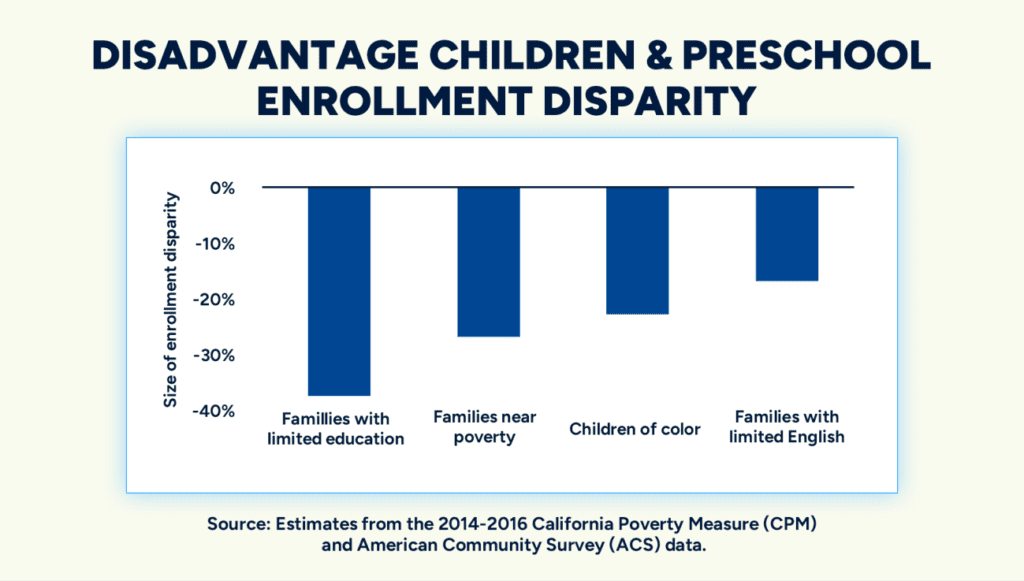
California is a sprawling state with significant regional disparities. The availability of free or subsidized preschool programs can vary considerably from one county to another, or even within different neighborhoods of a large city like Los Angeles or San Francisco. Rural areas might have fewer program options compared to more densely populated urban centers. Similarly, popular or high-demand programs can have waiting lists, meaning that even if a program is available, immediate enrollment might not be possible.
The cost of living in different parts of California also plays a role. In high-cost areas, the demand for affordable childcare and preschool is often greater, leading to increased competition for limited spots. Families may need to be proactive and persistent in their search, exploring all available local resources and potentially considering programs slightly further from their immediate home or work locations.
Income Eligibility and Prioritization
As mentioned, most free and subsidized preschool programs in California have income eligibility requirements. While these thresholds are designed to assist low-income families, they can also mean that families who are just above the cutoff may not qualify for assistance, yet still struggle with the full cost of private preschool. The state regularly reviews and updates these income ceilings, so it’s advisable for families to check the latest guidelines.
Furthermore, even within income-qualified categories, there are often prioritization systems. Children from families experiencing homelessness, those in foster care, or children with documented special needs are typically given priority for enrollment. This ensures that the most vulnerable children receive immediate access to essential early learning services.
Program Type and Hours
The definition of “free” can also depend on the program’s structure. Head Start and CSPP often provide part-day services, which might be ideal for some families but insufficient for those who need full-day care due to work schedules. While full-day options exist, they might be less common or have longer waiting lists. Transitional Kindergarten is generally offered as a full-day program, mirroring the structure of Kindergarten.
The cost of extended hours or supplementary services can also add up. For instance, if a free part-day program requires additional hours of care, families might need to arrange and pay for those extra hours separately. Understanding the exact scope of services included in a “free” program is therefore essential.
Private Preschool and Unsubsidized Options
It’s important to acknowledge that not all preschools in California are free or subsidized. Many private preschools operate independently and charge tuition based on their operational costs, curriculum, and amenities. These can range from highly academic institutions to play-based learning environments. For families who do not meet the eligibility for public programs or prefer the offerings of a private facility, tuition fees are a significant expense. The cost of private preschool in California can vary widely, often ranging from $800 to $2,000 or more per month, depending on the location and the program’s prestige.
The existence of these private options, while not free, contributes to the overall early childhood education ecosystem. However, for families focused on finding free preschool, understanding the eligibility criteria and enrollment processes for the publicly funded programs is the primary pathway.
Navigating the System: Tips for Families
For parents in California seeking free or affordable preschool options, a proactive and informed approach is key.
Research and Inquire Early
Start your search well in advance of when you need your child to enroll. Contact your local school district, county office of education, and Head Start agencies. Many programs have specific enrollment windows and waiting lists that fill up quickly.
Understand Eligibility Requirements
Thoroughly review the income guidelines and any other eligibility criteria for programs like the California State Preschool Program and Head Start. Keep your financial documents organized to expedite the application process.
Explore Transitional Kindergarten (TK)
As TK expands, it will become a more significant resource for free, school-based early education. Familiarize yourself with the TK enrollment policies in your local school district and when your child becomes eligible.
Utilize Childcare Resource and Referral Agencies
These agencies, often funded by the state, can provide invaluable assistance in identifying available programs, understanding eligibility for subsidies, and navigating the complex childcare landscape in California.
Consider All “Free” Options
Don’t limit your search to just one type of program. Explore Head Start, CSPP, TK, and any available state or local subsidies. Each program has its strengths and caters to different family needs and circumstances.
In conclusion, while the notion of completely free, universal preschool for every child in California is not yet a fully realized policy, significant strides have been made towards making early childhood education more accessible and affordable. Programs like Head Start, the California State Preschool Program, and the expanding Transitional Kindergarten initiative provide vital resources for many families. By understanding the eligibility requirements, geographical variations, and program structures, parents can effectively navigate the system to secure high-quality, low-cost, or free preschool education for their children, setting them on a path for a bright future.
LifeOutOfTheBox is a participant in the Amazon Services LLC Associates Program, an affiliate advertising program designed to provide a means for sites to earn advertising fees by advertising and linking to Amazon.com. Amazon, the Amazon logo, AmazonSupply, and the AmazonSupply logo are trademarks of Amazon.com, Inc. or its affiliates. As an Amazon Associate we earn affiliate commissions from qualifying purchases.