
The age-old question, often debated around campfires, in bustling city cafes, and certainly over a plate of barbecue or a fresh bowl of cioppino, is: “Is Texas or California bigger?” This isn’t just a trivial geographical query; it touches upon the very essence of what makes these two colossal states distinct. While both are titans in the American landscape, boasting immense populations, diverse economies, and unparalleled cultural contributions, their sheer physical size often sparks curiosity and friendly rivalry. When we talk about “bigger,” we can mean a multitude of things – land area, population, economic output, or even the scope of their influence. Let’s dive deep into the comparative geographies and diverse offerings of the Lone Star State and the Golden State to settle this debate once and for all.
A Tale of Two Giants: Land Area and Geography
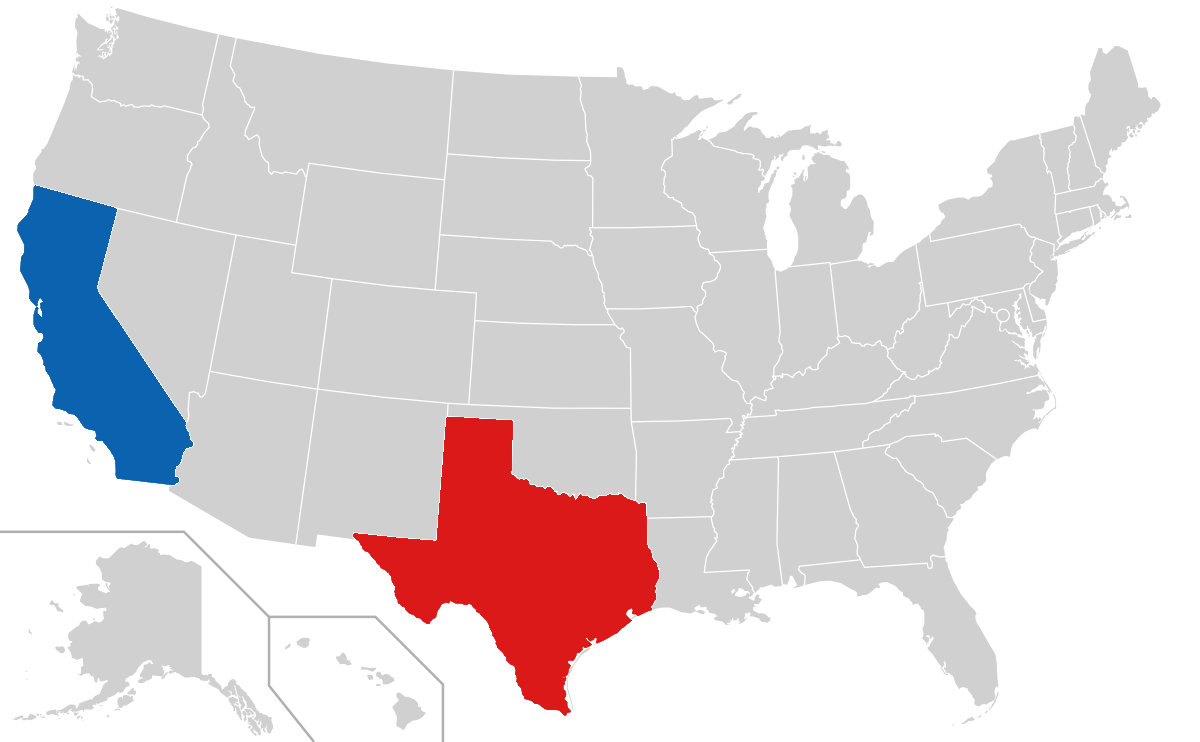
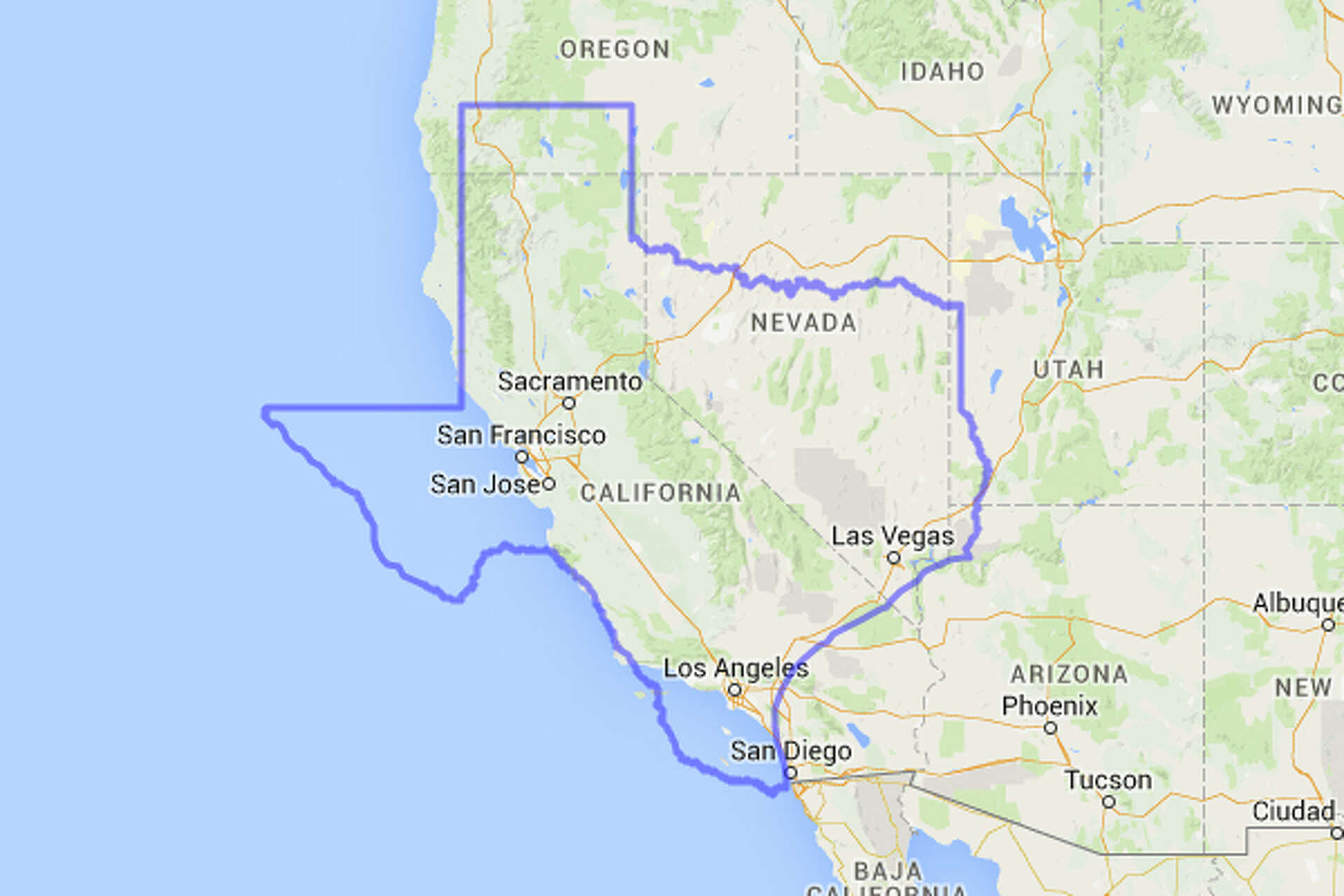
At first glance, the question of physical size is straightforward: a matter of square miles. Both Texas and California are undeniably vast, dwarfing many countries. However, when you crunch the numbers, one state consistently emerges as the larger entity in terms of raw land area.
Land Area Comparison: The Numbers Game
Texas proudly holds the title of the second-largest state in the United States by total area, trailing only Alaska. Its expansive territory covers approximately 268,596 square miles (695,662 square kilometers). This immense size allows for a dramatic diversity in landscapes, from the piney woods of East Texas to the arid deserts of West Texas, the rolling hills of the Hill Country, and the coastal plains along the Gulf of Mexico. This vastness translates to long drives, a sense of open space, and a wide array of natural wonders waiting to be explored.
California, while also colossal and the third-largest state in the Union, measures in at approximately 163,695 square miles (423,970 square kilometers). Though smaller than Texas, its geographical diversity is arguably its most striking feature. California stretches from the sun-drenched beaches of Southern California to the towering peaks of the Sierra Nevada mountains, the fertile valleys of the Central Valley, and the rugged, windswept coastline of the north. Its elongated shape means a significant north-south distance, contributing to its varied climates and ecosystems.
Therefore, in terms of pure land area, Texas is definitively larger than California. This difference of over 100,000 square miles is substantial and impacts everything from travel times to the distribution of its population and resources.
Geographical Diversity: A Closer Look
Despite Texas winning the land area contest, California often surprises visitors with its incredibly diverse geography packed into its slightly smaller footprint.
-
Texas: Imagine driving through Texas. You might start in the lush, humid forests near Houston, resembling the Deep South, then head west into the vast, flat plains of West Texas, akin to the Great Plains. Travel south, and you’ll encounter the semi-arid scrublands that border Mexico, and along the coast, you’ll find expansive beaches and marshlands. The Texas Hill Country offers a unique landscape of rolling hills, clear rivers, and limestone formations, a stark contrast to the rest of the state. This sheer variety, spread across its immense area, is a testament to Texas‘s geographical breadth.
-
California: California‘s geography is a masterclass in dramatic contrasts. The iconic Pacific coastline, with its dramatic cliffs and sandy beaches, is a major draw for tourists and locals alike. Inland, the Central Valley is one of the most productive agricultural regions in the world, a vast expanse of fertile land. To the east, the majestic Sierra Nevada mountain range, home to Yosemite National Park and Lake Tahoe, offers breathtaking alpine scenery and world-class skiing. In the south, the Mojave Desert presents a stark, beautiful desert landscape, while regions like Death Valley hold records for extreme temperatures. This condensed diversity, often achievable within a single trip, makes California a geographically compelling destination.
While Texas offers a grander scale of its individual landscapes, California presents a more concentrated and dramatic array of distinct geographical features.
Population and Economic Powerhouses
Beyond physical size, the concept of “bigger” often extends to the human element: population and economic influence. Here, the narrative shifts, and the comparison becomes much more nuanced.
Population Density and Distribution
California is the most populous state in the United States, home to over 39 million residents as of recent estimates. Its population is heavily concentrated in coastal metropolitan areas, particularly in Southern California (around Los Angeles and San Diego) and the San Francisco Bay Area. This high population density in its urban centers makes California feel incredibly dynamic and bustling.
Texas, while the second-most populous state with over 30 million residents, has a more distributed population. Major urban centers like Houston, Dallas, San Antonio, and Austin are significant hubs, but the vast rural and semi-arid regions of West Texas are sparsely populated. This distribution contributes to Texas‘s sense of openness and the sheer driving distances between its major cities.
In terms of population, California is unequivocally “bigger.” Its sheer number of people and the intensity of its urban life contribute significantly to its global influence.
Economic Might: A Global Contender
Both Texas and California boast economies that are not just dominant within the United States but are also among the largest in the world if considered as independent nations.
California‘s economy is a powerhouse driven by innovation, technology, entertainment, and agriculture. Silicon Valley is the global epicenter of the tech industry, fostering companies like Apple, Google, and Meta. The entertainment industry, centered in Hollywood, is a global cultural force. Its agricultural sector, particularly in the Central Valley, is incredibly productive, supplying a vast array of fruits, vegetables, and nuts. California‘s Gross State Product (GSP) consistently ranks as the largest in the United States.
Texas has a robust and rapidly growing economy characterized by its strong energy sector (oil and gas), a burgeoning technology scene (especially in Austin), a significant aerospace industry, and a powerful agricultural base. The state has become a magnet for corporate relocations due to its business-friendly environment and lack of state income tax. Texas‘s GSP is the second-largest in the United States, but it is growing at a faster rate than California‘s, indicating a powerful economic momentum.
When considering economic output, California currently holds the top spot in the United States. However, Texas is a formidable and rapidly advancing economic force, consistently ranking second and showing impressive growth. The economic “bigness” is a dynamic race between these two titans.
Travel, Tourism, and Lifestyle: Experiencing the Size
The question of “bigger” also resonates deeply within the realms of travel, tourism, and lifestyle. How does the sheer size of these states impact the experiences they offer to visitors and residents?
Destinations and Attractions: A World Within
Both Texas and California offer an overwhelming array of destinations and attractions, catering to every imaginable taste.
-
Texas Destinations: From the vibrant music scene of Austin and the historic missions of San Antonio to the cosmopolitan allure of Dallas and the sprawling energy of Houston, Texas offers a rich tapestry of urban experiences. Beyond the cities, the Texas coast provides beach towns and fishing villages, while national parks like Big Bend National Park offer rugged wilderness adventures. The state’s rich history, including the Alamo, adds significant cultural depth. Texas‘s size means that exploring its diverse attractions often involves significant travel, making road trips a quintessential experience.
-
California Destinations: California is synonymous with iconic landmarks and diverse travel experiences. Disneyland and Universal Studios Hollywood are global entertainment magnets. The natural beauty of Yosemite, the stark grandeur of Death Valley, the wine country of Napa Valley, and the stunning beaches of Malibu are legendary. San Francisco offers its iconic landmarks like the Golden Gate Bridge and Alcatraz Island, while Los Angeles is a sprawling metropolis of culture, entertainment, and diverse neighborhoods. California‘s linear geography and excellent highway system facilitate exploration, allowing visitors to experience vastly different environments within a single journey.
Accommodation and Lifestyle Choices
The scale of Texas and California directly influences the types of accommodations and lifestyle choices available.
-
Accommodation in Texas: Given Texas‘s vastness and diverse economic landscapes, accommodation options range from luxurious resorts in areas like Austin and Dallas to budget-friendly motels scattered along the long highways connecting its cities. You can find sprawling ranches for a true “texan” experience, chic boutique hotels in trendy urban districts, and comfortable apartments for long-term stays in its growing metropolitan areas. The emphasis here is often on space and value, with many hotels offering amenities catering to business travelers and families.
-
Accommodation in California: California‘s diverse appeal translates into an equally diverse range of accommodations. From world-class luxury hotels and opulent resorts in Beverly Hills and along the coast to charming bed and breakfasts in wine country and budget-friendly hostels in its major cities, there’s something for every traveler. For those seeking extended stays, apartments are plentiful in urban centers, and villas are popular in scenic coastal or desert regions. The focus on experiences often means accommodations are designed to complement the surrounding environment, whether it’s a beachfront suite with ocean views or a mountain cabin nestled among the trees.
Tourism and Cultural Experiences
The “bigness” of these states shapes their tourism industries and the cultural experiences they offer.
-
Texas Tourism: Texas tourism often emphasizes its unique cultural identity, its rich history, and its vast landscapes. Visitors come for the authentic Texas barbecue, the country music scene, the rodeos, and the independent spirit that permeates the state. The sheer size encourages a slower pace of travel, allowing for deeper immersion into local culture and the discovery of hidden gems.
-
California Tourism: California tourism is often driven by its global reputation for innovation, entertainment, natural beauty, and a laid-back lifestyle. The state attracts visitors with its beaches, theme parks, national parks, vineyards, and diverse culinary scene. California offers a fast-paced, trend-setting environment, particularly in its major cities, alongside opportunities for serene escapes in its natural wonders.
In conclusion, while Texas takes the crown for sheer land area, making it physically “bigger” than California, the latter often feels immense due to its massive population, concentrated economic power, and incredibly diverse, albeit more condensed, geographical wonders. Both states offer unparalleled travel experiences, a wide array of accommodation choices, and unique lifestyle opportunities, each with its own distinct charm and allure. The debate over which is “bigger” ultimately depends on the metric you choose to measure, proving that both Texas and California are giants in their own right, shaping the American experience in profound and lasting ways.
LifeOutOfTheBox is a participant in the Amazon Services LLC Associates Program, an affiliate advertising program designed to provide a means for sites to earn advertising fees by advertising and linking to Amazon.com. Amazon, the Amazon logo, AmazonSupply, and the AmazonSupply logo are trademarks of Amazon.com, Inc. or its affiliates. As an Amazon Associate we earn affiliate commissions from qualifying purchases.