
California, a state synonymous with sunshine, stunning coastlines, and vibrant cities, has also, in recent years, become unfortunately familiar with the destructive force of wildfires. For travelers and residents alike, the question “Is the fire still going on in California?” is a crucial one, impacting travel plans, safety, and the overall experience of this diverse and captivating destination. This article delves into the current wildfire situation in the Golden State, providing essential information for those planning a visit or curious about ongoing events, framed within the context of exploring the wonders California has to offer.

Understanding Wildfire Dynamics in California
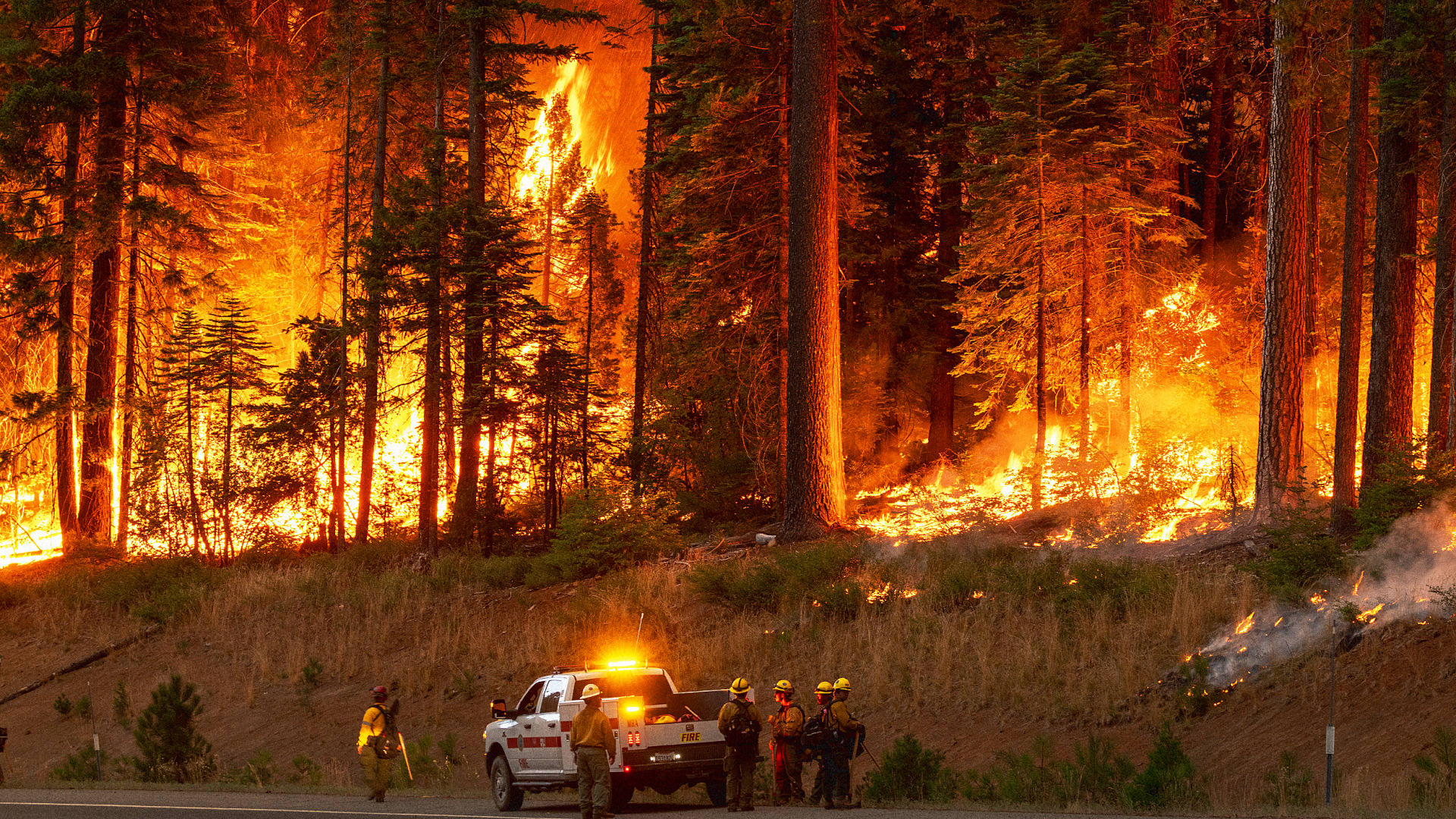
Wildfires are a natural part of the California ecosystem, but their intensity and frequency have been exacerbated by climate change, drought conditions, and human activity. The narrative of wildfires in California is complex, involving not just the immediate danger but also the long-term effects on landscapes, air quality, and tourism.
The Seasonal Nature of California Wildfires
While wildfires can occur year-round in California, the risk is significantly heightened during the dry, hot months. Typically, the wildfire season begins in late spring and intensifies through the summer and into the fall. This period sees vegetation become tinder-dry, creating ideal conditions for fires to ignite and spread rapidly. However, an unusually wet winter followed by a prolonged dry spell can also extend the fire season or create conditions for fires to flare up unexpectedly.
The recent trend has seen fire seasons becoming longer and more severe. Factors such as prolonged drought, increased fuel loads from overgrown vegetation, and higher temperatures contribute to this phenomenon. Understanding these seasonal patterns is crucial for planning any travel to California. For instance, a trip planned for late summer or early fall might coincide with peak fire activity in certain regions, necessitating a check of current conditions. Conversely, a visit during the wetter winter months might offer a respite from fire concerns, though other weather-related travel considerations come into play.
Impact on Travel and Tourism
The impact of wildfires on travel and tourism in California can be substantial. Smoke plumes from distant fires can travel hundreds of miles, severely degrading air quality in popular tourist destinations even if the fires themselves are not immediately threatening those locations. This can lead to cancelled outdoor activities, poor visibility for scenic drives and hikes, and a general discomfort for visitors.
Major attractions, national parks, and entire regions can face temporary closures due to active fires or the threat of their spread. For example, during intense fire seasons, access to iconic areas like Yosemite National Park or parts of the Sierra Nevada might be restricted. Similarly, smoke can affect the experience of visiting cities like Los Angeles or San Francisco, transforming normally clear skies into hazy, orange-tinged vistas.
- Air Quality Alerts: Travelers should always monitor air quality indices (AQI) for their intended destinations. Apps and websites dedicated to real-time AQI data can provide crucial information about respiratory health risks.
- Road Closures and Evacuations: Active fires can lead to sudden road closures, especially on major highways. Evacuation orders for affected communities can also impact travel routes and accommodation availability. It is essential to stay updated with local news and emergency service announcements.
- Accommodation and Activity Disruptions: Hotels and resorts in or near fire-affected areas may experience cancellations or reduced bookings. Guided tours, outdoor adventures, and cultural events might be cancelled or rescheduled.
Despite these challenges, California‘s tourism industry is resilient. Many areas remain unaffected by wildfires, and the state offers a vast array of experiences that can be enjoyed regardless of regional fire activity. The key lies in flexible planning and staying informed.
Current Wildfire Status and Information Resources
Staying informed about the current wildfire situation in California is paramount for safe and enjoyable travel. The state is vast, and fire activity can be highly localized. What might be a concern in one region may have no impact on another.
Monitoring Active Fires and Conditions
The most critical step for anyone planning a trip to California is to consult reliable sources for real-time information on wildfires. These resources provide data on active fires, their containment status, evacuation orders, and potential smoke impacts.

- Cal Fire: The California Department of Forestry and Fire Protection, known as Cal Fire, is the primary agency responsible for wildfire suppression and prevention in the state. Their website (https://www.fire.ca.gov/) is an invaluable resource, offering detailed maps of active incidents, incident reports, and evacuation information. They also provide safety tips and information on fire prevention.
- InciWeb: For incidents managed by federal agencies like the U.S. Forest Service, the InciWeb system (https://inciweb.nwcg.gov/) provides comprehensive information on large wildfires, including maps, photos, and updates from incident management teams.
- Local News and Emergency Services: Local news outlets in California are excellent sources for hyper-local updates on fire activity, road closures, and emergency alerts. Following official social media accounts of local sheriff’s departments and emergency management agencies can also provide timely notifications.
- Air Quality Monitoring: Websites and apps like AirNow.gov or PurpleAir provide real-time air quality data, showing where smoke is impacting visibility and posing health risks. This information is crucial for deciding whether to proceed with outdoor plans.
Planning Your Trip with Wildfire Awareness
When planning your California itinerary, especially during the peak fire season, flexibility and backup plans are essential.
- Choose Your Destination Wisely: Consider regions that are historically less prone to fires or that are currently not experiencing significant activity. For example, the Southern California coast might be less affected by inland forest fires than inland mountainous areas.
- Book Flexible Accommodation: If you are booking hotels or resorts, look for options with flexible cancellation policies. This will provide peace of mind should your travel plans need to change due to wildfire events. Websites that offer accommodation comparison tools can help you find these options.
- Inquire About Local Conditions: Before booking activities or tours, contact the operators directly to inquire about any potential impacts from wildfires. They will have the most up-to-date information for their specific area.
- Pack Accordingly: For areas with potential smoke, consider packing N95 masks to protect your respiratory system. Having a reliable portable air purifier for your hotel room can also enhance comfort.
- Stay Updated Throughout Your Trip: Even after arriving in California, it is wise to continue monitoring wildfire and air quality information daily. Conditions can change rapidly.
Exploring California’s Attractions Safely
The allure of California extends far beyond its natural landscapes. From the iconic landmarks of Los Angeles to the wine regions of Napa Valley and the historic charm of San Francisco, the state offers a diverse range of experiences. The presence of wildfires does not diminish these offerings, but it does require a mindful approach to exploration.
Coastal Wonders and Urban Escapes
The California coast, with its dramatic cliffs, sandy beaches, and charming seaside towns, often remains less impacted by inland wildfires. Destinations like San Diego, with its famous zoo and beaches, or the scenic drives along the Pacific Coast Highway can offer incredible experiences.
- Southern California Beaches: Santa Monica, Malibu, and Huntington Beach provide classic California beach town vibes, often with clear skies even when inland areas are affected by smoke.
- Theme Parks: Disneyland and Universal Studios Hollywood in Southern California are typically well-prepared for various weather conditions and offer indoor attractions that provide a reprieve from any outdoor air quality concerns.
- Cultural Hubs: Cities like Los Angeles offer a wealth of indoor activities, including world-class museums such as The Getty Center, renowned theaters, and diverse culinary scenes, allowing visitors to immerse themselves in California‘s vibrant lifestyle even with hazy skies.
National Parks and Natural Landmarks
California is home to some of the most breathtaking natural wonders in the world, including national parks that are often at the forefront of wildfire impacts.
- Yosemite National Park: While renowned for its granite cliffs and giant sequoias, Yosemite can experience closures due to fires in or around the park. Visitors should always check the official National Park Service website for Yosemite before their trip and during their stay.
- Death Valley National Park: Known for its extreme temperatures, Death Valley is in a desert environment, making it less susceptible to the types of fuel-driven wildfires seen in forested areas. However, dust storms and extreme heat are more common concerns.
- Redwood National and State Parks: The majestic ancient redwood forests in Northern California are a truly unforgettable sight. While fires can occur, these coastal parks are often less affected than inland forests.
- The Sierra Nevada: This vast mountain range, home to many national forests and wilderness areas, is a frequent location for significant wildfires. Planning for this region requires particularly diligent monitoring of fire conditions.
Food, Culture, and Local Experiences
California‘s rich tapestry of local culture, culinary delights, and unique experiences can still be savored.
- Wine Country: Regions like Napa Valley and Sonoma County, famous for their vineyards and wineries, can be affected by smoke impacting the grape harvest or the ambiance for wine tasting. However, many wineries are well-equipped to offer indoor tasting experiences, and the beautiful scenery remains a draw.
- Foodie Destinations: From the farm-to-table movement in San Francisco to the diverse ethnic cuisines of Los Angeles, California is a culinary paradise. Restaurants and indoor markets offer fantastic opportunities to explore the local food scene, often unaffected by outdoor conditions.
- Historical Sites and Architecture: Exploring California‘s rich history through its missions, historic theaters, and architectural landmarks provides enriching experiences that are largely independent of external weather or fire conditions. Cities like San Francisco boast iconic architectural marvels such as the Golden Gate Bridge and the historic cable cars.
Ultimately, California remains a premier travel destination, offering unparalleled beauty, diverse attractions, and unforgettable experiences. By staying informed about wildfire situations and planning with flexibility and awareness, travelers can continue to enjoy all that the Golden State has to offer, safely and responsibly. The spirit of California is resilient, and its ability to overcome challenges, including wildfires, is a testament to its enduring appeal.
LifeOutOfTheBox is a participant in the Amazon Services LLC Associates Program, an affiliate advertising program designed to provide a means for sites to earn advertising fees by advertising and linking to Amazon.com. Amazon, the Amazon logo, AmazonSupply, and the AmazonSupply logo are trademarks of Amazon.com, Inc. or its affiliates. As an Amazon Associate we earn affiliate commissions from qualifying purchases.