
Navigating the world of real estate transactions can often feel like exploring an unfamiliar city without a map. For those considering property ownership or investment in the Golden State, understanding the legal documents involved is crucial. Among these, the grant deed plays a significant role in the transfer of property ownership in California. While this article title might seem far removed from the typical travel and lifestyle content you find on our website, the principles of understanding contracts, ownership, and rights are surprisingly transferable, much like understanding local customs can enhance your travel experiences or discerning hotel amenities can elevate your stay.

For those of us who frequently explore new destinations, book accommodations, or delve into local tourism, we understand the importance of clear agreements and defined terms. Whether it’s a hotel booking confirmation, a tour itinerary, or even a rental agreement for a vacation villa, clarity is paramount. Similarly, in real estate, a grant deed serves as a cornerstone document, outlining the transfer of property and the promises made by the seller (the grantor) to the buyer (the grantee).
This exploration into the grant deed in California will illuminate its function, its legal implications, and how it differs from other forms of deeds, providing a foundational understanding for anyone embarking on a property journey within the state. Think of it as understanding the “terms and conditions” of your property acquisition, much like you’d scrutinize the cancellation policy for your dream vacation or the specific inclusions in your luxury resort package.
Understanding the Grant Deed: A Foundation for Property Transfer
At its core, a grant deed is a legal document used in California to transfer ownership of real property from one party to another. It’s one of the most common ways to convey title, especially in residential real estate transactions. The term “grant” itself implies the act of giving or transferring something, and in this context, it signifies the grantor’s act of conveying their interest in the property to the grantee.
Unlike some other jurisdictions or deed types that might require more complex legal frameworks, the grant deed in California is relatively straightforward. It carries specific implied warranties, which are promises that the law presumes are part of the agreement, even if not explicitly written out. These implied warranties are key to understanding the protections offered to the buyer.
Implied Warranties within a California Grant Deed
The significance of a grant deed lies in the two primary implied warranties it provides to the grantee (the buyer):
-
Warranty of Title: The grantor warrants that they have not previously conveyed the title to the same property to another person. This means the grantor is assuring the buyer that they are the rightful owner and have not sold this property to anyone else before. This is a fundamental assurance, preventing the buyer from unknowingly purchasing a property that is already encumbered or has conflicting ownership claims. Imagine booking a guided tour of a historical landmark; the tour operator implicitly guarantees they have the right to conduct that tour and you won’t be turned away.
-
Warranty Against Encumbrances: The grantor also warrants that the property is free from any encumbrances (liens, charges, or other claims against the property) that have been placed upon it by the grantor during their ownership. However, this warranty does not cover encumbrances that were placed on the property by previous owners or those that are publicly recorded and known. This is a crucial distinction. The grantor is essentially saying, “During my time as owner, I haven’t done anything to create new burdens on this property, and I’m transferring it to you free of any issues I have caused.” This is akin to a hotel assuring you that their advertised amenities, like a swimming pool or spa, are operational and included in your booking, not that the entire city’s infrastructure is perfect.
These implied warranties are what distinguish a grant deed from a quitclaim deed, which offers no such assurances. When you receive a grant deed, you have a level of legal assurance regarding the grantor’s actions and the property’s title history during their ownership period. This provides a greater sense of security for the buyer, much like reading verified reviews before booking a resort or selecting an apartment for a longer stay.
Grant Deed vs. Other Deed Types in California
To truly appreciate the role of a grant deed, it’s helpful to compare it with other common types of deeds used in real estate. This comparative analysis will highlight its unique position and suitability for various transaction types, whether it’s a straightforward sale of a family home or a more complex investment.
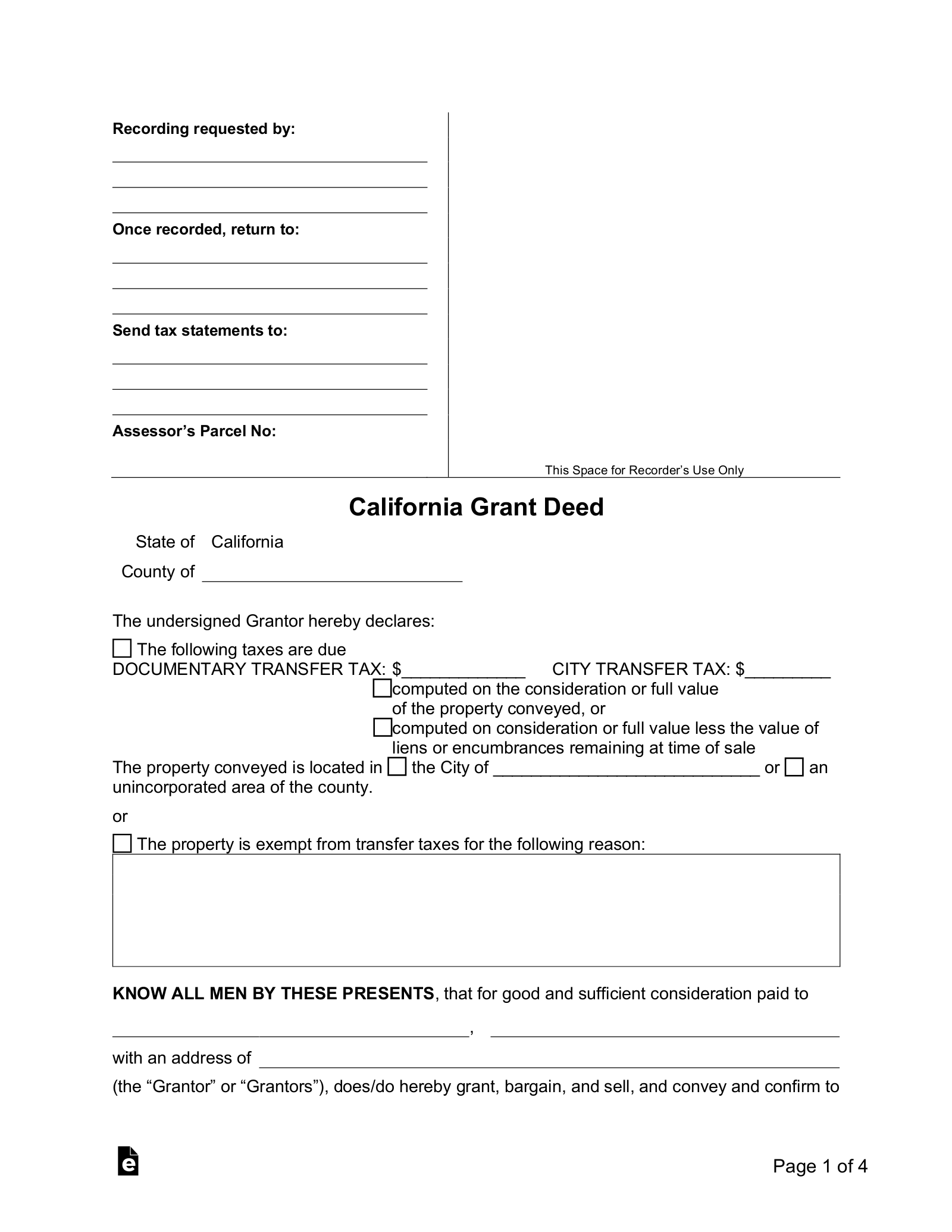
The Grant Deed’s Place Amongst Other Deeds
While the grant deed is prevalent, California recognizes other forms of deeds, each serving different purposes and offering varying levels of protection to the buyer. Understanding these distinctions can be as vital as knowing the best time to visit a popular attraction to avoid crowds or choosing the right type of accommodation for a family trip.
-
Warranty Deed: This type of deed offers the most comprehensive protection to the buyer. It not only includes the implied warranties of a grant deed but also explicit guarantees from the grantor that they have good title to the property and will defend the buyer against any future claims to the title, even those arising from past owners. This is often used in transactions where the buyer desires the highest level of security, such as purchasing a luxury villa or a significant commercial property.
-
Quitclaim Deed: In contrast to a grant deed, a quitclaim deed conveys whatever interest the grantor has in the property, if any, without making any promises or warranties about the title. The grantor essentially “quits” any claim they might have to the property and transfers that to the grantee. This type of deed is often used in situations like transferring property between family members, adding or removing a spouse from a title, or clearing up potential title defects. It’s a very basic transfer of ownership, offering no assurances, much like accepting a travel itinerary with a disclaimer about potential last-minute changes.
-
Deed of Trust: This is not a deed that transfers ownership directly to a buyer but rather a document used in financed real estate transactions. It involves three parties: the borrower (trustor), the lender (beneficiary), and a neutral third party (trustee). The borrower transfers legal title to the trustee, who holds it until the loan is repaid. If the borrower defaults, the trustee can sell the property to repay the lender. This is a crucial document for obtaining a mortgage, similar to how a booking platform facilitates securing your accommodation.
The grant deed strikes a balance between the robust protection of a warranty deed and the minimal assurance of a quitclaim deed. It is widely used because it provides a reasonable level of protection to the buyer while generally being simpler and less costly to prepare than a full warranty deed. For many everyday property transactions, it’s the ideal choice, ensuring clarity and a degree of legal recourse if issues arise during the grantor’s ownership period.
The Practicalities of Using a Grant Deed
Once you understand what a grant deed is and its inherent warranties, the next logical step is to consider its practical application in real estate dealings. This includes the process of its execution, recording, and the importance of due diligence, even when a grant deed is involved. These aspects are akin to understanding the booking process for a unique travel experience or the specific requirements for entering a historical site.

Executing, Recording, and Due Diligence
The process of using a grant deed involves several key steps to ensure a valid and enforceable transfer of property ownership.
-
Execution: The grant deed must be properly executed. This typically involves the grantor signing the document in the presence of a notary public. The notary verifies the grantor’s identity and witnesses their signature. This step ensures the authenticity of the document and prevents fraud.
-
Recording: After execution, the grant deed must be recorded with the county recorder’s office in the county where the property is located. Recording the deed serves as public notice that ownership of the property has been transferred. This is crucial for establishing the grantee’s rights against subsequent claims or purchasers of the property. Think of it as officially registering your travel itinerary to ensure all bookings are confirmed and acknowledged by relevant parties.
-
Due Diligence: Even with the implied warranties of a grant deed, it is always advisable for the buyer to conduct thorough due diligence. This includes obtaining a preliminary title report from a title insurance company. A title report will uncover any existing liens, encumbrances, easements, or other issues that affect the property’s title, including those that may not be covered by the grantor’s warranties. Conducting a property inspection is also vital to identify any physical defects or needed repairs, much like inspecting a hotel room or villa upon arrival to ensure everything is as advertised.
-
Title Insurance: Purchasing owner’s title insurance is highly recommended. This insurance policy protects the buyer against financial loss resulting from defects in the title that were not discovered or disclosed at the time of purchase. It provides a layer of financial security, safeguarding your investment against unforeseen title disputes, similar to having travel insurance for unexpected events.
In essence, the grant deed provides a foundational legal framework for property transfer in California. It offers important assurances from the seller, but it is not a substitute for careful investigation and protective measures by the buyer. Understanding these practicalities ensures a smoother and more secure property transaction, much like planning your itinerary meticulously for a memorable trip to a place like San Francisco or a relaxing stay at a resort in Napa Valley. By mastering the intricacies of property transfer, you can confidently embark on your real estate journey, just as you would confidently explore a new destination, armed with local knowledge and a well-planned adventure.
LifeOutOfTheBox is a participant in the Amazon Services LLC Associates Program, an affiliate advertising program designed to provide a means for sites to earn advertising fees by advertising and linking to Amazon.com. Amazon, the Amazon logo, AmazonSupply, and the AmazonSupply logo are trademarks of Amazon.com, Inc. or its affiliates. As an Amazon Associate we earn affiliate commissions from qualifying purchases.