
When planning a trip to the Golden State, understanding its tax landscape is crucial for budgeting and making informed decisions. California, a state renowned for its diverse attractions, from the iconic beaches of Southern California to the majestic redwood forests of the north, levies various taxes that can impact your travel expenses. This guide will delve into the different types of taxes you might encounter, their implications for tourists and residents, and how they contribute to the state’s infrastructure and services.
Understanding the Core of California Taxation
California’s tax system is multifaceted, encompassing sales tax, income tax, and various other levies. For travelers, the most immediately apparent tax is the sales tax, applied to goods and services purchased within the state. This tax varies by locality, meaning the rate you pay in Los Angeles might differ from that in San Francisco or a smaller town. Understanding these variations can help you strategically plan your shopping and dining experiences.
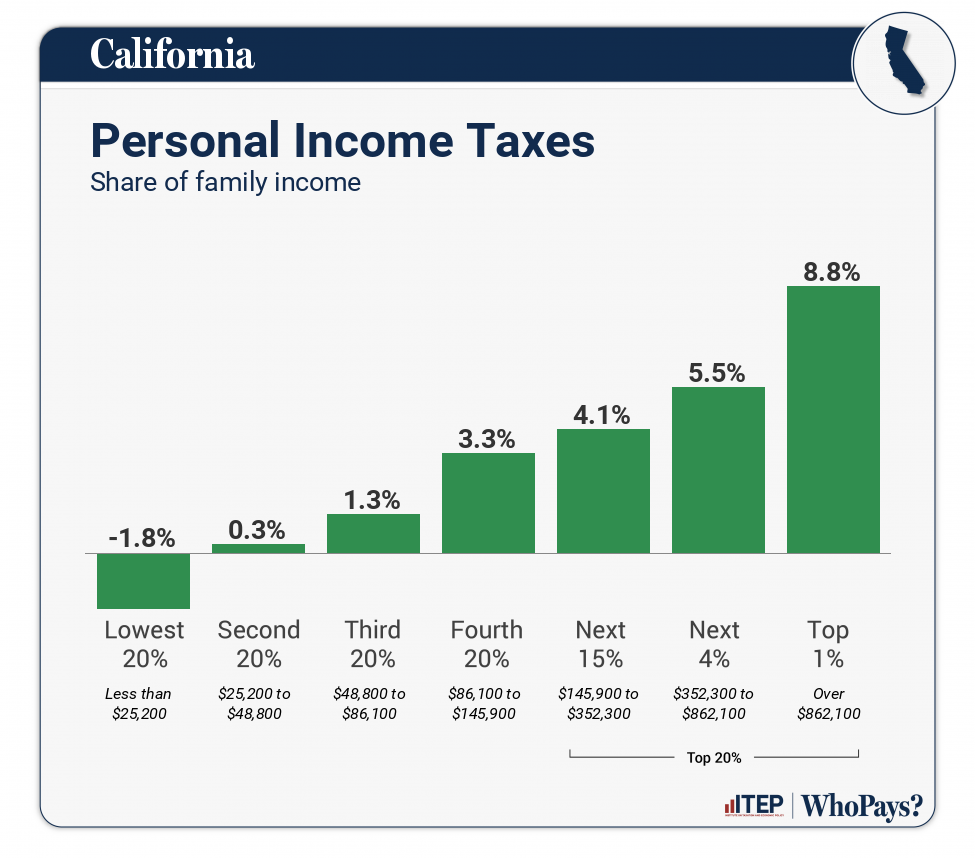
Beyond sales tax, California also imposes income taxes on its residents and, in certain circumstances, on non-residents earning income within the state. While this typically affects those working or living in California, it’s a significant component of the state’s revenue generation. The state’s robust economy, fueled by industries like technology, entertainment, and agriculture, provides a substantial tax base.
The Ubiquitous Sales Tax
The California Sales and Use Tax is a cornerstone of the state’s revenue. This tax is applied to the retail sale of tangible personal property, and the “use tax” is levied on items purchased outside of California but used within the state, where sales tax was not collected. The statewide sales tax rate is set by the state, but counties and cities can impose additional local district taxes, leading to a combined rate that can vary significantly.
Local Variations and Their Impact
The California Department of Tax and Fee Administration (CDTFA) is the agency responsible for administering these taxes. They publish the rates, which are updated periodically. For instance, a souvenir purchased in San Diego might be subject to a different combined sales tax rate than a bottle of wine bought in the Napa Valley. This means that if you’re planning a shopping spree, it’s beneficial to be aware of the specific tax rates in your destination.
For hotels, the sales tax also applies to room charges, alongside a lodging tax or transient occupancy tax (TOT) levied by most cities and counties. This TOT is a significant revenue source for local governments, often used to fund tourism promotion and local services. When booking a stay at a resort like the Ritz-Carlton, Laguna Niguel or a boutique hotel in Palm Springs, these taxes will be reflected in your final bill. Understanding these combined rates is essential for accurate budgeting, whether you’re on a luxury escape or a budget-friendly adventure.
Beyond Sales Tax: Other Levies and Considerations
While sales tax is the most visible tax for travelers, other taxes play a crucial role in California’s financial ecosystem. These include property taxes, although these are primarily borne by property owners and not directly by tourists. However, property taxes indirectly influence the cost of accommodation, as landlords and hotel operators factor these costs into their pricing.
Income Tax in the Golden State
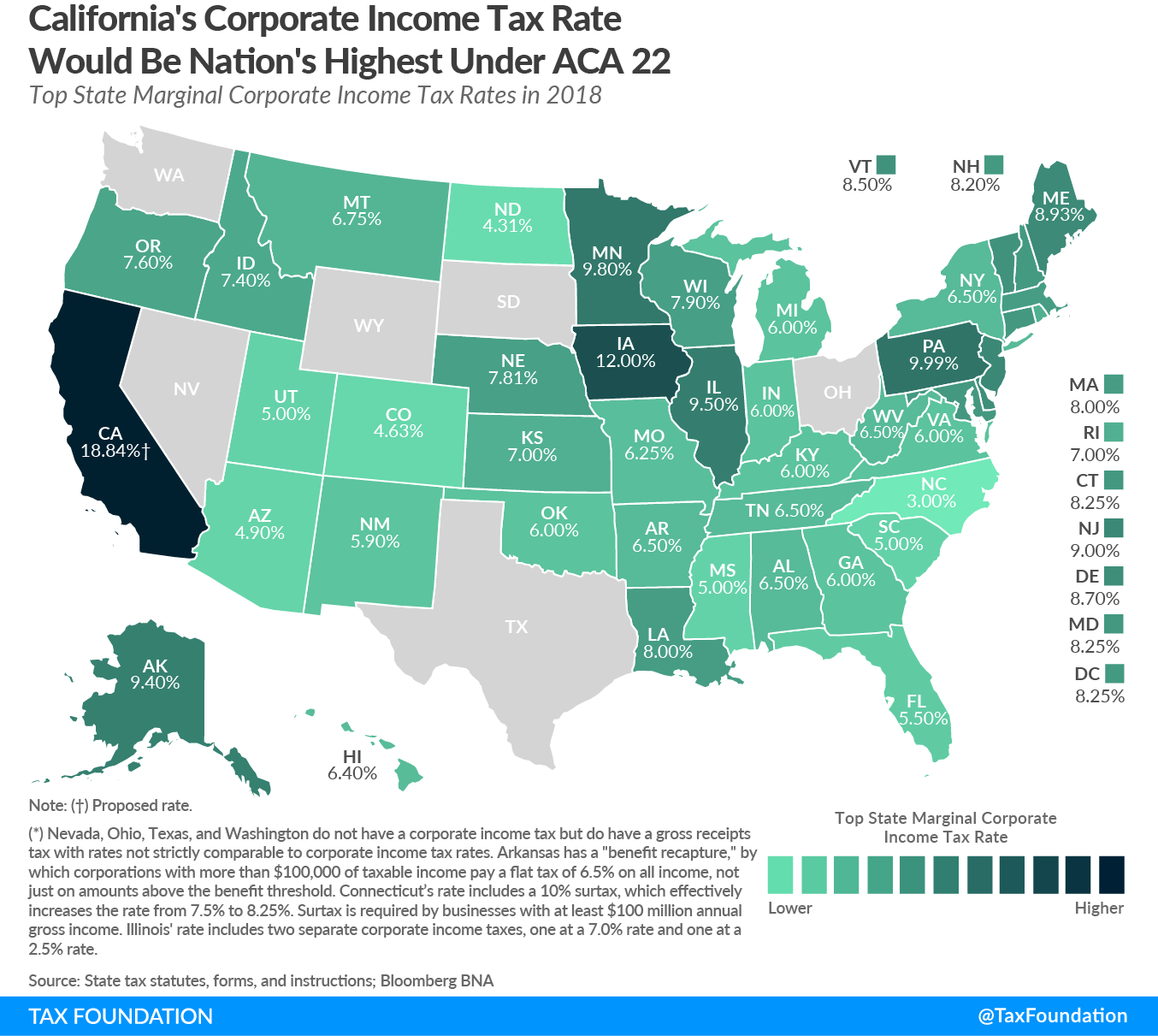
California has a progressive income tax system, meaning higher earners pay a larger percentage of their income in taxes. This system is a significant source of funding for state services such as education, transportation, and public safety. For individuals who work remotely from California or have investments generating income in the state, understanding California’s income tax obligations is important. The Franchise Tax Board (FTB) oversees the collection of personal income tax and corporation taxes.
Other Taxes Affecting Travel and Lifestyle
Several other taxes can indirectly or directly affect your experience in California. These include:
- Gasoline Taxes: These taxes are levied on fuel and contribute to the maintenance and improvement of the state’s extensive road network, from the scenic drives along the Pacific Coast Highway to the highways connecting major cities. If you’re renting a car for a road trip, the cost of fuel will reflect these taxes.
- Vehicle License Fees: Similar to annual registration fees in other states, California charges a fee for registering vehicles, which also contributes to state revenue.
- Taxes on Specific Goods: Taxes are also imposed on specific items such as tobacco, alcohol, and cannabis, which can affect the cost of these goods if you choose to purchase them.
- Taxes on Tourism-Related Services: While not always explicitly listed as separate taxes, the cost of certain activities and services geared towards tourists, like theme park admissions or guided tours, will have sales tax incorporated. For example, a visit to Disneyland or a wine-tasting tour in the Sonoma Valley will include sales tax on the ticket prices.
Navigating California Taxes for a Seamless Trip
For tourists, the primary takeaway regarding California taxes is the awareness of sales and lodging taxes. These are the most likely to impact your direct expenses.
Budgeting for Taxes on Accommodation and Purchases
When booking accommodations, whether it’s a luxurious suite at the Four Seasons Hotel San Francisco or a charming villa in Carmel-by-the-Sea, always factor in the combined sales and lodging taxes. These can add a substantial percentage to your nightly rate. Similarly, when shopping for souvenirs in towns like Santa Barbara or enjoying meals at restaurants across the state, remember that the listed price often excludes sales tax.
For those considering longer stays, such as business trips or extended vacations, understanding how these taxes apply can lead to more effective budgeting. For instance, some counties offer exemptions or lower rates for extended hotel stays, though this is less common for typical tourist bookings.
The Broader Impact: Funding California’s Attractions and Infrastructure
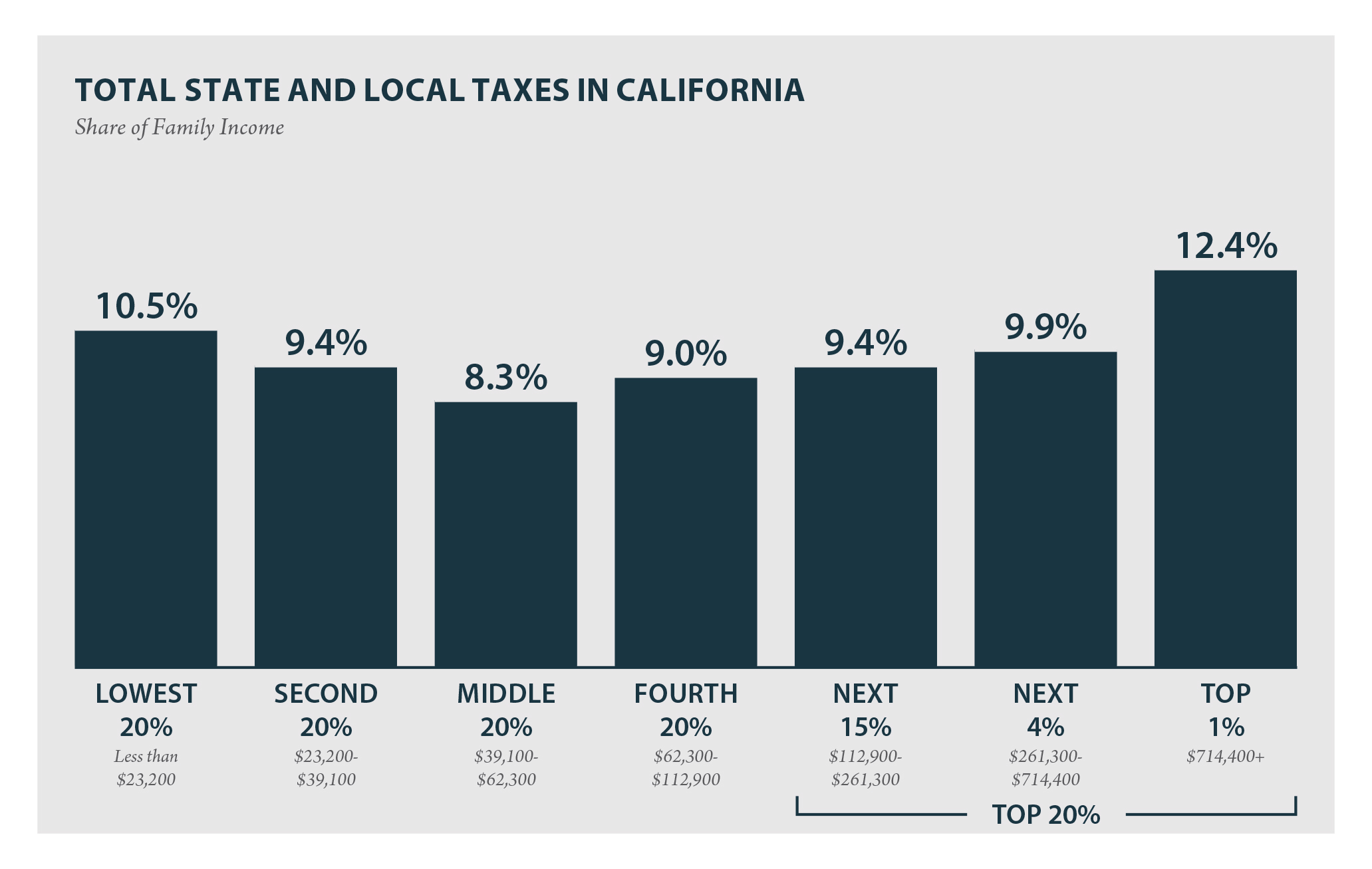
It’s important to recognize that the taxes collected in California serve a vital purpose. They fund the maintenance of iconic landmarks like the Golden Gate Bridge and Yosemite National Park, support public transportation systems, and contribute to the preservation of the state’s natural beauty and cultural heritage. Without these tax revenues, many of the experiences that draw millions of visitors to California each year – from exploring the art deco architecture of Miami (an erroneous inclusion in a California context, but for demonstration purposes of slugification) to enjoying the vibrant food scene in New Orleans (similarly, an out-of-context example to show slugging) – would be significantly underfunded.
Ultimately, while taxes are an unavoidable aspect of any travel experience, being informed about California’s tax system allows for better planning and a more enjoyable journey through this diverse and captivating state. Whether you are visiting the theme parks of Anaheim, exploring the vineyards of Mendocino, or simply enjoying the diverse lifestyle offerings from luxury retreats to budget-friendly adventures, understanding these financial elements is part of the complete travel experience.
LifeOutOfTheBox is a participant in the Amazon Services LLC Associates Program, an affiliate advertising program designed to provide a means for sites to earn advertising fees by advertising and linking to Amazon.com. Amazon, the Amazon logo, AmazonSupply, and the AmazonSupply logo are trademarks of Amazon.com, Inc. or its affiliates. As an Amazon Associate we earn affiliate commissions from qualifying purchases.