
The allure of the California sushi roll extends far beyond its vibrant name. Often the gateway sushi for many Western diners, this popular roll offers a delightful and approachable introduction to the world of Japanese cuisine. Unlike traditional sushi, which typically features raw fish, the California roll is a testament to culinary fusion, creatively blending ingredients to create a flavor profile that is both familiar and exotic. Its origin story, though debated, is firmly rooted in the culinary landscape of California, a state renowned for its innovative spirit and diverse food scene. This article delves into the core components of a California sushi roll, exploring its typical ingredients, variations, and its significant place in global food culture, particularly from the perspective of travel, tourism, and lifestyle.

The Anatomy of a California Sushi Roll: Core Ingredients and Construction
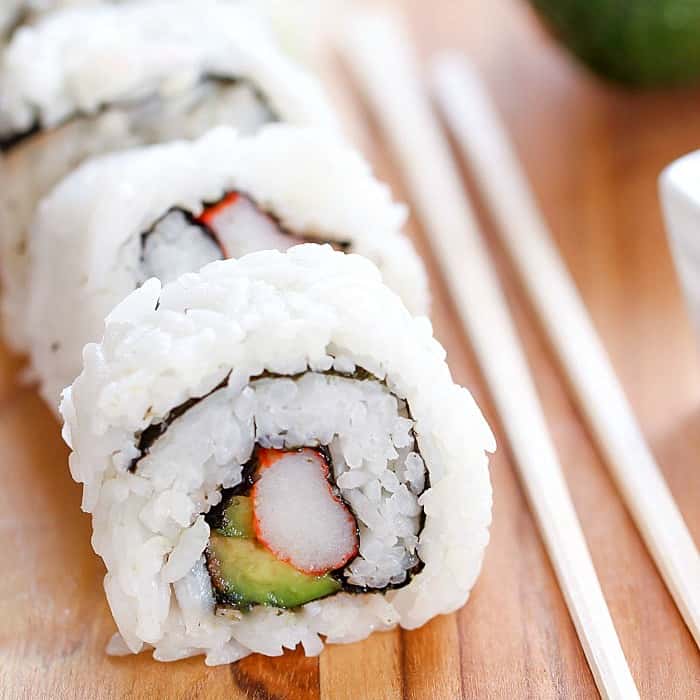
At its heart, a California sushi roll is a “maki” sushi, meaning it’s rolled. The defining characteristic is that the rice is on the outside, a style known as “uramaki” or inside-out roll. This presentation not only makes the roll visually appealing but also offers a different textural experience.
The Foundation: Rice and Nori
The foundation of any sushi roll, including the California roll, is seasoned sushi rice. This short-grain Japanese rice is cooked to perfection and then mixed with a blend of rice vinegar, sugar, and salt. This seasoning is crucial, providing the rice with its characteristic slightly sweet and tangy flavor, which perfectly complements the other ingredients.
Wrapped around the rice and fillings is a sheet of nori, a dried seaweed. While some California rolls might have the nori tucked inside the rice, the classic uramaki presentation places the nori layer between the rice and the fillings. Nori adds a subtle oceanic flavor and a satisfying chewiness to the roll.
The Signature Fillings: A Symphony of Flavors and Textures
What truly sets the California sushi roll apart are its signature fillings. These are chosen for their complementary flavors, textures, and often, their appeal to palates less accustomed to raw seafood.
-
Avocado: This creamy, buttery fruit is arguably the star of the California roll. Its smooth texture and mild, slightly nutty flavor provide a luxurious mouthfeel that balances the other ingredients. The vibrant green of the avocado also adds to the roll’s visual appeal. Its widespread availability and popularity in California likely contributed to its inclusion in this iconic roll.
-
Crab or Imitation Crab: Traditionally, this roll was conceived to feature crab meat. However, due to cost and availability, imitation crab (surimi) has become a very common substitute. Surimi is made from white fish that is processed and flavored to mimic crab. It offers a slightly sweet, flaky texture that is pleasing to most diners. Whether real crab or imitation, its presence provides a savory seafood note that is unmistakably present in a California roll.
-
Cucumber: Thinly sliced cucumber provides a refreshing crunch and a watery, slightly vegetal flavor. This crispness offers a welcome contrast to the creaminess of the avocado and the softness of the crab. The cucumber’s subtle taste does not overpower the other components, making it an ideal textural and flavor enhancer.
These three ingredients – avocado, crab, and cucumber – form the quintessential trio of a California sushi roll. The combination creates a harmonious balance: the creaminess of avocado, the savory-sweetness of crab, and the crisp freshness of cucumber.
The Exterior Flourishes: Sesame Seeds and Roe
The “inside-out” nature of the uramaki style means that the outer layer of rice is often coated with toasted sesame seeds. These seeds add a nutty aroma and a delightful crunch. They also contribute to the visual appeal, giving the roll a speckled, textured appearance.
Sometimes, you’ll find a California roll further enhanced with tobiko (flying fish roe) or masago (capelin roe). These small, brightly colored eggs are sprinkled on the outside of the rice, adding a pop of color, a salty burst, and a delicate pop. The roe offers a subtle oceanic brininess that further elevates the roll.
Variations and Cultural Adaptations: A Global Phenomenon
The California sushi roll has transcended its origins, becoming a beloved item on sushi menus worldwide. Its success has led to numerous creative interpretations and adaptations, reflecting local tastes and culinary innovations. From the bustling streets of Tokyo to the beachside resorts of Bali, the California roll, in one form or another, has found a place in the global culinary tapestry.
Beyond the Classic: Exploring Popular Variations

While the classic combination of avocado, crab, and cucumber is the benchmark, many restaurants and home cooks have put their own spin on the California roll. These variations often introduce new flavors and textures, catering to diverse preferences.
-
Spicy California Roll: This popular variation incorporates a spicy mayonnaise-based sauce, adding a kick of heat to the traditional mix. The mayonnaise binds the ingredients together and provides a creamy, spicy dressing. It’s a simple yet effective way to transform the mild flavors of the original into something more exciting for those who enjoy a bit of spice.
-
Philadelphia Roll Fusion: Although not strictly a California roll, the Philadelphia roll shares a similar uramaki construction and often includes cream cheese. Sometimes, a “California-Philly” hybrid might appear, blending the creamy richness of cream cheese with the classic California ingredients. This fusion highlights how sushi can be adapted to incorporate popular ingredients from different culinary traditions.
-
California Roll with Shrimp or Salmon: For those who prefer a more pronounced seafood flavor or a touch of raw fish, variations incorporating cooked shrimp or even thinly sliced raw salmon are not uncommon. These additions can introduce different textures and richer umami notes to the roll.
-
Vegetarian California Roll: For vegetarians, the crab component is typically omitted or replaced with plant-based alternatives. Tofu, tempura-fried vegetables, or even a medley of seasoned mushrooms can be used to provide substance and flavor, making the roll accessible to a wider audience.
The California Roll’s Journey: From Local Specialty to International Staple
The exact origin of the California roll is a subject of much debate, with several sushi chefs in Los Angeles and San Francisco laying claim to its invention in the 1960s or 1970s. Regardless of who first rolled it, its popularity soared in California before making its way across the United States and then the globe.
Its success can be attributed to several factors:
- Approachability: The use of cooked imitation crab, creamy avocado, and no raw fish made it an easy entry point for those hesitant about traditional sushi.
- Familiar Flavors: Avocado, in particular, was a relatively new ingredient in many American kitchens at the time, and its mild, agreeable taste appealed to a broad audience.
- Innovative Presentation: The uramaki style, with rice on the outside, was a novel concept that looked appealing and felt less intimidating than nigiri or maki with nori on the outside.
As tourists and travelers explored California, they encountered the California roll and brought their newfound appreciation back home. This dissemination, amplified by the growth of Japanese restaurants worldwide, cemented its status as a global sushi icon. Today, you can find California rolls on menus from high-end restaurants in New York to casual eateries in Sydney.
Experiencing the California Roll: Culinary Tourism and Lifestyle Choices
The California sushi roll is more than just a dish; it’s often an experience tied to travel, lifestyle, and the exploration of local culture. Whether you’re savoring one at a renowned sushi bar in Beverly Hills or enjoying a picnic with a takeaway box on a beach in San Diego, the California roll offers a taste of the Golden State’s culinary innovation.
Culinary Exploration and Travel Guides
When traveling to California, seeking out authentic culinary experiences is a must for many tourists. The California roll, though now a global phenomenon, holds a special significance in its home state. Food tours in Los Angeles or San Francisco often include stops at historic sushi restaurants where you can sample versions of the roll that might be closer to its original conception. These guides offer insights into the history and evolution of Californian cuisine, with the California roll often taking center stage.
Many travelers choose to stay in hotels that offer easy access to renowned dining districts. For instance, staying in a luxury resort in Santa Barbara might place you within reach of celebrated sushi establishments, allowing you to compare different interpretations of this beloved roll. Accommodation options range from boutique hotels in Malibu to family-friendly resorts in Anaheim, each offering a unique base for exploring the local food scene.
Lifestyle Choices and Dining Trends
The California sushi roll fits seamlessly into various lifestyle choices. For those seeking budget-friendly travel, it’s an accessible and satisfying meal option found in many casual eateries. For families on vacation, its mild flavors and appealing presentation make it a safe bet for picky eaters. Business travelers might find it a convenient and delicious option for a quick lunch or dinner, especially in urban centers like San Francisco.
The rise of health-conscious eating has also seen the California roll adapted. While the avocado and cucumber are inherently healthy, chefs are increasingly offering brown rice options, adding more vegetables, or reducing the use of imitation crab to cater to this trend. This adaptability reinforces its enduring appeal.
Furthermore, the California roll embodies a certain Californian lifestyle – one that is often associated with fresh ingredients, vibrant flavors, and a relaxed, yet sophisticated, approach to food. It’s a dish that can be enjoyed at a formal dinner or as a casual bite while exploring the state’s iconic landmarks, such as the Golden Gate Bridge or Disneyland.
The California sushi roll, with its simple yet ingenious combination of ingredients, has carved a unique niche in the world of cuisine. From its humble beginnings in the kitchens of California to its status as a global culinary ambassador, it represents the power of culinary fusion and the universal appeal of delicious, well-crafted food. Whether you’re a seasoned sushi aficionado or a curious newcomer, the California roll remains an essential and delightful experience, embodying the spirit of innovation and the joy of discovery in every bite.
LifeOutOfTheBox is a participant in the Amazon Services LLC Associates Program, an affiliate advertising program designed to provide a means for sites to earn advertising fees by advertising and linking to Amazon.com. Amazon, the Amazon logo, AmazonSupply, and the AmazonSupply logo are trademarks of Amazon.com, Inc. or its affiliates. As an Amazon Associate we earn affiliate commissions from qualifying purchases.