
While the allure of California often conjures images of sun-drenched beaches, world-renowned theme parks, and iconic landmarks, understanding the financial realities of property ownership in the Golden State is crucial. For many, including those considering a long-term stay, a significant investment in real estate, or even a vacation home, a primary concern revolves around property taxes. This guide delves into the intricacies of California’s property tax system, demystifying the rates, how they are calculated, and factors that can influence them.
The California property tax system is primarily governed by Proposition 13, a landmark ballot initiative passed in 1978. This proposition fundamentally changed how properties are assessed and taxed, introducing a cap on annual property tax increases. Understanding Proposition 13 is the cornerstone of grasping California property tax rates.
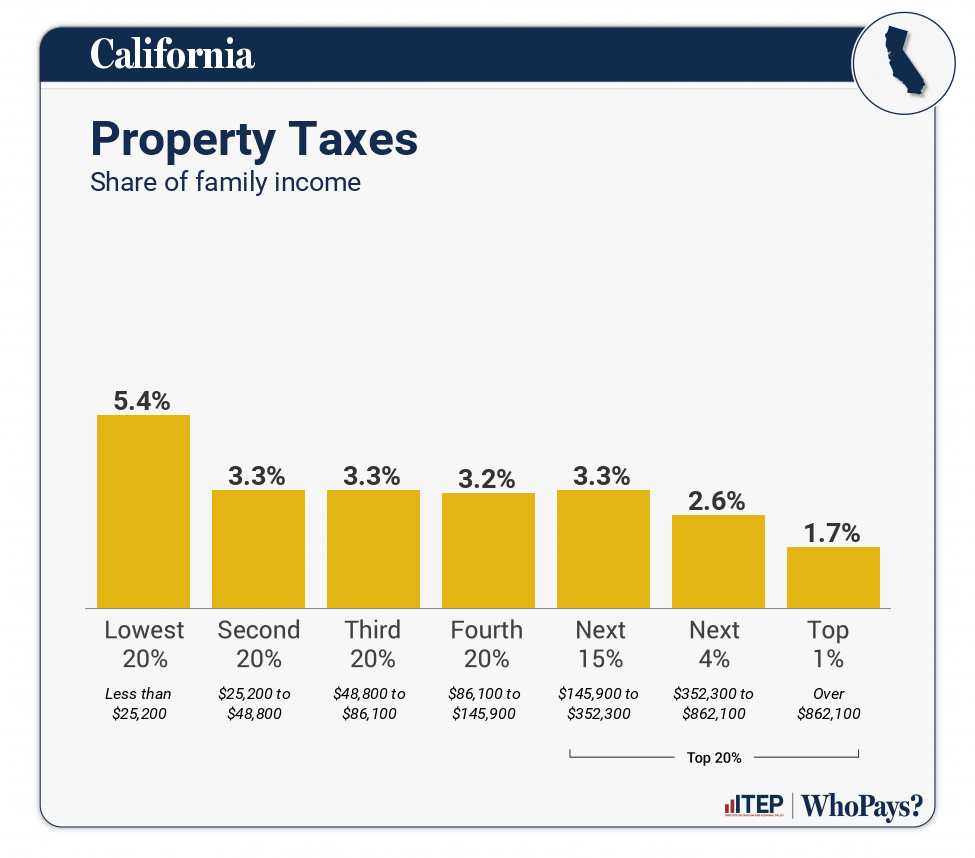
Understanding California’s Property Tax Framework
The Foundation: Proposition 13 and Assessed Value
At its core, Proposition 13 dictates that property taxes are calculated based on the property’s “assessed value.” This assessed value is not necessarily the current market value, but rather the original purchase price of the property, plus an annual inflation adjustment.
- Base Year Value: The original assessed value is established at the time of acquisition. This means that if you bought a property in Los Angeles in 1990 for $200,000, your base year value would be $200,000.
- Annual Inflation Adjustment: Each year, this base year value can be increased by a maximum of 2% to account for inflation. This is a crucial aspect that distinguishes California from many other states where property taxes are reassessed annually based on market fluctuations.
- Reassessment Upon Change of Ownership: The assessed value can be reset to the current market value if there is a “change of ownership.” This typically occurs when a property is sold to a new owner, inherited, or transferred in certain ways. However, there are specific exemptions, such as transfers between spouses or to children in many cases, that can prevent reassessment.
- Property Improvements: Significant improvements to a property, such as adding a new room or a swimming pool, can also trigger a reassessment of the portion of the value attributed to those improvements.
This system, while offering stability and predictability for long-term homeowners, can lead to disparities between older properties and newer ones in terms of their tax burden, even if they are located in the same neighborhood and have similar market values.
The Statewide Base Tax Rate: A Fixed Percentage
The statewide base property tax rate in California is set at 1% of the assessed value. This 1% rate applies to all properties and is the fundamental calculation for most property tax bills.
- Calculation Example: If your property’s assessed value (based on the principles of Proposition 13) is $500,000, the base property tax would be $500,000 * 1% = $5,000 per year.
This 1% rate is relatively low compared to national averages, which is a significant factor in California‘s appeal to property investors and residents. However, it’s essential to understand that this 1% is just the starting point.
Beyond the Base Rate: Special Assessments and Local Levies
While the 1% statewide rate is the bedrock of property taxation in California, the actual property tax bill can be higher due to various local levies and special assessments. These additional charges are used to fund specific local services and projects.
Special Districts and Bond Measures
Many local entities, such as school districts, water districts, fire protection districts, and redevelopment agencies, have the authority to levy special taxes or issue bonds that are repaid through property taxes. These are often approved by voters in specific geographic areas.
- School Bonds: For example, a local school district might pass a bond measure to fund the construction of new schools or improvements to existing facilities. Property owners within that district would then pay an additional amount on their property tax bill to service that debt.
- Mello-Roos Levies: In some newer developments, you might encounter “Mello-Roos” taxes. These are special assessments levied on property owners in a specific community facilities district to pay for public improvements and services like street lighting, landscaping, and security. These can be substantial and are often for a fixed period.
- Other Special Assessments: These can include assessments for street maintenance, flood control, or other localized services. The rate for these assessments varies significantly from one district to another.

These additional levies are crucial to consider when evaluating the total property tax burden in a specific area of California. While a property in San Francisco might have a similar base assessed value to a property in a rural county, the presence of numerous special districts and bond measures can result in a considerably higher overall tax bill in the more urbanized or amenity-rich areas.
The Impact on Total Tax Rates
When these special assessments and local levies are added to the 1% statewide rate, the effective property tax rate can range significantly. In many areas, especially those with extensive public services and infrastructure projects, the total property tax rate can reach 1.25% to 2% or even higher of the assessed value.
- Factors Influencing Local Levies: The specific needs of a community, the age of its infrastructure, the quality of its public services, and voter willingness to fund these initiatives all play a role in determining the extent of these additional taxes. For instance, a popular tourist destination like San Diego might have specific assessments to fund its tourism infrastructure and attractions, while a more residential community might focus on school funding.
It’s also important to note that the distribution of property tax revenue is complex. A portion of the property tax collected goes to the state, but the majority is allocated to local governments, school districts, and other special districts.
Navigating Property Tax Implications for Various Lifestyles
Understanding property tax rates is not just for prospective homeowners; it also impacts various aspects of travel, accommodation, and lifestyle choices in California.
For the Traveler and Tourist
While tourists typically don’t pay property taxes directly, the cost of accommodation and activities is indirectly influenced by them.
- Hotel and Resort Pricing: Hotels, resorts, and vacation rental owners factor property taxes into their operating costs. Higher property taxes in desirable tourist destinations like Napa Valley or near attractions like Disneyland can translate to higher nightly rates for travelers seeking to book a stay at a Hyatt Regency Huntington Beach Resort and Spa or a charming villa in Big Sur.
- Impact on Local Amenities: Property taxes fund local services that enhance the tourist experience. Well-maintained parks, clean beaches, and efficient public transportation in cities like Santa Barbara are often supported by these tax revenues.
For Accommodation Seekers (Long-Term Stays and Investments)
For those looking to rent or purchase property for extended periods, understanding property taxes is paramount.
- Rental Property Investments: Investors in rental properties in California, whether looking for apartments in Oakland or villas in Palm Springs, must meticulously factor property taxes into their return on investment calculations. The steady 1% base rate, combined with potential local levies, can significantly impact profitability.
- Long-Term Rentals and Homeownership: Individuals considering a long-term rental or purchasing a home in California will see property taxes as a recurring annual expense. For instance, someone renting a property in Sacramento for several years will indirectly contribute to property tax costs through their rent. For homeowners, this is a direct and unavoidable cost of ownership.

For Lifestyle Choices (Luxury, Budget, Family, Business)
Property taxes can subtly influence different lifestyle choices within California.
- Luxury Travel and Estates: Owners of luxury estates in areas like Beverly Hills or along the Pacific Coast Highway will have substantial property tax bills due to the high assessed values, even with Proposition 13‘s caps. This can influence the pricing and availability of high-end vacation rentals.
- Budget Travel and Stays: While property taxes are generally higher in more desirable and expensive areas, budget-conscious travelers might find that areas with lower property tax burdens, often further from major urban centers or prime tourist attractions, offer more affordable accommodation options.
- Family Trips: Families planning trips to theme parks like Universal Studios Hollywood or national parks like Yosemite National Park will find that the costs of their accommodation, which are influenced by property taxes, are a key component of their overall vacation budget.
- Business Stays: Businesses arranging corporate housing or hotels for employees in California will also see property tax costs reflected in the rates they negotiate. Major business hubs like San Jose will have a different property tax landscape compared to smaller towns.
In conclusion, while California offers an unparalleled array of experiences and destinations, understanding its property tax system is essential for anyone engaging with its real estate market, planning extended stays, or simply trying to comprehend the economic underpinnings of the state’s vibrant lifestyle. The combination of Proposition 13‘s stable base rate and the variable nature of local levies creates a unique tax environment that impacts both residents and visitors in multifaceted ways.
LifeOutOfTheBox is a participant in the Amazon Services LLC Associates Program, an affiliate advertising program designed to provide a means for sites to earn advertising fees by advertising and linking to Amazon.com. Amazon, the Amazon logo, AmazonSupply, and the AmazonSupply logo are trademarks of Amazon.com, Inc. or its affiliates. As an Amazon Associate we earn affiliate commissions from qualifying purchases.