
Navigating the nuances of sales tax in any region can be a complex undertaking, and the vast state of California is no exception. For travelers, residents, and businesses alike, understanding California‘s sales tax is crucial for informed budgeting and compliance. This guide aims to demystify California sales tax, breaking down its components, how it’s applied, and what implications it holds for various aspects of your California experience, from booking your dream hotel in San Francisco to enjoying a fine dining experience in Los Angeles.
Understanding the Fundamentals of California Sales Tax
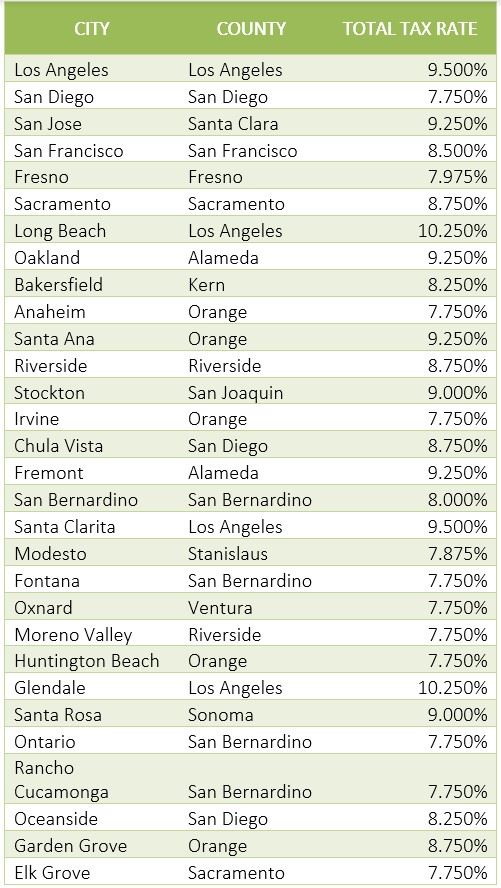
At its core, California sales tax is a levy imposed by the state on the retail sale of tangible personal property. It’s a consumption tax, meaning it’s paid by the end consumer at the point of sale. However, the system is far more intricate than a simple statewide rate. California operates a dual-tax system, where both the state and local jurisdictions (counties and cities) have the authority to impose their own sales taxes. This creates a patchwork of rates that can vary significantly from one city to another, even within the same county.
The State Sales Tax Rate
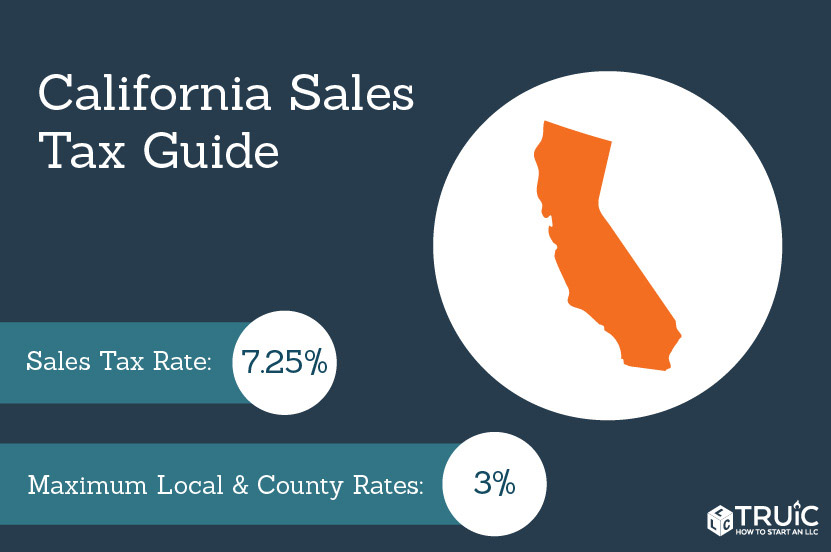
The state portion of the sales tax is the baseline upon which all other local taxes are added. This rate can change periodically, though typically not on a frequent basis. It’s set by the California Department of Tax and Fee Administration (CDTFA). For the most current state rate, it’s always advisable to check the official CDTFA website, as legislative changes can occur. This state tax applies to a broad range of goods, including clothing, electronics, furniture, and most services.
Local Sales Tax Additions
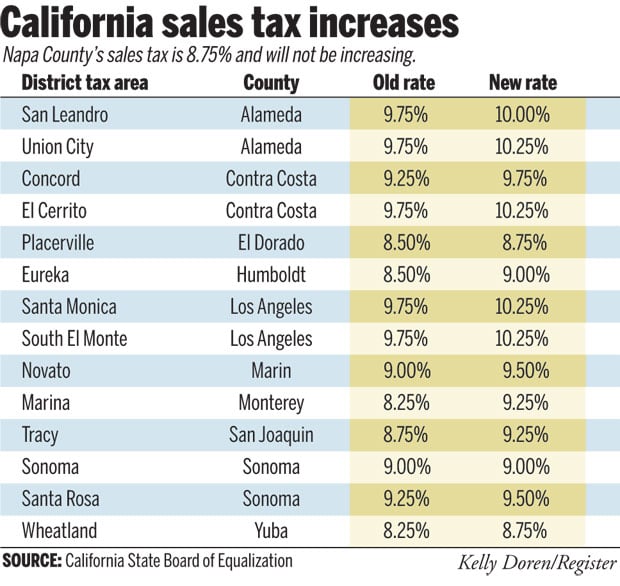
This is where the complexity truly begins. California counties and cities can, and often do, levy their own district taxes, which are added on top of the state rate. These district taxes are often referred to as “local option taxes” and are typically approved by voters in the respective areas. The purpose of these local taxes can vary, often funding essential public services like transportation, infrastructure projects, or public safety initiatives.
For instance, a shopper in San Diego will pay a different combined sales tax rate than someone in Sacramento or a small town in the Central Valley. The CDTFA publishes comprehensive tax rate schedules that detail the applicable rates for every city and unincorporated area in California. These schedules are updated regularly to reflect changes in district taxes.
Transaction and Use Tax
It’s important to distinguish between sales tax and use tax. Sales tax is paid when you purchase taxable items within California. Use tax, on the other hand, is paid when you purchase taxable items outside of California but bring or use them within the state. This is designed to ensure that California residents and businesses pay tax on goods acquired elsewhere, preventing tax evasion and leveling the playing field for California businesses. For example, if you buy a new laptop online from a retailer in another state that doesn’t charge California sales tax, you are generally obligated to pay California use tax on that purchase.
How Sales Tax Impacts Travel and Accommodation in California
The varied sales tax rates across California have a direct impact on the cost of travel and accommodation. Understanding these differences can help savvy travelers plan their trips and make informed financial decisions.
Sales Tax on Hotels and Accommodation
When you book a hotel in California, the price you see is often before taxes and fees. The sales tax applied to hotel stays is a combination of the state sales tax and any applicable local district taxes. These local taxes can vary significantly by city and county. For example, a hotel in Beverly Hills, known for its luxury accommodations and vibrant lifestyle scene, will likely have a higher combined tax rate than a hotel in a less urbanized area.
Beyond the standard sales tax, many California jurisdictions also impose a Transient Occupancy Tax (TOT), also known as a hotel tax or lodging tax. This tax is levied on guests who stay in hotels, motels, and other forms of short-term lodging. The TOT rate is determined by the local city or county and is in addition to the state and local sales tax. It’s crucial to factor in these taxes when comparing hotel prices, as they can add a considerable amount to your final bill.
- Luxury Resorts and Suites: For those seeking a premium experience at establishments like the Ritz Carlton Laguna Niguel or a private villa in Malibu, the higher room rates mean that even a seemingly small percentage of tax can translate into a substantial sum.
- Budget-Friendly Stays: Even for budget travelers opting for apartments or more modest hotels, understanding the tax implications is vital for sticking to a pre-determined budget. A difference of a few percentage points can still impact the overall cost of a longer stay.
- Vacation Rentals: The tax treatment of vacation rentals, such as those found on platforms like Airbnb or VRBO, can also vary. Many cities and counties now require these rentals to collect and remit TOT and sales tax, similar to traditional hotels.
Sales Tax on Dining and Attractions
When you explore California‘s diverse culinary scene, from a Michelin-starred restaurant in Napa Valley to a casual taco stand in San Diego, the sales tax on food and beverages is generally applied. However, there are some distinctions. Prepared food sold in restaurants is typically subject to sales tax. In contrast, most unprepared food items, like groceries purchased at a supermarket, are exempt from sales tax.
Attractions and entertainment are also subject to sales tax. This includes admission fees to theme parks like Disneyland or Universal Studios Hollywood, tickets to sporting events, museum entry fees, and tickets for performances. Again, the specific rate will depend on the combined state and local taxes in the city where the attraction is located.
Navigating California Sales Tax for Different Lifestyles
The impact of California sales tax can be felt differently depending on your travel style and purpose. Whether you’re a luxury traveler, a budget backpacker, a family on vacation, or a business professional, understanding how sales tax affects your spending is beneficial.
Luxury Travel
For those indulging in California‘s luxury offerings, the sales tax becomes a more significant component of their overall expenditure. This includes stays at high-end resorts, fine dining experiences, and the purchase of luxury goods. While the percentage may remain the same, the absolute dollar amount added by sales tax will be higher. Planning and budgeting for this additional cost is essential for a seamless luxury travel experience. This might involve choosing accommodations or dining options in areas with slightly lower combined tax rates, where feasible.
Budget Travel
Budget travelers are often more sensitive to price variations. While California‘s sales tax is a fixed percentage, its impact can feel more pronounced when every dollar counts. Being aware of the varying rates across different cities and counties can help budget travelers make strategic decisions. For instance, choosing a hotel or dining in a city with a slightly lower combined tax rate can lead to noticeable savings over the course of a trip. Researching the tax rates in your intended destinations before booking is a valuable step for any budget-conscious traveler.
Family Trips
Family trips to California often involve a multitude of expenses, from theme park tickets to meals and souvenirs. Sales tax is applied to most of these purchases. For families, budgeting for sales tax is crucial, as the cumulative effect of these taxes across various activities and purchases can add up quickly. Planning activities in advance and factoring in the sales tax for admission tickets and dining can help families manage their vacation budget more effectively.
Business Stays
Business travelers also encounter sales tax on hotel stays and meals. Many companies have reimbursement policies that cover sales tax, but understanding these rates is still important for accurate expense reporting. For businesses operating within California, correctly calculating and remitting sales tax is a legal obligation. This requires a thorough understanding of which goods and services are taxable and at what rates.
California Sales Tax: Key Considerations and Resources
Understanding California sales tax isn’t just about knowing the rates; it’s also about knowing where to find accurate information and how to stay compliant.
Staying Updated on Tax Rates
As mentioned, California sales tax rates are not static. They can change due to legislative actions at the state level or through local voter initiatives. The California Department of Tax and Fee Administration (CDTFA) is the primary source for official tax rate information. Their website provides detailed rate schedules, explanations of taxable items, and resources for both consumers and businesses. It’s advisable to check the CDTFA website periodically, especially if you are a frequent visitor or resident of California, to ensure you have the most up-to-date information.
Taxability of Goods and Services
The general rule in California is that tangible personal property is taxable, while most services are not. However, there are many exceptions and specific rules. For example, certain services that are “measured by the volume or gross receipts” are considered taxable. Additionally, specific exemptions exist for certain types of goods, such as most food products for home consumption. Understanding these nuances is particularly important for businesses that need to determine whether to collect sales tax on their offerings. For consumers, it helps in understanding why certain items are taxed and others are not.
Resources for Travelers and Businesses
- California Department of Tax and Fee Administration (CDTFA): This is the most authoritative source for California sales and use tax information. Their website offers rate lookups, publications, and guides.
- Local Government Websites: Cities and counties in California often provide information on their specific local taxes, including TOT.
- Travel Planning Websites: While not official tax sources, many travel planning sites and hotel booking platforms will show estimated taxes and fees, offering a helpful preliminary overview.
By understanding the layered nature of California sales tax, its impact on various aspects of travel and accommodation, and by utilizing reliable resources, both visitors and residents can navigate the Golden State with greater financial clarity and confidence. Whether you’re planning a glamorous trip to Hollywood, a serene escape to Lake Tahoe, or a business stay in Oakland, a little knowledge about California‘s sales tax goes a long way in making your experience smoother and more predictable.
LifeOutOfTheBox is a participant in the Amazon Services LLC Associates Program, an affiliate advertising program designed to provide a means for sites to earn advertising fees by advertising and linking to Amazon.com. Amazon, the Amazon logo, AmazonSupply, and the AmazonSupply logo are trademarks of Amazon.com, Inc. or its affiliates. As an Amazon Associate we earn affiliate commissions from qualifying purchases.