
California, the Golden State, is renowned for its diverse landscapes, vibrant culture, and iconic status as a hub for innovation and entertainment. From the sun-drenched beaches of Southern California to the towering redwood forests of the north, the state is a tapestry of natural wonders and human achievements. This rich biodiversity is reflected in its choice of state symbols, none more emblematic than its official state animal. While many associate the Golden State with its legendary gold rush history, its natural heritage tells a different, and perhaps more enduring, story. Understanding the state animal offers a unique window into the values and natural environment that define California.

The Majesty of the Grizzly Bear: A Symbol of Strength and the Wild
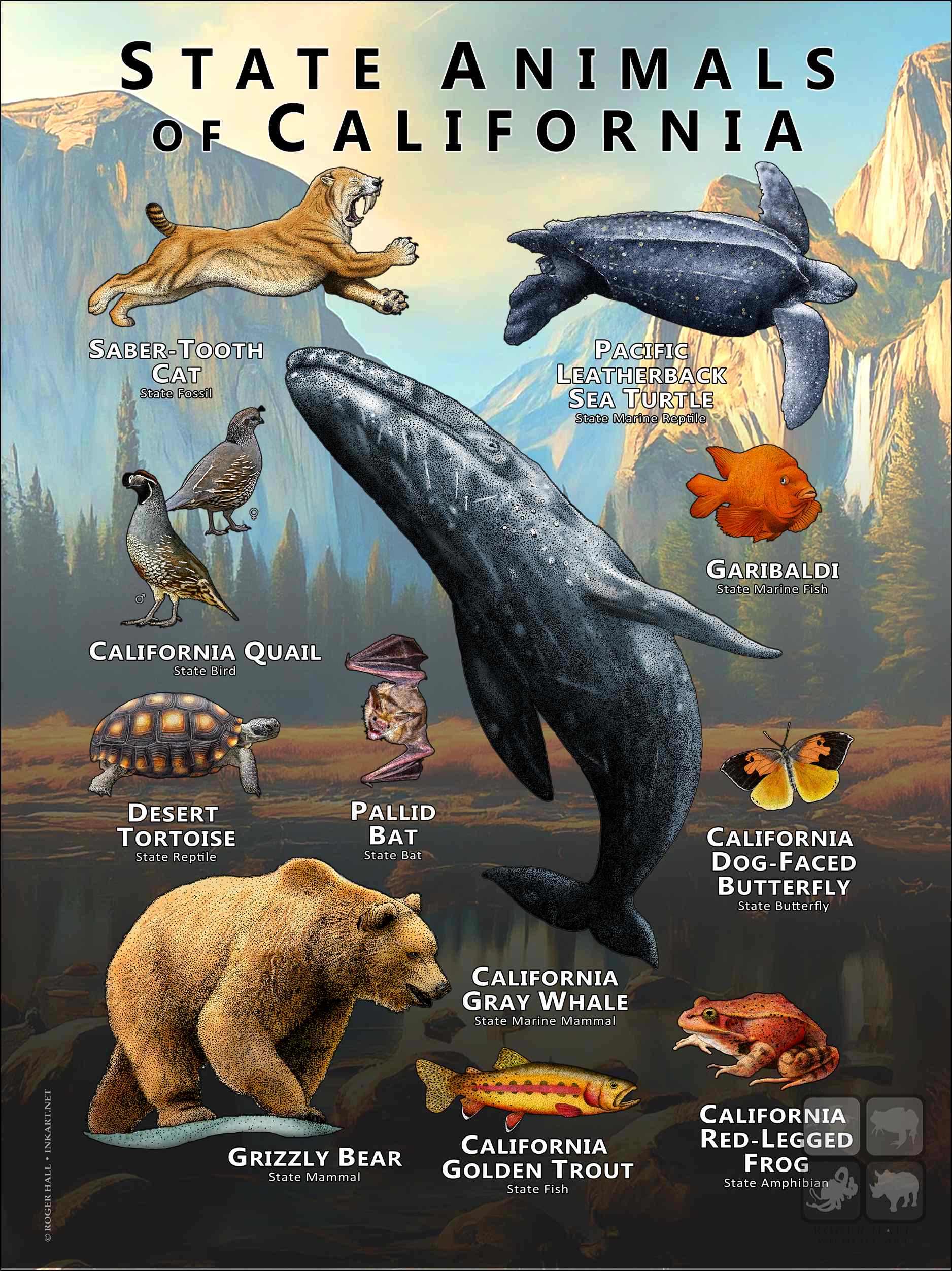
When one thinks of the iconic imagery of California, the grizzly bear often springs to mind. This magnificent creature, a symbol of raw power, untamed wilderness, and historical significance, proudly bears the title of California’s state animal. Officially designated in 1953, the California grizzly bear ( Ursus arctos californicus ) has a long and storied past intertwined with the very identity of the Golden State. Its image has graced the state flag, known as the Bear Flag, since 1846, a powerful testament to its importance long before its official designation.
The California grizzly bear is a subspecies of the brown bear, and historically, these formidable animals roamed across vast swathes of California, from the coastal mountains to the valleys and foothills. They were a dominant force in the ecosystem, playing a crucial role in shaping the natural landscape. Their diet was opportunistic, encompassing berries, roots, insects, fish, and larger mammals. Imagine the awe of early explorers and settlers encountering these powerful beasts, a true embodiment of the wild spirit of the West.
Unfortunately, the story of the California grizzly is also one of decline. Human settlement, habitat loss, and hunting led to a drastic reduction in their numbers. By the early 20th century, the California grizzly was believed to be extinct in the wild within the state. The last confirmed sighting was in 1922 in Tulare County. The absence of this apex predator has had significant ecological consequences, and efforts to preserve remaining habitats and understand the impact of their loss continue to this day.
Despite their extirpation from the wild in California, the grizzly bear remains a potent symbol. Its image on the Bear Flag serves as a constant reminder of the state’s wild heritage and the importance of conservation. It evokes a sense of primal power, resilience, and the untamed beauty that once characterized the Golden State. The grizzly’s legacy is deeply etched into the history and identity of California, inspiring ongoing dialogues about wildlife protection and the delicate balance between human development and natural ecosystems.
The Historical Significance of the Grizzly Bear in California
The connection between the grizzly bear and California runs deep, predating statehood. Indigenous peoples of California held the grizzly bear in high regard, often viewing it with a mixture of reverence and caution. Its strength and perceived spiritual power were incorporated into their mythologies and cultural practices. For many native tribes, the bear was a significant symbol, representing courage, leadership, and the raw power of nature.
During the Spanish and Mexican periods, encounters with grizzlies were common, and these encounters were often described in the journals and chronicles of explorers. However, it was during the California Gold Rush that the grizzly’s presence became inextricably linked with the quest for fortune. The bear was a formidable obstacle for miners venturing into unexplored territories, and tales of encounters, both heroic and terrifying, became commonplace. The bear’s image was also used to symbolize the untamed and rugged nature of the West.
The iconic Bear Flag, first raised by a group of American rebels in 1846 during the Bear Flag Revolt, featured a crude drawing of a grizzly bear. This act of rebellion, aimed at declaring California’s independence from Mexico, cemented the bear’s association with Californian autonomy and spirit. When California officially became a state in 1850, the grizzly bear was already a deeply ingrained symbol of its identity. The subsequent official adoption of the grizzly bear as the state animal in 1953 was a formal recognition of this long-standing cultural and historical bond. The presence of the grizzly on the state flag and as the state animal underscores its enduring importance in the Californian narrative, a symbol of resilience and the wild frontier.
Conservation Efforts and the Future of the Grizzly
The extinction of the California grizzly bear in its native habitat is a somber chapter in the state’s environmental history. However, it has also spurred a greater appreciation for conservation and the need to protect remaining wildlife. While grizzlies no longer roam freely in California, their memory serves as a powerful impetus for conservation initiatives.
National Parks and wilderness areas across North America, such as Yellowstone National Park and Glacier National Park, are home to healthy populations of grizzly bears. These protected areas provide crucial habitats where these animals can thrive, away from the pressures of human development. The success of conservation efforts in these regions offers hope and valuable lessons for preserving biodiversity.
In California itself, efforts are focused on protecting existing habitats and promoting species that share ecological niches with the grizzly. Organizations dedicated to wildlife conservation work to preserve natural landscapes, reduce human-wildlife conflict, and educate the public about the importance of biodiversity. The dream of seeing grizzlies return to California is a distant one, requiring extensive habitat restoration and a significant shift in human attitudes towards apex predators. However, the enduring symbol of the grizzly bear on the Californian flag continues to inspire a commitment to protecting the wild heart of the Golden State for future generations. This commitment extends to understanding the intricate web of life and the vital role each species plays within it.
Beyond the Bear: Exploring California’s Diverse Wildlife
While the grizzly bear is the official state animal, California’s natural world is teeming with an astonishing array of other remarkable creatures. The state’s varied geography, from deserts to mountains to coastlines, supports a rich tapestry of biodiversity. Exploring these diverse ecosystems reveals a fascinating cast of characters that contribute to the ecological health and natural beauty of the Golden State.
The Majestic California Condor: A Symbol of Hope and Recovery
Among the most critically endangered species in North America, the California condor (Gymnogyps californianus) holds a special place in the hearts of many conservationists and Californians. This magnificent bird, with a wingspan that can reach up to 9.5 feet, is a true icon of the Golden State’s wild landscapes. For centuries, condors soared over the canyons and mountains of California, their imposing presence a testament to the rugged beauty of the region.

However, like the grizzly bear, the California condor faced severe threats leading to a drastic population decline. Habitat loss, poisoning from lead ammunition, and direct persecution pushed this species to the brink of extinction. By the 1980s, only a handful of condors remained in the wild, and a bold decision was made to capture the remaining individuals to establish a captive breeding program.
This ambitious conservation effort, a collaboration between government agencies and private organizations, has been a remarkable success story. Through dedicated breeding and reintroduction programs, the population of California condors has slowly but surely rebounded. Today, these majestic birds can once again be spotted soaring over the skies of California, particularly in areas like the Ventana Wilderness and Pinnacles National Park. Witnessing a California condor in flight is an awe-inspiring experience, a powerful symbol of hope and the possibility of recovery for endangered species. Their continued presence is a testament to the dedication of those who have worked tirelessly to bring them back from the edge.
The Diverse Marine Life of California’s Coastline
California’s extensive coastline, stretching over 840 miles, is a vibrant underwater world, home to an incredible diversity of marine life. From the kelp forests teeming with fish and invertebrates to the open ocean where whales and dolphins play, the Pacific Ocean off the Californian coast is a treasure trove of biodiversity.
Iconic marine mammals like the California gray whale embark on an incredible annual migration, traveling thousands of miles between their feeding grounds in Alaska and their breeding lagoons in Baja California, Mexico. Whale watching tours, particularly popular in cities like San Diego and Monterey, offer the chance to witness these gentle giants up close, a truly unforgettable experience.
Closer to shore, playful California sea lions and harbor seals are a common sight, often found basking on rocks and piers. The waters are also home to various dolphin species, sea otters, and a dazzling array of fish, including the vibrant Garibaldi, California’s official marine fish. The health of these marine ecosystems is crucial, and numerous organizations are dedicated to protecting the ocean environment through research, policy advocacy, and public education. Understanding and appreciating this underwater world is an integral part of experiencing the natural wonders of California.
Fascinating Terrestrial Wildlife Beyond the Grizzly
California’s diverse terrestrial habitats support a remarkable variety of wildlife beyond the iconic grizzly. The state’s mountain ranges are home to bighorn sheep and various species of deer. The vast deserts, such as the Mojave Desert and Death Valley, are surprisingly rich in life, featuring reptiles like the desert tortoise and rattlesnakes, as well as resilient desert flora and fauna adapted to extreme conditions.
In the forests, you might encounter black bears, mountain lions, and a plethora of smaller mammals like squirrels, chipmunks, and various species of foxes. Birdwatchers will find California a paradise, with habitats supporting everything from soaring raptors like the red-tailed hawk to the vibrant western bluebird and the industrious acorn woodpecker. The presence of such diverse wildlife underscores the importance of preserving California’s natural landscapes, from its coastal wetlands to its alpine peaks. Each creature, no matter how small, plays a vital role in the intricate ecological balance that makes the Golden State so special.
Experiencing California’s Natural Wonders: Travel and Tourism
Understanding California’s state animal, the grizzly bear, and appreciating its diverse wildlife enriches any visit to the Golden State. For travelers and nature enthusiasts, California offers unparalleled opportunities to immerse oneself in its natural beauty and encounter its iconic fauna. From guided tours to independent exploration, there are countless ways to experience the wild heart of California.
Planning Your Wildlife Adventure in California
When planning a trip to California with a focus on its natural wonders, consider the diverse ecosystems the state offers. For those hoping to glimpse remnants of the grizzly’s habitat or witness other large mammals, exploring National Parks like Yosemite National Park or Sequoia National Park is a must. These parks provide opportunities for hiking, camping, and guided ranger programs that delve into the region’s natural history and wildlife.
For marine life enthusiasts, the central coast, particularly the area around Monterey, is a world-renowned destination. Monterey Bay Aquarium is a leading institution for marine research and conservation, offering an incredible indoor experience of the ocean’s inhabitants. Beyond the aquarium, boat tours offer the chance to see whales, dolphins, sea otters, and seals in their natural environment. Further south, San Diego also boasts excellent whale watching opportunities, especially during the migration seasons.
Birdwatchers will find California a haven, with numerous bird sanctuaries and birdwatching hotspots. Areas like the Sacramento National Wildlife Refuge and the Salton Sea attract a vast array of migratory birds. The state’s varied landscapes ensure a diverse avian population year-round.
Accommodation and Lifestyle for Nature Lovers
California offers a wide range of accommodation options to suit every preference and budget, from rustic cabins nestled in the mountains to luxurious beachfront resorts. For those seeking an immersive nature experience, consider staying in lodges within or near National Parks. Many resorts also offer curated nature experiences, such as guided hikes, birdwatching excursions, and stargazing tours.
For a more budget-friendly approach, campgrounds within California’s state and national parks offer a chance to sleep under the stars, surrounded by nature. Many towns near popular natural attractions also offer a variety of hotels and motels. For longer stays or a more secluded experience, renting a cabin or a villa can provide a comfortable base for exploring the local flora and fauna.
The lifestyle of exploring California’s natural wonders often involves embracing outdoor activities. Hiking, kayaking, wildlife photography, and scenic drives are popular ways to experience the state’s beauty. Whether you’re embarking on a luxurious retreat focused on eco-tourism or a budget-friendly adventure exploring state parks, California’s commitment to preserving its natural heritage ensures that these incredible landscapes and the wildlife they support remain accessible for generations to come. The spirit of exploration, coupled with a respect for the environment, defines the ultimate Californian nature experience.
LifeOutOfTheBox is a participant in the Amazon Services LLC Associates Program, an affiliate advertising program designed to provide a means for sites to earn advertising fees by advertising and linking to Amazon.com. Amazon, the Amazon logo, AmazonSupply, and the AmazonSupply logo are trademarks of Amazon.com, Inc. or its affiliates. As an Amazon Associate we earn affiliate commissions from qualifying purchases.