
When planning a trip to the iconic city of San Francisco, California, understanding its unique weather patterns is paramount. Far from the stereotypical sunny Californian image, San Francisco boasts a climate that is distinct, often surprising, and profoundly influenced by its geography. Nestled on the tip of a peninsula, surrounded by the vast Pacific Ocean to the west and the choppy waters of San Francisco Bay to the east, this metropolis experiences a maritime climate characterized by cool summers, mild winters, and a pervasive fog that often dictates the daily forecast.

This distinct weather plays a significant role in shaping the visitor experience, from the types of activities one can enjoy to the clothing one should pack. Whether you’re dreaming of exploring the historic streets of North Beach, marveling at the engineering feat of the Golden Gate Bridge, or indulging in the vibrant culinary scene, knowing what to expect weather-wise will undoubtedly enhance your journey. This article delves into the nuances of San Francisco’s climate, offering practical insights for travelers of all kinds, from those seeking luxury getaways to families on budget adventures.
Understanding San Francisco’s Microclimates and Seasonal Variations
San Francisco’s weather is not monolithic. The city is renowned for its microclimates, where conditions can vary dramatically over just a few miles. This phenomenon is primarily driven by the interplay of the cold ocean currents offshore, the warm inland valleys, and the city’s hilly topography. The famous fog, a defining characteristic of San Francisco, is a direct result of this interaction. As warm, moist air from the Pacific moves inland, it cools over the cold California Current, leading to condensation and the formation of thick fog banks.
The Enigmatic Fog: San Francisco’s Signature Climate Feature
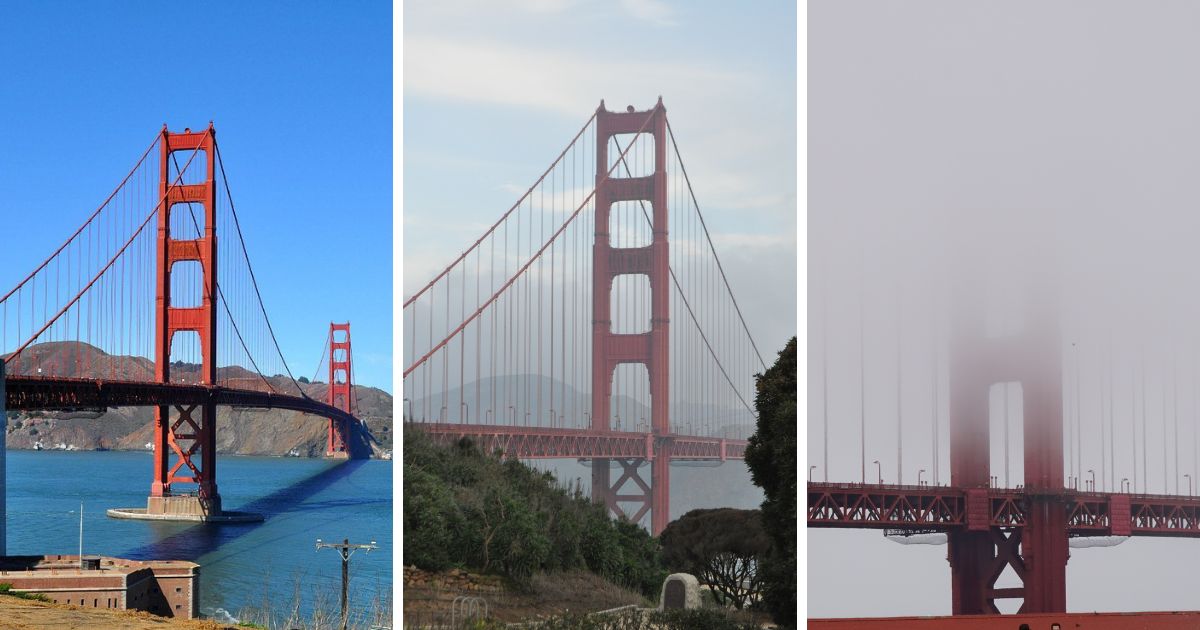
The fog is more than just a meteorological event; it’s an integral part of the San Francisco identity. Typically, the fog rolls in during the late spring and summer months, often obscuring the Golden Gate Bridge and much of the city, especially the western neighborhoods. While it can be dramatic and picturesque, it also keeps the coastal areas and western parts of the city surprisingly cool, even in the height of summer. Mornings are often shrouded in mist, which can burn off by the afternoon, revealing sunshine, particularly in the eastern and southern parts of the city. This “fog season” generally lasts from May through September.
Seasonal Breakdown: What to Expect Throughout the Year
Spring (March to May): Spring in San Francisco is a transition period. While still carrying a hint of winter’s chill, temperatures begin to gradually warm up. March and April can still be quite cool and wet, with an increased chance of rainfall. However, as spring progresses into May, the days become longer and often sunnier, though the fog can start making its presence felt towards the end of the season. The city awakens with blooming flowers in its numerous parks, and outdoor activities become more appealing. It’s a great time to visit if you prefer fewer crowds and milder temperatures before the summer fog truly takes hold.
Summer (June to August): Contrary to what many might expect from a Californian summer, San Francisco experiences its coolest temperatures and most prevalent fog during these months. The western parts of the city, including neighborhoods like the Sunset District and Richmond District, are often blanketed in fog, keeping temperatures in the 50s and 60s Fahrenheit. Downtown and the eastern parts of the city tend to be warmer and sunnier, experiencing temperatures in the 70s. This is the period when bringing layers is absolutely essential. Even on a sunny day, a cool breeze can swiftly sweep through, making a light jacket or sweater a necessity. Popular attractions like Alcatraz Island can be particularly foggy and cool, requiring visitors to be prepared.
Autumn (September to November): Many locals and seasoned travelers consider autumn to be the best season to visit San Francisco. The fog often recedes, giving way to some of the warmest and sunniest days of the year, a phenomenon known as an “Indian Summer.” September and October typically offer the most pleasant weather, with clear skies and comfortable temperatures, often reaching into the 70s and even 80s Fahrenheit in some inland-facing areas. This period is ideal for exploring the city’s numerous landmarks, enjoying outdoor dining, and taking advantage of activities like a ferry ride across the bay. As November progresses, temperatures start to cool, and the chance of rain increases, signaling the approach of winter.
Winter (December to February): Winter in San Francisco is generally mild, with average temperatures ranging from the 40s to the 50s Fahrenheit. This is the wettest season, with most of the city’s annual rainfall occurring between December and February. While rain is common, it’s rarely heavy or prolonged, and sunny days are not uncommon, often interspersed between rain showers. The city takes on a cozy charm during winter, with fewer tourists and opportunities to enjoy indoor attractions like world-class museums and the vibrant theatre scene. For those seeking budget travel, winter can be an excellent time to visit, as accommodation prices tend to be lower.
Packing Essentials: Dressing for San Francisco’s Ever-Changing Climate
The most crucial advice for anyone visiting San Francisco is to pack in layers. The city’s dramatic temperature swings and microclimates mean that what might be comfortable in one neighborhood could be chilly in another just a few miles away. This principle applies year-round, but it’s especially important during the summer months when the fog can dramatically drop temperatures.
Layering Strategy: Your Key to Comfort
A basic layering system should include:
- Base Layer: A comfortable t-shirt or long-sleeved shirt made of breathable material.
- Mid Layer: A fleece jacket, sweater, or hoodie that can be easily put on or taken off.
- Outer Layer: A windproof and water-resistant jacket is indispensable. This will protect you from the cool breezes and any unexpected rain showers. Even in summer, a light jacket is a must-have for evenings or foggy mornings.
Consider bringing a variety of clothing items that can be mixed and matched. For example, a pair of comfortable walking shoes is essential, as San Francisco is a city best explored on foot, despite its hills. Jeans or durable trousers are practical for most situations. For evenings out, you might opt for slightly dressier attire, but remember that even in the most upscale restaurants, a casual yet stylish approach is generally accepted, especially if paired with a smart jacket or blazer.
Adapting Your Wardrobe for Specific Activities and Seasons
When packing, think about the specific activities you plan to undertake:
- For Sightseeing: Comfortable walking shoes, layers, and a backpack to carry essentials are key. If you plan to visit attractions like Fisherman’s Wharf or the Palace of Fine Arts, be prepared for potentially cool and breezy conditions, even on a sunny day.
- For Outdoor Adventures: If your itinerary includes hiking in Golden Gate Park or exploring the Marin Headlands, opt for practical, weather-resistant clothing. A waterproof jacket and sturdy footwear are paramount.
- For Dining and Nightlife: While San Francisco has a sophisticated dining scene, the overall vibe is often more relaxed than in some other major cities. A smart casual approach usually suffices. For a truly luxurious experience, consider bringing a slightly more formal outfit, but prioritize comfort and versatility.
Remember that even during the warmest months, evenings can cool down considerably, especially near the coast. A warm scarf or a hat can also be surprisingly useful for those particularly foggy or windy days. By understanding the city’s unique climate and packing accordingly, you can ensure that your visit to San Francisco is comfortable and enjoyable, regardless of what the weather might bring.
Navigating San Francisco: Weather’s Impact on Travel and Accommodation
The distinctive weather of San Francisco has a tangible impact on travel planning, from choosing the best time to visit to selecting the right accommodation. Understanding these influences can help visitors make informed decisions that align with their travel style and expectations, whether they’re looking for a luxurious resort experience, a family-friendly vacation, or a budget-conscious city break.
Choosing the Optimal Time to Visit: Balancing Crowds and Climate
The “best” time to visit San Francisco is subjective and depends heavily on individual preferences.
- For Sun Seekers and Warm Weather Enthusiasts: If you’re dreaming of beach weather and consistently warm temperatures, San Francisco might not be your ideal destination during the summer. Instead, consider visiting in late September or October, when the city often experiences its warmest and sunniest days. This period also tends to have fewer crowds than the peak summer months.
- For Budget Travelers and Fewer Crowds: Winter (November to February) offers the lowest accommodation prices and significantly fewer tourists. While you should be prepared for rain, the mild temperatures mean it’s still a viable time to explore many of the city’s attractions. Spring (March to May) also presents a good balance, with fewer crowds than summer and gradually improving weather, though it can still be a bit unpredictable with lingering winter rain.
- For the Classic San Francisco Experience: If you want to experience the iconic fog and the unique atmosphere it creates, the summer months (June to August) are when it’s most prevalent. Be prepared for cool, foggy days, especially on the coast, and pack layers accordingly. This is also the busiest and most expensive time to visit.
The city’s popularity means that booking accommodation and popular tours in advance is always recommended, regardless of the season. However, during the peak summer and early autumn months, booking further ahead will secure the best options and prices.
Accommodation Considerations: Finding Your Perfect Stay
The weather can influence the type of accommodation that best suits your needs:
- Coastal vs. Inland Locations: Hotels and apartments located in western neighborhoods like the Sunset District or near the ocean will likely experience cooler temperatures and more fog, even in summer. If you prefer warmer, sunnier conditions indoors, consider booking accommodation in areas like the Financial District, Union Square, or the Mission District, which tend to be warmer and sunnier, especially in the mornings.
- Amenities: Given the cooler temperatures and potential for dampness, amenities like good heating systems in hotels are important year-round. During the rainy winter months, proximity to public transport or covered walkways can be a significant advantage. For longer stays, apartments with good insulation and heating are a wise choice.
- Luxury vs. Budget: Luxury hotels, such as the Fairmont San Francisco or Four Seasons Hotel San Francisco, often provide excellent climate control and cozy interiors, making them comfortable retreats regardless of the external weather. Budget-friendly options, like hostels or smaller boutique hotels, should be carefully reviewed for their heating capabilities during the cooler months. Regardless of budget, opting for accommodations with good reviews regarding comfort and noise insulation is always a sound strategy in a bustling city like San Francisco.
By considering the interplay between San Francisco’s climate and your travel preferences, you can ensure a more enjoyable and comfortable experience in this vibrant and unique city. Whether you’re here to explore its historic landmarks, indulge in its diverse culinary offerings, or simply soak in the atmosphere, understanding the weather is your first step towards a memorable trip.
LifeOutOfTheBox is a participant in the Amazon Services LLC Associates Program, an affiliate advertising program designed to provide a means for sites to earn advertising fees by advertising and linking to Amazon.com. Amazon, the Amazon logo, AmazonSupply, and the AmazonSupply logo are trademarks of Amazon.com, Inc. or its affiliates. As an Amazon Associate we earn affiliate commissions from qualifying purchases.