
When planning a trip to the Golden State, one of the most fundamental pieces of information you’ll need is the current time in California. This seemingly simple question becomes crucial when coordinating flights, booking accommodations, scheduling tours, or even just trying to make a dinner reservation. California, a vast and geographically diverse state, operates under a single time zone, making it straightforward once you understand the system. This article delves into the specifics of California time, exploring its implications for travelers and residents alike, and how it integrates with the broader California travel experience.
Understanding California’s Time Zone
California observes Pacific Time, which is part of the North American continent’s time zone system. This encompasses two standard time zones: Pacific Standard Time (PST) and Pacific Daylight Time (PDT).
Pacific Standard Time (PST)
During the fall and winter months, California adheres to Pacific Standard Time (PST). PST is UTC−8, meaning it is eight hours behind Coordinated Universal Time (UTC). This is the “standard” time for the region. When you hear someone refer to California time without specifying daylight saving, they are often referring to PST. This time zone is observed by a significant portion of the western United States, including states like Oregon, Washington, Nevada, and parts of Idaho and Arizona (though Arizona largely opts out of daylight saving).
Pacific Daylight Time (PDT)
As the days lengthen and spring arrives, California transitions to Pacific Daylight Time (PDT). PDT is UTC−7. This means the clocks are advanced by one hour from PST. The switch to PDT typically occurs on the second Sunday in March, and the return to PST happens on the first Sunday in November. This practice of “springing forward” and “falling back” is designed to maximize daylight hours during warmer months, a concept that has historical roots in energy conservation efforts. For travelers, remembering this biannual shift is essential for avoiding confusion, especially when traveling internationally or coordinating with individuals in different time zones.
The Significance of UTC−7 and UTC−8
The designation of UTC−7 and UTC−8 might seem technical, but it’s the backbone of global time synchronization. UTC (Coordinated Universal Time) is the primary time standard by which the world regulates clocks and time. By knowing California‘s offset from UTC, one can accurately calculate the time in California from anywhere in the world. For instance, if it’s 12:00 UTC, it would be 04:00 PST (12 – 8) or 05:00 PDT (12 – 7). This is particularly relevant for international travelers flying into major California airports like Los Angeles International Airport (LAX) or San Francisco International Airport (SFO). Understanding the time difference ensures a smoother arrival and less jet lag.
Navigating California Time for Travelers
For anyone planning a trip to California, understanding the current time is paramount. This impacts everything from booking flights to coordinating meetings with tour guides or friends. The state’s varied attractions, from the bustling metropolis of Los Angeles to the serene beauty of Yosemite National Park, all operate under the same California time.
Planning Your Arrival and Departures
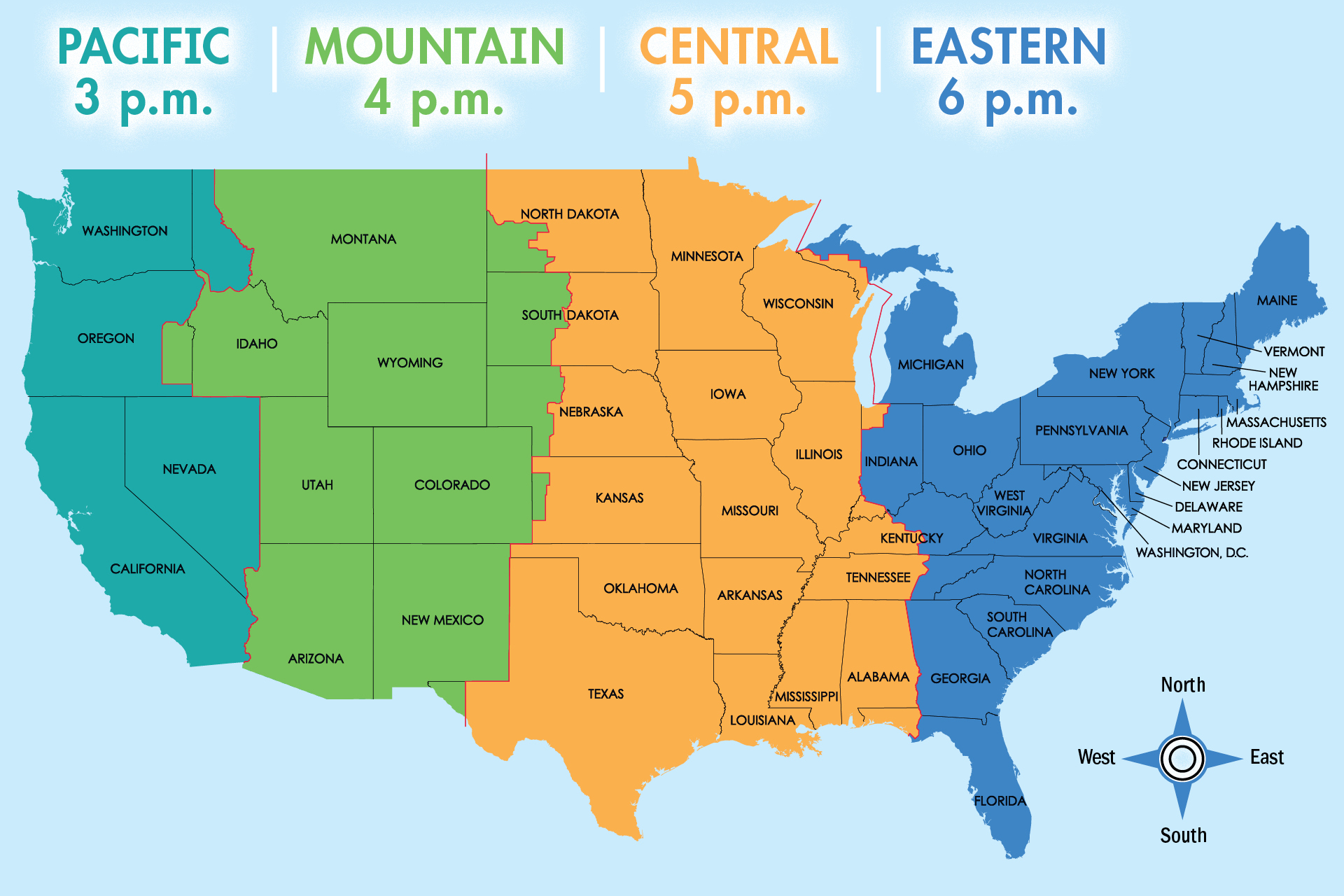
When booking flights to California, the listed departure and arrival times are always in local time. So, if you are flying from New York to San Francisco, a flight departing at 9:00 AM EST will arrive in San Francisco at a local time that accounts for both the flight duration and the three-hour time difference. Being aware of this will prevent you from miscalculating your arrival and missing connecting flights or pre-booked transport. For example, a flight leaving New York at 9 AM EST (which is 6 AM PST) and lasting 5 hours would land in San Francisco around 11 AM PST. This precision is vital for seamless travel experiences, especially when embarking on longer journeys or multi-city itineraries across California.
Coordinating Activities and Tours
California offers an incredible array of activities, from theme park visits in Orlando (though not in California, illustrating the global nature of time) to wine tasting tours in Napa Valley, guided hikes in Joshua Tree National Park, or attending a show in Las Vegas (again, not in California, but highlighting the need for time zone awareness). When booking these experiences, always confirm the local time for your reservation. A popular surf lesson in San Diego or a sunset sailing trip in San Francisco Bay will be scheduled based on PDT or PST. Missing your reservation due to a time zone misunderstanding can lead to disappointment and lost funds. Many tour operators, like those offering excursions to Alcatraz Island, clearly state their operating hours in Pacific Time.
Accommodation and Check-in/Check-out Times
When booking your stay at a California hotel, resort, or vacation rental, understanding the local time is crucial for check-in and check-out procedures. Whether you’re staying at a luxury resort like the Ritz-Carlton in Laguna Niguel or a charming boutique hotel in Carmel-by-the-Sea, the staff will operate on California time. This means your check-in time is based on PDT or PST, and likewise for check-out. If you have a late flight out, you might inquire about a late check-out, which will be coordinated according to the local California clock. For those considering longer stays in California, such as apartment rentals, understanding daily routines and local business hours will be simplified by being synchronized with the state’s time.
Adapting to California Time for Different Lifestyles
The way one experiences time in California can vary significantly based on lifestyle, from the fast-paced business traveler to the leisurely vacationer.
Business Travel and Meetings
For professionals visiting California for business, especially those traveling from eastern time zones or international locations, adjusting to California time is a key aspect of preparation. Conferences, client meetings, and corporate events in cities like San Francisco, Los Angeles, or San Jose will all be scheduled in Pacific Time. Early morning meetings might require an earlier wake-up call than usual, while late afternoon meetings could extend into the evening. Companies often hold virtual meetings with California-based teams, making it essential to note the time zone differences to ensure everyone is participating at the appropriate hour. This is particularly true when coordinating across the Atlantic or Pacific oceans.
Leisure Travel and Family Trips
Family vacations in California often involve early starts to maximize the day at theme parks like Disneyland or Universal Studios Hollywood, or to catch the best light for photography at natural wonders like Death Valley National Park. Knowing the exact time ensures you don’t miss the opening hours of attractions or scheduled dining reservations. For families with young children, a consistent adherence to local time can help maintain routines and minimize disruptions. Similarly, for budget travelers, understanding the time allows for efficient planning, such as booking last-minute deals or catching early bird specials that are time-sensitive.
Luxury Travel and Experiential Stays
Even for those indulging in luxury travel, time is a significant factor. A fine dining experience at a Michelin-starred restaurant in Napa Valley, a spa appointment at a high-end resort in Beverly Hills, or a private yacht charter in San Diego all operate on Pacific Time. The luxury segment often emphasizes seamless experiences, and accurate timekeeping is a fundamental part of that. Whether it’s a private guided tour of the Getty Center or an exclusive wine tasting, confirming the start time in California is always the first step.
Beyond the Clock: Experiencing California’s Time
While knowing the precise hour in California is functional, understanding the California lifestyle also involves appreciating its unique temporal rhythm. The state’s culture, influenced by its geography and history, has its own sense of time.
The Pace of Life
From the laid-back surf culture of Southern California to the fast-paced tech industry in Silicon Valley, California presents a spectrum of paces of life. The time on the clock is a constant, but how it’s experienced can differ. A weekend escape to a secluded cabin in Lake Tahoe might feel slower-paced than a business trip to downtown Los Angeles. This duality is part of California‘s allure. Travelers can choose to immerse themselves in the energetic pulse of cities or seek the tranquility of its natural landscapes, all while being guided by the same time zone.
Seasonal Changes and Daylight Hours
The impact of PDT and PST is most keenly felt in the duration of daylight. During PDT, the extended daylight hours are often embraced for outdoor activities. Summer evenings in California can stretch late, offering ample time for exploring beaches in Santa Barbara, visiting landmarks like the Golden Gate Bridge, or enjoying outdoor concerts and events. As the days shorten with the return to PST, indoor activities and cozy evenings become more prevalent, whether that’s enjoying the vibrant culinary scene in San Francisco or exploring museums in Los Angeles.

Connecting with Local Culture
Understanding the local time is also about respecting California‘s cultural nuances. Many local festivals, farmers’ markets, and community events are scheduled with specific start and end times, reflecting the local rhythm. For instance, a sunset viewing from Griffith Observatory is an experience dictated by the sun’s position, which is intrinsically linked to the time of day. Engaging with these local happenings requires a firm grasp of California time, allowing visitors to fully immerse themselves in the authentic experiences the state has to offer, from a classic diner breakfast to an evening performance.
In conclusion, while the question “What time is it in California right now?” might seem basic, its implications for travel, accommodation, and lifestyle are profound. By understanding Pacific Time, PST, and PDT, travelers can navigate their journeys with greater ease, ensuring they make the most of their California adventure, from the sun-drenched beaches to the iconic landmarks and vibrant cities that define this remarkable state. Whether you’re booking a stay at a renowned hotel or planning an excursion to a natural wonder, synchronizing with California time is your first step towards a flawless experience.
LifeOutOfTheBox is a participant in the Amazon Services LLC Associates Program, an affiliate advertising program designed to provide a means for sites to earn advertising fees by advertising and linking to Amazon.com. Amazon, the Amazon logo, AmazonSupply, and the AmazonSupply logo are trademarks of Amazon.com, Inc. or its affiliates. As an Amazon Associate we earn affiliate commissions from qualifying purchases.