
Understanding the time zone of your destination is crucial for seamless travel planning, especially when coordinating flights, booking accommodations, and scheduling activities. For those planning a visit to the sun-drenched shores of San Diego, California, knowing its precise time zone will ensure you don’t miss a beat. This vibrant coastal city, known for its beautiful beaches, family-friendly attractions, and rich history, operates under a well-defined time zone that aligns with the majority of the Pacific coast of the United States.
Navigating Time in San Diego
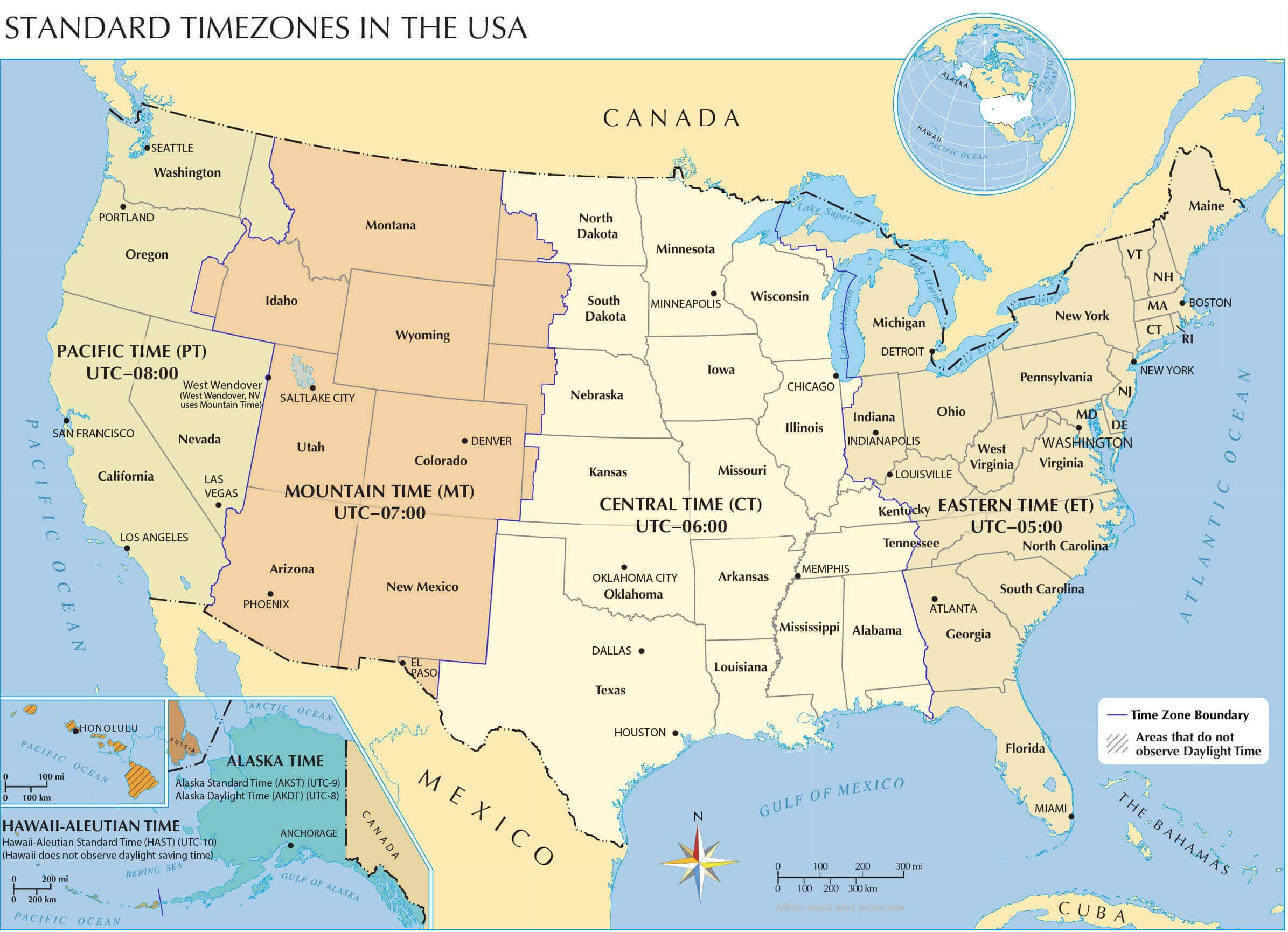
San Diego, California, observes Pacific Time. This designation is further broken down into two distinct periods throughout the year: Pacific Standard Time (PST) and Pacific Daylight Time (PDT). The shift between these two times is governed by daylight saving time practices, a phenomenon observed in many parts of North America.

Pacific Standard Time (PST)
During the fall and winter months, San Diego adheres to Pacific Standard Time (PST). This time zone is UTC-8, meaning it is eight hours behind Coordinated Universal Time. PST typically begins on the first Sunday in November and concludes on the second Sunday in March. This is the “standard” time for the region. When it’s noon PST in San Diego, it’s 8 PM UTC, 3 PM in New York City (Eastern Standard Time), and 11 PM in London. For travelers arriving from overseas, understanding this eight-hour difference is key to adjusting to jet lag and planning their initial activities upon arrival.
Pacific Daylight Time (PDT)
As the days lengthen and spring arrives, San Diego transitions to Pacific Daylight Time (PDT). This is a form of daylight saving time, where clocks are moved forward by one hour. PDT is UTC-7. This transition usually occurs on the second Sunday in March and ends on the first Sunday in November. During PDT, San Diego is seven hours behind Coordinated Universal Time. So, when it’s noon PDT in San Diego, it’s 7 PM UTC, 3 PM in New York City (Eastern Daylight Time), and 11 PM in London. The switch to PDT effectively extends daylight hours into the evening, which is often appreciated by locals and visitors alike who want to make the most of the outdoor activities San Diego has to offer.
The Significance of Time Zones for Travelers in San Diego
Understanding San Diego’s time zone is more than just a matter of ticking a box; it has practical implications for every aspect of your trip. From booking your flight to planning your day at Balboa Park, accurate time awareness is paramount.
Coordinating Travel Arrangements

The most immediate impact of knowing the time zone is on your travel arrangements. Flights are scheduled based on departure and arrival times in local time. If you’re flying from New York City, a three-hour flight might feel shorter or longer depending on the time difference. For example, departing New York at 9 AM EST and arriving in San Diego at 12 PM PST means you’ve spent three hours in the air, but you’ve also gained three hours due to the time zone change. This can be particularly confusing if you don’t account for it. Similarly, booking rental cars, hotel check-ins, and arranging airport transfers all rely on accurate local time. Missing a reservation due to a misunderstanding of the time zone can lead to significant inconvenience and unexpected costs.
Maximizing Your San Diego Experience
Beyond logistics, time zones play a significant role in maximizing your San Diego experience. Knowing when sunrise and sunset occur, and how daylight saving time affects these, can help you plan your sightseeing and activities.
Experiencing San Diego’s Attractions
San Diego boasts a wealth of attractions that are best enjoyed during daylight hours. Consider a visit to Balboa Park, a sprawling urban cultural park housing numerous museums, gardens, and the world-renowned San Diego Zoo. Understanding PDT, for instance, means you can enjoy the park’s attractions later into the evening during spring and summer. A sunset stroll along the shores of La Jolla or a visit to the historic Gaslamp Quarter for dinner can be better timed with the extended daylight.
If you’re a fan of nature and outdoor adventures, knowing the time will help you plan hikes in places like Torrey Pines State Reserve or boat tours around the bay. Early morning surfing lessons at Pacific Beach or whale watching excursions departing from San Diego Bay often have early start times. Being aware of PST and PDT ensures you’re not caught off guard by an early departure or the need to be somewhere at a specific time, especially when that time is influenced by daylight shifts.
Understanding Local Culture and Events
Many local events and cultural experiences in San Diego are time-sensitive. Festivals, farmers’ markets, and live performances often have specific start and end times. For example, the Little Italy Food Hall might have different operating hours that change seasonally. Knowing the local time zone ensures you can fully immerse yourself in the local culture without missing out on any festivities. When planning a visit to coincide with events like the San Diego Comic-Con International, meticulous time zone awareness is absolutely critical, as schedules are packed and events run from early morning to late night.
Practical Tips for Time Zone Management
To avoid any temporal confusion during your trip to San Diego, consider these practical tips:
- Set Your Devices: Upon arrival, ensure all your electronic devices, including your phone, smartwatch, and any other connected gadgets, are set to automatically update to the local San Diego time. This is usually the default setting, but it’s wise to double-check.
- Communicate Clearly: When making arrangements with local businesses or individuals in San Diego, always specify the time zone. For example, say “3 PM PST” or “3 PM PDT,” rather than just “3 PM,” especially if you are communicating with someone in a different time zone.
- Use Reliable Resources: For the most up-to-date information on when San Diego switches between PST and PDT, consult official sources or reputable time zone websites. This will help you avoid any confusion during the biannual clock changes.
- Consider Jet Lag: Traveling across multiple time zones can lead to jet lag. Plan for a slower pace on your first day or two in San Diego to allow your body to adjust. This will make your experience more enjoyable and help you be more alert for your planned activities.
- Factor in Daylight: When planning your outdoor activities, remember that during PDT, you’ll have more daylight hours in the evening. This can be a significant advantage for exploring attractions like Old Town San Diego State Historic Park or enjoying a leisurely dinner with ocean views.
In conclusion, San Diego, California, observes Pacific Time, switching between Pacific Standard Time (PST) and Pacific Daylight Time (PDT). By understanding these time zones and their implications, travelers can ensure a smooth, enjoyable, and well-scheduled visit to this beautiful Californian city, from the moment they book their flights to their final sunset viewing over the Pacific Ocean. Whether you’re staying at a luxury resort like the Hotel del Coronado or a more budget-friendly accommodation, accurate timekeeping will undoubtedly enhance your San Diego adventure.
LifeOutOfTheBox is a participant in the Amazon Services LLC Associates Program, an affiliate advertising program designed to provide a means for sites to earn advertising fees by advertising and linking to Amazon.com. Amazon, the Amazon logo, AmazonSupply, and the AmazonSupply logo are trademarks of Amazon.com, Inc. or its affiliates. As an Amazon Associate we earn affiliate commissions from qualifying purchases.